2. Theoretical Framework and Literature Review
2.1. Three-dimensional Theory of Law
The three-dimensional theory of law was developed in a prominent way by Miguel Reale
| [15] | Reale M. Three-dimensional theory of law: an integral vision of law [Internet]. 1st ed. Reale M, editor. Madrid: Editorial Tecnos; 1997 [cited 2026 Jan 28]. 1-151 p. Available from: https://surl.lu/xqiirv |
[15]
, who conceptualizes legal phenomena through factual, normative, and axiological dimensions. The factual dimension recognizes law as a social phenomenon, which manifests itself daily in human social interactions and relationships. This sociological perspective emphasizes the omnipresence and interconnection of law with economic and political phenomena. The normative dimension addresses the prescriptive nature of the law, establishing standards of social conduct through legal norms that specify the legally required conduct. The axiological dimension conceives of law as a value that pursues higher values such as human dignity, justice and social welfare.
This tripartite framework is especially relevant for analyzing labor rights violations in construction. The factual dimension manifests itself in empirical patterns of systematic underpayment of wages, while the normative dimension includes constitutional provisions, international conventions, and collective agreements that establish workers' rights. The axiological dimension refers to fundamental values of human dignity, decent work and social justice that labor law seeks to protect. In fact, effective labour regulation requires coherence in these three dimensions.
2.2. Public Service and Administrative Function
The theory of public service, developed by French academics of administrative law such as Maurice Hauriou and León Duguit, conceives of public administration as oriented to the collective satisfaction of necessary needs. Hauriou emphasized public service as an organizational reason, while Duguit articulated public service as the defining criterion of administrative activity, linked to the general interest
. This theoretical framework implies that labour authorities must effectively protect workers' rights as a public service obligation.
The concept of public service incorporates principles of continuity, adaptability and equality
| [17] | Cepiku D, Mastrodascio M. Equity in Public Services: A Systematic Literature Review. Public Adm Rev. 2021 Nov 14; 81(6): 1019-32. |
[17]
. Applied to labor management, these principles require the consistent application of labor standards, adaptation to changing labor realities, and equal protection for all workers, regardless of sector or region. When administrative mechanisms fail to guarantee the payment of wages, the public service remains unfulfilled, creating legitimacy deficits and eroding workers' trust in state institutions.
2.3. Decent Work Framework
The ILO's concept of decent work, introduced by Director-General Juan Somavia, structures four main pillars. The first of these pillars is the work or employment itself. The second is represented by labour rights, especially fundamental rights: freedom of association, the right to collective bargaining and the eradication of forced labour, discrimination and child labour. The third pillar has to do with the notion of social security and protection; While the perennial demand for security reflects a basic human need, many find themselves in situations of insecurity and precarious employment: 80 per cent of the global labour force lacks social protection, unemployment benefits or other forms of social assistance. The fourth pillar, finally, focuses on the idea of representation and social dialogue. How people can make their voices heard is a key aspect of the notion of decent work, and social dialogue is the mechanism that helps advance the other three dimensions of decent work
| [18] | Somavia J. Decent work. A struggle for human dignity [Internet]. 1st ed. International Labour Organization, editor. Vol. 1. Santiago de Chile: International Labour Office; 2014 [cited 2026 Jan 28]. 1-766 p. Available from: https://surl.li/yzeehh |
[18]
. Decent work encompasses productive work in conditions of freedom, equity, security and human dignity, with respected rights and adequate remuneration. Amartya Sen emphasizes decent work as a right that transcends current labor legislation, recognizing the basic rights that inform institutional and policy design
.
According to the above conceptualization, the key dimensions of decent work include freedom of choice of employment, productive employment that provides acceptable livelihoods, fairness of treatment and opportunities, protection of job security, and respect for human dignity. Productive employment is essential for workers and families to achieve an acceptable standard of living, while enabling enterprises and countries to achieve sustainable competitive development. When construction workers are systematically paid wages below negotiated levels, several dimensions of decent work are violated.
2.4. Principles of Wage Protection
International and national legal frameworks establish that wages are of a food nature, that is, they constitute the main means of subsistence of workers. ILO Convention 95
on the Protection of Wages sets out fundamental principles such as payment in legal tender, direct payment to workers, regular pay intervals and restrictions on wage deductions. ILO Recommendation 85 complements these principles with detailed implementation guidance
| [20] | Organización Internacional del Trabajo. R085 - Protection of Wages Recommendation, 1949 (No. 85) [Internet]. Ginebra; 1949 [cited 2026 Jan 28]. Available from: https://surl.li/fegxbx |
[20]
.
Article 24 of the Political Constitution of Peru declares priority in the payment of remuneration
. Supreme Court jurisprudence consistently affirms the alimony nature of wages, establishing their privileged status in credit ratings and emphasizing state obligations to ensure effective payment
| [21] | Ramírez Sánchez FE. Studies in Constitutional Law and Constitutional Procedure [Internet]. Publisher and Legal Bookstore Grijley, editor. Lima: Pasión por el Derecho; 2014 [cited 2026 Jan 28]. 29-33 p. Available from: https://surl.li/ebosqs |
[21]
. Despite this strong regulatory framework, enforcement mechanisms are often insufficient, especially when employers lack peggable assets or resort to manipulating the corporate structure to evade obligations
.
2.5. Sociocognitive Theory
Albert Bandura's sociocognitive theory includes mechanisms of moral disconnection that individuals use to carry out unethical behaviors while maintaining positive self-esteem. These mechanisms include moral justification, euphemistic labeling, advantageous comparison, displacement of responsibility, diffusion of responsibility, distortion of consequences, dehumanization, and attribution of blame
. Employers who fail to comply with labour obligations frequently employ these mechanisms, justifying non-compliance through financial constraints, minimizing the severity of violations, or attributing liability to subcontractors.
In the context of the construction sector, moral disinterest manifests itself when employers justify underpayment of wages as economically necessary, characterize workers as temporary or unskilled to justify lower wages, or structure complex corporate arrangements to conceal liability. Understanding these psychological mechanisms helps explain persistent violations despite workers' awareness of their rights and the availability of grievance mechanisms. Effective interventions must address not only legal compliance, but also organizational cultures that facilitate moral disinterest
.
2.6. Background
Syed's 2023 manuscript
| [24] | Syed RF. Compliance with and enforcement mechanism of labor law: cost-benefits analysis from employers’ perspective in Bangladesh. Asian Journal of Business Ethics. 2023 Dec 4; 12(2): 395-418. https://doi.org/10.1007/s13520-023-00179-0 |
[24]
offers a qualitative exploration with the aim of proposing effective strategies to improve compliance and enforcement of labour laws in Bangladesh, reducing incentives for non-compliance. The study is based on primary data obtained from statutes and court decisions, as well as secondary data from academic articles, books, and book chapters, among others. Through a cost-benefit analysis from the employers' perspective, the study argues that showing the higher costs associated with violating labor laws, compared to the benefits obtained, will incentivize employers to prioritize compliance to safeguard their interests. To this end, the research proposes eight different techniques or mechanisms to limit the benefits derived from non-compliance with labor laws. These strategies are carefully organized into two categories: "increase the likelihood of voluntary compliance" and "support from other actors." It concludes that the proposed techniques to improve compliance and enforcement of labour laws in Bangladesh have great potential to benefit key stakeholders, policymakers and practitioners in the sector. In addition, the study's findings have valuable implications for other developing countries in the South Asian region, given their similar socioeconomic and cultural contexts.
Ramdan in 2024
| [25] | Ramdan M. Labor Inspection Mechanism for the Implementation of Labor Norms in the Workplace. INTERNATIONAL JOURNAL OF MULTIDISCIPLINARY RESEARCH AND ANALYSIS. 2024 Apr 11; 07(04).
https://doi.org/10.47191/ijmra/v7-i04-05 |
[25]
, argues that workers and employers, when conducting labor relations, must comply with labor standards, which include labor standards and occupational safety and health standards. The implementation of labour standards in the workplace requires the role of labour inspectors in supervision. The research problem was: What is the labor inspection mechanism for the implementation of labor standards in the workplace? This research was of a legal normative type with a statutory approach, data collection through bibliographic research and data analysis carried out in a descriptive way. The results indicate that labour inspections relating to the implementation of labour standards in the workplace are carried out by labour inspectors under the authority granted by Article 176 of Law No. 13 of 2003 on Employment. It concludes that labor inspectors carry out labor inspection mechanisms for the implementation of labor standards under the provisions of Articles 4 to 51 of the Regulations of the Minister of Manpower of the Republic of Indonesia No. 33 of 2016, which consists of the planning stage, the implementation stage, and the reporting stage.
Tchawouo in 2025
| [26] | Tchawouo Mbiada CJ. Strengthening labour standards enforcement mechanisms to ensure social justice for employees. Interdisciplinary Studies in Humanities and Social Sciences [Internet]. 2025 [cited 2026 Mar 13]; 7(5): 420-5. Available from: https://bussecon.com/ojs/index.php/ijbes/article/view/1025 |
[26]
set out to strengthenlabour enforcement mechanisms to ensure social justice for employees. Through a documentary review, it examined the implementation mechanisms provided for in the Basic Conditions of Employment Act 75 of 1997 (BCEA) and the Employment Equity Act 55 of 1998 (EEA) and assessed their effectiveness in making the promise of labour rights a reality. It explores the conceptual underpinnings of social justice, describes the institutional and procedural frameworks for law enforcement, and analyzes jurisprudence to highlight systemic challenges. It also compares South Africa's implementation regime with international practices and makes practical and strategic recommendations for reform. In its results, it indicates that, in 2008, the ILO adopted the Declaration on Social Justice for a Fair Globalization, a
soft law instrument that imposes on its member States, including South Africa, the obligation
erga omnes to harmonize their domestic legal system with international labor standards in terms of conditions of employment, labor equity, occupational safety and compensation for accidents. However, employers' non-compliance with regulations is endemic in developing economies, constituting a structural obstacle to social justice. It concludes that in view of the insufficiency of the deterrent of the pecuniary and custodial sanctions in force, the doctrine advocates the implementation of coercive mechanisms of an administrative nature with a direct impact on the economic interests of the offender, such as disqualification from contracting with the State, exclusion from public subsidies and the suspension or closure of the establishment. measures that would operate as labor compliance instruments of greater preventive and corrective effectiveness.
Kaium and Ahsan in 2025
| [27] | Kaium A, Ahsan D. Labor Inspections and Workplace Safety: Lessons Learned for Improving Regulatory Frameworks and Interventions. 2025. p. 1-28.
https://doi.org/10.2139/ssrn.5304762 |
[27]
in Bangladesh, studiedlabour inspections and occupational safety: lessons learned to improve regulatory frameworks and interventions. They did this by collecting primary data through interviews with relevant stakeholders, such as officials from the Department of Inspection of Factories and Establishments (DIFE) and representatives of workers' and employers' organizations, to obtain various views on the effectiveness of the interventions. The secondary data was collected from the annual report of the Department of Inspection of Factories and Establishments (DIFE) and the labor inspection report. In their results, they revealed varied consequences of the enforcement agency. Some DIFE interventions have a positive correlation, others have a negative correlation, and some have no correlation with the overall results of the DIFE in terms of compliance with occupational safety and health standards in factories and worker well-being. In conclusion, the DIFE should consider implementing a more targeted approach that is in line with global safety standards. This involves expanding the scope of inspections, improving the implementation of digital tools such as the Labour Inspection Management Application (LIMA) and giving local DIFE officials the necessary decision-making authority, in order to facilitate rapid and sector-specific measures.
Do Prado et al. In 2025
, they studied the application of labor regulations and outcomes for firms: Evidence from Brazil. Using a unique set of administrative data that includes information on labor inspections, employer-employee matched data (RAIS), and data from the Central Bank of Brazil's credit registry, the paper presents novel findings on the post-inspection dynamics at the firm level within the highly regulated Brazilian labor market. Employing a difference-in-differences approach, it observes an increase in formal employment without any immediate impact on income, suggesting that inspected firms tend to formalize their unregistered workers after an inspection. However, the results also reveal a large negative impact on the company's performance and a higher likelihood of long-term closure, indicating that audited companies are struggling to offset the costs of formal labor. In addition, it notes that the companies inspected face tighter credit conditions, underscoring the broader economic implications of the application of labour standards. When analyzing the heterogeneity between municipalities, it found that the adverse effects of inspections are more pronounced in areas with lower rates of informality. In conclusion, the research contributes to understanding how the application of labor law affects business dynamics, offering perspectives on the dilemmas faced by companies in highly regulated environments.
Martinelli et al. In 2025
in their article they explored the challenges that these changes pose to labour inspectorates, as well as the strategies they have adopted to address them, through a systematic and narrative review of 75 articles, books and book chapters published between 1990 and 2023 in the field of labour relations. They identified a significant impact of structural transformations in the labour market (globalisation, tertiarisation, digitalisation, demographic and political changes) on the fragmentation of business organisation and labour relations. In response, labor inspectorates have implemented three types of strategies: (1) internal restructuring; (2) diversified and blended approaches to workplace monitoring; and (3) cooperation with other regulatory bodies. They conclude that the labor inspectorate faces a structural deficit of resources aggravated by austerity policies, which compromises its coercive capacity and legitimizes the adoption of strategic regulatory governance that prioritizes interventions based on data analysis, inter-institutional cooperation and regulatory co-execution with union actors. The effectiveness of the inspection system depends on political support for the regulation of the labour market and on a consolidated legal-institutional framework that allows for the articulation of joint enforcement mechanisms between inspectors, trade unions and other interested parties. It is imperative that the labour inspectorate transcends its merely supervisory role to assume a transformative role in the protection of fundamental labour rights, coherently integrating itself into the public policy of labour market supervision. Finally, they recognize the need to deepen comparative research between legal systems, in order to identify strengths and limitations of each regulatory strategy, particularly those that promote the active participation of workers as subjects of law in the inspection processes.
Picco in 2025
in its study on thesystem of inspection and application of labour legislation in Italy, examines Decree-Law No. 19/2024 (transformed, with amendments, into Law No. 56/2024), which introduced changes in two important aspects of labour sanctioning law. On the one hand, the institutional structure of the labour inspectorate was reviewed, thus completing a reform process begun twenty years earlier with Legislative Decree No. 124/2004. On the other hand, in response to public outrage over the tragic workplace accidents that received widespread media coverage, the sanctioning framework for subcontracting was modified. This includes the reintroduction of criminal sanctions, thus reversing the decriminalisation introduced eight years earlier by Legislative Decree No. 8/2016. It concludes that it is clear that the legislature has subordinated the protection of workers affected by subcontracting agreements to the imperative need to respond to public outrage following a series of tragic accidents at work, effectively instrumentalising criminal sanctions to assuage widespread concerns about the perception of insecurity in the workplace.
Negi and Sharma in 2025
, in their study on the challenges of Labour Law in the Construction Industry: Safety, Welfare and Wages, critically analyse the difficulties faced by construction workers in relation to social benefits, fair remuneration and workplace safety. Under a desk analysis, it examines the shortcomings of the legal framework, including low registration rates with state social welfare boards, a shortage of enforcement tools, and the misappropriation of public funds. While the efforts of civil society organizations and the courts have raised awareness, they are not enough to implement systemic change. The importance of unionization and high safety standards is highlighted in the study, which compares construction labor practices in India with international standards, particularly those seen in countries such as Canada. They conclude, suggesting policy changes, such as mandatory safety training, digitization of worker registration, tightening inspection procedures, and effective use of the welfare tax through Direct Profit Transfer (DBT) systems. Providing construction workers with decent working conditions is not only a legal necessity, but also a humanitarian and constitutional necessity. The lives of millions of people in industry can be greatly improved by strengthening enforcement of existing standards and fostering a culture of accountability.
Simon in 2021)
| [32] | Simon W. Decision-making processes in complex environments: A focus on labor inspections in the construction industry. SASE [Internet]. 2021 [cited 2026 Mar 13]; (5): 1-23. Available from: https://surl.li/eitwti |
[32]
, argues that the construction sector requires special attention from labour inspectors, as it is prone to phenomena such as serious occupational accidents and social dumping. In the industrial field, on-site inspections are crucial moments for the implementation of labour legislation. In carrying out inspections, labour inspectors assess a wide variety of situations and attempt to determine appropriate measures. The unpredictability of the sector forces them to constantly adapt to new situations and to resort to their discretionary power, which in the literature has been described as responsive regulation. Under these arguments, the study focuses on the decision-making processes of inspectors when carrying out welfare and anti-fraud inspections in this specific sector. Based on 34 interviews with Belgian labour inspectors and experts, identifying five logics that help to make decisions and justify them later. These logics are based on five dimensions inherent to the work of inspectors: procedures, values, experience, relationship with those inspected and relationship with colleagues. By referring to such logics during inspections, inspectors tend to privilege certain types of results as they pursue their cases. It concludes that there is a tension between regularization and legal procedures in the inspection work.
3. Materials and Methods
3.1. Research Design
This study adopts a mixed methodological approach of convergent type, which systematically integrates quantitative data obtained through a structured survey applied to 142 workers in the construction sector, with qualitative analysis of administrative and judicial records from the competent entities of the Amazonas Region, Peru. The methodological triangulation between both sources, both primary and documentary, allows not only to describe the phenomenon of wage non-compliance, but also to explain its structural determinants and evaluate the effectiveness of the existing protection mechanisms, providing the study with greater internal coherence and construct validity.
The research was carried out between January and September 2015, focusing on civil construction workers employed in projects that exceed 50 Tax Units (UIT), equivalent to approximately 192,500 soles or 53,000 USD at current exchange rates
| [33] | Manriquez Zapata HM. Proposal for regulatory management at the level of the Ministry of Labor and Employment Promotion to guarantee the payment of wages and social benefits to workers in the civil construction industry in works greater than 50 UIT-Amazonas region 2015 [Internet] [Postgraduate Thesis]. [Chachapoyas]: César Vallejo University; 2015 [cited 2026 Jan 29]. Available from: https://repositorio.ucv.edu.pe/handle/20.500.12692/20762 |
[33]
. This threshold is not arbitrary, since projects of this magnitude presuppose sustained labor relations, differentiated occupational categories, and more complex conventional obligations, which makes them the most representative scenario of the systematic violations under study.
Figure 1. Location of the Amazon region on the map of Peru.
Figure 2. Map of the Amazon region.
3.2. Sampling Strategy
A non-probabilistic convenience sample was selected with intentional criteria, composed of 142 civil construction workers from the provinces of Bagua (34.5%), Chachapoyas (32.4%), Utcubamba (19.0%), Bongará (8.5%) and others (5.6%)
| [33] | Manriquez Zapata HM. Proposal for regulatory management at the level of the Ministry of Labor and Employment Promotion to guarantee the payment of wages and social benefits to workers in the civil construction industry in works greater than 50 UIT-Amazonas region 2015 [Internet] [Postgraduate Thesis]. [Chachapoyas]: César Vallejo University; 2015 [cited 2026 Jan 29]. Available from: https://repositorio.ucv.edu.pe/handle/20.500.12692/20762 |
[33]
. The choice of a non-probabilistic design is justified for three converging reasons. First, the absence of a complete and updated sampling framework of civil construction workers in the Amazon Region, which makes classic probabilistic sampling technically unfeasible, a recurrent situation in research on informal labor markets in developing economies. Second, the object of study aimed at workers with direct experience in disputes over salary payments and in the use of administrative or judicial complaint mechanisms, requires an intentional selection that guarantees the substantive relevance of the informants, instead of random statistical representativeness. Third, studies on labor compliance in highly informal sectors require access strategies based on institutional networks, such as unions, inspections, workers' associations, precisely because the target population tends to be invisible to conventional census frameworks.
The inclusion criteria applied were: (a) employment in civil construction projects in the last 12 months; (b) documentable personal experience in wage payment disputes; and (c) direct knowledge of the administrative or judicial complaint procedures. These criteria ensure that the informants have the necessary experiential capital to respond with content validity to the instruments applied.
The main limitations of non-probabilistic sample design involve generalization constraints that must be transparently recognized. The results are not statistically extrapolated to the national universe of construction workers, or even to the whole of the Amazon Region in periods other than the harvest. In addition, the selection bias inherent in the workers who participated is those who had already activated grievance mechanisms, which distinguishes them from those who, out of disappointment or ignorance, opted for inaction, which may underestimate the real magnitude of non-compliance in the sector. However, these limitations do not invalidate the findings, because the internal consistency of the data, their convergence with the comparative literature, and the triangulation with independent administrative records provide the results with sufficient analytical strength to support the proposed conclusions.
3.3. Data Collection Instrument
In the case of primary data collection, it was carried out through a structured self-administered questionnaire with the assistance of the researcher, designed specifically for this study and validated by expert judgment before its final application. The instrument was administered through individual communications, ensuring the understanding of each item and reducing socially desirable response bias.
The questionnaire was organized into five thematic modules, each associated with specific measurement variables:
1) Module I collected sociodemographic and occupational variables: sex (92.3% male; 7.7% female), age (distributed in the ranges 17–20 years: 9.9%; 21–39 years: 53.5%; 40–59 years: 36.6%), occupational category (worker: 68.3%; journeyman: 20.4%; operator: 11.3%) and marital status (cohabiting: 40.1%; married: 29.6%; single: 22.5%; others: 7.7%)
| [33] | Manriquez Zapata HM. Proposal for regulatory management at the level of the Ministry of Labor and Employment Promotion to guarantee the payment of wages and social benefits to workers in the civil construction industry in works greater than 50 UIT-Amazonas region 2015 [Internet] [Postgraduate Thesis]. [Chachapoyas]: César Vallejo University; 2015 [cited 2026 Jan 29]. Available from: https://repositorio.ucv.edu.pe/handle/20.500.12692/20762 |
[33]
. These variables allow us to control for the internal heterogeneity of the sample and to contextualize the family dependence on labor income.
2) Module II measured compliance with the salary payment through: conformity of the salary received with the collectively bargained table, payment method received (regular salary, piecework/piece, tips, others) and periodicity of payment.
3) Module III assessed access to training and awareness of rights: receipt of training from the employer (yes/no), content of training received (technical skills, labour rights, collective bargaining, social benefits) and level of self-reported knowledge on fundamental labour rights.
4) Module IV analyzed the behavior in the event of non-compliance: chosen complaint instance (Regional Labor Directorate, Ministry of Labor, decentralized zone, none), use of specific procedures (labor inspection: yes/no; administrative conciliation: yes/no; judicial complaint: yes/no) and perceived result of each mechanism (successful/unsuccessful).
5) Module V collected perceptions of the proposed guarantee mechanism: support for the implementation of a guarantee instrument (yes/no), preference over ownership of the instrument (administrative authority vs. individual workers) and reasons for the preference expressed.
For the analysis of administrative records, formal reports from the regional labor authorities were obtained and systematized documenting the inspection and conciliation procedures developed between 2012 and September 2015. For the Regional Directorate of Labor, with jurisdiction over the provinces of Chachapoyas, Luya-Lamud, Rodríguez de Mendoza and Bongará, the inspection records revealed an exponential escalation, from 1 case affecting 15 workers (2012), to 6 cases with 49 workers (2013), 4 cases with 81 workers (2014) and 30 cases with 800 workers between January and September 2015
| [33] | Manriquez Zapata HM. Proposal for regulatory management at the level of the Ministry of Labor and Employment Promotion to guarantee the payment of wages and social benefits to workers in the civil construction industry in works greater than 50 UIT-Amazonas region 2015 [Internet] [Postgraduate Thesis]. [Chachapoyas]: César Vallejo University; 2015 [cited 2026 Jan 29]. Available from: https://repositorio.ucv.edu.pe/handle/20.500.12692/20762 |
[33]
. The decentralized employment zone Bagua-Utcubamba documented parallel trends, with cases rising from 3 (2012) to 16 (2014) and 24 in the partial year 2015
| [33] | Manriquez Zapata HM. Proposal for regulatory management at the level of the Ministry of Labor and Employment Promotion to guarantee the payment of wages and social benefits to workers in the civil construction industry in works greater than 50 UIT-Amazonas region 2015 [Internet] [Postgraduate Thesis]. [Chachapoyas]: César Vallejo University; 2015 [cited 2026 Jan 29]. Available from: https://repositorio.ucv.edu.pe/handle/20.500.12692/20762 |
[33]
. Thus, the administrative conciliation records of 2014–2015 showed high rates of non-compliance with conciliated agreements by employers and high employer non-attendance at hearings, which is in itself an indicator of the coercive weakness of the system and a factor that precipitated the escalation towards judicial proceedings.
For the comparative legal analysis, the existing guarantee requirements in the regulated sectors were examined, including:
State contracting contracts (Legislative Decree 1017
, Law 30225
| [35] | Minister of Economy and Finance. Law No. 30225, State Contracting Law updated [Internet]. Editora Perú, editor. Lima: El Peruano; 2019 [cited 2026 Jan 29]. 1-107 p. Available from: https://surl.li/busbnr |
[35]
).
Postal Service Concessions (Supreme Decree 032-93-TCC
).
Vehicle Technical Inspection Centers (Supreme Decree 025-2008-MTC
).
Issuance of driver's licenses (Supreme Decree 040-2008-MTC
).
Renewable energy generation (Supreme Decree 050-2008-EM
).
This analysis identified common characteristics of letters of guarantee, including irrevocability, solidarity, unconditionality, immediate enforceability, and issuance to regulatory authorities.
3.4. Ethical Considerations
The study was conducted in full observance of the fundamental ethical principles applicable to research with human participants. Prior to the application of the questionnaire, each worker received complete information about the objectives of the study, the voluntary nature of their participation, the absence of labor or administrative consequences derived from their response, and the exclusively academic use of the data collected. On this basis, the informed consent of each participant was obtained, in accordance with the ethical standards of research in social and legal sciences.
The confidentiality of the data was guaranteed by the anonymization of all responses from the collection phase, where no questionnaire contains information that allows the individual identification of the worker, and the data were processed in an aggregated manner. This measure is especially relevant given the context of labor vulnerability of the informants, who could have been exposed to retaliation by employers in the event of possible disclosures of their claims or perceptions. The protection of the participants from possible harm arising from their collaboration in the study was an essential methodological and ethical priority, in line with the principles of non-maleficence and justice that guide research in contexts of social vulnerability, as recognized by the ILO's doctrine of decent work.
3.5. Data Analysis
The quantitative data were analyzed using descriptive statistics that include absolute and relative frequencies, organized in distribution tables, which allow for a precise systematization of the magnitude of wage non-compliance, the sociodemographic and occupational profile of the affected workers, and the patterns of use of the available protection mechanisms. This level of analysis is consistent with the characteristics of the methodological design adopted, based on exhaustive documentary analysis of the thesis
| [33] | Manriquez Zapata HM. Proposal for regulatory management at the level of the Ministry of Labor and Employment Promotion to guarantee the payment of wages and social benefits to workers in the civil construction industry in works greater than 50 UIT-Amazonas region 2015 [Internet] [Postgraduate Thesis]. [Chachapoyas]: César Vallejo University; 2015 [cited 2026 Jan 29]. Available from: https://repositorio.ucv.edu.pe/handle/20.500.12692/20762 |
[33]
without generating additional primary data and with the central purpose of the study, to describe and legally interpret phenomena whose magnitude is already analytically conclusive by itself.
Thus, frequency distribution tables and proportions were constructed for each key variable of the study such as salary compliance, payment modality, access to training, complaint mechanisms used and results obtained, allowing the systematic comparison between occupational subgroups (workers, journeymen and operators) and the identification of patterns of concentration of non-compliance in certain categories of workers.
Second, comparative tables were developed to contrast structurally related variables, such as the rate of use of tutela mechanisms, the rate of successful results, the escalation of documented inspection cases (2012–2015) and the marginality of the penalties effectively collected. These comparative tables allow for a precise quantification of the gap between formal access to labour justice and effective protection of rights, without the need for statistically significant tests, given that the magnitude of the differences observed is, in legal and social terms, self-evident and can be interpreted directly from the descriptive analysis.
Thirdly, the qualitative analysis of the administrative records was carried out through inductive thematic coding, where recurrent emerging categories were identified from the systematic review of the inspection and conciliation files, circumvention through consortium structures without solidarity, absence of seizable assets, dilatory litigation by the employer, non-compliance with conciliated agreements, verifying their saturation through longitudinal analysis of the records of the period 2012–2015.
Finally, the methodological triangulation between survey data, administrative records, and comparative scientific literature operates as a cross-validation mechanism that raises the reliability of the findings beyond what each isolated source could sustain, guaranteeing the analytical coherence of the study from a critical and legally grounded perspective.
4. Results
4.1. Compliance with Salary Payment
Table 1. Compliance with salary payment.
Indicator | n | % |
A. Conformity with the negotiated salary table |
Salary Below Table | 141 | 99,3% |
Salary according to the table | 1 | 0,7% |
B. Payment Method Received |
Regular Wage Pay | 114 | 80,3% |
Piece/piece compensation | 24 | 16,9% |
Tuition fees | 3 | 2,1% |
Other forms | 1 | 0,7% |
The results of the survey reveal a massive and systematic violation of the fundamental right to fair remuneration. Out of 142 respondents, 99.3% received salaries below the collectively bargained tables, while only 0.7% received remuneration according to the agreed scales
| [33] | Manriquez Zapata HM. Proposal for regulatory management at the level of the Ministry of Labor and Employment Promotion to guarantee the payment of wages and social benefits to workers in the civil construction industry in works greater than 50 UIT-Amazonas region 2015 [Internet] [Postgraduate Thesis]. [Chachapoyas]: César Vallejo University; 2015 [cited 2026 Jan 29]. Available from: https://repositorio.ucv.edu.pe/handle/20.500.12692/20762 |
[33]
. This almost universal non-compliance cannot be described as an isolated infraction, but as the empirical expression of a structural fracture in the factual dimension of the labor legal system, in accordance with Reale's three-dimensional theory of law, where he maintains that the norm exists and the values that inspire it are recognized, but its social materialization is practically non-existent.
From the perspective of Bandura's sociocognitive theory, this pattern responds to institutionalized mechanisms of moral disconnection such as economic justification, diffusion of responsibility, and minimization of consequences, through which employers perpetuate wage underpayment while maintaining a self-perception of corporate legitimacy. Negi and Sharma
confirm this phenomenon in the construction industry, documenting how organizational cultures that normalize infringement operate as vectors of systematic reproduction of non-compliance.
In turn, Syed
| [24] | Syed RF. Compliance with and enforcement mechanism of labor law: cost-benefits analysis from employers’ perspective in Bangladesh. Asian Journal of Business Ethics. 2023 Dec 4; 12(2): 395-418. https://doi.org/10.1007/s13520-023-00179-0 |
[24]
demonstrates that when the costs associated with the regulatory violation are lower than the benefits obtained by the non-compliance, the employer's economic rationality is structurally inclined towards the violation, configuring what this study identifies as an institutionalized illicit rationality. This situation is aggravated by the fact that 16.9% of the workers were compensated through piecework agreements, which is a modality that transfers the productive risk to the worker, despite being entitled to weekly wages by occupational category. This practice constitutes a circumvention of the special labor regime of the construction sector, emptying of content the normative protections of ILO Convention 95 and the constitutional mandate of Article 24 of the Political Constitution of Peru, which recognizes the nutritional and priority nature of remuneration.
4.2. Training and Awareness of Rights
Table 2. Training and awareness on labour rights.
Indicator | n | % |
A. ACCESS TO TRAINING BY THE EMPLOYER |
Received some training | 48 | 33,8% |
He did not receive any training | 94 | 66,2% |
B. CONTENT OF THE TRAINING RECEIVED (OUT OF THE 33.8% WHO DID RECEIVE) |
General technical skills | Predominant content |
Collective bargaining and wages | Absent |
Social benefits/bonuses | Absent |
The training deficit found with 66.2% of workers who did not receive any training from the employer, and the existing training was limited to general technical skills
| [33] | Manriquez Zapata HM. Proposal for regulatory management at the level of the Ministry of Labor and Employment Promotion to guarantee the payment of wages and social benefits to workers in the civil construction industry in works greater than 50 UIT-Amazonas region 2015 [Internet] [Postgraduate Thesis]. [Chachapoyas]: César Vallejo University; 2015 [cited 2026 Jan 29]. Available from: https://repositorio.ucv.edu.pe/handle/20.500.12692/20762 |
[33]
, is not a mere business omission, but a functional mechanism for perpetuating the informational asymmetry that sustains the cycle of labor violations. From Reale's three-dimensional theory, the axiological dimension of law oriented to human dignity and social justice, requires that knowledge of labor rights be a precondition for their effective exercise; its deliberate absence operates as a structural obstacle to access to justice.
This result is directly articulated with the mechanisms of moral disconnection by dehumanization and attribution of blame described by Bandura: by keeping workers in a state of legal ignorance, employers implicitly shift the responsibility for non-compliance to those who do not complain, making invisible the unlawful nature of their conduct. Negi and Sharma
identify this same pattern in India, noting that low registration rates in social welfare systems are partly due to the systematic misinformation of workers as a strategy to evade employer obligations.
The absence of training in collective bargaining, pay scales and social benefits compromises the ILO's fourth pillar of decent work, known as representation and social dialogue, by depriving workers of the cognitive tools necessary to assert their rights in labour consultation spaces. As Amartya Sen
argues, decent work transcends positive norms and requires the institutional design of real conditions for the exercise of rights, including effective access to legal information.
4.3. Administrative Grievance Mechanisms
Table 3. Administrative grievance mechanisms used.
Mechanism / Instance | n | % |
A. First instance of a chosen wage claim |
Regional Directorate of Labor Greater confidence | 98 | 69,0% |
Ministry of Labor (headquarters) | 19 | 13,4% |
He did not file any complaint Distrust | 16 | 11,3% |
Decentralized Employment Zones Reported Corruption | 9 | 6,3% |
B. Use of specific guardianship procedures |
Submitted a request for labor inspection | 120 | 84,5% |
He requested administrative conciliation | 121 | 85,5% |
No inspection | 22 | 15,5% |
He did not request conciliation | 21 | 14,5% |
The high rates of use of the available administrative mechanisms, according to 84.5% of workers who submitted requests for labor inspection and 85.5% resorted to conciliation
| [33] | Manriquez Zapata HM. Proposal for regulatory management at the level of the Ministry of Labor and Employment Promotion to guarantee the payment of wages and social benefits to workers in the civil construction industry in works greater than 50 UIT-Amazonas region 2015 [Internet] [Postgraduate Thesis]. [Chachapoyas]: César Vallejo University; 2015 [cited 2026 Jan 29]. Available from: https://repositorio.ucv.edu.pe/handle/20.500.12692/20762 |
[33]
, show an active legal awareness among workers and their willingness to exercise their rights through formal channels. However, as Martinelli et al.
The mere use of the mechanisms does not translate into protective effectiveness when the inspection system operates with a structural deficit of resources and a reactive and improvised governance.
The predominance of complaints to the Regional Directorate of Labor (69.0%) compared to decentralized areas (6.3%), which support accusations of corruption
| [33] | Manriquez Zapata HM. Proposal for regulatory management at the level of the Ministry of Labor and Employment Promotion to guarantee the payment of wages and social benefits to workers in the civil construction industry in works greater than 50 UIT-Amazonas region 2015 [Internet] [Postgraduate Thesis]. [Chachapoyas]: César Vallejo University; 2015 [cited 2026 Jan 29]. Available from: https://repositorio.ucv.edu.pe/handle/20.500.12692/20762 |
[33]
, reflects a selective erosion of institutional legitimacy that concentrates the burden of the system in a single entity, reducing its real operational capacity. This phenomenon is part of what the theory of public service
calls non-compliance of the public function, which occurs when the labor administration does not guarantee continuity, adaptability and equality in protection, generating legitimacy deficits that discourage reporting, as illustrated by the 11.3% who chose not to file complaints, out of disappointment in the face of administrative inefficiency
| [33] | Manriquez Zapata HM. Proposal for regulatory management at the level of the Ministry of Labor and Employment Promotion to guarantee the payment of wages and social benefits to workers in the civil construction industry in works greater than 50 UIT-Amazonas region 2015 [Internet] [Postgraduate Thesis]. [Chachapoyas]: César Vallejo University; 2015 [cited 2026 Jan 29]. Available from: https://repositorio.ucv.edu.pe/handle/20.500.12692/20762 |
[33]
.
In this regard, Ramdan
| [25] | Ramdan M. Labor Inspection Mechanism for the Implementation of Labor Norms in the Workplace. INTERNATIONAL JOURNAL OF MULTIDISCIPLINARY RESEARCH AND ANALYSIS. 2024 Apr 11; 07(04).
https://doi.org/10.47191/ijmra/v7-i04-05 |
[25]
confirms that inspection effectiveness requires a coherent articulation between the planning, implementation, and reporting stages; its absence turns procedures into formal rituals with no real corrective capacity. Do Prado
, on the other hand, document that even in contexts where inspections manage to formalize unregistered workers, the effects on sustained wage compliance are limited when they are not accompanied by effective asset monitoring and enforcement mechanisms.
4.4. Judicial Appeal and Results
Table 4. Court appeal and results obtained.
Indicator | n | % |
A. ACCESS TO JUDICIAL REMEDIES |
He filed a legal claim | 106 | 74,6% |
He did not file a legal claim | 36 | 25,4% |
B. OUTCOME OF LEGAL CLAIMS |
Unsuccessful claim Systemic failure | 101 | 95,3% |
Favorable Result Exceptional | 5 | 4,7% |
C. AVERAGE DURATION OF THE PROCEDURE |
Administrative phase | ~6 months |
Judicial phase | ~30 months |
Cumulative total | ~36 months |
The judicial failure rate of 95.3% among those who filed legal claims
| [33] | Manriquez Zapata HM. Proposal for regulatory management at the level of the Ministry of Labor and Employment Promotion to guarantee the payment of wages and social benefits to workers in the civil construction industry in works greater than 50 UIT-Amazonas region 2015 [Internet] [Postgraduate Thesis]. [Chachapoyas]: César Vallejo University; 2015 [cited 2026 Jan 29]. Available from: https://repositorio.ucv.edu.pe/handle/20.500.12692/20762 |
[33]
configures what from the theory of public service must be qualified as a material and systematic denial of labor justice. The fact that 74.6% of workers have gone to court after unsuccessfully exhausting administrative mechanisms
| [33] | Manriquez Zapata HM. Proposal for regulatory management at the level of the Ministry of Labor and Employment Promotion to guarantee the payment of wages and social benefits to workers in the civil construction industry in works greater than 50 UIT-Amazonas region 2015 [Internet] [Postgraduate Thesis]. [Chachapoyas]: César Vallejo University; 2015 [cited 2026 Jan 29]. Available from: https://repositorio.ucv.edu.pe/handle/20.500.12692/20762 |
[33]
reveals that the labor protection system does not operate as a coherent set of staggered compensations, but as a succession of formally authorized, but substantively ineffective, instances.
The factors that explain this jurisdictional collapse are multidimensional. In the first place, the average duration of the proceedings, which amounts to 36 months in total, constitutes a structural procedural delay that, by itself, operates as a mechanism for the denial of justice by compromising the alimony and urgent nature of the wage credit recognized by ILO Convention 95 and the jurisprudence of the Peruvian Supreme Court. Second, the concealment of assets through consortium structures deprives favourable judgments of enforceable content, transforming the recognised right into an illusory declaration. Thirdly, the strategic use of contentious-administrative remedies as a delaying mechanism that has been identified by the workers themselves, constitutes an abuse of the process that instrumentalizes the right to effective judicial protection to the detriment of the structurally weaker party.
In this regard, Picco
documents that, in Italy, in the face of the analogous failure of administrative sanctions, the legislator reintroduced criminal sanctions in the field of subcontracting, implicitly recognizing that civil and administrative mechanisms are insufficient to dissuade employers with legal and patrimonial capacity to neutralize them. In addition, Simon
| [32] | Simon W. Decision-making processes in complex environments: A focus on labor inspections in the construction industry. SASE [Internet]. 2021 [cited 2026 Mar 13]; (5): 1-23. Available from: https://surl.li/eitwti |
[32]
adds that the tension between regularization and legal procedures in inspection work generates application inconsistencies that sophisticated employers exploit strategically, deepening the gap between norm and reality.
4.5. Trends in Administrative Inspection
Table 5. Trends in administrative inspection (2012–2015).
Year | Cases (DRT) | Affected Workers (DRT) | Cases (Decentralized Zone) | Trend |
A. Evolution of cases of violation of the salary scale |
2012 | 1 | 15 | 3 | Baseline |
2013 | 6 | 49 | — | Moderate rise |
2014 | 4 | 81 | 16 | Geographic expansion |
2015 (Jan–Sep) | 30 | 800 | 24 | Exponential escalation |
B. Sanctioning effectiveness despite the increase in cases |
Successful penalties collected | Marginal | Inspection paradox |
Sanctions aimed at affected workers | None (benefit the State) | Perverse asymmetry |
The exponential escalation of cases of wage violations registered by the Regional Directorate of Labor, from 1 case with 15 workers in 2012 to 30 cases with 800 workers between January and September 2015
| [33] | Manriquez Zapata HM. Proposal for regulatory management at the level of the Ministry of Labor and Employment Promotion to guarantee the payment of wages and social benefits to workers in the civil construction industry in works greater than 50 UIT-Amazonas region 2015 [Internet] [Postgraduate Thesis]. [Chachapoyas]: César Vallejo University; 2015 [cited 2026 Jan 29]. Available from: https://repositorio.ucv.edu.pe/handle/20.500.12692/20762 |
[33]
, should be interpreted not as an indicator of greater inspection effectiveness, but as evidence of the progressive consolidation of an illicit labor economy in the construction sector in Amazonas. From the factual dimension of Reale's three-dimensional theory
| [15] | Reale M. Three-dimensional theory of law: an integral vision of law [Internet]. 1st ed. Reale M, editor. Madrid: Editorial Tecnos; 1997 [cited 2026 Jan 28]. 1-151 p. Available from: https://surl.lu/xqiirv |
[15]
, this growth reflects the normalization of non-compliance as a structural business practice, not as exceptional conduct.
The central paradox lies in the fact that, despite the volumetric increase in cases, successful sanctions remained marginal. This result is explained in what is documented by Martinelli et al.
, where the labour inspectorate, subject to austerity policies and lacking a strategic vision, adopts what is called new regulatory governance, reducing visits to workplaces and focusing on advising employers to the detriment of the coercive function. In contrast, Kaium and Ahsan
| [27] | Kaium A, Ahsan D. Labor Inspections and Workplace Safety: Lessons Learned for Improving Regulatory Frameworks and Interventions. 2025. p. 1-28.
https://doi.org/10.2139/ssrn.5304762 |
[27]
confirm that when inspection agencies lack local decision-making authority and digital management tools, their capacity for sector-specific intervention is severely limited.
In addition, the fact that the penalties collected benefit the State and not directly the affected workers introduces a perverse asymmetry in the design of the system: labor enforcement does not generate compensation for the victims of non-compliance, dissociating the punitive function from the reparative function that labor law requires for the effective protection of fundamental rights.
4.6. Consortium Structures and Avoidance of Liability
Figure 3. Mechanism of evasion of liability through consortium structure (Art. 445–447, Law).
The widespread use of consortium agreements without solidarity clauses, protected by Articles 445 and 447 of the General Law 26887 of Companies
, as a systematic mechanism for avoiding labor obligations constitutes the most sophisticated expression of the elusive legal engineering identified in this study. From the normative dimension of Reale's three-dimensional theory
| [15] | Reale M. Three-dimensional theory of law: an integral vision of law [Internet]. 1st ed. Reale M, editor. Madrid: Editorial Tecnos; 1997 [cited 2026 Jan 28]. 1-151 p. Available from: https://surl.lu/xqiirv |
[15]
, this phenomenon reveals a pathology of the legal system, where the same norms that regulate the legitimate business organization are instrumentalized to neutralize the labor protection norms, generating a functional antinomy that the legal system does not resolve.
The avoidance mechanism operates on three concurrent levels: first, the constitution of consortia without joint and several liability that fragments the imputation of obligations; second, the registration of assets in the name of third parties that makes it impossible to execute assets; and third, the dissolution of the consortium at the end of the project that extinguishes the legal counterparty before the workers' claims are consolidated. This corporate architecture produces what Syed
| [24] | Syed RF. Compliance with and enforcement mechanism of labor law: cost-benefits analysis from employers’ perspective in Bangladesh. Asian Journal of Business Ethics. 2023 Dec 4; 12(2): 395-418. https://doi.org/10.1007/s13520-023-00179-0 |
[24]
calls a reversal of the cost-benefit equation of default, where the benefits of avoidance are certain and immediate, while the costs are uncertain, deferred, and in practice sunk from view.
In this regard, Do Prado
documents in the Brazilian context that the inspected companies face stricter credit conditions after the interventions, which suggests that mechanisms of anticipated asset allocation such as the proposed guarantee instrument could structurally modify the business rationality before the infringement occurs. Under this premise, Tchawouo
| [26] | Tchawouo Mbiada CJ. Strengthening labour standards enforcement mechanisms to ensure social justice for employees. Interdisciplinary Studies in Humanities and Social Sciences [Internet]. 2025 [cited 2026 Mar 13]; 7(5): 420-5. Available from: https://bussecon.com/ojs/index.php/ijbes/article/view/1025 |
[26]
reinforces this argument by concluding that the most effective preventive measures are those that directly affect the vital economic interests of the offender, such as disqualification from contracting with the State or exclusion from public tenders.
4.7. Workers' Perspectives on the Proposed Guarantee Mechanism
Table 6. Workers' perspectives on the proposed guarantee mechanism.
Characteristics of the proposed guarantee instrument | Legal justification |
A. Essential Attributes of the Mechanism |
Irrevocability-Cannot be unilaterally cancelled | It guarantees the subsistence of the title in the event of the dissolution of the consortium |
Solidaridad-Banco assumes joint and several responsibility | Overcoming the absence of solidarity in consortium agreements (Art. 447, Law 26887) |
Unconditionality – Enforcement without judicial proceedings | Eliminates documented 36-month procedural delay |
Immediate enforceability-In the event of violations verified by inspection | Preventive protection: acts before the consummated property damage |
Administrative ownership-Issued in favor of the DRT | It endows authority with real coercive power | [27] | Kaium A, Ahsan D. Labor Inspections and Workplace Safety: Lessons Learned for Improving Regulatory Frameworks and Interventions. 2025. p. 1-28.
https://doi.org/10.2139/ssrn.5304762 |
[27] |
B. Proposed Implementation Threshold |
Projects over 50 UIT (~53,000 USD) | It balances worker protection with the viability of legitimate construction activity |
Minor projects: alternative proportional mechanisms | Avoids excessive barriers to entry for small contractors |
The unanimous support of 100% of the workers
| [33] | Manriquez Zapata HM. Proposal for regulatory management at the level of the Ministry of Labor and Employment Promotion to guarantee the payment of wages and social benefits to workers in the civil construction industry in works greater than 50 UIT-Amazonas region 2015 [Internet] [Postgraduate Thesis]. [Chachapoyas]: César Vallejo University; 2015 [cited 2026 Jan 29]. Available from: https://repositorio.ucv.edu.pe/handle/20.500.12692/20762 |
[33]
for both the implementation of the guarantee instrument and its issuance in favor of the labor administrative authorities constitutes an empirical fact of exceptional legal relevance, which transcends the mere subjective preference to operate as an indicator of the structural insufficiency of the current system and the social demand for preventive protection mechanisms. From Reale's three-dimensional theory
| [15] | Reale M. Three-dimensional theory of law: an integral vision of law [Internet]. 1st ed. Reale M, editor. Madrid: Editorial Tecnos; 1997 [cited 2026 Jan 28]. 1-151 p. Available from: https://surl.lu/xqiirv |
[15]
, this pronouncement simultaneously articulates the three dimensions of law: in fact, it recognizes the reality of a failed enforcement system; in the normative, it demands the creation of legal instruments with real enforceability; and in the axiological, it reaffirms the values of human dignity and social justice as the foundation of the proposed reform.
The preference for attributing ownership of the instrument to administrative authorities, rather than to individual workers, reflects an intuitive but legally accurate understanding of the limitations of individual access to justice vis-à-vis employers with superior legal and patrimonial capacity. This design responds to Duguit's principle of continuity of public service: providing the labor authority with an advance enforceable title guarantees the constant application of labor standards regardless of the ability or individual willingness of each worker to litigate.
In this regard, Kaium and Ahsan
| [27] | Kaium A, Ahsan D. Labor Inspections and Workplace Safety: Lessons Learned for Improving Regulatory Frameworks and Interventions. 2025. p. 1-28.
https://doi.org/10.2139/ssrn.5304762 |
[27]
support this approach by concluding that inspection effectiveness requires giving labor officials real authority to take rapid, sectorally specific action. Martinelli et al.
They add that the direct participation of workers in the inspection processes, such as that which this instrument catalyzes by formalizing their expectations in a legal title, is important to facilitate complaints and detect risks. In short, the proposed letter of guarantee operates as a preventive labor compliance mechanism that, by taxing the employer's assets in advance, inverts the illicit rationality documented throughout this study, restoring the coherence between the factual, normative and axiological dimensions of the labor legal system that Reale's three-dimensional theory
| [15] | Reale M. Three-dimensional theory of law: an integral vision of law [Internet]. 1st ed. Reale M, editor. Madrid: Editorial Tecnos; 1997 [cited 2026 Jan 28]. 1-151 p. Available from: https://surl.lu/xqiirv |
[15]
requires for the effective enforcement of the right.
4.8. Proposed Draft Supreme Decree
PROPOSED DRAFT SUPREME DECREE
Regulations have been approved on the mandatory nature of letters of guarantee in civil construction works above 50 UIT to guarantee the payment of wages and social benefits to workers in this branch of activity.
THE PRESIDENT OF THE REPUBLIC
CONSIDERING:
That Articles 22, 23, 24 et seq. of the Political Constitution of Peru prescribe matters relating to the State, work, and remuneration;
That the Peruvian State has signed various international legal instruments related to the protection of wages and collective bargaining as human rights of workers, including workers in the civil construction industry;
Legislative Decree No. 727 encourages private investment in construction;
That the Chamber of Construction of Peru (CAPECO) and the Federation of Civil Construction Workers of Peru carry out collective bargaining in civil construction every year in order to reach their collective agreement in which the salaries and social benefits of workers in this branch applicable to construction are agreed, that exceed 50 UIT;
That the abundant doctrine and binding jurisprudence have established the nature of alimony of remuneration and the importance of guaranteeing respect for collective bargaining;
That letters of guarantee as bank documents are guarantees and are regulated in our legal and administrative system;
That, in the civil construction sector, a problem has been identified related to the excessive non-payment of salaries and social benefits of civil construction workers in works that exceed 50 UIT by employers in this branch of activity.
In accordance with the provisions of article 118, paragraph 8, of the Political Constitution of Peru, the Law on the Executive Power, approved by Law No. 29158, and the Law on the Organization and Functions of the Ministry of Labour and Employment Promotion, approved by Law No. 29381;
DECREES:
Article 1.- Approval.
The Regulations on the Obligation of Letters of Guarantee in Civil Construction Works of an excess of 50 UIT to guarantee the payment of salaries and social benefits of workers in this branch of activity are hereby approved, consisting of four (04) Titles, four (04) Chapters, twelve (12) Articles and one (01) Complementary Provision that are an integral part of this Supreme Decree.
Article 2.- Countersigned.
This Supreme Decree shall be counter-signed by the Minister of Labour and Employment Promotion.
Held at the Government House in Lima on the following........ Days of the month of..........
of the year.................
XXXX YYYY ZZZZ
Constitutional President of the Republic.
AAA BBB CCC DDDD
Minister of Labor and Employment Promotion.
Regulation on the obligation of letters of guarantee
REGULATIONS ON THE OBLIGATION OF LETTERS OF GUARANTEE IN CIVIL CONSTRUCTION WORKS EXCEEDING 50 UIT TO GUARANTEE THE PAYMENT OF WAGES AND SOCIAL BENEFITS OF WORKERS IN THIS BRANCH OF ACTIVITY
TITLE I
GENERAL PROVISIONS
Article 1.- Purpose
The purpose of this regulation is to develop the rules of obligation for letters of guarantee in civil works greater than 50 UIT to guarantee the payment of wages and social benefits to workers in this branch of activity.
Article 2.- Definitions
For the purposes of these Regulations, the following definitions apply:
2.1. Administrative Labor Authority: The Ministry of Labor and Employment Promotion, the Regional Management for the Promotion of Labor and Employment, and the Regional Directorate for the Promotion of Labor and Employment, as appropriate, are considered.
2.2. Letters of guarantee: A contract that guarantees the fulfilment of the payment of an obligation of another, signed between the guarantor and the debtor, and which is materialised in a valued document issued by a guarantor (bank or financial institution) in favour of a creditor (contracting entity) that guarantees the obligations of the debtor (applicant) in the event of non-payment by the debtor. the guarantor assumes the obligation.
2.3. Labour Inspectorate: This is the public service responsible for supervising compliance with social and labour and social security regulations, for demanding appropriate administrative responsibilities and for providing guidance and technical advice on such matters, all in accordance with ILO Convention No. 81.
Inspection actions: These are the procedures that the labour inspectorate follows ex officio, before initiating the administrative sanction procedure, to verify whether the provisions in force on social and labour matters are complied with and to be able to adopt the inspection measures that may be appropriate, to ensure compliance with social and labour regulations.
Administrative Sanction Procedure in Social and Labor Matters: It is the special administrative procedure for the imposition of sanctions that is always initiated ex officio by means of a report of infraction by the labor inspectorate, and is initiated by the subjects identified as responsible for the commission of infractions, thus leading to the presentation of complaints and evidence. in their defense, by the parties and before the adoption of the sanctioning resolution, that is, by the administrative bodies and authorities competent to sanction.
Administrative conciliation: Conciliation aims to promote agreement between employers and workers or former workers to find an autonomous solution to conflicts that arise in the employment relationship. The attendance of the worker and the employer at the Conciliation Hearing is mandatory.
Conciliation is an alternative dispute resolution mechanism, through which a public administration official, called a conciliator, facilitates communication between the employer and the worker with the purpose of helping to resolve conflicts arising from the employment relationship, in all its aspects, and thus achieve a fair and beneficial solution for both.
Consortium: contract by which two or more people join forces to participate actively and directly in a certain business or company with the aim of obtaining an economic benefit, each maintaining their own autonomy. Associative contract through which two (02) or more people associate, with the criterion of complementarity of resources, capacities and aptitudes, to participate in an electoral process and, finally, contract with the State.
Contracting file: Set of documents in which all the actions related to a given contract appear, from the decision to acquire or contract to the end of the contract, including prior information on the technical characteristics, reference value, budget availability and its source of financing.
Works: Construction, reconstruction, remodeling, improvement, demolition, renovation, expansion and equipment of real estate, such as buildings, structures, excavations, wells, roads, bridges, among others, which require technical direction, technical file, labor, materials and/or equipment.
Established.
Civil Construction Worker: All workers who freely and occasionally and temporarily perform construction work for another person, whether natural or legal, and who are themselves within or within Code 45 of the International Standard Industrial Classification (ISCU revision 3.1) (Land preparation, construction of complete buildings, conditioning of buildings, completion of buildings, rental of equipment with operators) with a relationship of dependency and in exchange for remuneration, will be considered as workers of the Special Civil Construction Regime; except as established in Article 14 of Legislative Decree No. 727, on works of less than 50 UIT.
The employment contract of the workers of the civil construction labor regime: it is COLLECTIVE, that is, signed by CAPECO (Peruvian Chamber of Construction) on behalf of the employers and the Federation (Federation of Civil Construction Workers of Peru), on behalf of the workers.
TITLE II
ABOUT THE LETTER OF GUARANTEE
Article 3.- Conditions
The Bank Guarantee Letter issued by a financial institution authorized by the Superintendence of Bank Insurance Administrators and Private Pension Funds in favor of the Ministry of Labor and Employment Promotion, Directorate or Regional Directorate for the Promotion of Labor and Employment, of the jurisdiction where the civil works are carried out, for an amount of 20% of the total value of the work, irrevocable, joint and several, unconditional, of immediate execution and for the estimated period of validity of the execution of the work, plus an additional 3 months for possible extensions in the execution of the work, in order to guarantee the fulfillment of the social and labor obligations of its workers.
TITLE III
PROCEDURE FOR THE DELIVERY, CUSTODY AND VERIFICATION OF THE LETTER OF GUARANTEE
Article 4.- Opportunity for delivery of the Letter of Guarantee
The Letter of Guarantee must be delivered within 48 hours from the time the winning bidder receives the Good Pro, and before the signing of the corresponding contract, under the responsibility.
Article 5: Authority in charge of receiving the Letter of Guarantee.
The winning bidder, through its legal representative, will deliver the Letter of Guarantee to the Administrative Labor Authority of the jurisdiction where the work will be carried out, which will inform or communicate within 24 hours to the Entity that offers the work of delivery of said guarantee so that the corresponding contract can be signed.
Article 6.- Custody of the Letter of Guarantee
The Administrative Labor Authority will deliver the Letter of Guarantee within 24 hours of its receipt to the administrative area or to whoever replaces it under the custody of said Guarantee under the responsibility until the signature or delivery to the employer in documentation.
Article 7.- Verification of the Letter of Guarantee.
The administrative area or whoever takes its place within 24 hours after the delivery in custody of said guarantee will verify the authenticity of the Letter of Guarantee before the financial institution, as well as whether the financial institution is authorized by the competent authority to issue Letters of Guarantee and the corresponding amounts.
Article 8.- Administrative Labour Authority
If it is verified or found that the Letter of Guarantee does not meet the required conditions, the Labor Administrative Authority will immediately inform or communicate to the Entity that awarded the work so that the contract can be terminated. Likewise, the Administrative Labor Authority will inform the competent authority so that the Prosecutor of its entity can initiate the necessary actions.
TITLE IV
PROCEDURE FOR THE EXECUTION OF THE LETTER OF GUARANTEE
CHAPTER I
ADMINISTRATIVE SANCTION PROCEDURE
Article 9
Once the Administrative Sanction Procedure has been completed in accordance with Law No. 28806 and its Regulations, the Administrative Labor Authority of first or second instance, as appropriate, shall order the immediate execution of the Letter of Guarantee before the corresponding Financial Institution.
CHAPTER II
ADMINISTRATIVE CONCILIATION PROCEDURE
Article 10
Once the Conciliation Hearing is over and if an agreement is not reached between the parties, the Labor Administrative Authority that performs the conciliation functions will order the immediate signing of the Letter of Guarantee before the corresponding Financial Institution.
Article 11
If the employer does not attend the Conciliation Hearing twice, the Labor Administrative Authority that performs the conciliation functions will order the immediate signing of the Letter of Guarantee before the corresponding Financial Institution.
CHAPTER III
PROCEDURE FOR THE PAYMENT OF WAGES AND BENEFITS
SOCIAL DEBTS
Article 12
The Administrative Labor Authority that imposed the Administrative Conciliation or the Administrative Sanction Procedure will inform the administrative area or whoever takes its place about the completion of the procedure so that it can proceed to carry out the procedures before the Bank for the execution of the Letter of Guarantee and will proceed to the payment of the salaries and social benefits due to the workers who have requested the corresponding opening of files.
CHAPTER VI
PROCEDURE FOR RETURNING THE LETTER OR REMAINS
Article 13
If there are no labor debts once the work is completed, the legal representative of the person who executed it will present the following to the labor administrative authority that safeguards the letter of guarantee:
1.- Certification issued by the first administrative authority that granted the completed work.
2.- Certification issued by the Directorate of Conflict Prevention and Resolution or whoever replaces it, that there are no open files of claims for non-payment of wages in the areas of conciliation and inspections.
Article 14
Once the absence of labor debts has been accredited, the letter of guarantee will be delivered to the legal representative within 48 hours of the request for its refund.
Article 15
If there have been labor debts, the administrative area or whoever takes its place has completed the payment of the salaries and social benefits owed to all workers and, if there are remains of the Letter of Guarantee, it will proceed to return the corresponding amount to the legal representative as the denounced employer.
COMPLEMENTARY PROVISIONS
UNIQUE. The Ministry of Labor and Employment Promotion, by means of a Ministerial Resolution or whoever it delegates, may issue the complementary regulations for the application of this Supreme Decree.
5. Discussion
The result that 99.3% of workers experienced wage payments below collectively bargained rates demonstrates the systematic and not merely sporadic nature of violations of the fundamental right to fair remuneration
| [33] | Manriquez Zapata HM. Proposal for regulatory management at the level of the Ministry of Labor and Employment Promotion to guarantee the payment of wages and social benefits to workers in the civil construction industry in works greater than 50 UIT-Amazonas region 2015 [Internet] [Postgraduate Thesis]. [Chachapoyas]: César Vallejo University; 2015 [cited 2026 Jan 29]. Available from: https://repositorio.ucv.edu.pe/handle/20.500.12692/20762 |
[33]
. This pattern transcends the individual conduct of the offending employer to evidence a structural fracture in the factual dimension of the labor legal system, in accordance with Reale's three-dimensional theory of law
| [15] | Reale M. Three-dimensional theory of law: an integral vision of law [Internet]. 1st ed. Reale M, editor. Madrid: Editorial Tecnos; 1997 [cited 2026 Jan 28]. 1-151 p. Available from: https://surl.lu/xqiirv |
[15]
: the norm exists, the values that inspire it are constitutionally recognized, but its social materialization is practically non-existent. Comparable studies in other Latin American countries document similar patterns, with informality rates in the construction sector above 50% in Argentina, Brazil, and Mexico, where the systematically insufficient payment of agreed wages is a widespread practice
, which allows us to affirm that the phenomenon identified in the Peruvian Amazon is not a regional anomaly but the local expression of a structural labor pathology of continental.
The prevalence of piecework compensation in 16.9% of respondents, despite the legal right to weekly wage by occupational category, illustrates the employer's strategies for transforming fixed labor costs into variable expenses
| [33] | Manriquez Zapata HM. Proposal for regulatory management at the level of the Ministry of Labor and Employment Promotion to guarantee the payment of wages and social benefits to workers in the civil construction industry in works greater than 50 UIT-Amazonas region 2015 [Internet] [Postgraduate Thesis]. [Chachapoyas]: César Vallejo University; 2015 [cited 2026 Jan 29]. Available from: https://repositorio.ucv.edu.pe/handle/20.500.12692/20762 |
[33]
. This modality constitutes a circumvention of the special labor regime of the construction sector that transfers the productive risk to the worker, undermines the predictability of income, and facilitates remuneration below minimum standards
| [43] | Kamichi Miyashiro MJ. Study of the correlation between jobs with average income and minimum living wage in the formal sector in Peru for the period 2015-2022. Journal of Economics Finance and International Business. 2023; 7(1). |
[43]
, simultaneously violating ILO Convention 95 on Wage Protection and the constitutional mandate of Article 24 of the Political Constitution of Peru. From the perspective of Bandura's sociocognitive theory, this pattern responds to institutionalized mechanisms of moral disconnection, through which employers perpetuate underpayment while maintaining a self-perception of corporate legitimacy
. Negi and Sharma
confirm this phenomenon, documenting how organizational cultures that normalize infringement operate as vectors for the systematic reproduction of non-compliance, while Syed
| [24] | Syed RF. Compliance with and enforcement mechanism of labor law: cost-benefits analysis from employers’ perspective in Bangladesh. Asian Journal of Business Ethics. 2023 Dec 4; 12(2): 395-418. https://doi.org/10.1007/s13520-023-00179-0 |
[24]
demonstrates that when the costs associated with the regulatory violation are lower than the benefits obtained, economic rationalityof the employer is structurally inclined towards the infraction, configuring an institutionalized illicit rationality that no merely reactive system can reverse.
The training deficit found, according to the 66.2% of workers who did not receive any training from the employer, and the existing training was limited to general technical skills
| [33] | Manriquez Zapata HM. Proposal for regulatory management at the level of the Ministry of Labor and Employment Promotion to guarantee the payment of wages and social benefits to workers in the civil construction industry in works greater than 50 UIT-Amazonas region 2015 [Internet] [Postgraduate Thesis]. [Chachapoyas]: César Vallejo University; 2015 [cited 2026 Jan 29]. Available from: https://repositorio.ucv.edu.pe/handle/20.500.12692/20762 |
[33]
, does not constitute an accidental business omission, but a functional mechanism for perpetuating the informational asymmetry that sustains the cycle of labor violations. From the axiological dimension of Reale's three-dimensional theory
| [15] | Reale M. Three-dimensional theory of law: an integral vision of law [Internet]. 1st ed. Reale M, editor. Madrid: Editorial Tecnos; 1997 [cited 2026 Jan 28]. 1-151 p. Available from: https://surl.lu/xqiirv |
[15]
, human dignity and social justice that defend the supreme values that labor law aspires to realize, require that knowledge of labor rights be a precondition for their effective exercise; its deliberate absence operates as a structural obstacle to access to justice that the State has the obligation to remove.
This result is articulated with the mechanisms of moral disconnection by dehumanization and attribution of blame described by Bandura
, by keeping workers in a state of legal ignorance, employers implicitly shift the responsibility for non-compliance to those who do not complain, making invisible the unlawful nature of their conduct. Negi and Sharma
identify this same pattern in the Indian construction industry, noting that low registration rates in social welfare systems are partly due to systematic misinformation as an employer evasion strategy, concluding that mandatory safety training and digitization of worker registration are
sine qua non conditions to reverse this dynamic. The absence of training in collective bargaining, wage scales and social benefits also compromises the ILO's fourth pillar of decent work, representation and social dialogue, depriving workers of the cognitive tools necessary to assert their rights in spaces of labour consultation, in contravention of what Amartya Sen
defines as the minimum institutional conditions for the exercise of decent work as a fundamental right.
Meanwhile, the high rates of use of the available mechanisms with 84.5% of workers submitting requests for labor inspection and 85.5% resorting to administrative conciliation
| [33] | Manriquez Zapata HM. Proposal for regulatory management at the level of the Ministry of Labor and Employment Promotion to guarantee the payment of wages and social benefits to workers in the civil construction industry in works greater than 50 UIT-Amazonas region 2015 [Internet] [Postgraduate Thesis]. [Chachapoyas]: César Vallejo University; 2015 [cited 2026 Jan 29]. Available from: https://repositorio.ucv.edu.pe/handle/20.500.12692/20762 |
[33]
, evidence an active legal awareness and a genuine willingness of workers to exercise their rights through formal channels. However, this massive use contrasts dramatically with its results, revealing that the problem does not lie in the ignorance or passivity of the workers, but in the structural inefficiency of the administrative protection system. As Martinelli et al.
The mere use of the mechanisms does not translate into effective protection when the inspection system operates with a structural deficit of resources and reactive and improvised governance, adopting what is called new regulatory governance, which reduces visits to workplaces and prioritizes guidance to employers to the detriment of the coercive function.
The predominance of complaints to the Regional Directorate of Labor (69.0%) compared to decentralized areas (6.3%), marked by accusations of corruption in inspection and conciliation
| [33] | Manriquez Zapata HM. Proposal for regulatory management at the level of the Ministry of Labor and Employment Promotion to guarantee the payment of wages and social benefits to workers in the civil construction industry in works greater than 50 UIT-Amazonas region 2015 [Internet] [Postgraduate Thesis]. [Chachapoyas]: César Vallejo University; 2015 [cited 2026 Jan 29]. Available from: https://repositorio.ucv.edu.pe/handle/20.500.12692/20762 |
[33]
, reflects a selective erosion of institutional legitimacy that concentrates the burden of the system in a single entity, reducing its real operational capacity. This phenomenon embodies the failure to comply with what public service theory
calls the principles of continuity, adaptability and equality in protection: when the labour administration does not guarantee these principles, it generates legitimacy deficits that materialise in the 11.3% who chose not to file complaints because they perceived the procedures as a waste of time without significant results
| [33] | Manriquez Zapata HM. Proposal for regulatory management at the level of the Ministry of Labor and Employment Promotion to guarantee the payment of wages and social benefits to workers in the civil construction industry in works greater than 50 UIT-Amazonas region 2015 [Internet] [Postgraduate Thesis]. [Chachapoyas]: César Vallejo University; 2015 [cited 2026 Jan 29]. Available from: https://repositorio.ucv.edu.pe/handle/20.500.12692/20762 |
[33]
. Ramdan
| [25] | Ramdan M. Labor Inspection Mechanism for the Implementation of Labor Norms in the Workplace. INTERNATIONAL JOURNAL OF MULTIDISCIPLINARY RESEARCH AND ANALYSIS. 2024 Apr 11; 07(04).
https://doi.org/10.47191/ijmra/v7-i04-05 |
[25]
confirms that inspection effectiveness requires a coherent articulation between planning, implementation, and reporting; its absence turns procedures into formal rituals with no corrective capacity
, while Do Prado
documents that even when inspections succeed in formalizing workers, the effects on sustained wage compliance are limited without monitoring and enforcement mechanisms effective patrimonial assets.
Following the analysis with the judicial failure rate of 95.3% among those who filed legal claims, after having previously exhausted the available administrative mechanisms
| [33] | Manriquez Zapata HM. Proposal for regulatory management at the level of the Ministry of Labor and Employment Promotion to guarantee the payment of wages and social benefits to workers in the civil construction industry in works greater than 50 UIT-Amazonas region 2015 [Internet] [Postgraduate Thesis]. [Chachapoyas]: César Vallejo University; 2015 [cited 2026 Jan 29]. Available from: https://repositorio.ucv.edu.pe/handle/20.500.12692/20762 |
[33]
, it configures what from the theory of public service must be qualified as a material and systematic denial of labor justice. The current mechanisms operate sequentially, starting with inspection, administrative conciliation and, finally, judicial litigation, in a process that lasts an average of 3 years
| [44] | International Training Centre of the International Labour Organization. SYSTEMS FOR RESOLVING LABOUR DISPUTES: Guidelines for the improvement of performance [Internet]. Italy; 2013 [cited 2026 Jan 29]. Available from: https://surl.li/dytiss |
| [45] | Yupanqui Esquivel MY, Casas Chusho J. The effectiveness of conciliation and a new look for the development of the conciliation hearing in accordance with the principles of the labor process. Journal of Labor Procedural Law. 2021 Dec 24; 4(4): 73-91. |
[44, 45]
, during which workers lack sufficient income to cover their basic needs, compromising the food and priority nature of the wage credit recognized by ILO Convention 95 and Peruvian constitutional jurisprudence.
The central paradox is that even formal victories are illusory, because successful administrative sanctions benefit the state and not directly the affected workers, without providing compensation for wage losses, while favorable court rulings face enforcement difficulties in the absence of attachable assets
| [33] | Manriquez Zapata HM. Proposal for regulatory management at the level of the Ministry of Labor and Employment Promotion to guarantee the payment of wages and social benefits to workers in the civil construction industry in works greater than 50 UIT-Amazonas region 2015 [Internet] [Postgraduate Thesis]. [Chachapoyas]: César Vallejo University; 2015 [cited 2026 Jan 29]. Available from: https://repositorio.ucv.edu.pe/handle/20.500.12692/20762 |
[33]
. This dissociation between legal victory and practical solution explains the perception of failure of 95.3% despite possible formal successes in individual cases, and constitutes the most acute manifestation of the failure to comply with the principle of effectiveness that should guide any protection of fundamental rights. Picco
documents that, in Italy, faced with the similar failure of administrative sanctions, the legislator reintroduced criminal sanctions in the matter of subcontracting, implicitly recognizing that civil and administrative mechanisms are insufficient for employers with the legal and patrimonial capacity to neutralize them. Simon
| [32] | Simon W. Decision-making processes in complex environments: A focus on labor inspections in the construction industry. SASE [Internet]. 2021 [cited 2026 Mar 13]; (5): 1-23. Available from: https://surl.li/eitwti |
[32]
adds in this regard that the tension between regularization and legal procedures generates application inconsistencies that sophisticated employers exploit strategically, structurally deepening the gap between norm and reality.
In the case of the exponential escalation of cases registered by the Regional Directorate of Labor with 1 case with 15 workers in 2012 to 30 cases with 800 workers between January and September 2015
| [33] | Manriquez Zapata HM. Proposal for regulatory management at the level of the Ministry of Labor and Employment Promotion to guarantee the payment of wages and social benefits to workers in the civil construction industry in works greater than 50 UIT-Amazonas region 2015 [Internet] [Postgraduate Thesis]. [Chachapoyas]: César Vallejo University; 2015 [cited 2026 Jan 29]. Available from: https://repositorio.ucv.edu.pe/handle/20.500.12692/20762 |
[33]
, it should be interpreted not as an indicator of greater inspection effectiveness, but as evidence of the progressive consolidation of an illicit labor economy in the construction sector of Amazonas. From the factual dimension of Reale's three-dimensional theory
| [15] | Reale M. Three-dimensional theory of law: an integral vision of law [Internet]. 1st ed. Reale M, editor. Madrid: Editorial Tecnos; 1997 [cited 2026 Jan 28]. 1-151 p. Available from: https://surl.lu/xqiirv |
[15]
, this growth reflects the normalization of non-compliance as a structural business practice; from the normative dimension, it shows that the increase in complaints has not been accompanied by a proportional sanctioning capacity.
Comparative research underlines the decisive importance of preventive versus merely reactive mechanisms
| [46] | PIORE MJ, SCHRANK A. Flexibility Management and Labor Inspection in the Latin World. International Labour Review. 2008 Mar 11; 127(1): 1-26. |
[46]
, where the former establish compliance incentives before violations occur, while the latter intervene only after workers file complaints, when the property damage has already been consummated. Current application in the Peruvian construction sector is based almost exclusively on reactive mechanisms, which explains why the increase in the volume of cases does not translate into greater effective protection. Kaium and Ahsan
| [27] | Kaium A, Ahsan D. Labor Inspections and Workplace Safety: Lessons Learned for Improving Regulatory Frameworks and Interventions. 2025. p. 1-28.
https://doi.org/10.2139/ssrn.5304762 |
[27]
confirm that when inspection agencies lack local decision-making authority and digital management tools, such as the Labour Inspection Management Application (LIMA), their capacity for sector-specific intervention is severely limited, producing negative or no correlations between the number of inspections and effective compliance with labour standards. The additional fact that the penalties collected benefit the State and not the affected workers introduces a perverse asymmetry in the design of the system, dissociating the punitive function from the reparative function that labor law requires for the comprehensive protection of fundamental rights.
The widespread use of consortium agreements without solidarity clauses, protected by Articles 445 and 447 of Law 26887, as a systematic mechanism for avoiding labor obligations constitutes the most sophisticated expression of what this study calls evasive legal engineering
. From the normative dimension of Reale's three-dimensional theory
| [15] | Reale M. Three-dimensional theory of law: an integral vision of law [Internet]. 1st ed. Reale M, editor. Madrid: Editorial Tecnos; 1997 [cited 2026 Jan 28]. 1-151 p. Available from: https://surl.lu/xqiirv |
[15]
, this phenomenon reveals a pathology of the legal system, where the same norms that legitimately regulate the business organization are instrumentalized to neutralize the labor protection norms, generating a functional antinomy that the legal system does not resolve. While consortia serve legitimate business purposes by pooling resources for large projects, sharing risk, and combining specialized capabilities, their use to evade labor obligations perverts this legal form, transforming it into a shield against liability.
Employers' behavior patterns align unequivocally with Bandura's theory of moral disconnection
, which justify wage violations by claims of economic necessity (moral justification), characterize underpay as temporary adjustments (euphemistic labeling), attribute liability to subcontractors or market conditions (liability shifting), and employ corporate structures that spread accountability. Latin American labor law research increasingly recognizes the need to apply corporate veiling doctrines in labor contexts, allowing courts to ignore formal separations when they are used to evade labor obligations
| [48] | Ermida Uriarte O, Colotuzzo N. Outsourcing, decentralization, unionization, industrial relations, Latin America, EU countries [Internet]. 1st ed. Lima: International Labour Office; 2009 [cited 2026 Jan 29]. 1-202 p. Available from:
https://www.ilo.org/es/media/153326/download |
| [49] | Arellano Ortiz P. ERMIDA URIARTE, ÓSCAR AND COLOTUZZO, NATALIA, Decentralization, Outsourcing, Subcontracting. Law Review (Valdivia). 2011 Jul; 24(1): 177-177. |
[48, 49]
. Syed
| [24] | Syed RF. Compliance with and enforcement mechanism of labor law: cost-benefits analysis from employers’ perspective in Bangladesh. Asian Journal of Business Ethics. 2023 Dec 4; 12(2): 395-418. https://doi.org/10.1007/s13520-023-00179-0 |
[24]
demonstrates that when the costs of avoidance are lower than the benefits obtained, economic rationality is consolidated as the driver of non-compliance, and that only mechanisms that affect the employer's vital patrimonial interests in advance, such as disqualification from contracting with the State or exclusion from tenders, have sufficient deterrent capacity, a conclusion reinforced by Tchawouo
| [26] | Tchawouo Mbiada CJ. Strengthening labour standards enforcement mechanisms to ensure social justice for employees. Interdisciplinary Studies in Humanities and Social Sciences [Internet]. 2025 [cited 2026 Mar 13]; 7(5): 420-5. Available from: https://bussecon.com/ojs/index.php/ijbes/article/view/1025 |
[26]
, which advocates administrative sanctions that have a direct impact on the economic viability of the offender as instruments of labor compliance with greater preventive and corrective effectiveness.
The unanimous support of 100% of the workers for both the implementation of the guarantee instrument and its issuance in favor of the labor administrative authorities
| [33] | Manriquez Zapata HM. Proposal for regulatory management at the level of the Ministry of Labor and Employment Promotion to guarantee the payment of wages and social benefits to workers in the civil construction industry in works greater than 50 UIT-Amazonas region 2015 [Internet] [Postgraduate Thesis]. [Chachapoyas]: César Vallejo University; 2015 [cited 2026 Jan 29]. Available from: https://repositorio.ucv.edu.pe/handle/20.500.12692/20762 |
[33]
constitutes an empirical fact of exceptional legal relevance that transcends the mere subjective preference to operate as an indicator of the structural insufficiency of the current system and the social demand for preventive protection mechanisms. From Reale's three-dimensional theory
| [15] | Reale M. Three-dimensional theory of law: an integral vision of law [Internet]. 1st ed. Reale M, editor. Madrid: Editorial Tecnos; 1997 [cited 2026 Jan 28]. 1-151 p. Available from: https://surl.lu/xqiirv |
[15]
, this pronouncement simultaneously articulates the three dimensions of law: in fact, it recognizes the reality of a failed enforcement system; in the normative, it demands legal instruments with real and anticipated enforceability; and in the axiological, it reaffirms the values of human dignity and social justice as the foundation of the proposed reform.
The proposed letter of guarantee mechanism builds on successful models in other regulated sectors where government procurement requires fidelity guarantees prior to contract performance; utility concessions require continuity guarantees; inspection centres must provide substantial guarantees of between $50,000 and $100,000; and renewable energy generators provide guarantees covering obligations until the start of operations commercial. These precedents demonstrate that requiring guarantees from regulated entities is a fully accepted regulatory practice, whose essential characteristics of irrevocability, solidarity of the issuing bank, unconditionality, immediate enforceability and issuance in favor of the regulatory authority, make it an ideal instrument for the preventive protection of salary credit
| [50] | Arellano Gault D. Corruption as an organizational process: understanding the logic of the denormalization of corruption. Accounting and Administration. 2017 Jul; 62(3): 810-26. |
| [51] | Raygada Castillo MA. PREFERRED GUARANTEES IN BANKING REGULATION. Giuristi: Revista de Derecho Corporativo [Internet]. 2024 [cited 2026 Jan 29]; 1-27. Available from:
https://revistas.esan.edu.pe/index.php/giuristi/article/download/703/661?inline=1 |
[50, 51]
.
Finally, the preference for attributing ownership of the instrument to the administrative authorities, rather than to individual workers, reflects a legally accurate understanding of the limitations of individual access to justice vis-à-vis employers with superior legal and patrimonial capacity. This design responds to Duguit's principle of continuity of public service and is in line with what has been documented by Kaium and Ahsan
| [27] | Kaium A, Ahsan D. Labor Inspections and Workplace Safety: Lessons Learned for Improving Regulatory Frameworks and Interventions. 2025. p. 1-28.
https://doi.org/10.2139/ssrn.5304762 |
[27]
, who conclude that inspection effectiveness requires granting labor officials real authority to adopt rapid and sectorally specific measures. Martinelli et al.
They add that the direct participation of workers in the inspection processes is crucial to facilitate complaints and detect risks, a condition that the guarantee instrument catalyzes by formalizing their expectations in an enforceable legal title. In short, the proposed letter of guarantee operates as a preventive labor compliance mechanism that, by taxing the employer's assets in advance, inverts the illicit rationality documented throughout this study, transforms the application of a reactive punishment into a preventive protection and restores the coherence between the factual, normative and axiological dimensions of the labor legal system that Reale's three-dimensional theory
| [15] | Reale M. Three-dimensional theory of law: an integral vision of law [Internet]. 1st ed. Reale M, editor. Madrid: Editorial Tecnos; 1997 [cited 2026 Jan 28]. 1-151 p. Available from: https://surl.lu/xqiirv |
[15]
required for the effective enforcement of the right to decent work.






 Share This Article
 Twitter
 Linked In
 Facebook
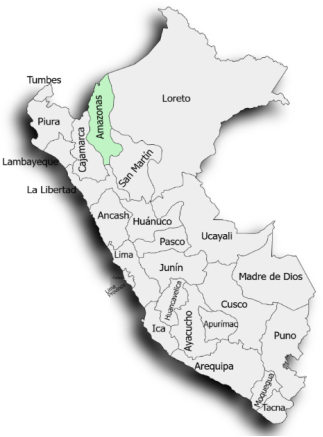
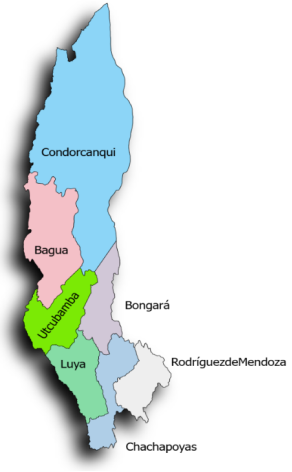
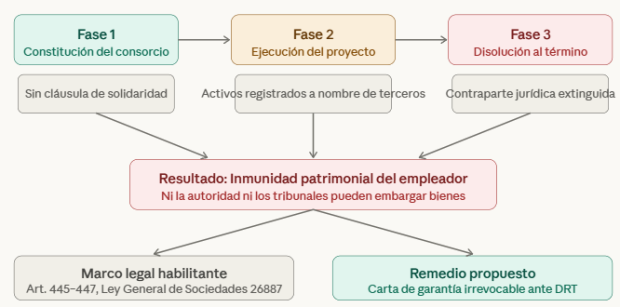
 Copy
Copy Download