Abstract
This article reports on an empirical study conducted among a cohort of pre-service teachers, aimed at enhancing their professional competencies within a university teacher training institute. Grounded in the theoretical and methodological framework of professional didactics, this research investigates how analyzing professional situations contributes to skill acquisition and psychological well-being. The variables measured throughout this inquiry include classroom management skills, individual reflective capacity, and situational stress perceived by the participants. The quantitative and qualitative findings reveal a statistically weak correlation between reflexivity and the development of professional competencies. Crucially, the data demonstrate no significant relationship between a teacher's reflective capacity and their level of perceived situational stress. These results suggest that while fostering reflexivity helps to enhance professional competencies and pedagogical reasoning, it is inherently insufficient to reduce the psychological burden and stress experienced by novice teachers in the classroom. Consequently, this study argues that professional training frameworks cannot rely solely on reflexive analysis to ensure occupational health. To bridge this gap, teacher education programs would significantly benefit from integrating explicit stress management practices, emotional regulation techniques, and coping strategies directly into their core curricula. By doing so, training institutes could offer a more holistic approach, combining cognitive professional development with the psychological resilience necessary for sustainable teaching careers.
Keywords
Vocational Teaching, Cooperative Learning, Classroom Management
1. Introduction
The tension between theoretical knowledge and practical execution lies at the heart of contemporary teacher education, particularly when preparing novices to master the complex dynamics of classroom management. In France, initial teacher training frameworks within the
Instituts Nationaux Supérieurs du Professorat et de l'Éducation (INSPE) heavily emphasize the development of reflexive analysis as the primary vector for professional growth. Grounded in the theoretical and methodological traditions of professional didactics
| [22] | Pastré, P. (2002). The analysis of work in vocational education. Revue française de pédagogie, 138, 9–17.
https://doi.org/10.3406/rfp.2002.2859 |
| [23] | Pastré, P. (2011). Learning situations and conceptualisation. Recherches en éducation, 12, 12–22.
https://doi.org/10.4000/ree.5085 |
| [24] | Pastré, P., Mayen, P., & Vergnaud, G. (2006). Professional pedagogy. Revue française de pédagogie, (154), 145–198.
https://doi.org/10.4000/rfp.157 |
[22-24]
, clinician-researchers argue that guiding pre-service teachers to systematically analyze real-world classroom situations enables them to construct more resilient, adaptive operational schemata. Through role-play, peer debriefings, and structured conceptualization-in-action, training devices aim to transform immediate, lived practice into generalized, intelligible professional resources
| [18] | Magendie, É., Boizmault, M., & Darnis, F. (2021). Peer co-analysis in initial teacher education: an opportunity for professional learning. Questions Vives. Recherches en éducation, (35). https://doi.org/10.4000/questionsvives.6515 |
[18]
.
However, the transition from university theory to immersive classroom responsibility is notoriously stressful for novices. Entry into the teaching profession is characterized by structural uncertainty, pupil heterogeneity, and sudden situational friction, which can easily destabilize a beginner's limited repertoire of resources. While vocational pedagogy has demonstrated effectiveness in accelerating pedagogical reasoning and specific instructional competencies, a critical blind spot persists regarding the psychological toll of this professional development. A growing body of international literature highlights that initial teacher preparation programs remain overly focused on cognitive and didactic outcomes, often neglecting the explicit development of cross-cutting psychosocial skills, social-emotional competence, and targeted stress-regulation mechanisms. In a professional landscape increasingly marked by workplace mental health challenges, institutional decline, and early-career burnout, relying solely on a teacher's reflective capacity to ensure occupational well-being may be an unsustainable strategy.
While existing research on reflective practice frequently relies on retrospective narratives or large-scale quantitative self-reports
| [17] | Lopez, L. M., & Vanhulle, S. (2008). Chapter 9. Portfolios and co-assessment interviews: levels for the professionalization of young teachers. In Évaluer pour former (pp. 143-158). De Boeck Supérieur.
https://doi.org/10.3917/dbu.baill.2008.01.0143 |
[17]
, there remains a distinct empirical gap in understanding how structured tracking tools serve as real-time cognitive anchors for novices, and how this explicit reflection interacts with the physiological reality of perceived situational stress. To address this gap, this exploratory multiple-case study tracks a cohort of primary pre-service teachers in central France during a highly sensitive professional pivot: class transition periods. By tracking individual trajectories over a five-week immersive placement, this study challenges the assumption of linear tool adoption and investigates whether enhanced reflexivity mechanically alleviates the psychological burden of the classroom. Specifically, this inquiry is structured around three interconnected research questions:
How do pre-service teachers appropriate and utilize a co-designed self-assessment grid within their professional practice throughout the training program ?
What individual and group trajectories of perceived psychological stress (measured via the MSP-9 scale
| [16] | Lemyre, L., & Tessier, R. (2003). Measuring psychological stress. Concept, model, and measurement instrument in primary care research. Canadian Family Physician, 49, 1159. |
[16]
) emerge during this period of grid utilization?
What is the precise relationship between the self-assessment of professional skills and the final perceived situational stress level within this cohort?
Moreover, the relationship between theory and practice is central to the trainers’ efforts to help students become teachers who are competent in classroom management. This research examines the links between professional competence, reflexivity and experience in teacher training in France. In vocational pedagogy, it appears that training devices contribute to the development of cross-cutting psychosocial skills (such as reflective thinking on dilemmas and emotional regulation). In our view, they also play a significant role in the acquisition of specific professional practices that enable learners to cope with stressful or uncertain situations. According with Pastre’s works, this operational effectiveness is explained by Professional didactics
, which demonstrates that reflective analysis enables teachers to construct more appropriate schemata by testing the principles they hold to be true and operational in the face of the complexity of real-world situations, as evidenced by the work of Vergnaud and Vinatier
| [32] | Vergnaud, G. (1996). Au fond de l'action, la conceptualisation [Conceptualisation at the heart of action]. In J.-M. Barbier (Ed.), Savoirs théoriques et savoirs d'action (pp. 275–292) [Theoretical knowledge and practical knowledge]. Presses Universitaires de France. |
| [34] | Vinatier, I. (2009). Pour une didactique professionnelle de l'enseignement [Towards a professional approach to teaching methodology]. Presses Universitaires de Rennes. |
[32, 34]
, Research conducted by Vyas et al. in the field of healthcare professional training thus shows that facing any kind of emergency situation is stressful for novices, all the more so when they can rely only on prior knowledge that has not yet been contextualised within a professional setting
| [4] | Bouffartigue, P. (2014). Occupational Health: Sociological Perspectives. Introduction to the Corpus. La nouvelle revue du travail, (4). |
[4]
. Applying this to the field of education, we suggest that role-play, reflective analysis and conceptualisation in action promote the gradual acquisition of appropriate skills that can be applied in real-life contexts.
Research highlights that the integration of psychosocial skills into initial teacher training remains limited but is growing as evidenced by the work of Wu, Zhu, Tian, & Kang,
| [37] | Wu, S., Zhu, X., Tian, G., & Kang, X. (2023). Exploring the relationships between preservice preparation and student teachers’ social-emotional competence in teacher education: Evidence from China. Sustainability, 15(3), 2172.
https://doi.org/10.3390/su15032172 |
[37]
. Research on mental health support in university settings shows that targeted interventions can improve pre-service teachers’ ability to cope with the stress and demands of the profession, thereby strengthening their professional development and effectiveness in the classroom.
2. Theoretical Framework
2.1. Conceptualisation
At present, the current training programme in France appears to highlight a lack of student psychosocial skills acquired during their training. The concept of vocational pedagogy comprises two dimensions: a theoretical dimension (the provision of tools and knowledge) and a practical dimension (conceptualisation through action) and is organised around three theoretical strands: developmental psychology, cognitive ergonomics and pedagogy
. It focuses on the learning and teaching processes specific to work situations and seeks to understand how individuals acquire, develop and apply knowledge, skills and attitudes in a professional context. In fact, the aim of didactics
is to reconcile the demands of the world of work with the objectives of training, whilst considering the specific characteristics of each profession and the contexts in which they are practised.
Conceptualisation becomes the linchpin linking the practical realm (the actual execution) to the theoretical realm (the understanding and anticipation of the invariants of the action), and its improvement cannot be achieved without ‘at least a partial theorisation of the elements of which it is composed’
| [25] | Poizat, G., Drakos, A., Ambrosetti, Flandin, S., Ria, L., & Leblanc, S. (2024). Enactive design-based research in vocational and continuing education and training. Vocations and Learning, 17(3), 537-563 https://doi.org/0.1007/s12186-024-09348-z |
[25]
, p. 280. Whilst the paradigm contrasting theoretical knowledge (theory) with action-based knowledge (practice) is gradually fading, the well-known paradigm contrasting theoretical knowledge (theory) with action-based knowledge (practice)—which underpins a great many individual and collective representations
| [2] | Barbier, J.-M. (2015). Introduction. In J.-M. Barbier (ed.), Theoretical Knowledge and Practical Knowledge (3rd ed., pp. 1–17). Presses Universitaires de France. ISBN de l'ouvrage (3e édition, 2011). |
[2]
— shows us that ‘theory is that which belongs to the realm of the universal, the abstract, the “highlands”, the deductive, the applicable, and that which can be transposed into practice. Conversely, practice is that which belongs to the realm of the contingent, the local, the ephemeral, the complex, the uncertain, the ‘lowlands’, the inductive – that which nourishes theory’
| [2] | Barbier, J.-M. (2015). Introduction. In J.-M. Barbier (ed.), Theoretical Knowledge and Practical Knowledge (3rd ed., pp. 1–17). Presses Universitaires de France. ISBN de l'ouvrage (3e édition, 2011). |
[2]
(p. 7). This development leads us ‘to re-examine the relationship between theoretical knowledge and practical knowledge’
| [2] | Barbier, J.-M. (2015). Introduction. In J.-M. Barbier (ed.), Theoretical Knowledge and Practical Knowledge (3rd ed., pp. 1–17). Presses Universitaires de France. ISBN de l'ouvrage (3e édition, 2011). |
[2]
, p. 6. In this sense, improving an activity cannot be reduced to the mere repetition of experience: it requires making sense of its constituent parts. In other words, making progress in practice requires not only doing, but also understanding what one is doing.
| [8] | Ciavaldini-Cartaut, S. (2009). History of joint activity in the field training of secondary school teachers: toward a developmental psychology of adult activity in training (Doctoral dissertation, Université d'Aix-Marseille I). HAL SHS.
https://shs.hal.science/tel-00472312/ |
| [14] | Lantheaume, F. (2007). Teaching activity between prescription and reality: ruses, small pleasures, suffering. Éducation et sociétés, 19(1), 67-81.
https://doi.org/10.3917/es.019.0067 |
[8, 14]
therefore hypothesise that: ‘when constructive activity is accompanied by a reflective dimension – whether this reflectiveness is expressed whilst the action is taking place or simply afterwards – one of the conditions is met for the constructive activity to foster development’. This is why they attach great importance to work-based learning, and to debriefing sessions which, through the use of language, enable learners to conceptualise their actions
. During reflective analysis guided by the teacher or trainer, the aim is to develop a ‘non-spontaneous use of concepts, rich in empirical content and applied in concrete situations’
| [27] | Ria, L. (2009). From the analysis of novice teachers' activity in challenging areas to the design of training programs. In Travail et formation des adultes (pp. 217–243). Presses Universitaires de France. https://doi.org/10.3917/puf.duran.2009.01.0217 |
[27]
p. 369. It is therefore the experience gained in a real-life situation that provides an opportunity to carry out the process of pragmatic elaboration. This presupposes, however, that reflection on practical experience is not merely an analysis of what has been done. It also involves reflecting on one’s own activity of understanding and interpreting situations. It is on this condition that reflective analysis can enable the trainee not only to generalise and abstract, but also to achieve a subjective ‘detachment’ from what is constructed through experience
| [12] | Escalié, G. & Magendie, É. (Eds.). (2019). Integrative work-study training and teacher education. Bordeaux: Presses universitaires de Bordeaux, 179 p. ISBN: 979-10-300-0310-9. Recherche et formation. |
[12]
.
The ‘secondarisation’ of professional experience is a concept derived from educational sciences, vocational pedagogy and work analysis. Drawing on the work of researchers such as Élisabeth Bautier and Roland Goigoux,
| [3] | Bautier, É., & Goigoux, R. (2004). Learning difficulties, secondarization processes and teaching practices: a relational hypothesis. Revue française de pédagogie, 89-100.
https://doi.org/10.3406/rfp.2004.3252 |
[3]
this concept refers to the process of transforming an experience gained through action (immediate practice) into an object of thought, knowledge and theorisation (secondary meaning)
2.1.1. Social Interactions
It is precisely here, in our view, that the role of interactions comes into its own. Putting the experience into words – whether individual or collective – makes it possible to transform lived practice into an intelligible resource. Approaches that encourage co-analysis amongst peers, in conjunction with a trainer, provide essential support: they enable participants to compare viewpoints, make implicit reasoning explicit and identify consistent patterns of action. Several studies show that these collaborative spaces constitute genuine opportunities for professional learning, as they make visible the processes of conceptualisation that would otherwise remain implicit
. The ‘schema-situation’ pair forms the basis of a learning process through active adaptation’
| [12] | Escalié, G. & Magendie, É. (Eds.). (2019). Integrative work-study training and teacher education. Bordeaux: Presses universitaires de Bordeaux, 179 p. ISBN: 979-10-300-0310-9. Recherche et formation. |
[12]
(p. 12). Theory and practice are therefore not to be separated but form the basis of ‘cross-fertilisation’
(p. 1). Escalié and Magendie
| [12] | Escalié, G. & Magendie, É. (Eds.). (2019). Integrative work-study training and teacher education. Bordeaux: Presses universitaires de Bordeaux, 179 p. ISBN: 979-10-300-0310-9. Recherche et formation. |
[12]
propose a concept based on ‘integrative alternation’, which they define ‘as a way of facilitating exchanges between theory and practice’
| [13] | Fradet-Hannoyer, M., & Bishop, M. F. 67| 2023 What changes are taking place in the field of French language teaching in primary schools? Repères (research in the teaching of French as a mother tongue).
https://doi.org/10.4000/reperes.5656 |
[13]
p. 1 by modelling ‘the situation of alternation that articulates the temporalities, tensions and obstacles arising during training’
| [18] | Magendie, É., Boizmault, M., & Darnis, F. (2021). Peer co-analysis in initial teacher education: an opportunity for professional learning. Questions Vives. Recherches en éducation, (35). https://doi.org/10.4000/questionsvives.6515 |
[18]
p. 2. The aim, according to them, is to guide the new professionals seeking to find their place within this institution.
2.1.2. Analysis of Professional Activity
The perspective adopted in activity-based clinical practice is to understand the dynamics of the subject’s action
| [8] | Ciavaldini-Cartaut, S. (2009). History of joint activity in the field training of secondary school teachers: toward a developmental psychology of adult activity in training (Doctoral dissertation, Université d'Aix-Marseille I). HAL SHS.
https://shs.hal.science/tel-00472312/ |
[8]
. However, this is not merely a matter of studying the mechanisms of action, but also of examining the mechanisms underlying the development of action, whereby action is perceived as the result of a complex process in which perceptions and intentions are successively intertwined. By highlighting the action carried out as one of the possibilities for action, activity-based clinical practice aims to encourage professionals to adopt new courses of action by seeking to find ‘pathways to transformative action’
(p. 68). To achieve this, it is necessary to establish ‘dialogical frameworks so that individuals can develop a new form of activity based on their previous activities, which affects their working situation and impacts their profession’
(p. 67). However, the ‘reality of the activity is also what is not done, what one seeks to do without succeeding […] what one would have liked or could have done, what one thinks one could do elsewhere. To this must be added […] what one does in order not to do what needs to be done. To do is very often to redo and undo
| [20] | Moussay, S., & Serres, G. (2016). Chapter 14. Learning to become a teacher educator: towards a new professionality. In Learning to teach (pp. 209-220). Presses Universitaires de France. https://doi.org/10.3917/puf.borer.2016.01.0209 |
[20]
. Consequently, drawing on Vygotsky’s work,
| [8] | Ciavaldini-Cartaut, S. (2009). History of joint activity in the field training of secondary school teachers: toward a developmental psychology of adult activity in training (Doctoral dissertation, Université d'Aix-Marseille I). HAL SHS.
https://shs.hal.science/tel-00472312/ |
| [36] | Vygotsky, L. S. (1997). Pensée et langage (F. Sève, Trans.; 3rd ed.) [Thought and language]. La Dispute. (Original work published 1934). |
[8, 36]
incorporates the idea of the development of activity as a subject that challenges the invariants of development, regularities, laws and driving forces.
Optimising teacher training is a key area for consideration with a view to improving education systems. In this context, the principle of alternating between university and schools is recognised as a central organising principle of initial professional teacher training
| [6] | Bucheton, D., & Soulé, Y. (2009). Professional practices and the interplay of teachers’ postures in the classroom: a multi-faceted set of embedded concerns. Éducation & didactique, 3(3), 29–48. https://doi.org/10.4000/educationdidactique.543 |
[6]
. However, whilst there is a consensus in principle on making work-study programmes an integrative feature, the approaches to and organisational arrangements for such programmes vary
| [11] | Demonty, I., & Celi, V. (2023). Teacher training devices and practices: How do interactions between trainers and teachers foster the latter's professional development?. Nouveaux cahiers de la recherche en éducation, 25(3), 1–5.
https://doi.org/10.7202/1111942ar |
[11]
. Nevertheless, research findings and institutional guidelines suggest favouring an ‘integrative’ form of work-study programme, organised by training teams
| [15] | Leblanc, S., & Ria, L. (2014). Designing the Néopass@ction platform based on modeling of beginning teachers' activity. Design and Technology Education: An International Journal, 19(2), 40–51. https://doi.org/10.24377/DTEIJ.article1632 |
[15]
.
The perspective adopted in activity-based clinical practice is to understand the dynamics of the subject’s action
. However, this is not merely a matter of studying the mechanisms of action, but also of examining the mechanisms underlying the development of action, whereby action is perceived as the result of a complex process in which perceptions and intentions are successively intertwined. By highlighting the action carried out as one of the possibilities for action, activity-based clinical practice aims to encourage.
Activity-based clinical practice is therefore distinguished by its objective: to transform work by analysing work. It is not limited to describing activity but seeks to foster the development of the capacity for action
and to restore the link between professional effectiveness and psychological well-being. In the case of the teaching profession, it highlights the contradictions inherent in educational work—between autonomy and control, pedagogical ideals and institutional constraints—and regards these tensions not as obstacles, but as potential resources for development. Thus, whilst Theureau works analyses the lived meaning of action
| [31] | Theureau, J. (2004). Le cours d'action: méthode élémentaire [The course of action: Elementary method]. Presses Universitaires de France. |
[31]
, according with Sensevy theory
examines the structure of teaching interactions
| [25] | Poizat, G., Drakos, A., Ambrosetti, Flandin, S., Ria, L., & Leblanc, S. (2024). Enactive design-based research in vocational and continuing education and training. Vocations and Learning, 17(3), 537-563 https://doi.org/0.1007/s12186-024-09348-z |
[25]
Clot’s invites us to understand the teaching profession as a space of fruitful conflict, where the confrontation between prescribed norms and reality becomes the driving force behind professional development. Alongside these frameworks of understanding
.
2.1.3. Teaching Practice Analysis
Bourbao’s work
| [5] | Bourbao, M., & Ramon, F. (2020). First years of teaching. Retz. |
[5]
, by highlighting the rationales for action that structure classroom management throughout a lesson, offers a detailed understanding of the temporal dynamics of teaching practice. Complementing this analysis of the continuities and breaks that punctuate the progression of the lesson, Bucheton and Soulé
| [6] | Bucheton, D., & Soulé, Y. (2009). Professional practices and the interplay of teachers’ postures in the classroom: a multi-faceted set of embedded concerns. Éducation & didactique, 3(3), 29–48. https://doi.org/10.4000/educationdidactique.543 |
[6]
offer a perspective that focuses more closely on the professional practices and concerns that guide teachers’ actions within these different phases. Their ‘multi-agenda’ model aims to highlight the subtle adjustments, priorities, interactional strategies and didactic actions employed by the teacher to organise, support and regulate learning, whilst taking into account the specific context of the classroom and its material, organisational and social constraints. Preparing to act ‘means learning to combine the various variables of a teaching and educational situation’ (Bucheton and Soulé, 2009, p. 30). In their multi-agenda analysis model, they
| [6] | Bucheton, D., & Soulé, Y. (2009). Professional practices and the interplay of teachers’ postures in the classroom: a multi-faceted set of embedded concerns. Éducation & didactique, 3(3), 29–48. https://doi.org/10.4000/educationdidactique.543 |
[6]
, seek to facilitate an understanding of teachers’ professional practices in ‘adapting to the wide variety of variables in any situation (managing time, interactions, knowledge, tasks, the relationship to knowledge, pupils’ attitudes, artefacts, etc.) ’
| [21] | Numa-Bocage, L. (2007). Didactic mediation: a concept for thinking about the teacher's registers of help. Carrefours de l'éducation, 23(1), 55-70.
https://doi.org/10.3917/cdle.023.0055 |
[21]
(p. 29). To this end, they have identified five central concerns in classroom teaching as ‘pillars. The analysis of teaching practice can draw on a body of research which, although developed within distinct approaches, converges to shed light on the way in which teachers organise, regulate and direct their actions in the classroom. Rather than considering the rationales for action
| [5] | Bourbao, M., & Ramon, F. (2020). First years of teaching. Retz. |
[5]
, professional concerns
| [6] | Bucheton, D., & Soulé, Y. (2009). Professional practices and the interplay of teachers’ postures in the classroom: a multi-faceted set of embedded concerns. Éducation & didactique, 3(3), 29–48. https://doi.org/10.4000/educationdidactique.543 |
[6]
support strategies
| [6] | Bucheton, D., & Soulé, Y. (2009). Professional practices and the interplay of teachers’ postures in the classroom: a multi-faceted set of embedded concerns. Éducation & didactique, 3(3), 29–48. https://doi.org/10.4000/educationdidactique.543 |
[6]
or the resources mobilised in the action
| [3] | Bautier, É., & Goigoux, R. (2004). Learning difficulties, secondarization processes and teaching practices: a relational hypothesis. Revue française de pédagogie, 89-100.
https://doi.org/10.3406/rfp.2004.3252 |
| [5] | Bourbao, M., & Ramon, F. (2020). First years of teaching. Retz. |
[3, 5]
, it is worth emphasising that these frameworks can be considered together to better understand what is at play in the activity.
Research into teachers’ professional development highlights the importance of approaches that combine experience, reflection on practice and support
| [11] | Demonty, I., & Celi, V. (2023). Teacher training devices and practices: How do interactions between trainers and teachers foster the latter's professional development?. Nouveaux cahiers de la recherche en éducation, 25(3), 1–5.
https://doi.org/10.7202/1111942ar |
[11]
. In his works, Ria
| [27] | Ria, L. (2009). From the analysis of novice teachers' activity in challenging areas to the design of training programs. In Travail et formation des adultes (pp. 217–243). Presses Universitaires de France. https://doi.org/10.3917/puf.duran.2009.01.0217 |
[27]
; Poizat et al.
| [27] | Ria, L. (2009). From the analysis of novice teachers' activity in challenging areas to the design of training programs. In Travail et formation des adultes (pp. 217–243). Presses Universitaires de France. https://doi.org/10.3917/puf.duran.2009.01.0217 |
[27]
highlight that novice teachers enter the teaching profession with a limited repertoire of resources, which are often undermined by recurring classroom pressures: the unexpected, the heterogeneity of pupils, time management and the multitude of tasks. In this context, the work is characterised by unforeseen events or surprises, which, depending on the circumstances, may be experienced by those involved as resources for acting or as constraints that limit or even bring the situation to a standstill
| [15] | Leblanc, S., & Ria, L. (2014). Designing the Néopass@ction platform based on modeling of beginning teachers' activity. Design and Technology Education: An International Journal, 19(2), 40–51. https://doi.org/10.24377/DTEIJ.article1632 |
[15]
.
2.2. The Role of Artefacts
From the perspective of ergonomics and vocational pedagogy, Rabardel
attributes a central role to artefacts in the development of activities and skills. An artefact is defined as ‘any object, process or effect produced by human beings, regardless of its usefulness
| [33] | Verillon, P., & Rabardel, P. (1995). Cognition and artifacts: A contribution to the study of though in relation to instrumented activity. European journal of psychology of education, 77-101. https://doi.org/10.1007/BF03172914 |
[33]
and, in scientific experimentation, also refers to ‘a result or fact produced not by what is being experimented upon, but by the experimenter, apparatus or procedure’
| [33] | Verillon, P., & Rabardel, P. (1995). Cognition and artifacts: A contribution to the study of though in relation to instrumented activity. European journal of psychology of education, 77-101. https://doi.org/10.1007/BF03172914 |
[33]
(p. 3). Thus, according to a Vygotskian approach, the artefact, by virtue of its existence, can lead to a complete reorganisation of activity, as it possesses the capacity for emergence. It shapes human action and opens up new perspectives. It is within this framework that Vygotsky considers that the use of a tool brings about a profound transformation of psychological processes, which he refers to as ‘an instrumental act
| [28] | Rogalski, J. (2003). Is there a pilot in the classroom? An analysis of the teacher’s role in managing a dynamic, open environment. Research in Mathematics Education, 23(3), 343–388. |
[28]
. This transformation requires the mobilisation of knowledge, routines and strategies that form part of a situational, contextual dynamic. This ties in with the work of Rabardel
, who follows this line of thought in which human beings ‘instrumentalise’ the world, turning it into artefacts: ‘any design, manufacture and/or use of a material object (a tool, for example) or a symbolic object (such as knowledge, for instance) is accompanied by an “instrumental genesis”.
In their work, Numa Bocage et al.
| [21] | Numa-Bocage, L. (2007). Didactic mediation: a concept for thinking about the teacher's registers of help. Carrefours de l'éducation, 23(1), 55-70.
https://doi.org/10.3917/cdle.023.0055 |
[21]
show that these initiatives provide novice teachers with dedicated spaces in which to develop their professional skills. These spaces provide favourable conditions for novice teachers to make explicit aspects of their practice that are normally implicit, particularly their ‘knowledge of action. These various initiatives also encourage the comparison of teaching practices amongst peers, enabling, amongst other things, the identification of patterns in situations or ‘operational invariants’
| [32] | Vergnaud, G. (1996). Au fond de l'action, la conceptualisation [Conceptualisation at the heart of action]. In J.-M. Barbier (Ed.), Savoirs théoriques et savoirs d'action (pp. 275–292) [Theoretical knowledge and practical knowledge]. Presses Universitaires de France. |
[32]
that structure the teaching process.
2.3. Coping with Stress in Teaching
Psychosocial risks (PSRs) are occupational risks of varied origins and natures that compromise the physical integrity and mental health of employees, thereby affecting the proper functioning of organizations. Recently, these risks have become firmly embedded in issues and practices concerning mental health in the workplace
| [7] | Bruchon-Schweitzer, M., & Boujut, É. (2021). Psychologie de la santé: concepts, méthodes et modèles (2nd ed.) [Health psychology: concepts, methods, and models]. Dunod.
https://doi.org/10.3917/dunod.bruch.2021.01 |
[7]
They are termed "psychosocial" because they exist at the "interface between the individual (the 'psycho-' component) and their work situation—that is, their interactions with others (management, colleagues, clients, etc.
Although psychosocial risks (PSRs) are present in many professional sectors, burnout appears particularly significant in the "care" professions, notably those related to healthcare and education—which rely on a high level of interpersonal involvement and responsibility toward others
. These professions are more exposed to risks to mental health, partly because they demand deeper personal commitment, one that blurs the lines between an individual’s personal and professional life. Increasingly, teachers are compelled to "expose their own selves in order to manage situations characterized by greater uncertainty and a context of institutional decline"
| [37] | Wu, S., Zhu, X., Tian, G., & Kang, X. (2023). Exploring the relationships between preservice preparation and student teachers’ social-emotional competence in teacher education: Evidence from China. Sustainability, 15(3), 2172.
https://doi.org/10.3390/su15032172 |
[37]
(p. 55).
In his PERMA model,
identifies five core dimensions of well-being: positive emotions, engagement, relationships, meaning, and accomplishment. This approach also highlights the importance of personal strengths and resilience—understood as the capacity to cope with difficulties and adapt to challenging situations. When applied to the professional context, it suggests that well-being should be viewed not merely as the absence of distress or stress, but as the presence of resources that enable individuals to grow, engage sustainably in their work, and maintain a healthy psychological state.
Stress can be acute or chronic. It profoundly influences human activity: stemming from professional, social, or personal pressures, it can impair concentration, health, and performance. Understanding its causes and effects is essential for managing it effectively and safeguarding one’s well-being.
Acute stress can be defined as "particularly intense but short-lived stress." If the situation disappears, the stress disappears as well.
Chronic stress, by contrast, persists over time and can have deleterious effects on health.
Chronic stress is enduring in nature. It becomes pathological when it exceeds an individual’s adaptive capacity and leads to psychological, somatic, social, or professional repercussions. This form of stress is more akin to "dispositional" stress, which takes into account an individual’s personality, life events, mental representations, and beliefs: "Stress is not merely a property of 'objective' events, but rather each individual’s experience of those events (their perception of the situation, the meaning attributed to the events, and their knowledge and beliefs regarding coping strategies and their effectiveness...)"
| [7] | Bruchon-Schweitzer, M., & Boujut, É. (2021). Psychologie de la santé: concepts, méthodes et modèles (2nd ed.) [Health psychology: concepts, methods, and models]. Dunod.
https://doi.org/10.3917/dunod.bruch.2021.01 |
[7]
(p. 68). This type of stress arises when a stressor persists and the individual lacks the capacity to recover, or when multiple stressors accumulate, leaving the individual without the time or means to recover
| [19] | Massenet, C., Darnis, F., Gerville-Réache, L., & Epinoux, N. (2025). Academic Journal of Educational Research and Management. Academic Journal of Educational Research and Management, 9(11), 30-43.
https://iigdpublishers.com/article/1002 |
[19]
.
2.4. Research Questions
The field trial therefore focuses on a training program at a Higher Institute for Teacher Training and Education (INSPE) in central France. The study examines five case studies of trainee primary school teachers. These trainees alternate between weeks of immersive teaching placements, during which they take on responsibility for a class, and periods of training at the INSPE.
We will consider the extent to which, and the ways in which, reflective practice and professional development are interlinked. On the other hand, we will examine the relationship between professional competence and the perception of stress.
While existing research on reflective practice often relies on retrospective narratives, this study contributes to the field by illustrating how structured tracking tools serve as cognitive anchors for real-time reflection. Furthermore, regarding artefact appropriation, these five contrasting cases challenge the assumption of linear tool adoption. They demonstrate that the appropriation of a self-assessment grid is highly idiosyncratic, mediated by individual psychological baselines, and can result in divergent trajectories—ranging from rapid stress reduction to transient cognitive friction."
So that it explicitly lists three interconnected questions. Here is the perfect 3-question alignment structure:
1) how do participants appropriate and utilize the self-assessment grid throughout the training program?
2) What individual and group trajectories of perceived psychological stress (MSP-9) emerge during this period of grid utilization? And
3) What is the relationship between the self-assessment of professional skills and the final perceived stress level?
3. Materials and Methods.
This is an exploratory multiple-case study with repeated observations and descriptive quantitative measures,
3.1. Development of the Grid
Following an initial collaborative workshop on a group of five student elementary school teachers in France, at a university-based teacher training institute. The researcher drew up a first draft of a self-assessment grid based on the analyses produced collectively by the trainee teachers. This initial version was based on the professional competences, patterns of action and recurring difficulties identified during the analysis of classroom transition situations. The various elements highlighted during the discussions were organised into categories corresponding to the main challenges of these situations, with a view to providing an initial framework for analysing the activity. Initially, the first draft of the grid was submitted to experienced teachers acting as trainee teacher mentors. They were then asked to analyse the same class transition situations, using video recordings of trainee teachers, without knowing the identities of the participants involved. The aim was to compare the categories derived from the initial collective analyses with the perspectives of experts in teacher training. The trainers identified the professional skills employed, discussed the relevance of the various indicators and put forward proposals for adjustments to the wording and structure of the framework. To strengthen the validity of this approach, each trainer then carried out, independently, at analysis of the videos using a double-blind procedure. A comparison of these analyses highlighted the similarities and differences in interpretation and enabled the selected indicators to be refined prior to the development of the final version of the assessment grid. This comparison led to an interim version of the tool, which was then presented to the trainee teachers during the second collaborative workshop. The discussions held on that occasion, enriched by the new analyses produced collectively, led to a final round of adjustments carried out by the researcher, resulting in a finalised version of the self-assessment grid.
3.2. Use of the Grid
Three days after this second workshop, the finalised version of the checklist was sent to the 5 participants. They were then given a period of approximately three weeks to use it independently in their professional practice, particularly during class transition periods, prior to the final video recording.
During the three weeks leading up to the final video recording, the trainee teachers were asked to use the self-assessment grid at least twice a week. They were asked to complete a grid following a transition situation observed in their own classroom. The grid had to be completed immediately after the observed situation, in order to ensure that the analysis reflected the activity as closely as possible. The grids served as an analytical tool for assessing changes in professional practices across the different stages of the programme. Like the wealth of verbatim accounts gathered during the cooperative workshops, this demonstrates their commitment to this reflective process, whilst remaining subject to the constraints specific to the placement context. During the trial period, the five trainee teachers completed between five and nine grids, an average of seven grids per participant.
3.3. Assessment of Perceived Stress
Perceived stress in the classroom setting was measured using the tool MSP9 developed by Lemyre & Tessier
| [16] | Lemyre, L., & Tessier, R. (2003). Measuring psychological stress. Concept, model, and measurement instrument in primary care research. Canadian Family Physician, 49, 1159. |
[16]
and used by Massenet et al.
| [19] | Massenet, C., Darnis, F., Gerville-Réache, L., & Epinoux, N. (2025). Academic Journal of Educational Research and Management. Academic Journal of Educational Research and Management, 9(11), 30-43.
https://iigdpublishers.com/article/1002 |
[19]
to analyze stress factors.in the preservice teacher’s classroom.
This tool was used before the self-assessment period and then after the assessment period.
3.4. Consent & Classroom Filming
Prior to filming, written informed consent was obtained from all participating trainees. Regarding the pupils present in the classroom, written informed consent/assent was secured from [their parents) and assent was obtained from the pupils themselves, in strict accordance with [french national education] regulations. No filming took place without these explicit permissions, and any non-consenting individuals were kept out of the camera's field of view.
3.5. Data Privacy, Storage, and Anonymization
To protect privacy, all video recordings and assessment data were strictly anonymized upon collection using pseudonyms. Digital files are securely stored on encrypted, password-protected servers hosted by [Institution Name], accessible only to the core research team. All data will be retained for
| [5] | Bourbao, M., & Ramon, F. (2020). First years of teaching. Retz. |
[5]
years before secure deletion, in compliance with GDPR and institutional guidelines.
4. Results
4.1. Pre-Service Teachers' Perceptions of the Self-Assessment Grid
The qualitative feedback from the open-ended questionnaires reveals highly individualized modalities of tool appropriation, illustrating that a single artifact can support distinct reflective and professional needs depending on the user’s cognitive baseline.
1) Participant A utilized the grid primarily for its structuring function, noting that it provided "an overview of the essential elements for effective classroom management". It served as a roadmap to baseline her pedagogical reasoning during complex classroom transitions. However, she reported that its regular administration generated an additional workload.
2) Participant B approached the grid as a vehicle for deepening practice analysis, emphasizing its capacity to help her "go even further in analyzing practice so as to continually improve".
3) Participant C focused on immediate self-regulation, stating that the tool allowed her to "refine self-analysis" and engage in real-time self-correction during professional actions.
4) Participants D and E both highlighted the structural limits of memory-based reflection. Participant D observed that it is "difficult to analyze oneself, especially without footage," while Participant E reinforced this by explaining that video recordings combined with peer debriefings offered a significantly more objective diagnostic resource than the grid alone.
4.2. Quantitative Evolution and Exploratory Statistical Analysis
Evolution of Perceived Psychological Stress (MSP-9)
At the group level, the mean MSP-9 stress score decreased from 39.6 (\(SD = 17.5\)) at the beginning of the school year to 30.2 (\(SD = 10.4\)) at the end of the intervention, representing a descriptive reduction of 9.4 points. However, individual trajectories were highly contrasted (
Table 2). Participants D and E experienced substantial stress reductions (with Participant E exhibiting a major drop of 47 points). Conversely, Participant B’s perceived stress increased by 19 points, while Participants A and C displayed total stability.
Given the small sample size (\(n = 5\)), a two-tailed Wilcoxon signed-rank test was conducted to analyze these paired modifications without violating normality assumptions. The test confirmed that this descriptive reduction was not statistically significant (\(W = 1.5, \, p = 0.414\)), highlighting the absence of a uniform programmatic effect across all profiles.
Table 1. Individual and Group Evolution of Perceived Situational Stress (MSP-9).
Subject | Initial Stress Level (/72) | Final Stress Level (/72) | Net Evolution |
A | 36 | 36 | 0 |
B | 24 | 43 | +19 |
C | 23 | 23 | 0 |
D | 51 | 32 | -19 |
E | 64 | 17 | -47 |
Bivariate Correlational Explorations
To evaluate the interplay between professional skills, reflexivity, and final psychological outcomes, exploratory non-parametric correlation analyses were performed.
1) Professional Skills vs. Reflexivity (
Table 1): The Spearman rank-order correlation coefficient between the participants’ classroom management scores and their observed levels of reflexivity was weak and non-significant (\(\rho = -0.186, \, p = 0.764\)).
2) Professional Skills vs. Final Stress Level (
Table 3): To facilitate joint visualization on the competencies map, final stress scores were linearly rescaled to a 5-point scale (dividing the original score out of 72 by 14.4). The Spearman correlation between rescaled final stress and professional competencies revealed no monotonic trend within this small cohort (\(\rho = 0.00, \, p = 1.00\)).
Table 2. Professional Skills vs. Final Stress Level.
Subject | Professional Skills Score (/5) | Rescaled Final Stress (/5) |
A | 2.0 | 2.50 |
B | 3.0 | 2.99 |
C | 2.0 | 1.59 |
D | 4.0 | 2.22 |
E | 3.0 | 1.18 |
Table 3. Professional Competency Scores and Level of Reflexivity.
subjects | Professional Skills | réflexivity |
A | 2 | 3 |
B | 3 | 2 |
C | 2 | 3 |
D | 4 | 3 |
E | 3 | 3 |
Figure 1. Indicators of Professional Competencies and Level of Reflexivity map.
It appears that there is light correlation between professional competence and reflective competence among this group of five student teachers. Nevertheless, the results highlight that the self-positioning grid is utilised in diverse ways depending on the participant. Whilst all recognise its value as a tool for analysing their practice, the functions they attribute to it, the ways in which they use it, and the limitations they show vary from one participant to another. These differences lead us to view the grid not as a tool producing identical effects, but as an artefact whose appropriation appears to be specific to each participant, linked to her experience, her role and her professional context. The questionnaire responses primarily provide information on the perceived uses of the grid and do not, on their own, allow us to show its role in a potential transformation.
The case of A is particularly illuminating. An analysis of her work reveals several factors that help to explain her difficulties and suggest new courses of action. The participant thus demonstrates a capacity for self-reflection that enables her to take a step back from her work and find certain factors underlying her difficulties. However, these developments in self-reflection are not necessarily accompanied by a reduction in stress or by a concomitant and sustained increase in self-efficacy and observable skills. Self-reflection therefore appears to be a resource capable of supporting development, but one whose effects depend on the conditions under which it is practised and on the possibility of effectively transforming ways of acting.
B’s approach can be understood through the framework that structures the way they manage transitions. This framework appears to be geared towards ensuring pupils move swiftly on to the next activity, whilst supporting a calm classroom atmosphere and minimising distractions that might disrupt the flow of the transition. Established routines, anticipation, positioning in relation to the group and visual supervision appear to be relatively well-established aspects of his approach.
The case of C allows us to take this discussion a step further. C also displays evidence of significant reflective work and an ability to analyse their own activity. This finding is particularly interesting considering the relationship between the various dimensions studied in this research: being able to understand one’s work and find one’s difficulties does not necessarily mean that these at once become less emotionally taxing. In certain situations, this awareness may even make the demands and tensions inherent in the activity clearer, without the individual yet having sufficiently established resources to regulate them.
For C, the self-assessments show a gradual broadening of the factors considered in the analysis of his work. However, this stability in the observable indicators does not imply a lack of development: the self-reflection interviews and self-assessments highlight increased reflexivity, notably through clearer articulation and conceptualization of his work and a more nuanced awareness of how he gathers information from his environment.
D’s profile can thus be characterized as one of professional development coupled with a reduction in psychological stress. The various data sources point to a shift in the organization of work and a broader mobilization of observable professional skills. Professional and psychosocial resources appear to be increasingly well integrated into practice, particularly in relation to anticipation and the regulation of attention.
At least, the use of the self-positioning grid does not produce the same effects across participants.
This finding can be interpreted in the light of Rabardel’s works
: the same artefact can give rise to different uses because its appropriation depends on the subject’s activity, their prior knowledge, their goals and the conditions under which it is used. The artefact provided by the training program does not, therefore, constitute a resource in its own right; it may become one through the process of appropriation and instrumental construction conducted by the professional.4
Changes in stress levels among the 5 participants.
Table 4. Professional skills and stress level.
subjects | Professional Skills /5 | Final stress/5 |
A | 2 | 2,5 |
B | 3 | 2,986 |
C | 2 | 1,59 |
D | 4 | 2,222 |
E | 3 | 1,18 |
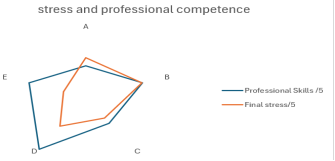
Figure 2. Stress and professional competence map.
Quantitative Evolution and Exploratory Statistical Analysis
At the group level, the mean MSP-9 stress score decreased from 39.6 at the beginning of the school year to 30.2 at the end of the intervention, representing a descriptive mean reduction of 9.4 points. Given the small sample size (\(n = 5\)), non-parametric procedures were systematically preferred to avoid violating normality assumptions. A two-tailed Wilcoxon signed-rank test was conducted to explore the evolution of perceived psychological stress before and after utilizing the self-assessment grid. The analysis revealed no statistically significant difference between the two assessment points (\(W = 1.5, \, p = 0.414\)).
Similarly, to explore the relationship between the participants' professional competencies and their levels of reflexivity, a Spearman rank-order correlation was calculated. The analysis indicated a weak and statistically non-significant negative monotonic trend (\(\rho = -0.186, \, p = 0.764\)) within this cohort.
Due to the very limited sample size, these inferential statistical metrics must be interpreted with extreme caution and strictly as exploratory indicators. Rather than proving the total absence of a macroscopic relationship or programmatic effect, these high \(p\)-values reflect a lack of statistical power. Consequently, these quantitative findings are not intended to support broad generalizations. Instead, they serve to ground the descriptive, highly idiosyncratic trajectories of the five pre-service teachers, demonstrating how identical training artifacts undergo deeply divergent psychological and behavioral appropriations.
5. Discussion
The findings of this study provide answers to the three research questions concerning the use of the self-assessment grid within the training programme.
The first question aimed to understand how trainee teachers utilise the self-assessment grid in their professional practice. Analysis of the results highlights that the participants adopt the self-assessment grid in different ways. Whilst it is recognised as a useful tool for reflecting on their work, the data collected at this stage do not allow us to find to what extent its use contributes to an effective transformation of professional practices. The results presented here focus primarily on the participants’ perceptions and must be viewed in the context of the other indicators gathered during the research. Whilst all participants recognise its value, the functions they attribute to it differ according to their needs, their experience and the way in which they make use of the tool.
For B and C, the grid is the main resource used to analyse their work. Both describe in-depth reflective work based on the proposed criteria, although their level of engagement with its use differs. Thus, B completed nine grids compared with five for D.
For these two participants, the grid gradually tends to become a tool for analysing the activity in the sense described by Rabardel (1995), that is to say, an artefact transformed through use.
Based on the responses gathered from the questionnaire administered at the end of the program, E primarily highlights the value of peer discussions linked to the analysis of the situation filmed. Whilst she also regards the grid as a useful tool for objectifying certain developments in her practice, her responses place greater emphasis on the perceived benefits of collaborative work around the videos. Whilst the grid enables her to objectively assess certain developments in her practice, it is not the main driver of her professional development. Interactions with the other trainee teachers appear to have played a more decisive role in shaping new interpretations of her work. Thus, the uniformity of training objectives can coexist with the diversity of learning paths. It is therefore neither a matter of offering each individual an entirely different training program nor of assuming that the same content will necessarily lead to the same learning outcomes. Rather, the challenge lies in designing training programs that are common enough to enable the acquisition of a shared foundation of professional knowledge, yet open and reflective enough to allow for differentiated learning. Nevertheless this approach ultimately leads us to view individualization not as a fragmentation of training, but as a focus on the processes through which everyone appropriates a shared professional heritage.
Professional knowledge is still shared; training contexts may be shared; and the demands of the profession remain the same. What varies are prior experiences, points of reference, difficulties encountered, mental models, available resources, and, so, the paths taken to transform this knowledge into resources for action.
It is in this interplay between professional commonality and the uniqueness of individual trajectories that one of the contributions of this research can be found. It leads us to view the training of student teachers as a process that is both collective and differentiated: collective because it draws on shared professional knowledge, situations, and references; differentiated because their assimilation depends on everyone’s history, experience, and relationship to their specific situations.
The trainer’s role, then, consists less in seeking an identical transformation in everyone than in organizing the conditions that allow each person to progress based on shared professional contexts. This approach seems particularly relevant to pre-service teacher education, where the goal is not to produce identical professionals, but to enable everyone to develop resources that are sufficiently diverse and well-integrated to meet the common demands of a complex profession.
Analyses show that female teachers draw on their resources differently depending on the situations they encounter, and that professional competencies and psychosocial resources may be called upon simultaneously during their work. Training programs, for their part, appear to serve as mediating factors that can support the analysis, clarification, and transformation of their professional practice. The following diagram provides a summary of these relationships.
Figure 3. Interpretive model of professional development in the interplay between the combining experience, stress management and reflexivity.
This model highlights a cross-cutting finding of the research: professional development cannot be reduced to the acquisition of professional skills, it requires reflective feedback helped by a tool in order to make progress in one’s own practice.
At least, the findings of this exploratory multiple-case study provide nuanced insights into how pre-service teachers interact with a structured self-assessment grid and how this interaction relates to their perceived stress and professional development. By shifting the analytical focus from macro-statistical generalizations to micro-level developmental trajectories, this research uncovers the highly idiosyncratic nature of professional training artifacts.
5.1. Artifact Appropriation and Differentiated Trajectories
Our first research question examined how pre-service teachers appropriate and utilize the self-assessment grid within their practice. The qualitative evidence indicates that the grid did not act as a uniform intervention producing homogeneous outcomes. Instead, echoing Rabardel’s instrumental approach, the same material artifact was transformed into distinct functional instruments based on each participant's psychological baseline, goals, and contextual placement constraints. For instance, while Participant B exploited the tool intensely (completing nine grids) to deepen reflective analysis, Participant E placed significantly higher value on peer interactions and collaborative video analysis rather than the grid itself.
This diversity of learning paths within a unified training program challenges the traditional paradigm of standardized teacher education. As suggested by Clot, professional development is a space of fruitful conflict between prescribed institutional tools and subjective reality. Consequently, teacher preparation programs should not design tools under the assumption of linear adoption; rather, they must create flexible reflective frameworks that allow pre-service teachers to interpret and internalize a shared professional heritage through the lens of their unique subjective experiences.
5.2. The Paradox of Reflexivity and Psychosocial Risks
The most striking result of this study lies in the dissociation between reflexivity and situational stress reduction. While traditional training devices in France (INSPE) operating under professional didactics assume that enhancing a teacher’s reflective capacity inherently fosters classroom control—and thus well-being—our descriptive and non-parametric data contradict this linear assumption. Increased reflexivity does not mechanically alleviate the psychological burden of novice teachers.
The case of Participant C is particularly illuminating in this regard. Participant C demonstrated substantial reflective growth, a more nuanced awareness of classroom parameters, and a heightened capacity to conceptualize professional actions. However, this intellectual development was accompanied by completely stagnant stress levels. This phenomenon suggests that becoming aware of one's professional shortcomings and classroom dilemmas through structured reflection can, in the short term, increase cognitive friction and make institutional demands clearer without providing the immediate physiological or emotional tools to regulate them. In some cases, as noted by Lantheaume, over-reflectiveness without active coping mechanisms may even exacerbate the perceived uncertainty and vulnerability of entry into the profession.
5.3. Moving Toward Holistic Training: Integrating Stress Management
The lack of a statistically significant correlation between professional skills and final stress levels (\(r_s = -0.186\)) further underscores that didactic or classroom management competencies belong to a different psychological register than emotional regulation. While vocational pedagogy effectively builds actionable cognitive schemata
| [22] | Pastré, P. (2002). The analysis of work in vocational education. Revue française de pédagogie, 138, 9–17.
https://doi.org/10.3406/rfp.2002.2859 |
| [33] | Verillon, P., & Rabardel, P. (1995). Cognition and artifacts: A contribution to the study of though in relation to instrumented activity. European journal of psychology of education, 77-101. https://doi.org/10.1007/BF03172914 |
[22, 33]
, it remains inherently insufficient to protect occupational health and mitigate psychosocial risks (PSRs). Novice teachers frequently "expose their own selves" in highly unstable relational environments, rendering them particularly vulnerable to rapid burnout.
To bridge this critical gap, teacher education must transcend purely cognitive and didactic boundaries. Our findings strongly argue for a more holistic curriculum that explicitly integrates structural stress management practices, emotional regulation techniques, and proactive coping strategies. Aligning professional development with international frameworks of well-being, such as Seligman’s PERMA model, could assist training institutes in fostering not just pedagogical compliance, but sustainable psychological resilience. Training should be conceptualized as an integrative bridge where the development of professional skills (managing time, space, and materials) occurs simultaneously with the cultivation of psychosocial resources (cooperation, self-compassion, and stress regulation), as synthesized in our interpretive framework (
Figure 3).
5.4. Methodological Limitations and Future Outlook
The primary limitation of this inquiry resides in its restricted statistical power (n = 5), which precludes any macroscopic generalization or definitive causal inferences regarding the training program's impact. The high p-values yielded by the Wilcoxon and Spearman tests should not be misconstrued as absolute proof of an absent relationship; instead, they reflect the exploratory boundaries of a small-scale clinical protocol. Furthermore, tracking teacher activity across a brief five-week window captures immediate professional friction rather than long-term developmental stabilization.
Nevertheless, the value of this exploratory work lies precisely in its high granular validity, capturing real-time professional adjustments that large-scale quantitative surveys typically mask. Future research should scale this combined qualitative-instrumental protocol across larger, standardized cohorts to rigorously evaluate the preventive efficacy of explicit emotional regulation modules embedded within core teaching curricula.
6. Conclusions
At the conclusion of this study, we show that combining practical experience in the field with self-assessment, helped by an artefact, promotes the internalisation of professional practice. On this basis the action schemes constructed during practice can be ‘generalised’. In this way, we move from ‘doing’ to ‘knowing how to do, and there lies the very essence of reflective training.
The findings relating to mentoring and self-assessment take on their full significance here. They show that support, tools and interactions can help to underpin professional development, but that these developments remain unique to each individual. Some professionals may benefit more from individual reflective feedback, others from peer discussion, and still others from support that enables them to gradually structure their analysis. It is therefore not necessarily a question of choosing between these approaches, but of considering how they complement and interlink within training programmes capable of taking account of learners’ individual circumstances.
The effects of a training programme must therefore be viewed within the context of a developmental timeline, rather than as an immediate and uniform consequence of the training.
Self-assessment tools and the trainer’s intervention are not independent levers: their function depends on how they are embedded within a training context and on the way in which the learner appropriates them.
This model shows that the development of professional skills is only possible within an integrative training programme in which experience and reflective practice go hand in hand. Furthermore, under these conditions, professional development is accompanied by the mobilisation of psychosocial resources such as cooperation and self-assessment. Training can therefore be seen as a bridge between shared professional knowledge and individual learning pathways. The professional objectives remain the same, but the paths taken to develop the necessary skills to achieve them may differ depending on the individuals, their experiences and the situations they encounter.
In fact, while stress levels and professional competencies may not be directly linked, we hypothesize that the professional development of beginning teachers in initial training should encompass not only the acquisition of didactic skills in the subjects they teach, but also professional classroom management skills and coping strategies for managing their stress.
This exploratory study provides preliminary insights into the role and impact of dedicated stress management programs within vocational training contexts. While the lack of statistical significance in both the paired t-test and Pearson correlation primarily reflects the limited statistical power of our sample (n = 5), the overall descriptive trend toward reduced perceived stress offers promising perspectives. These findings underscore the need for vocational training institutes to design and evaluate targeted, field-specific interventions. Furthermore, the heterogeneity of the individual trajectories indicates that vulnerability to stress and responsiveness to coping mechanisms vary among subjects, justifying a pedagogical approach that balances collective training with personalized support. To overcome the limitations of this work, future research should deploy these protocols across larger, standardized cohorts to firmly establish the preventive and therapeutic value of incorporating stress management into professional curricula.
Abbreviations
INSPE | National Institute for Teacher Education |
Author Contributions
Clement Massenet: Resources
Florence Darnis: Conceptualization
Nicolas Epinoux: Conceptualization
Conflicts of Interest
The authors declare no conflicts of interest.
Appendix
Figure 4. Observation grid for transition situations.
Table 5. Professional skills assessment grid.
Special skills | Skill definition | Behavioral indicators | pupils' answers |
Resource management | The teacher utilizes appropriate resources to foster student engagement in learning." | o the teacher asks students to clear away the materials to move on to the next activity." | o yes | o yes but not straight away. | o no |
o the teacher asks students to take out the required materials to move on to the next activity." | o yes | o yes but not straight away. | o no |
o The teacher uses visual aids to direct students' attention to key information." | o yes | o yes but not straight away. | o no |
Meet the teacher's expectations | the teacher gives clear instructions so that students understand what is expected." | o Precise and explicit instructions for student engagement." | o yes | o yes but not straight away. | o no |
o "Precise and explicit instructions give purpose to student engagement." | o yes | o yes but not straight away. | o no |
o he teacher reviews prior lessons and checks for understanding of expectations." | o yes | o yes but not straight away. | o no |
Structuring social interactions | "The teacher structures relations within the group to foster interpersonal relationships conducive to learning." | o The teacher's discourse ensures the enlistment of all learners in the task." | o yes | o yes but not straight away. | o no |
o "The teacher's attitude creates a classroom environment conducive to student engagement." | o yes | o yes but not straight away. | o no |
o "The teacher explicitly defines roles and responsibilities to empower every student in their learning process." | o yes | o yes but not straight away. | o no |
Attention-grabbing ability | "The teacher uses effective non-verbal cues to grab students' attention." | o The instructor adapts their body language to the situation. | o yes | o yes but not straight away. | o no |
o "The teacher uses voice modulation to engage students | o yes | o yes but not straight away. | o no |
o "The teacher maintains reciprocal eye contact with the whole class. | o yes | o yes but not straight away. | o no |
Table 6. Observable criteria for evaluating reflexivity.
Score | criteria |
1 | uses the grid occasionally but derives no benefit from it |
2 | uses the rubric regularly but has difficulty self-evaluating |
3 | uses the rubric regularly and self-assesses accurately, but does not adjust their practice accordingly |
4 | uses the rubric regularly, self-assesses accurately, and modifies their practice accordingly |
5 | uses the rubric regularly, self-assesses accurately, adjusts their practice accordingly, and derives general principles from this for managing the classroom |
References
| [1] |
Agostinelli, S., & Metge, M. (2013). Is there a gap between theory and practice? Études de communication, 40, 43–58.
https://doi.org/10.4000/edc.5106
|
| [2] |
Barbier, J.-M. (2015). Introduction. In J.-M. Barbier (ed.), Theoretical Knowledge and Practical Knowledge (3rd ed., pp. 1–17). Presses Universitaires de France. ISBN de l'ouvrage (3e édition, 2011).
|
| [3] |
Bautier, É., & Goigoux, R. (2004). Learning difficulties, secondarization processes and teaching practices: a relational hypothesis. Revue française de pédagogie, 89-100.
https://doi.org/10.3406/rfp.2004.3252
|
| [4] |
Bouffartigue, P. (2014). Occupational Health: Sociological Perspectives. Introduction to the Corpus. La nouvelle revue du travail, (4).
|
| [5] |
Bourbao, M., & Ramon, F. (2020). First years of teaching. Retz.
|
| [6] |
Bucheton, D., & Soulé, Y. (2009). Professional practices and the interplay of teachers’ postures in the classroom: a multi-faceted set of embedded concerns. Éducation & didactique, 3(3), 29–48.
https://doi.org/10.4000/educationdidactique.543
|
| [7] |
Bruchon-Schweitzer, M., & Boujut, É. (2021). Psychologie de la santé: concepts, méthodes et modèles (2nd ed.) [Health psychology: concepts, methods, and models]. Dunod.
https://doi.org/10.3917/dunod.bruch.2021.01
|
| [8] |
Ciavaldini-Cartaut, S. (2009). History of joint activity in the field training of secondary school teachers: toward a developmental psychology of adult activity in training (Doctoral dissertation, Université d'Aix-Marseille I). HAL SHS.
https://shs.hal.science/tel-00472312/
|
| [9] |
Clot, Y. (2006). Occupational psychology and activity-based psychology. Nouvelle revue de psychosociologie, 1(1), 165–177.
https://doi.org/10.3917/nrp.001.0165
|
| [10] |
Clot, Y. (2007). From the analysis of practices to the development of professions. Education and Didactics, (1-1), 83–93.
https://doi.org/10.4000/educationdidactique.121
|
| [11] |
Demonty, I., & Celi, V. (2023). Teacher training devices and practices: How do interactions between trainers and teachers foster the latter's professional development?. Nouveaux cahiers de la recherche en éducation, 25(3), 1–5.
https://doi.org/10.7202/1111942ar
|
| [12] |
Escalié, G. & Magendie, É. (Eds.). (2019). Integrative work-study training and teacher education. Bordeaux: Presses universitaires de Bordeaux, 179 p. ISBN: 979-10-300-0310-9. Recherche et formation.
|
| [13] |
Fradet-Hannoyer, M., & Bishop, M. F. 67| 2023 What changes are taking place in the field of French language teaching in primary schools? Repères (research in the teaching of French as a mother tongue).
https://doi.org/10.4000/reperes.5656
|
| [14] |
Lantheaume, F. (2007). Teaching activity between prescription and reality: ruses, small pleasures, suffering. Éducation et sociétés, 19(1), 67-81.
https://doi.org/10.3917/es.019.0067
|
| [15] |
Leblanc, S., & Ria, L. (2014). Designing the Néopass@ction platform based on modeling of beginning teachers' activity. Design and Technology Education: An International Journal, 19(2), 40–51.
https://doi.org/10.24377/DTEIJ.article1632
|
| [16] |
Lemyre, L., & Tessier, R. (2003). Measuring psychological stress. Concept, model, and measurement instrument in primary care research. Canadian Family Physician, 49, 1159.
|
| [17] |
Lopez, L. M., & Vanhulle, S. (2008). Chapter 9. Portfolios and co-assessment interviews: levels for the professionalization of young teachers. In Évaluer pour former (pp. 143-158). De Boeck Supérieur.
https://doi.org/10.3917/dbu.baill.2008.01.0143
|
| [18] |
Magendie, É., Boizmault, M., & Darnis, F. (2021). Peer co-analysis in initial teacher education: an opportunity for professional learning. Questions Vives. Recherches en éducation, (35).
https://doi.org/10.4000/questionsvives.6515
|
| [19] |
Massenet, C., Darnis, F., Gerville-Réache, L., & Epinoux, N. (2025). Academic Journal of Educational Research and Management. Academic Journal of Educational Research and Management, 9(11), 30-43.
https://iigdpublishers.com/article/1002
|
| [20] |
Moussay, S., & Serres, G. (2016). Chapter 14. Learning to become a teacher educator: towards a new professionality. In Learning to teach (pp. 209-220). Presses Universitaires de France.
https://doi.org/10.3917/puf.borer.2016.01.0209
|
| [21] |
Numa-Bocage, L. (2007). Didactic mediation: a concept for thinking about the teacher's registers of help. Carrefours de l'éducation, 23(1), 55-70.
https://doi.org/10.3917/cdle.023.0055
|
| [22] |
Pastré, P. (2002). The analysis of work in vocational education. Revue française de pédagogie, 138, 9–17.
https://doi.org/10.3406/rfp.2002.2859
|
| [23] |
Pastré, P. (2011). Learning situations and conceptualisation. Recherches en éducation, 12, 12–22.
https://doi.org/10.4000/ree.5085
|
| [24] |
Pastré, P., Mayen, P., & Vergnaud, G. (2006). Professional pedagogy. Revue française de pédagogie, (154), 145–198.
https://doi.org/10.4000/rfp.157
|
| [25] |
Poizat, G., Drakos, A., Ambrosetti, Flandin, S., Ria, L., & Leblanc, S. (2024). Enactive design-based research in vocational and continuing education and training. Vocations and Learning, 17(3), 537-563
https://doi.org/0.1007/s12186-024-09348-z
|
| [26] |
Rabardel, P., & Bourmaud, G. (2003). From computer to instrument system: a developmental perspective. Interacting with computers, 15(5), 665-691.
https://doi.org/10.1016/S0953-5438(03)00058-1
|
| [27] |
Ria, L. (2009). From the analysis of novice teachers' activity in challenging areas to the design of training programs. In Travail et formation des adultes (pp. 217–243). Presses Universitaires de France.
https://doi.org/10.3917/puf.duran.2009.01.0217
|
| [28] |
Rogalski, J. (2003). Is there a pilot in the classroom? An analysis of the teacher’s role in managing a dynamic, open environment. Research in Mathematics Education, 23(3), 343–388.
|
| [29] |
Seligman, M. (2018). PERMA and the building blocks of well-being. The journal of positive psychology, 13(4), 333-335.
https://doi.org/10.1080/17439760.2018.1437466
|
| [30] |
Sensevy, G. (2011). The sense of knowledge. Elements for a theory of joint action in didactics. De Boeck Supérieur.
https://doi.org/10.3917/dbu.sense.2011.01
|
| [31] |
Theureau, J. (2004). Le cours d'action: méthode élémentaire [The course of action: Elementary method]. Presses Universitaires de France.
|
| [32] |
Vergnaud, G. (1996). Au fond de l'action, la conceptualisation [Conceptualisation at the heart of action]. In J.-M. Barbier (Ed.), Savoirs théoriques et savoirs d'action (pp. 275–292) [Theoretical knowledge and practical knowledge]. Presses Universitaires de France.
|
| [33] |
Verillon, P., & Rabardel, P. (1995). Cognition and artifacts: A contribution to the study of though in relation to instrumented activity. European journal of psychology of education, 77-101.
https://doi.org/10.1007/BF03172914
|
| [34] |
Vinatier, I. (2009). Pour une didactique professionnelle de l'enseignement [Towards a professional approach to teaching methodology]. Presses Universitaires de Rennes.
|
| [35] |
Vyas, K. S., Stratton, T. D., & Soares, N. S. (2017). Sources of medical student stress. Education for Health, 30(3), 232–235.
https://doi.org/10.4103/efh.EfH_54_16
|
| [36] |
Vygotsky, L. S. (1997). Pensée et langage (F. Sève, Trans.; 3rd ed.) [Thought and language]. La Dispute. (Original work published 1934).
|
| [37] |
Wu, S., Zhu, X., Tian, G., & Kang, X. (2023). Exploring the relationships between preservice preparation and student teachers’ social-emotional competence in teacher education: Evidence from China. Sustainability, 15(3), 2172.
https://doi.org/10.3390/su15032172
|
Cite This Article
-
APA Style
Massenet, C., Darnis, F., Epinoux, N. (2026). Exploring the Interplay Between Stress, Reflexivity, and Professional Development in Pre-Service Teachers. International Journal of Education, Culture and Society, 11(6), 271-285. https://doi.org/10.11648/j.ijecs.20261106.12
 Copy
|
 Download
ACS Style
Massenet, C.; Darnis, F.; Epinoux, N. Exploring the Interplay Between Stress, Reflexivity, and Professional Development in Pre-Service Teachers. Int. J. Educ. Cult. Soc. 2026, 11(6), 271-285. doi: 10.11648/j.ijecs.20261106.12
Copy
|
Download
AMA Style
Massenet C, Darnis F, Epinoux N. Exploring the Interplay Between Stress, Reflexivity, and Professional Development in Pre-Service Teachers. Int J Educ Cult Soc. 2026;11(6):271-285. doi: 10.11648/j.ijecs.20261106.12
Copy
|
Download
-
@article{10.11648/j.ijecs.20261106.12,
  author = {Clement Massenet and Florence Darnis and Nicolas Epinoux},
  title = {Exploring the Interplay Between Stress, Reflexivity, and Professional Development in Pre-Service Teachers},
  journal = {International Journal of Education, Culture and Society},
  volume = {11},
  number = {6},
  pages = {271-285},
  doi = {10.11648/j.ijecs.20261106.12},
  url = {https://doi.org/10.11648/j.ijecs.20261106.12},
  eprint = {https://article.sciencepublishinggroup.com/pdf/10.11648.j.ijecs.20261106.12},
  abstract = {This article reports on an empirical study conducted among a cohort of pre-service teachers, aimed at enhancing their professional competencies within a university teacher training institute. Grounded in the theoretical and methodological framework of professional didactics, this research investigates how analyzing professional situations contributes to skill acquisition and psychological well-being. The variables measured throughout this inquiry include classroom management skills, individual reflective capacity, and situational stress perceived by the participants. The quantitative and qualitative findings reveal a statistically weak correlation between reflexivity and the development of professional competencies. Crucially, the data demonstrate no significant relationship between a teacher's reflective capacity and their level of perceived situational stress. These results suggest that while fostering reflexivity helps to enhance professional competencies and pedagogical reasoning, it is inherently insufficient to reduce the psychological burden and stress experienced by novice teachers in the classroom. Consequently, this study argues that professional training frameworks cannot rely solely on reflexive analysis to ensure occupational health. To bridge this gap, teacher education programs would significantly benefit from integrating explicit stress management practices, emotional regulation techniques, and coping strategies directly into their core curricula. By doing so, training institutes could offer a more holistic approach, combining cognitive professional development with the psychological resilience necessary for sustainable teaching careers.},
 year = {2026}
}
Copy
|
Download
-
TY  - JOUR
T1  - Exploring the Interplay Between Stress, Reflexivity, and Professional Development in Pre-Service Teachers
AU  - Clement Massenet
AU  - Florence Darnis
AU  - Nicolas Epinoux
Y1  - 2026/11/16
PY  - 2026
N1  - https://doi.org/10.11648/j.ijecs.20261106.12
DO  - 10.11648/j.ijecs.20261106.12
T2  - International Journal of Education, Culture and Society
JF  - International Journal of Education, Culture and Society
JO  - International Journal of Education, Culture and Society
SP  - 271
EP  - 285
PB  - Science Publishing Group
SN  - 2575-3363
UR  - https://doi.org/10.11648/j.ijecs.20261106.12
AB  - This article reports on an empirical study conducted among a cohort of pre-service teachers, aimed at enhancing their professional competencies within a university teacher training institute. Grounded in the theoretical and methodological framework of professional didactics, this research investigates how analyzing professional situations contributes to skill acquisition and psychological well-being. The variables measured throughout this inquiry include classroom management skills, individual reflective capacity, and situational stress perceived by the participants. The quantitative and qualitative findings reveal a statistically weak correlation between reflexivity and the development of professional competencies. Crucially, the data demonstrate no significant relationship between a teacher's reflective capacity and their level of perceived situational stress. These results suggest that while fostering reflexivity helps to enhance professional competencies and pedagogical reasoning, it is inherently insufficient to reduce the psychological burden and stress experienced by novice teachers in the classroom. Consequently, this study argues that professional training frameworks cannot rely solely on reflexive analysis to ensure occupational health. To bridge this gap, teacher education programs would significantly benefit from integrating explicit stress management practices, emotional regulation techniques, and coping strategies directly into their core curricula. By doing so, training institutes could offer a more holistic approach, combining cognitive professional development with the psychological resilience necessary for sustainable teaching careers.
VL  - 11
IS  - 6
ER  -
Copy
|
Download

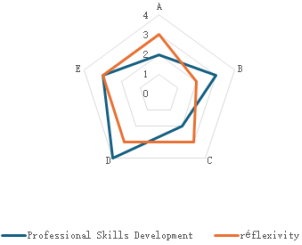
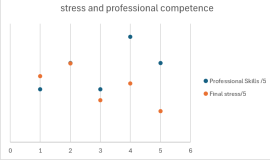
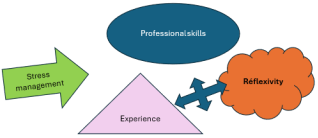
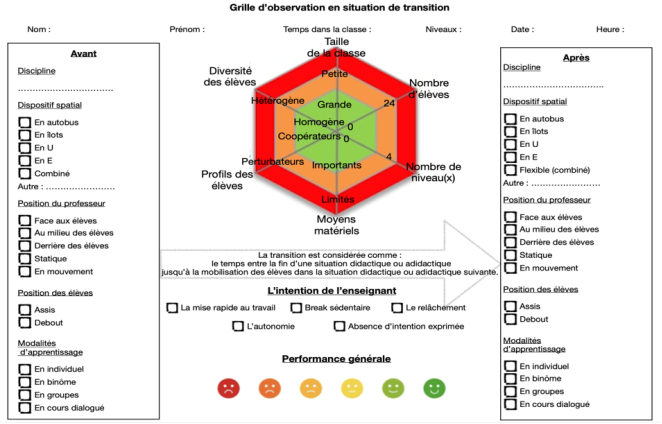



 Share This Article
 Twitter
 Linked In
 Facebook
