Abstract
The Cambodian automotive sector is experiencing significant growth. It is observed that its expanding economy as a middle-class country with government support has pushed growing demands for brand-new vehicles. This signal indicates the shifts in preferences from imported cars to Cambodian-assembled vehicles. This also reflects users’ perception of vehicles assembled in Cambodia and driving factors for preferences. Thus, the study seeks to (1) explore knowledge, attitude, and practice (KAP) of car users in Cambodia, (2) determine the correlation between KAP, and (3) identify factors influencing car preferences. With a purposive-sampling method, 204 responses were collected by using an online survey within a predetermined one-month period from 26 December 2024 to 25 January 2025 in compliance with the study requirements. The findings showed that only 10% of respondents agreed that most users prefer Cambodian-assembled vehicles over imported vehicles. Moreover, the knowledge, attitude, practice, and KAP of users in Cambodia on Cambodian-assembled vehicles are rated at a moderate level based on the class intervals of average scores. All variables in the knowledge, attitude, and practice are positive linear relationship. Furthermore, between the knowledge and attitude, between the knowledge and practice, and between the attitude and practice are positively correlated. The knowledge and attitude are meaningful for the practice, but they have little power on the practice because there are other factors not included in this model influencing the preferences of users. According to several sources, there are eight driving factors for users’ preferences, such as brand reputation and trust, perception of quality, price and value, awareness and promotion, models and features, status symbol, after-sales services, long-standing supply chain, and networks. The findings offer actionable insights for policymakers and local manufacturers to promote Cambodian-assembled vehicles and enhance their competitiveness. This study suggests that the Royal Government of Cambodia should support and promote Cambodian-assembled vehicles more actively. At the same time, the local manufacturers should make more improvements, especially after-sales services for Cambodian-assembled vehicles. Then, Cambodian-assembled vehicles will have the potential to compete with imported cars from various countries.
|
Published in
|
Humanities and Social Sciences (Volume 14, Issue 1)
|
|
DOI
|
10.11648/j.hss.20261401.15
|
|
Page(s)
|
43-56 |
|
Creative Commons
|

This is an Open Access article, distributed under the terms of the Creative Commons Attribution 4.0 International License (http://creativecommons.org/licenses/by/4.0/), which permits unrestricted use, distribution and reproduction in any medium or format, provided the original work is properly cited.
|
|
Copyright
|
Copyright © The Author(s), 2026. Published by Science Publishing Group
|
Keywords
User’ Perception, KAP, Cambodian-assembled Vehicles, Factors for Preferences, Automotive Sector
1. Introduction
The global automotive market shows a positive growth trend. For instance, the global car demand increased significantly in 2024, as global car sales rose by approximately 4%, reaching around 78 million units, compared with about 75 million units in 2023
. The individuals and families remained the primary car users worldwide in 2024, with the global passenger car sales reaching approximately 75 million units, representing an increase of about 3% compared 73 million units in 2023
. The automotive sector is a vital driver of global economic growth, employing over 50 million people worldwide
and contributing approximately 3% of the world’s gross domestic product (GDP), equivalent to USD 3 trillion in 2022
.
Regarding the ASEAN automotive market, a special ASEAN Investment Report (2023) highlighted a surge in foreign direct investment (FDI) across the region. For example, FDI inflows reached a record USD 224 billion in 2022. A substantial share of this investment was directed toward the development of electric vehicle (EV) supply chains, including battery manufacturing and automotive components. These investments were led by multinational companies that have deepened their presence in ASEAN to enhance supply chain resilience and gain access to emerging markets. The report further elaborated on ASEAN’s transition from a commodity and labour-intensive economy toward a more advanced industrial ecosystem, including automotive assembly and component production. This transformation has laid the foundation for increased localization of vehicles and automotive parts within the region
.
At the same time, in Cambodia, demand for personal transportation increased alongside economic expansion and the growth of the middle class
. By 2023, Cambodia had over 1 million cars on the road, including approximately 0.74 million light cars
. According to the Observatory of Economic Complexity (OEC)
, most of the cars in Cambodia are imported from countries such as the United States, Thailand, China, Indonesia, and Japan.
However, in 2024, vehicle imports into Cambodia were observed to decline
, coinciding with the presence of six automotive assembly companies in the country: DAEHAN Auto, RMA Automotive (Cambodia), CAMKO Motor, HGB Motors Assembly, GTV Motor, and TOYOTA TSUSHO Manufacturing (Cambodia)
| [10] | The Ministry of Industry, Science, Technology and Innovation. Speech of the Minister in the Event of TOYOTA TSUSHO MANUFACTURING (CAMBODIA) CO., LTD. Phnom Penh, Cambodia. Available from:
https://www.misti.gov.kh/en/ (accessed 15 October 2024). |
[10]
. According to the General Department of Customs and Excise (GDCE)
, the total value of imported vehicles during the first four months of 2024 amounted to USD 496 million, representing a decrease of approximately 13% compared to USD 568 million during the same period in 2023. This trend suggests that economic expansion, a growing middle class, and government support have stimulated demand for new vehicles. These signals indicate a gradual shift in the automotive market from imported vehicles toward Cambodian-assembled vehicles in response to rising demand. Specifically, this study addressed the following two research questions:
1 How do users perceive vehicles assembled in Cambodia?
2 What factors influence users’ preferences for vehicles assembled in Cambodia?
Therefore, the study seeks to (1) explore a comprehensive understanding of knowledge, attitude, and practice (KAP) of car users in Cambodia, (2) determine the correlation between KAP, and (3) identify factors influencing car preferences.
The paper makes two contributions: Theoretically, it contributes to an understanding of the KAP model. It makes a case for explaining how knowledge and attitudes toward local cars elaborate into actual practices. Empirically, it reveals how knowledge, attitude, and practice of car users in Cambodia are measured, and how they are analysing the relevant relation between them. The class interval of average scores is used. There is a moderate level of knowledge, attitude, practice, and KAP on Cambodian-assembled vehicles. By using a correlation matrix, a Pearson correlation analysis, and a multiple linear regression, there is a statistically significant positive correlation between KAP. Furthermore, the knowledge and attitude are meaningful for the practice, but they have little power on the practice because there are other factors not included in this model influencing the preferences of users.
The remainder of the paper is structured as follows: Section 2 reveals literature reviews, including conceptual and theoretical frameworks, relevant studies in general contexts, relevant studies in the research context, and the research gap. After describing the sample and methodology for data collection and analysis in Section 3, Section 4 shows findings from two parts, focusing on exploring the knowledge, attitude, and practice of car users in Cambodia in Part 1 and analysing the correlation between KAP by using a correlation matrix, a Pearson correlation analysis, and a multiple linear regression in Part 2. It shows identifying factors influencing car preferences. Moreover, Section 5 discusses results, mentioning several sources that are linked to Section 2. Last but not least, Section 6 summarises and concludes.
2. Literature Reviews
2.1. Knowledge-Attitude-Practice Concept
The Knowledge-Attitude-Practice (KAP) model is a theory that demonstrates an important relationship among knowledge, attitude, and practice
| [12] | Alrubaiee, G. G., Al-Qalah, T. A. H., Al-Aawar, M. S. A. Knowledge, Attitudes, Anxiety, and Preventive Behaviours towards COVID-19 among Health Care Providers in Yemen: An Online Cross-Sectional Survey. BMC Public Health. 2020, 20(1), 1-11. https://doi.org/10.1186/s12889-020-09644-y |
| [13] | Vandamme, E. Concepts and Challenges in the Use of Knowledge-Attitude-Practice Surveys: Literature Review, Department of Animal Health, Institute of Tropical Medicine, 2009, Vol. 1, pp. 1-7. |
[12, 13]
. The purpose of the original KAP model is to show knowledge (what is known), attitude (what is believed), and practice (what is done) in the context of the topic of interest
| [14] | Andrade, C., Menon, V., Ameen, S., Kumar, S. P. Designing and Conducting Knowledge, Attitude, and Practice Surveys in Psychiatry: Practical Guidance. Indian Journal of Psychological Medicine. 2020, 42(5), 478-481.
https://doi.org/10.1177/0253717620946111 |
| [15] | Kamil, M. J. M., Abidin, S. Z., Hassan, O. H. Assessing Designers’ Perception, Analysis, and Reflective Using Verbal Protocol Analysis’ in Research into Design for a Connected World Springer, Singapore, 2019, pp. 51-61. |
[14, 15]
. In general, the study on people’s behaviour always uses the KAP model
| [16] | Luo, S., Luo, S., Ren, Z., Zhang, H., Li, X., Liu, L. The Influence of Water Safety Knowledge on Adolescents’ Drowning Risk Behaviors: A Framework of Risk-Protect Integrated and KAP Theory. Frontiers in Public Health. 2024, 12(1), 1-9.
https://doi.org/10.3389/fpubh.2024.1354231 |
[16]
. It explores the key role of knowledge and attitude in behavioural decision-making. It is applied in various fields
| [17] | Wang, Q., Wu, Y., Wang, D., Lai, X., Tan, L., Zhou, Q., Duan, L., Lin, R., Wang, X., Zheng, F., Yu, T., Wang, L., Fan, S., Wang, Y., Zhang, X. and Liu, C. The Impacts of Knowledge and Attitude on Behavior of Antibiotic Use for the Common Cold among the Public and Identifying the Critical Behavioral Stage: Based on an Expanding KAP Model. BMC Public Health. 2023, 23(1), 1-13.
https://doi.org/10.1186/s12889-023-16595-7 |
[17]
. It is also employed as a popular survey instrument in the field of social research
| [13] | Vandamme, E. Concepts and Challenges in the Use of Knowledge-Attitude-Practice Surveys: Literature Review, Department of Animal Health, Institute of Tropical Medicine, 2009, Vol. 1, pp. 1-7. |
[13]
. It is a useful descriptive framework for a comprehensive understanding of consumer perceptions of automobiles
| [18] | Luo, Y. F., Chen, L. C., Yang, S. C., Hong, S. Knowledge, Attitude, and Practice (KAP) toward COVID-19 Pandemic among the Public in Taiwan: A Cross-Sectional Study. International Journal of Environmental Research and Public Health. 2022, 19(5), 1-14. https://doi.org/10.3390/ijerph19052784 |
[18]
.
Several sources define knowledge. It is the recall of facts, information, and skills gained through practice or education
| [19] | Premnath, P., John, J. Knowledge Attitude and Practice toward Preventive Dental Care among Dental Professionals in Chennai. Journal of Education and Ethics in Dentistry. 2015, 5(1), 1-6. https://doi.org/10.4103/0974-7761.178023 |
[19]
. It means the ability to understand and use information through education, learning experience, and identifying the label
| [20] | Liao, Y., Yang, J. Status of Nutrition Labeling Knowledge, Attitude, and Practice (KAP) of Residents in the Community and Structural Equation Modeling Analysis. Frontiers in Nutrition. 2023, 10(1), 1-12.
https://doi.org/10.3389/fnut.2023.1097562 |
[20]
. Knowledge is the basis for behavioural change
| [21] | Cleary, A., Dowling, M. Knowledge and Attitudes of Mental Health Professionals in Ireland to the Concept of Recovery in Mental Health: a Questionnaire Survey. Journal of Psychiatric Mental Health Nursing. 2009, 16(6), 539-545.
https://doi.org/10.1111/j.1365-2850.2009.01411.x |
[21]
. It shows the level of awareness and information users hold about a product
| [18] | Luo, Y. F., Chen, L. C., Yang, S. C., Hong, S. Knowledge, Attitude, and Practice (KAP) toward COVID-19 Pandemic among the Public in Taiwan: A Cross-Sectional Study. International Journal of Environmental Research and Public Health. 2022, 19(5), 1-14. https://doi.org/10.3390/ijerph19052784 |
[18]
. In simple terms, knowledge is a fact
| [22] | Meenapriya, M., Gayathri, R., Priya, V. V. Effect of Regular Exercises and Health Benefits among College Students. Drug Invention Today. 2018, 10(7). |
[22]
. It is the understanding of the information, which is the conscious and non-symbolic perception of meaning
| [23] | Wessman, W. L. The Nature of Thought: Maturity of Mind’, University Press of America, New York, 2006, p. 78. |
[23]
. It refers to cognitive elements associated with mental actions such as perception, memory, learning, and prediction during the processing of information
| [24] | Salas-Zapata, W. A., Ríos-Osorio, L. A., Cardona-Arias, J. A. Knowledge, Attitudes and Practices of Sustainability: Systematic Review 1990-2016. Journal of Teacher Education for Sustainability. 2018, 20(1), 46-63.
https://doi.org/10.2478/jtes-2018-0003 |
[24]
.
Referring to the definition of attitudes, it is the feelings or opinions of community residents on a label in some situations, including credibility, helpfulness, and necessity
| [20] | Liao, Y., Yang, J. Status of Nutrition Labeling Knowledge, Attitude, and Practice (KAP) of Residents in the Community and Structural Equation Modeling Analysis. Frontiers in Nutrition. 2023, 10(1), 1-12.
https://doi.org/10.3389/fnut.2023.1097562 |
[20]
. For another explanation, attitudes are the forces behind behaviour change
| [21] | Cleary, A., Dowling, M. Knowledge and Attitudes of Mental Health Professionals in Ireland to the Concept of Recovery in Mental Health: a Questionnaire Survey. Journal of Psychiatric Mental Health Nursing. 2009, 16(6), 539-545.
https://doi.org/10.1111/j.1365-2850.2009.01411.x |
[21]
. It focuses on their positive or negative evaluations
| [18] | Luo, Y. F., Chen, L. C., Yang, S. C., Hong, S. Knowledge, Attitude, and Practice (KAP) toward COVID-19 Pandemic among the Public in Taiwan: A Cross-Sectional Study. International Journal of Environmental Research and Public Health. 2022, 19(5), 1-14. https://doi.org/10.3390/ijerph19052784 |
[18]
. Moreover, attitude refers to a positive or negative evaluation of an objective
| [25] | Ajzen, I., Fishbein, M. Attitudes and the Attitude-Behavior Relation: Reasoned and Automatic Processes. European Review of Social Psychology. 2000, 11(1), 1-33.
https://doi.org/10.1080/14792779943000116 |
[25]
. In general, attitudes are affective responses to an object, which depend on beliefs, values
| [26] | Bohner, G., Wanke, M. Attitudes and Attitude Change, Psychology Press, East Sussex, United Kingdom; 2002. |
[26]
, personal experiences, encounters with others
| [27] | Kerin, R. A., Hartley, S. W., Rudelius, W. Marketing (8th ed.). McGraw-Hill, New York, 2009. |
[27]
, the processes of socialisation, and direct or indirect contact with reality
| [28] | Donahue, A. K., Miller, J. M. Experience, Attitudes, and Willingness to Pay for Public Safety. The American Review of Public Administration. 2006, 36(4), 395-418.
https://doi.org/10.1177/0275074005285666 |
[28]
.
Last but not least, practice is the last dimension of the KAP model. It refers to the use or application of labels by community residents
| [20] | Liao, Y., Yang, J. Status of Nutrition Labeling Knowledge, Attitude, and Practice (KAP) of Residents in the Community and Structural Equation Modeling Analysis. Frontiers in Nutrition. 2023, 10(1), 1-12.
https://doi.org/10.3389/fnut.2023.1097562 |
[20]
. Furthermore, practice reflects their actual purchasing and usage behaviour
| [18] | Luo, Y. F., Chen, L. C., Yang, S. C., Hong, S. Knowledge, Attitude, and Practice (KAP) toward COVID-19 Pandemic among the Public in Taiwan: A Cross-Sectional Study. International Journal of Environmental Research and Public Health. 2022, 19(5), 1-14. https://doi.org/10.3390/ijerph19052784 |
[18]
. For another explanation, practice focuses on regular activities that are influenced by widely shared social norms and beliefs
| [29] | Bourdieu, P. The Logical of Practice, Stanford University Press, California; 1990, pp. 333. |
[29]
. Moreover, practices denote specific actions that are directly related to processes. These specific actions are cognitive (knowledge) and affective (attitudes) to the extent that all human acts are consistent with their values, beliefs, understanding, culture, and other socialisation processes
| [24] | Salas-Zapata, W. A., Ríos-Osorio, L. A., Cardona-Arias, J. A. Knowledge, Attitudes and Practices of Sustainability: Systematic Review 1990-2016. Journal of Teacher Education for Sustainability. 2018, 20(1), 46-63.
https://doi.org/10.2478/jtes-2018-0003 |
| [30] | Heimlich, J. E., Ardoin, N. M. Understanding Behavior to Understand Behaviour Change: A Literature Review. Environmental Education Research. 2008, 14(3), 215-237.
https://doi.org/10.1080/13504620802148881 |
[24, 30]
.
2.2. KAP in the Automotive Sector
Studies examining consumers’ perception and influencing factors were done in a few countries in Europe. Hungary has a long-standing tradition in manufacturing vehicles. Its industry has begun to adjust and shift operations to produce electric vehicles (EVs)
| [31] | Szabo, J., Deák, A., Szalavetz, A., Túry, G. The Future of the European Automobile Industry. 2022. Available from:
https://www.etui.org/sites/default/files/2022-08/Is%20zero-carbon%20possible%20with%20zero%20job%20loss%20-%20Hungary%20-%20Sazbo.pdf (accessed 10 October 2024). |
| [32] | Szabo, J., Deák, A. G., Szalavetz, A., Túry, G. The Hungarian Automobile Industry: Towards an Understanding of the Transition to Electromobility. 2023. Available from:
https://real.mtak.hu/163497/1/Onthewaytoelectromobility-agreenerbutmoreunequalfuture_20231.pdf (accessed 10 October 2024). |
[31, 32]
. The most important factors for fostering acceptance in the Netherlands are financial compensation, transparent communication, and reliable control of the system by the user
| [33] | Van Heuveln, K., Ghotge, R., Annema, J. A., Van Bergen, E., Van Wee, B., Pesch, U. Factors Influencing Consumer Acceptance of Vehicle-to-Grid by Electric Vehicle Drivers in the Netherlands. Travel Behaviour and Society. 2021, 24(1), 34-45.
https://doi.org/10.1016/j.tbs.2020.12.008 |
[33]
. In Germany, the total cost of EV ownership has influenced the adoption of battery EVs, that access to charging infrastructure and levels of awareness
. The vital factor affecting German users is basic vehicle safety, such as safe braking behaviour, visibility, and safety in all weather conditions
| [35] | Schomakers, E. M., Lotz, V., Ziefle, M. Requirements for Automated Micro-Vehicles from the German Public: A Survey Study. European Transport Research Review. 2024, 16(1), 1-13. https://doi.org/10.1186/s12544-024-00695-5 |
[35]
.
Referring to Asian countries, for example, in China, brand image, encompassing functional, symbolic, and experiential aspects, significantly positively influences Chinese purchase intention
| [36] | Chin, T. A., Yu, F., Tuan, L. Y., Tat, H. H. Key Factors Influencing Consumer Purchase Intentions for Chinese Brand Electric Vehicles. International Journal of Business and Society. 2024, 25(3), 1-33. https://doi.org/10.33736/ijbs.8559.2024 |
[36]
. Furthermore, trust has a significant impact on Chinese attitudes
| [37] | Xin, Z. An Examination on Purchase Intention of New Energy Vehicles among 31-60 Years Old Consumers in Sichuan, China. Scholar: Human Sciences. 2024, 16(2), 142-151.
https://doi.org/10.14456/shserj.2024.40 |
[37]
. In Japan, the recurrence of charging at the target location affects the charging decision of battery electric vehicle users. Moreover, there are significant relationships between socioeconomic characteristics and charging decisions
| [38] | Hanni, U. E. Multidimensional Electric Vehicle Charging Behavior in Japan. Ph.D. Thesis, Nagoya University, Japan, 2024. |
| [39] | Hanni, U. E., Yamamoto, T., Nakamura, T. An Analysis of Electric Vehicle Charging Intentions in Japan. Sustainability. 2024, 16(3), 1-16. https://doi.org/10.3390/su16031177 |
[38, 39]
. Another study in South Korea found that a reduction in purchase price can substantially boost alternative fuel vehicle sales. Additionally, attitudinal perceptions such as perceived environmental and economic benefits are significant factors for purchasing preferences
| [40] | Lashari, Z. A., Ko, J., Jung, S., Choi, S. Choices of Potential Car Buyers regarding Alternative Fuel Vehicles in South Korea: A Discrete Choice Modeling Approach. Sustainability. 2022, 14(9), 1-17. https://doi.org/10.3390/su14095360 |
[40]
.
For ASEAN countries, attitudes and subjective norms do not significantly influence battery electric vehicles adoption intentions in Indonesia
| [41] | Saputra, M. C., Andajani, E. Analysis of Factors Influencing Intention to Adopt Battery Electric Vehicle in Indonesia. ADI Journal on Recent Innovation. 2024, 5(2), 100-109.
https://doi.org/10.34306/ajri.v5i2.993 |
[41]
, but there are significant effects of country image and brand image on purchase intentions
| [42] | Nugraha, A. K. N. A., Krista, C. E., Huruta, A. D. The Effect of Country Image, Brand Image, and Warranty Knowledge on Car Purchase Intentions: A Comparison of Use Situations. Cogent Business and Management. 2024, 11(1), 1-16.
https://doi.org/10.1080/23311975.2024.2332498 |
[42]
. In Vietnam, safety and environmental concerns, perceived usefulness and ease of use, and financial incentive policy are influential factors of intention to adopt electric vehicles, but knowledge did not affect the intention
| [43] | Ha, T. T., Nguyen, T. C., Tu, S. S., Nguyen, M. H. Investigation of Influential Factors of Intention to Adopt Electric Vehicles for Motorcyclists in Vietnam. Sustainability. 2023, 15(11), 1-16. https://doi.org/10.3390/su15118765 |
[43]
. In Thailand, purchase intention is significantly and positively influenced by performance and effort expectancies, social influence, motivation, and environmental concern. But it is not significantly influenced by price value and policy measures
| [44] | Manutworakit, P., Choocharukul, K. Factors Influencing Battery Electric Vehicle Adoption in Thailand: Expanding the Unified Theory of Acceptance and Use of Technology’s Variables. Sustainability. 2022, 14(14), 1-16.
https://doi.org/10.3390/su14148482 |
[44]
. In the Philippines, the perceived economic, environmental, and authority support concerns indicated the most significant factor indirectly affecting behavioural intention to purchase hybrid cars
| [45] | Ong, A. K. S., German, J. D., Redi, A. A. N. P., Cordova, L. N. Z., Longanilla, F. A. B., Caprecho, N. L., Javier, R. A. V. Antecedents of Behavioral Intentions for Purchasing Hybrid Cars Using Sustainability Theory of Planned Behavior Integrated with UTAUT2. Sustainability. 2023, 15(9), 1-24.
https://doi.org/10.3390/su15097657 |
[45]
.
2.3. Vehicle Purchasing in Cambodia
In Cambodia, used vehicles and new imported cars have dominated the Cambodian automotive sector. Several factors that have affected Cambodian users’ preferences are brand reputation and trust, perception of quality, price and value, awareness and promotion, wider selection of models and features, status symbol, after-sales service, long-standing supply chains and networks
.
According to an investigation of preferences versus locally assembled vehicles in the Cambodian context, there is low user awareness. It is still a challenge for consideration. Both structural incentives and heightened public visibility of new vehicle options regarding awareness campaigns, stakeholder engagement, and sensory access to models are mainly required for successful transitions. For instance, there are test drives and exhibitions. In fact, awareness is a vital driver in the KAP model because when users lack familiarity with locally assembled vehicles, including origin, parts quality, and value, they are less likely to develop favourable attitudes or consider adoption as a valid practice
| [50] | World Bank. Cambodia: Recommendations to the National Roadmap for Electric Mobility Transition. 2024. Available from:
http://hdl.handle.net/10986/41263 (accessed 10 June 2025). |
[50]
.
The most relevant recent studies show that consumer preference for electric vehicles (EVs) increases substantially when EV prices are comparable to internal combustion engine vehicles, underscoring the importance of purchase subsidies
| [51] | Jung, H. R., Lee, H. K., Kim, W. Bridging Public Demand and Government Goals: A WTP-Scenario Framework for EV Diffusion in Cambodia. Transportation Research Interdisciplinary Perspectives. 2025, 32(1), 1-14.
https://doi.org/10.1016/j.trip.2025.101550 |
[51]
. Additionally, affordability, charging access, battery-related concerns, and cultural scepticism are challenges for Cambodian users. Moreover, infrastructural concerns, particularly limited charging infrastructure and electricity supply reliability, are the most frequently cited barriers in Cambodia
| [52] | Lin, O. Z., Stepanec, L., Koutroulis, E., Juchelkova, D., Aye, H. Y., De Luna Era, M., Kheang, P. V. Barriers to Electric Vehicle Adoption in ASEAN Emerging Economies: Comparative Analysis of Cambodia, Myanmar, and the Philippines. Discover Sustainability. 2025, 6(1), 1-27.
https://doi.org/10.1007/s43621-025-01637-4 |
[52]
.
2.4. Research Gap in Cambodia
After literature reviews, a research gap is observed that is notable for the study on local car preferences in developing country contexts like Cambodia. The research gap shows a scarcity of studies on KAP that focused specifically on domestically assembled vehicles because the existing KAP and adoption studies focused on new technologies or on general purchase determinants.
Figure 1. Flow of Conceptual Framework.
3. Materials and Methods
3.1. Research Design
This study was designed as quantitative research
. It was non-experimental research that employed descriptive research, including survey research by using a descriptive survey
| [54] | Zheng, T., Ardolino, M., Bacchetti, A., Perona, M., Zanardini, M. The Impacts of Industry 4.0: A Descriptive Survey in the Italian Manufacturing Sector. Journal of Manufacturing Technology Management. 2020, 31(5), 1085-1115.
https://doi.org/10.1108/JMTM-08-2018-0269 |
[54]
and correlational research
| [55] | Iqbal, S., Akram, M., Mushtaq, I. Relationship between Stress and Educational Performance of University Students: A Correlational Research Study. Review of Education, Administration and Law. 2021, 4(4), 805-811.
https://doi.org/10.47067/real.v4i4.198 |
[55]
. We conducted an online survey using Google Forms and a simple random sampling method. The online survey was a good choice for this research because the sample size was fairly large and widely distributed
. Likert scales with five scales (1 = Strongly disagree, 2 = Disagree, 3 = Neutral, 4 = Agree, and 5 = Strongly agree) and single-response questions in a survey were established to fit the study. This research design was appropriate for the present study, which was carried out to identify knowledge, attitude, and practice of vehicle users in Cambodia, to determine the correlation between KAP, and to explore factors influencing car preferences.
3.2. Research Setting
This research was conducted in Cambodia because it focused on users’ perception of vehicles assembled in Cambodia and driving factors for preferences.
3.3. Research Participants
There were four criteria for participants in our online survey. Our selection respected all these criteria below:
1) Participants living in Cambodia,
2) Participants are at least 18 years old,
3) Participants using a telegram channel, and
4) Participants having the ability to access the Google Forms.
Several similar studies selected a sample size 200 or less than 200 for the survey such as the study on consumer buying behaviour of locally assembled private vehicles in Addis Ababa with sample size 200 customers
| [57] | Addisu, B. Consumer Buying Behavior of Locally Assembled Private Vehicles in Addis Ababa. European Journal of Business and Management. 2017, 9(28), 1-10. |
[57]
, the study on challenge and opportunity of import substitution in local vehicle assembling with sample size 200 customers
| [58] | Yitaferu, H. Challenge and Opportunity of Import Substitution in Local Vehicle Assembling: The Case of Selected Vehicle Manufacturers. Ph. D. Thesis, ST. Mary’s University, Ethiopia, 2021. |
[58]
, the study on industrial practitioner’s perception on the application of exoskeleton system in automotive assembly industries with sample size 52 respondents
| [59] | Gan, W. Y., Ghazilla, R. A. R., Yap, H. J., Selvarajoo, S. Industrial Practitioner’s Perception on the Application of Exoskeleton System in Automotive Assembly Industries: A Malaysian Case Study. Heliyon. 2024, 10(4), 1-11.
https://doi.org/10.1016/j.heliyon.2024.e26183 |
[59]
, the study on customers’ behaviour towards local and imported compact cars with sample size 40 customers
| [60] | Mohammed, N. S. A Study of Customers’ Behavior towards Local and Imported Compact Cars: Comparative Analysis of Lifan and Marathon Motors Plc. 2020. Available from:
https://ssrn.com/abstract=3708786 (accessed 01 November 2024). |
[60]
, etc. For this study, there were 204 responses from the online survey. All 204 responses were analysed for this study.
3.4. Research Instrument
This study used an online questionnaire administered through Google Forms to collect data from Cambodian participants. The questionnaire was written in both Khmer and English to ensure good understanding. It was designed by the researchers based on the research objectives of the study. It was open for responses for one month, from 26 December 2024 to 25 January 2025 in compliance with the study requirements. The questionnaire survey had twenty questions divided into five main parts: general information, knowledge, attitude, practice, and comments. We used single-response questions for general information, and Likert scales with the same five levels for other parts. The estimated time spent on this questionnaire was around ten minutes.
3.5. Data Collection
The study purpose, with an explanation and the link to the questionnaire in the Google Forms survey, was sent to targeted Cambodian respondents in our Telegram group channels and individual Telegram channels. It was also shared by our networks through several Telegram channels as well as groups in order to reach more targeted Cambodian respondents.
3.6. Data Analysis and Interpretation
After finishing an online survey, the collected data was exported from Google Forms into Microsoft Excel. The data were reviewed and cleaned up before data analysis. Referring to the availability of data, it is possible to retrieve from the provided link: https://l1nk.dev/Ta4nc. Moreover, Cronbach’s Alpha was also checked by using the R program with version 4.4.1. As a result, Cronbach’s Alpha for all items in knowledge, attitude, and practice was 0.7, 0.8, and 0.6, respectively, see
Tables 1, 2, and 3. The knowledge and attitude scales demonstrated acceptable internal consistency. But the practice scale showed lower reliability. This was noted as a limitation, and the relevant results in practice may not reflect a reasonable outcome. While the value is acceptable for exploratory research, it indicates moderate internal consistency and should be interpreted with caution. Microsoft Excel was employed to prepare all tables in the study. The R program with version 4.4.1 and the RStudio with version 4.2.0 were used for simple and advanced statistical analysis, such as finding Cronbach’s Alpha of items in knowledge, attitude, and practice; summarizing demographic information; creating all figures; finding a correlation matrix; analysing Pearson correlation by using “corr_test” from the psych package in R program; and finding multiple linear regression. Descriptive statistics, a Likert scale with five scales, a correlation matrix, Pearson correlation analysis, and a multiple linear regression were performed to answer the research objectives in the study. The detailed roles of each statistical tool were mentioned as follows:
1) Descriptive statistics had a role to elaborate demographic information such as gender, age, education, job, and location of respondents by focusing on frequency and percentage.
2) A Likert scale with five-point scales had a role to measure the level of responses for each item in knowledge, attitude, and practice. Moreover, the class interval of average scores with a 5-point scale was also employed to explore the level of knowledge, attitude, practice, and KAP of respondents in the study.
3) Correlation matrix had a role to illustrate the level of correlation for all variables in knowledge, attitude, practice, and KAP on Cambodian assembled vehicles.
4) Pearson correlation analysis by using “corr_test” from the psych package in the R program with version 4.4.1 had a role in indicating the level of statistically significant correlation between knowledge, attitude, and practice.
5) Multiple linear regression had a role in explaining how knowledge scores and attitude scores predict practice scores.
Table 1. Cronbach’s Alpha of Items in Knowledge.
Items in Knowledge | Cronbach’s Alpha (α) |
K1 = Aware of the types and brands of vehicles assembled in Cambodia | α = 0.7 |
K2 = Believe Cambodian-assembled vehicles meet international standards |
K3 = Have sufficient information about the benefits of purchasing Cambodian-assembled vehicles |
K4 = Most users prefer Cambodian-assembled vehicles over imported vehicles |
K5 = Believe Cambodian-assembled vehicles have the potential to compete with imported brands |
Table 2. Cronbach’s Alpha of Items in Attitude.
Items in Attitude | Cronbach’s Alpha (α) |
A1 = Trust the quality of Cambodian-assembled vehicles rather than imported cars | α = 0.8 |
A2 = Feel proud to own a Cambodian-assembled vehicle |
A3 = Willing to recommend Cambodian-assembled vehicles to others |
Table 3. Cronbach’s Alpha of Items in Practice.
Items in Practice | Cronbach’s Alpha (α) |
P1 = Consider Cambodian-assembled vehicles when purchasing a new vehicle | α = 0.6 |
P2 = Prioritize affordability over brand reputation when choosing a vehicle |
P3 = Have attended promotional events or exhibitions for Cambodian-assembled vehicles |
3.7. Ethical Considerations
The ethical standards were respected in all research processes in this study. The permission from each admin of our Telegram group channels was obtained before dropping the objective explanation and the link to the questionnaire to Telegram group members. For individual Telegram channels, the purpose was explained with the attached link to the questionnaire. The identification of the participants was kept confidential. The participation in the study was entirely voluntary.
4. Results
For basic information of 204 respondents, most of them were male, having an age between 35 and 50 years old. Most of them got bachelor’s and master’s degrees, and they were government officers and private sector employees. Most of them lived in urban areas in Cambodia.
Table 4 shows the basic information of the participants.
Table 4. Demographic Information.
Respondents | Frequency (N = 204) | Percentage (%) |
Gender | | |
- Male | 142 | 70 |
- Female | 62 | 30 |
Age | | |
- 18-24 | 20 | 10 |
- 25-34 | 60 | 29 |
- 35-50 | 121 | 59 |
- > 50 | 3 | 2 |
Education | | |
- High school | 5 | 2 |
- Bachelor | 91 | 45 |
- Master | 104 | 51 |
- Ph.D. | 4 | 2 |
Job | | |
- Consultant/self-employee | 21 | 10 |
- Teacher/researcher | 4 | 2 |
- Government employee | 76 | 37 |
- Private-sector employee | 87 | 43 |
- Business owner | 12 | 6 |
- Housewife | 2 | 1 |
- Other | 2 | 1 |
Location | | |
- Rural | 7 | 3 |
- Suburban | 34 | 17 |
- Urban | 163 | 80 |
4.1. Knowledge, Attitude, and Practice
Based on the results of the knowledge, 55% of respondents are aware of the types and brands of vehicles assembled in Cambodia, and they believe Cambodian-assembled vehicles have the potential to compete with imported car brands because they believe Cambodian-assembled vehicles meet international standards. However, only 10% of respondents agreed and strongly agreed that most users prefer Cambodian-assembled vehicles over imported cars because they have sufficient information about the benefits of purchasing Cambodian-assembled vehicles.
Figure 2 shows a detailed result of items in knowledge.
Figure 2. Result of 5 Items in Knowledge.
Note:
1) K1 = Aware of the types and brands of vehicles assembled in Cambodia
2) K2 = Believe Cambodian-assembled vehicles meet international standards
3) K3 = Have sufficient information about the benefits of purchasing Cambodian-assembled vehicles
4) K4 = Most users prefer Cambodian-assembled vehicles over imported vehicles
5) K5 = Believe Cambodian-assembled vehicles have the potential to compete with imported brands
For the result finding for attitude, 54% of respondents feel proud to own a Cambodian-assembled vehicle, and they are willing to recommend it to others. But around 20% of respondents trust the quality of Cambodian-assembled vehicles rather than imported cars.
Figure 3 presents a detailed result of items in attitude.
Figure 3. Result of 3 Items in Attitude.
Note:
1) A1 = Trust the quality of Cambodian-assembled vehicles rather than imported cars
2) A2 = Feel proud to own a Cambodian-assembled vehicle
3) A3 = Willing to recommend Cambodian-assembled vehicles to others
According to the results of the practice, 42% of respondents consider Cambodian-assembled vehicles when purchasing a new car. 47% of respondents prioritize affordability over brand reputation when choosing a car. Around 30% of respondents have attended promotional events or exhibitions for Cambodian-assembled vehicles.
Figure 4 presents a detailed result of items in practice.
Figure 4. Result of 3 Items in Practice.
Note:
1) P1 = Consider Cambodian-assembled vehicles when purchasing a new vehicle
2) P2 = Prioritize affordability over brand reputation when choosing a vehicle
3) P3 = Have attended promotional events or exhibitions for Cambodian assembled vehicles
For describing and interpreting Likert scale scores, the class interval was calculated by using the average method. First, we calculated the minimum and maximum possible sums. We had 11 items in KAP on a 5-point scale. The minimum sum was 1 x 11 = 11, and the maximum sum was 5 x 11 = 55. Second, we found the range of possible averages by dividing the minimum and maximum sums by the number of items. So, the minimum average would be 11 / 11 = 1, and the maximum average would be 55 / 11 = 5. Third, we divided the range of possible scores by the number of scale categories (which was 5 in this case). The width would be (5 - 1) / 5 = 0.8. Finally, we started with the minimum composite score and added the width to it to get the lower limit of the first interval. Then, we continued adding the width to the lower limit of each subsequent interval to define the upper and lower limits of each category.
By using the same method for 5 items in knowledge, 3 items in attitude, and 3 items in practice, we received the same class interval for describing and interpreting Likert scale scores. The table of a 5-point scale interval showed the class intervals of average scores.
Table 5. A 5-Point Scale of Class Intervals.
Interval | Midpoint | Interpretation |
1.00 - (1.00 + 0.80) | 1.40 | Very low level |
1.81 - (1.80 + 0.80) | 2.20 | Low level |
2.61 - (2.60 + 0.80) | 3.00 | Moderate level |
3.41 - (3.40 + 0.80) | 3.80 | High level |
4.21 - (4.20 + 0.80) | 4.60 | Very high level |
By using a class interval of average scores, there is a moderate level of knowledge, attitude, practice, and KAP on Cambodian-assembled vehicles because the Cambodian automotive industry is still in its early stages, with six automotive assembly industries by 2024.
Table 6. Average Scores of KAP and Interpretation.
| Knowledge (K) | Attitude (A) | Practice (P) | KAP |
Average: | 3.17 | 3.28 | 3.12 | 3.19 |
Interpretation: | Moderate level | Moderate level | Moderate level | Moderate level |
4.2. Correlation Between KAP
For the correlation of 5 variables in knowledge on Cambodian-assembled vehicles, all variables show a positive correlation. The variable between K1 and K4, the variable between K1 and K5, the variable between K2 and K5, and the variable between K3 and K5 show a weak positive linear relationship. Moreover, the variable between K1 and K2, the variable between K2 and K3, the variable between K2 and K4, the variable between K3 and K4, and the variable between K4 and K5 have a moderate positive linear relationship. But the variable between K1 and K3 is a moderately strong positive linear relationship.
Figure 5. Correlation Matrix of 5 Variables in Knowledge.
Note:
1) K1 = Aware of the types and brands of vehicles assembled in Cambodia
2) K2 = Believe Cambodian-assembled vehicles meet international standards
3) K3 = Have sufficient information about the benefits of purchasing Cambodian-assembled vehicles
4) K4 = Most users prefer Cambodian-assembled vehicles over imported vehicles
5) K5 = Believe Cambodian-assembled vehicles have the potential to compete with imported brands
For the correlation of 3 variables in attitude on Cambodian-assembled vehicles, all variables show a positive correlation. The variable between A1 and A2 and the variable between A1 and A3 have a moderate positive linear relationship. But the variable between A2 and A3 is a moderately strong positive linear relationship.
Figure 6. Correlation Matrix of 3 Variables in Attitude.
Note:
1) A1 = Trust the quality of Cambodian-assembled vehicles rather than imported cars
2) A2 = Feel proud to own a Cambodian-assembled vehicle
3) A3 = Willing to recommend Cambodian-assembled vehicles to others
For the correlation of 3 variables in practice on Cambodian-assembled vehicles, all variables show a positive correlation. The variable between P1 and P2 and the variable between P1 and P3 have a moderate positive linear relationship. But the variable between P2 and P3 is a weak positive linear relationship.
Figure 7. Correlation Matrix of 3 Variables in Practice.
Note:
1) P1 = Consider Cambodian-assembled vehicles when purchasing a new vehicle
2) P2 = Prioritize affordability over brand reputation when choosing a vehicle
3) P3 = Have attended promotional events or exhibitions for Cambodian assembled vehicles
For the correlation of knowledge, attitude, and practice on Cambodian-assembled vehicles, all variables show a positive correlation. The variable between knowledge (K) and attitude (A), the variable between K and practice (P), and the variable between A and P have a moderately strong positive linear relationship.
Figure 8. Correlation Matrix of 3 Variables in KAP.
According to the Pearson correlation analysis by using corr_test from the psych package in the R program, the variables K and A have a statistically significant moderate positive correlation, r(202) = 0.470, p < 0.001, 95% CI [0.355, 0.570]. The variable between K and P is a statistically significant moderate positive correlation, r(202) = 0.459, p < 0.001, 95% CI [0.344, 0.561]. The variable between A and P is a statistically significant, strong positive correlation, r(202) = 0.563, p < 0.001, 95% CI [0.462, 0.650].
Finally, a multiple linear regression was conducted to elaborate on how knowledge scores and attitude scores predict practice scores. After running multiple linear regression in the R program, it was found that the overall model was statistically significant: F(2, 201) = 58.04, p < 0.001, indicating that the combination of knowledge and attitude significantly predicts practice behaviour. The model revealed approximately 36.6% of the variance in practice (Adjusted R² = 0.3598), which suggested a moderate explanatory power. The fitted regression equation was:
Practice = 0.848 + 0.298 × Knowledge + 0.427 × Attitude
Where:
1) 0.848 is the intercept, the predicted practice score when both knowledge and attitude are zero.
2) 0.298 is the coefficient for knowledge: for every one unit increase in knowledge, the practice score increases by 0.298 units, holding attitude constant.
3) 0.427 is the coefficient for attitude: for every one unit increase in attitude, the practice score increases by 0.427 units, holding knowledge constant.
Both knowledge and attitude are statistically significant positive predictors of practice, with attitude having a slightly stronger effect. Even if the knowledge and attitude are meaningful for the practice, they have little power on the practice because there are other factors not included in this model influencing the preferences of users.
5. Discussion
The findings indicate that 55% of respondents were aware of the types and brands of vehicles assembled in Cambodia, while only 10% agreed or strongly agreed that most users prefer Cambodian-assembled vehicles over imported cars. Additionally, 54% of respondents reported feeling proud to own a Cambodian-assembled vehicle and expressed willingness to recommend it to others. However, only around 20% of respondents reported trusting the quality of Cambodian-assembled vehicles more than imported cars. Furthermore, 42% of respondents consider Cambodian-assembled vehicles when purchasing a new car, and 47% of respondents prioritize affordability over brand reputation when choosing a car. Overall, respondents demonstrated a moderate level of knowledge, attitude, practice, and KAP regarding Cambodian-assembled vehicles.
There were several reasons behind the above findings on users’ perception of vehicles assembled in Cambodia and driving factors for preferences. The U.S. Department of Commerce, International Trade Administration
mentioned that imported cars are generally higher quality, durability, and advanced technology, especially from Japan, South Korea, the US, and Europe. Cambodian users trust well-known brands such as Toyota, Lexus, Honda, Ford, etc., because they have a global reputation as manufacturers, long-term product performance, customer word-of-mouth, historical market presence in Cambodia, perceived safety, and reliability. Although imported cars can be expensive, Cambodian users often prefer to pay more for them because of a better long-term investment. The resale value of imported cars is usually higher. Imported cars have well-established support in Cambodia, such as spare parts, skilled mechanics, and specialized garages. According to MyKhmerCar and Khmer Times
, imported used cars, especially Japanese second-hand, are recognized to be well-maintained and long-lasting. Cambodian users have a strong belief that "imported = better", even if the car is used. The reasons are because of quality control standards in origin countries, durability and longevity of parts, fit-and-finish in interior/exterior, advanced safety and engine technology, and user experience with used imports still functioning well. MyKhmerCar
showed that car dealerships and importers often have good marketing for imported cars that are more visible to Cambodian users. Moreover, they have strong public relations with local manufacturers, strong government communication or campaigns, a wide branding presence in media or dealerships, user reviews or success stories, and wide consumer trust in familiar foreign brands. Based on Khmer Times and the U.S. Department of Commerce, International Trade Administration
, imported cars offer a huge variety of models, from luxury sedans to SUVs and hybrids, with various features and designs. For Reddit
, owning an imported car is often seen as a status symbol in Cambodian society. Driving a Lexus, Land Cruiser, or a luxury European car is associated with success and social standing. Referring to Khmer Times and the Cambodia Automotive Industry Federation
, even though the Cambodian government may offer incentives for locally assembled vehicles, imported cars still dominate because of long-standing supply chains and networks. Importers benefit from economies of scale and strong relationships with foreign suppliers, which allow them to offer competitive pricing and quick delivery.
The findings also revealed that all variables in knowledge, attitude, practice, and KAP are positively correlated and have a positive linear relationship. Knowledge, attitude, and practice are statistically significantly positively correlated. The overall model is statistically significant. The combination of knowledge and attitude significantly predicts practice behaviour. Both knowledge and attitude are statistically significant positive predictors of practice, with attitude having a slightly stronger effect. This aligns with the study of Luo et al.
| [18] | Luo, Y. F., Chen, L. C., Yang, S. C., Hong, S. Knowledge, Attitude, and Practice (KAP) toward COVID-19 Pandemic among the Public in Taiwan: A Cross-Sectional Study. International Journal of Environmental Research and Public Health. 2022, 19(5), 1-14. https://doi.org/10.3390/ijerph19052784 |
[18]
, which mentioned that knowledge and attitude affect practice. Even if the findings explained that the knowledge and attitude are meaningful for the practice, they have little power on the practice because there are other factors not included in this model influencing the preferences of users. According to Balinado et al.
| [61] | Balinado, J. R., Prasetyo, Y. T., Young, M. N., Persada, S. F., Redi, A. A. N. P. The Effect of Service Quality on Customer Satisfaction in an Automotive after-Sales Service. Journal of Open Innovation: Technology, Market, and Complexity. 2021, 7(2), 116-128. https://doi.org/10.3390/joitmc7020116 |
[61]
, the knowledge and attitude alone are not always sufficient to influence consumer behaviour, specifically, in contexts where financial and infrastructural constraints exist.
6. Conclusions
This research was conducted to explore a comprehensive understanding of the knowledge, attitude, and practice of vehicle users in Cambodia, to determine the correlation between KAP, and to identify factors influencing car preferences through an online survey in Cambodia. This study has shown that only 10% of respondents agreed that most users prefer Cambodian-assembled vehicles over imported cars. One of the key findings is that the knowledge, attitude, practice, and KAP of Cambodian users on vehicles assembled in Cambodia are moderate level based on the class intervals of average scores. All variables in the knowledge, attitude, and practice have a positive linear relationship. Moreover, between the knowledge and attitude, between the knowledge and practice, and between the attitude and practice are statistically significant positive correlation. The knowledge and attitude are meaningful for the practice, but they have low power on the practice because there are other factors not included in this model influencing the preferences of users. According to several sources, there are eight other driving factors for users’ preferences, such as brand reputation and trust, perception of quality, price and value, awareness and promotion, models and features, status symbol, after-sales services, long-standing supply chain, and networks.
Practically, to have the potential to compete with imported cars from various countries, this study suggests that the Royal Government of Cambodia should have more proactive policies that support and promote Cambodian assembled vehicles. Its actions could be considered to provide targeted incentives such as tax reductions, lower import tariffs on raw materials and parts, and financial subsidies to encourage both local assembly and user adoption. Moreover, the government should establish public awareness campaigns to show the economic and social benefits of choosing locally assembled vehicles, such as job creation, reduced dependency on imports, and contribution to the national industry. These campaigns can also help shift user attitudes. Furthermore, to have a strong signal of support, boost user confidence, and normalize the use of locally produced automobiles, the government should create initiatives like preferential government procurement of local vehicles for official use. At the same time, this study also suggests that local manufacturers to improve and enhance product quality, safety features, and after-sales services to build credibility and trust among Cambodian users. Additionally, to address practical barriers that often discourage adoption, local manufacturers should consider other main points such as expanding dealer and service networks, offering flexible financing schemes, and ensuring the availability of spare parts.
Although this study contributes to an understanding of the knowledge, attitude, and practice of car users in Cambodia, the correlation between KAP and factors influencing car preferences has some limitations. First, the study is limited to a sample size. Another limitation is the lower reliability of the practice scale. Cronbach’s Alpha for all items in practice is 0.6 (α = 0.6). In addition, the study’s limitation lies in the KAP model. It is not added the theory of planned behaviour (TPB). To address these limitations, future research should cover refinement and validation of the practice scale, use of mixed-methods or longitudinal designs to capture behavioural changes over time, and comparative studies between locally assembled and imported vehicles or across different developing countries.
Abbreviations
A | Attitude |
ASEAN | Association of Southeast Asian Nations |
EV | Electric Vehicle |
FDI | Foreign Direct Investment |
GDCE | General Department of Customs and Excise |
GDP | Gross Domestic Product |
K | Knowledge |
KAP | Knowledge-Attitude-Practice |
N | Number |
OEC | Observatory of Economic Complexity |
P | Practice |
TPB | Theory of Planned Behaviour |
U.S. | United States |
USD | United States Dollar |
Acknowledgments
The author is grateful for constant technical support and advice from the Faculty of Agricultural Economics and Rural Development, Royal University of Agriculture, Cambodia.
Author Contributions
Thy Hy: Conceptualization, Data curation, Formal Analysis, Investigation, Methodology, Project administration, Resources, Visualization, Writing – original draft, Writing – review & editing
Lyhour Hin: Conceptualization, Formal Analysis, Methodology, Software, Supervision, Validation, Writing - review & editing
Sophea Nhean: Conceptualization, Methodology, Supervision, Validation, Writing – review & editing
Bandith Seng: Conceptualization, Methodology, Supervision, Validation, Writing – review & editing
Data Availability Statement
The data that support the findings of this study can be found at: https://l1nk.dev/Ta4nc
Conflicts of Interest
The authors declare no conflicts of interest.
References
| [1] |
The Statista Research Department. Annual Car Sales Worldwide 2010-2024, with a Forecast for 2025. Available from:
https://www.statista.com/statistics/200002/international-car-sales-since-1990/
(accessed 25 June 2025).
|
| [2] |
ACEA. Economic and Market Report Global and EU Auto Industry: Full Year 2024. Online Report. Available from:
https://www.acea.auto/files/Economic_and_Market_Report-Full_year-2024.pdf
(accessed 30 March 2025).
|
| [3] |
Rezaeinejad, I. Automotive Industry and its Place in the Economy: Case Study Iran Auto-Industry. Asian Journal of Economics, Finance and Management. 2021, 5(3), 23-32.
https://doi.org/10.13140/RG.2.2.10019.17449
|
| [4] |
Agenzia Nova. The State of the Global Automotive Manufacturing Market. Available from:
https://www.agenzianova.com/en/news/lo-stato-del-mercato-globale
(accessed 15 July 2024).
|
| [5] |
United Nations Conference on Trade and Development and ASEAN secretariat. A Special ASEAN Investment Report 2023. Available from:
https://asean.org/wp-content/uploads/2023/12/AIR-Special-2023.pdf
(accessed 10 August 2025).
|
| [6] |
Khmer Times. New Car Market Shifts to Top Gear in Cambodia. Available from:
https://www.khmertimeskh.com/501579005/new-car-market
(accessed 01 November 2024).
|
| [7] |
Cambodianess. Cambodia Pushes for Emission Reduction through Enhanced Fuel Standards. Available from:
https://cambodianess.com/article/cambodia-pushes-for-emission-reduction-through-enhanced-fuel-standards
(accessed 27 February 2025).
|
| [8] |
The Observatory of Economic Complexity. Cars in Cambodia. 2024. Available from:
https://oec.world/en/profile/bilateral-product/cars/reporter/khm
(accessed 10 June 2025).
|
| [9] |
Khmer Times. Vehicle Imports Dip as Domestic Assembly Plants Raise Production. Available from:
https://www.khmertimeskh.com/501493209/vehicle-imports
(accessed 30 October 2024).
|
| [10] |
The Ministry of Industry, Science, Technology and Innovation. Speech of the Minister in the Event of TOYOTA TSUSHO MANUFACTURING (CAMBODIA) CO., LTD. Phnom Penh, Cambodia. Available from:
https://www.misti.gov.kh/en/
(accessed 15 October 2024).
|
| [11] |
The General Department of Customs and Excise. Cambodia's Import Value of Vehicles in Jan-Apr 2024 Drops Amid Rise in Local Car Assembly Activity. Available from:
https://www.marklines.com/en/news/308671?sitesearchKey
(accessed 05 December 2024).
|
| [12] |
Alrubaiee, G. G., Al-Qalah, T. A. H., Al-Aawar, M. S. A. Knowledge, Attitudes, Anxiety, and Preventive Behaviours towards COVID-19 among Health Care Providers in Yemen: An Online Cross-Sectional Survey. BMC Public Health. 2020, 20(1), 1-11.
https://doi.org/10.1186/s12889-020-09644-y
|
| [13] |
Vandamme, E. Concepts and Challenges in the Use of Knowledge-Attitude-Practice Surveys: Literature Review, Department of Animal Health, Institute of Tropical Medicine, 2009, Vol. 1, pp. 1-7.
|
| [14] |
Andrade, C., Menon, V., Ameen, S., Kumar, S. P. Designing and Conducting Knowledge, Attitude, and Practice Surveys in Psychiatry: Practical Guidance. Indian Journal of Psychological Medicine. 2020, 42(5), 478-481.
https://doi.org/10.1177/0253717620946111
|
| [15] |
Kamil, M. J. M., Abidin, S. Z., Hassan, O. H. Assessing Designers’ Perception, Analysis, and Reflective Using Verbal Protocol Analysis’ in Research into Design for a Connected World Springer, Singapore, 2019, pp. 51-61.
|
| [16] |
Luo, S., Luo, S., Ren, Z., Zhang, H., Li, X., Liu, L. The Influence of Water Safety Knowledge on Adolescents’ Drowning Risk Behaviors: A Framework of Risk-Protect Integrated and KAP Theory. Frontiers in Public Health. 2024, 12(1), 1-9.
https://doi.org/10.3389/fpubh.2024.1354231
|
| [17] |
Wang, Q., Wu, Y., Wang, D., Lai, X., Tan, L., Zhou, Q., Duan, L., Lin, R., Wang, X., Zheng, F., Yu, T., Wang, L., Fan, S., Wang, Y., Zhang, X. and Liu, C. The Impacts of Knowledge and Attitude on Behavior of Antibiotic Use for the Common Cold among the Public and Identifying the Critical Behavioral Stage: Based on an Expanding KAP Model. BMC Public Health. 2023, 23(1), 1-13.
https://doi.org/10.1186/s12889-023-16595-7
|
| [18] |
Luo, Y. F., Chen, L. C., Yang, S. C., Hong, S. Knowledge, Attitude, and Practice (KAP) toward COVID-19 Pandemic among the Public in Taiwan: A Cross-Sectional Study. International Journal of Environmental Research and Public Health. 2022, 19(5), 1-14.
https://doi.org/10.3390/ijerph19052784
|
| [19] |
Premnath, P., John, J. Knowledge Attitude and Practice toward Preventive Dental Care among Dental Professionals in Chennai. Journal of Education and Ethics in Dentistry. 2015, 5(1), 1-6.
https://doi.org/10.4103/0974-7761.178023
|
| [20] |
Liao, Y., Yang, J. Status of Nutrition Labeling Knowledge, Attitude, and Practice (KAP) of Residents in the Community and Structural Equation Modeling Analysis. Frontiers in Nutrition. 2023, 10(1), 1-12.
https://doi.org/10.3389/fnut.2023.1097562
|
| [21] |
Cleary, A., Dowling, M. Knowledge and Attitudes of Mental Health Professionals in Ireland to the Concept of Recovery in Mental Health: a Questionnaire Survey. Journal of Psychiatric Mental Health Nursing. 2009, 16(6), 539-545.
https://doi.org/10.1111/j.1365-2850.2009.01411.x
|
| [22] |
Meenapriya, M., Gayathri, R., Priya, V. V. Effect of Regular Exercises and Health Benefits among College Students. Drug Invention Today. 2018, 10(7).
|
| [23] |
Wessman, W. L. The Nature of Thought: Maturity of Mind’, University Press of America, New York, 2006, p. 78.
|
| [24] |
Salas-Zapata, W. A., Ríos-Osorio, L. A., Cardona-Arias, J. A. Knowledge, Attitudes and Practices of Sustainability: Systematic Review 1990-2016. Journal of Teacher Education for Sustainability. 2018, 20(1), 46-63.
https://doi.org/10.2478/jtes-2018-0003
|
| [25] |
Ajzen, I., Fishbein, M. Attitudes and the Attitude-Behavior Relation: Reasoned and Automatic Processes. European Review of Social Psychology. 2000, 11(1), 1-33.
https://doi.org/10.1080/14792779943000116
|
| [26] |
Bohner, G., Wanke, M. Attitudes and Attitude Change, Psychology Press, East Sussex, United Kingdom; 2002.
|
| [27] |
Kerin, R. A., Hartley, S. W., Rudelius, W. Marketing (8th ed.). McGraw-Hill, New York, 2009.
|
| [28] |
Donahue, A. K., Miller, J. M. Experience, Attitudes, and Willingness to Pay for Public Safety. The American Review of Public Administration. 2006, 36(4), 395-418.
https://doi.org/10.1177/0275074005285666
|
| [29] |
Bourdieu, P. The Logical of Practice, Stanford University Press, California; 1990, pp. 333.
|
| [30] |
Heimlich, J. E., Ardoin, N. M. Understanding Behavior to Understand Behaviour Change: A Literature Review. Environmental Education Research. 2008, 14(3), 215-237.
https://doi.org/10.1080/13504620802148881
|
| [31] |
Szabo, J., Deák, A., Szalavetz, A., Túry, G. The Future of the European Automobile Industry. 2022. Available from:
https://www.etui.org/sites/default/files/2022-08/Is%20zero-carbon%20possible%20with%20zero%20job%20loss%20-%20Hungary%20-%20Sazbo.pdf
(accessed 10 October 2024).
|
| [32] |
Szabo, J., Deák, A. G., Szalavetz, A., Túry, G. The Hungarian Automobile Industry: Towards an Understanding of the Transition to Electromobility. 2023. Available from:
https://real.mtak.hu/163497/1/Onthewaytoelectromobility-agreenerbutmoreunequalfuture_20231.pdf
(accessed 10 October 2024).
|
| [33] |
Van Heuveln, K., Ghotge, R., Annema, J. A., Van Bergen, E., Van Wee, B., Pesch, U. Factors Influencing Consumer Acceptance of Vehicle-to-Grid by Electric Vehicle Drivers in the Netherlands. Travel Behaviour and Society. 2021, 24(1), 34-45.
https://doi.org/10.1016/j.tbs.2020.12.008
|
| [34] |
Morrison, K., Wappelhorst, S. Are Battery Electric Vehicles Cost Competitive? An Income-based Analysis of the Costs of New Vehicle Purchase and Leasing for the German Market. International Council on Clean Transportation, Berlin, Germany. 2023. Available from:
https://theicct.org/wp-content/uploads/2023/10/ICCT-Study-Cost-Ownership-BEV-Germany.pdf
(accessed 01 November 2024).
|
| [35] |
Schomakers, E. M., Lotz, V., Ziefle, M. Requirements for Automated Micro-Vehicles from the German Public: A Survey Study. European Transport Research Review. 2024, 16(1), 1-13.
https://doi.org/10.1186/s12544-024-00695-5
|
| [36] |
Chin, T. A., Yu, F., Tuan, L. Y., Tat, H. H. Key Factors Influencing Consumer Purchase Intentions for Chinese Brand Electric Vehicles. International Journal of Business and Society. 2024, 25(3), 1-33.
https://doi.org/10.33736/ijbs.8559.2024
|
| [37] |
Xin, Z. An Examination on Purchase Intention of New Energy Vehicles among 31-60 Years Old Consumers in Sichuan, China. Scholar: Human Sciences. 2024, 16(2), 142-151.
https://doi.org/10.14456/shserj.2024.40
|
| [38] |
Hanni, U. E. Multidimensional Electric Vehicle Charging Behavior in Japan. Ph.D. Thesis, Nagoya University, Japan, 2024.
|
| [39] |
Hanni, U. E., Yamamoto, T., Nakamura, T. An Analysis of Electric Vehicle Charging Intentions in Japan. Sustainability. 2024, 16(3), 1-16.
https://doi.org/10.3390/su16031177
|
| [40] |
Lashari, Z. A., Ko, J., Jung, S., Choi, S. Choices of Potential Car Buyers regarding Alternative Fuel Vehicles in South Korea: A Discrete Choice Modeling Approach. Sustainability. 2022, 14(9), 1-17.
https://doi.org/10.3390/su14095360
|
| [41] |
Saputra, M. C., Andajani, E. Analysis of Factors Influencing Intention to Adopt Battery Electric Vehicle in Indonesia. ADI Journal on Recent Innovation. 2024, 5(2), 100-109.
https://doi.org/10.34306/ajri.v5i2.993
|
| [42] |
Nugraha, A. K. N. A., Krista, C. E., Huruta, A. D. The Effect of Country Image, Brand Image, and Warranty Knowledge on Car Purchase Intentions: A Comparison of Use Situations. Cogent Business and Management. 2024, 11(1), 1-16.
https://doi.org/10.1080/23311975.2024.2332498
|
| [43] |
Ha, T. T., Nguyen, T. C., Tu, S. S., Nguyen, M. H. Investigation of Influential Factors of Intention to Adopt Electric Vehicles for Motorcyclists in Vietnam. Sustainability. 2023, 15(11), 1-16.
https://doi.org/10.3390/su15118765
|
| [44] |
Manutworakit, P., Choocharukul, K. Factors Influencing Battery Electric Vehicle Adoption in Thailand: Expanding the Unified Theory of Acceptance and Use of Technology’s Variables. Sustainability. 2022, 14(14), 1-16.
https://doi.org/10.3390/su14148482
|
| [45] |
Ong, A. K. S., German, J. D., Redi, A. A. N. P., Cordova, L. N. Z., Longanilla, F. A. B., Caprecho, N. L., Javier, R. A. V. Antecedents of Behavioral Intentions for Purchasing Hybrid Cars Using Sustainability Theory of Planned Behavior Integrated with UTAUT2. Sustainability. 2023, 15(9), 1-24.
https://doi.org/10.3390/su15097657
|
| [46] |
The Cambodia Automotive Industry Federation. Annual Report on Vehicle Sales and Assembly Projections. 2024. Available from:
https://cambodia-automotive.org
(accessed 20 June 2025).
|
| [47] |
MyKhmerCar. Cambodia’s Auto Market: A Promising Landscape for Growth, 2023. Available from:
https://www.mykhmercar.com/en/posts/cambodia-s-auto-market-a-promising-landscape-for-growth
(accessed 25 October 2024).
|
| [48] |
Reddit. Most Common Cars in Cambodia 2022 and Why So Many Old Lexus/Highlander? Available from:
https://www.reddit.com/r/cambodia/comments/zhlwdi/most_common_cars_in_cambodia_2022
(accessed 10 November 2024).
|
| [49] |
The U.S. Department of Commerce, International Trade Administration. Cambodia-Passenger Cars, Truck, and Automotive Parts. 2023. Available from:
https://www.trade.gov/country-commercial-guides/cambodia-passenger-cars-truck-and-automotive-parts
(accessed 01 January 2025).
|
| [50] |
World Bank. Cambodia: Recommendations to the National Roadmap for Electric Mobility Transition. 2024. Available from:
http://hdl.handle.net/10986/41263
(accessed 10 June 2025).
|
| [51] |
Jung, H. R., Lee, H. K., Kim, W. Bridging Public Demand and Government Goals: A WTP-Scenario Framework for EV Diffusion in Cambodia. Transportation Research Interdisciplinary Perspectives. 2025, 32(1), 1-14.
https://doi.org/10.1016/j.trip.2025.101550
|
| [52] |
Lin, O. Z., Stepanec, L., Koutroulis, E., Juchelkova, D., Aye, H. Y., De Luna Era, M., Kheang, P. V. Barriers to Electric Vehicle Adoption in ASEAN Emerging Economies: Comparative Analysis of Cambodia, Myanmar, and the Philippines. Discover Sustainability. 2025, 6(1), 1-27.
https://doi.org/10.1007/s43621-025-01637-4
|
| [53] |
Takona, J. P. Research Design: Qualitative, Quantitative, and Mixed Methods Approaches. Quality and Quantity. 2024, 58(1), 1011-1013.
https://doi.org/10.1007/s11135-023-01798-2
|
| [54] |
Zheng, T., Ardolino, M., Bacchetti, A., Perona, M., Zanardini, M. The Impacts of Industry 4.0: A Descriptive Survey in the Italian Manufacturing Sector. Journal of Manufacturing Technology Management. 2020, 31(5), 1085-1115.
https://doi.org/10.1108/JMTM-08-2018-0269
|
| [55] |
Iqbal, S., Akram, M., Mushtaq, I. Relationship between Stress and Educational Performance of University Students: A Correlational Research Study. Review of Education, Administration and Law. 2021, 4(4), 805-811.
https://doi.org/10.47067/real.v4i4.198
|
| [56] |
Sue, V. M., Ritter, L. A. Conducting Online Surveys. SAGE Publications. 2007. Available from:
https://books.google.com.kh/books?hl=en&lr=&id=ug0xhWTCa6kC&oi=fnd&pg=PA7&dq
(accessed 10 October 2024).
|
| [57] |
Addisu, B. Consumer Buying Behavior of Locally Assembled Private Vehicles in Addis Ababa. European Journal of Business and Management. 2017, 9(28), 1-10.
|
| [58] |
Yitaferu, H. Challenge and Opportunity of Import Substitution in Local Vehicle Assembling: The Case of Selected Vehicle Manufacturers. Ph. D. Thesis, ST. Mary’s University, Ethiopia, 2021.
|
| [59] |
Gan, W. Y., Ghazilla, R. A. R., Yap, H. J., Selvarajoo, S. Industrial Practitioner’s Perception on the Application of Exoskeleton System in Automotive Assembly Industries: A Malaysian Case Study. Heliyon. 2024, 10(4), 1-11.
https://doi.org/10.1016/j.heliyon.2024.e26183
|
| [60] |
Mohammed, N. S. A Study of Customers’ Behavior towards Local and Imported Compact Cars: Comparative Analysis of Lifan and Marathon Motors Plc. 2020. Available from:
https://ssrn.com/abstract=3708786
(accessed 01 November 2024).
|
| [61] |
Balinado, J. R., Prasetyo, Y. T., Young, M. N., Persada, S. F., Redi, A. A. N. P. The Effect of Service Quality on Customer Satisfaction in an Automotive after-Sales Service. Journal of Open Innovation: Technology, Market, and Complexity. 2021, 7(2), 116-128.
https://doi.org/10.3390/joitmc7020116
|
Cite This Article
-
APA Style
Hy, T., Hin, L., Nhean, S., Seng, B. (2026). Users' Perception of Vehicles Assembled in Cambodia and Driving Factors for Preferences. Humanities and Social Sciences, 14(1), 43-56. https://doi.org/10.11648/j.hss.20261401.15
 Copy
|
Copy
|
 Download
ACS Style
Hy, T.; Hin, L.; Nhean, S.; Seng, B. Users' Perception of Vehicles Assembled in Cambodia and Driving Factors for Preferences. Humanit. Soc. Sci. 2026, 14(1), 43-56. doi: 10.11648/j.hss.20261401.15
Copy
|
Download
AMA Style
Hy T, Hin L, Nhean S, Seng B. Users' Perception of Vehicles Assembled in Cambodia and Driving Factors for Preferences. Humanit Soc Sci. 2026;14(1):43-56. doi: 10.11648/j.hss.20261401.15
Copy
|
Download
-
@article{10.11648/j.hss.20261401.15,
  author = {Thy Hy and Lyhour Hin and Sophea Nhean and Bandith Seng},
  title = {Users' Perception of Vehicles Assembled in Cambodia and Driving Factors for Preferences},
  journal = {Humanities and Social Sciences},
  volume = {14},
  number = {1},
  pages = {43-56},
  doi = {10.11648/j.hss.20261401.15},
  url = {https://doi.org/10.11648/j.hss.20261401.15},
  eprint = {https://article.sciencepublishinggroup.com/pdf/10.11648.j.hss.20261401.15},
  abstract = {The Cambodian automotive sector is experiencing significant growth. It is observed that its expanding economy as a middle-class country with government support has pushed growing demands for brand-new vehicles. This signal indicates the shifts in preferences from imported cars to Cambodian-assembled vehicles. This also reflects users’ perception of vehicles assembled in Cambodia and driving factors for preferences. Thus, the study seeks to (1) explore knowledge, attitude, and practice (KAP) of car users in Cambodia, (2) determine the correlation between KAP, and (3) identify factors influencing car preferences. With a purposive-sampling method, 204 responses were collected by using an online survey within a predetermined one-month period from 26 December 2024 to 25 January 2025 in compliance with the study requirements. The findings showed that only 10% of respondents agreed that most users prefer Cambodian-assembled vehicles over imported vehicles. Moreover, the knowledge, attitude, practice, and KAP of users in Cambodia on Cambodian-assembled vehicles are rated at a moderate level based on the class intervals of average scores. All variables in the knowledge, attitude, and practice are positive linear relationship. Furthermore, between the knowledge and attitude, between the knowledge and practice, and between the attitude and practice are positively correlated. The knowledge and attitude are meaningful for the practice, but they have little power on the practice because there are other factors not included in this model influencing the preferences of users. According to several sources, there are eight driving factors for users’ preferences, such as brand reputation and trust, perception of quality, price and value, awareness and promotion, models and features, status symbol, after-sales services, long-standing supply chain, and networks. The findings offer actionable insights for policymakers and local manufacturers to promote Cambodian-assembled vehicles and enhance their competitiveness. This study suggests that the Royal Government of Cambodia should support and promote Cambodian-assembled vehicles more actively. At the same time, the local manufacturers should make more improvements, especially after-sales services for Cambodian-assembled vehicles. Then, Cambodian-assembled vehicles will have the potential to compete with imported cars from various countries.},
 year = {2026}
}
Copy
|
Download
-
TY  - JOUR
T1  - Users' Perception of Vehicles Assembled in Cambodia and Driving Factors for Preferences
AU  - Thy Hy
AU  - Lyhour Hin
AU  - Sophea Nhean
AU  - Bandith Seng
Y1  - 2026/02/25
PY  - 2026
N1  - https://doi.org/10.11648/j.hss.20261401.15
DO  - 10.11648/j.hss.20261401.15
T2  - Humanities and Social Sciences
JF  - Humanities and Social Sciences
JO  - Humanities and Social Sciences
SP  - 43
EP  - 56
PB  - Science Publishing Group
SN  - 2330-8184
UR  - https://doi.org/10.11648/j.hss.20261401.15
AB  - The Cambodian automotive sector is experiencing significant growth. It is observed that its expanding economy as a middle-class country with government support has pushed growing demands for brand-new vehicles. This signal indicates the shifts in preferences from imported cars to Cambodian-assembled vehicles. This also reflects users’ perception of vehicles assembled in Cambodia and driving factors for preferences. Thus, the study seeks to (1) explore knowledge, attitude, and practice (KAP) of car users in Cambodia, (2) determine the correlation between KAP, and (3) identify factors influencing car preferences. With a purposive-sampling method, 204 responses were collected by using an online survey within a predetermined one-month period from 26 December 2024 to 25 January 2025 in compliance with the study requirements. The findings showed that only 10% of respondents agreed that most users prefer Cambodian-assembled vehicles over imported vehicles. Moreover, the knowledge, attitude, practice, and KAP of users in Cambodia on Cambodian-assembled vehicles are rated at a moderate level based on the class intervals of average scores. All variables in the knowledge, attitude, and practice are positive linear relationship. Furthermore, between the knowledge and attitude, between the knowledge and practice, and between the attitude and practice are positively correlated. The knowledge and attitude are meaningful for the practice, but they have little power on the practice because there are other factors not included in this model influencing the preferences of users. According to several sources, there are eight driving factors for users’ preferences, such as brand reputation and trust, perception of quality, price and value, awareness and promotion, models and features, status symbol, after-sales services, long-standing supply chain, and networks. The findings offer actionable insights for policymakers and local manufacturers to promote Cambodian-assembled vehicles and enhance their competitiveness. This study suggests that the Royal Government of Cambodia should support and promote Cambodian-assembled vehicles more actively. At the same time, the local manufacturers should make more improvements, especially after-sales services for Cambodian-assembled vehicles. Then, Cambodian-assembled vehicles will have the potential to compete with imported cars from various countries.
VL  - 14
IS  - 1
ER  -
Copy
|
Download





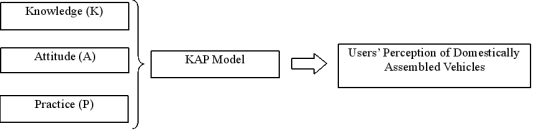
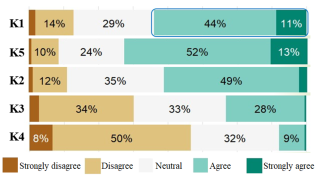
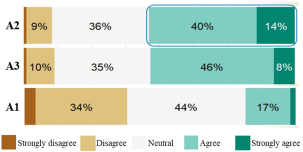
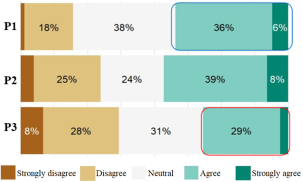
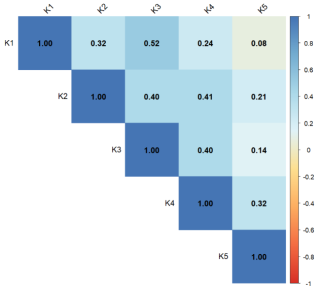
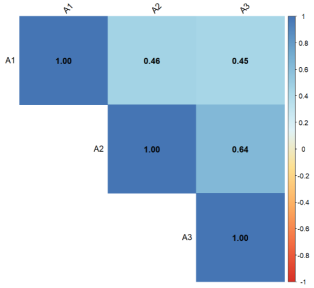
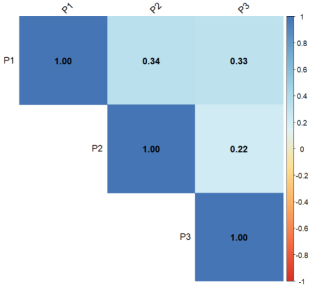
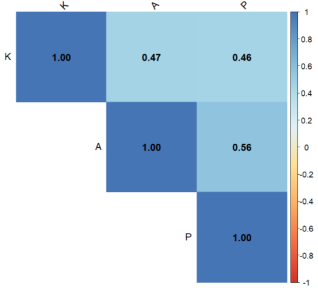




 Share This Article
 Twitter
 Linked In
 Facebook