
Background: Occupational type and job demands have been found to impact cardiovascular health. Aim: This study was designed to evaluate the cardiovascular effect of occupational isometric handgrip exercise on fuel attendants of petrol stations in Delta State. Materials and Methods: A cross‑sectional comparative study of 400 petrol station staff participants including 200 fuel attendants 200 administrative staff as controls was conducted to ascertain the cardiovascular effect of their job type. Data was collected using a structured interviewer‑administered questionnaire and direct measurements. Systolic, diastolic blood pressures, pulse rate and anthropometric indices were measured. Data were analyzed in SPSS v21 using independent t‑tests, ANOVA, and chi‑square tests; significance was set at p < 0.05. Results: Administrative staff had higher mean systolic BP (148.4 ± 13.2 mmHg) and diastolic BP (96.2 ± 9.1 mmHg) compared to Fuel attendants (122.8 ± 11.8 mmHg and 80.1 ± 7.9 mmHg, p < 0.001 respectively). Mean pulse rate was also higher in administrative staff (88.2 ± 8.4 bpm) than fuel attendants (74.6 ± 6.8 bpm, p < 0.001). Administrative staff had significantly higher mean BMI (25.8 ± 3.4 kg/m2) than fuel attendants (23.9 ± 2.8 kg/m2, p < 0.001). Elevated BP prevalence was 31.0% in administrative staff versus 19.0% in fuel attendants (p = 0.006), while abnormal pulse rate occurred in 14.0% and 6.0% respectively (p = 0.008). Conclusion: Fuel attendants demonstrated comparatively better cardiovascular indices, attributed to the protective effect of the occupational isometric handgrip exercise inherent in their job.
| Published in | Advances (Volume 7, Issue 3) |
| DOI | 10.11648/j.advances.20260703.11 |
| Page(s) | 43-56 |
| Creative Commons |
This is an Open Access article, distributed under the terms of the Creative Commons Attribution 4.0 International License (http://creativecommons.org/licenses/by/4.0/), which permits unrestricted use, distribution and reproduction in any medium or format, provided the original work is properly cited. |
| Copyright |
Copyright © The Author(s), 2026. Published by Science Publishing Group |
Blood Pressure, Fuel Attendants, Administrative Staff, Occupational Exposure, Cardiovascular Health
Variable | Fuel Attendants (n = 200) | Administrative Staff (n = 200) | Total (N = 400) |
|---|---|---|---|
Age Group (years) | |||
30-40 | 162 (81.0%) | 140 (70.0%) | 302 (75.5%) |
41-50 | 38 (19.0%) | 60 (30.0%) | 98 (24.5%) |
Sex | |||
Male | 142 (71.0%) | 96 (48.0%) | 238 (59.5%) |
Female | 58 (29.0%) | 104 (52.0%) | 162 (40.5%) |
Marital Status | |||
Single | 82 (41.0%) | 68 (34.0%) | 150 (37.5%) |
Married | 102 (51.0%) | 112 (56.0%) | 214 (53.5%) |
Divorced/Widowed | 16 (8.0%) | 20 (10.0%) | 36 (9.0%) |
Educational Level | |||
No Formal Education | 16 (8.0%) | 0 (0.0%) | 16 (4.0%) |
Primary Education | 42 (21.0%) | 6 (3.0%) | 48 (12.0%) |
Secondary Education | 112 (56.0%) | 58 (29.0%) | 170 (42.5%) |
Tertiary Education | 30 (15.0%) | 136 (68.0%) | 166 (41.5%) |
Years of Work Experience | |||
1-5 years | 102 (51.0%) | 78 (39.0%) | 180 (45.0%) |
6-10 years | 64 (32.0%) | 70 (35.0%) | 134 (33.5%) |
>10 years | 34 (17.0%) | 52 (26.0%) | 86 (21.5%) |
Monthly Income (₦) | |||
< ₦30,000 | 118 (59.0%) | 4 (2.0%) | 122 (30.5%) |
₦30,000 - ₦60,000 | 70 (35.0%) | 42 (21.0%) | 112 (28.0%) |
₦61,000 - ₦100,000 | 8 (4.0%) | 86 (43.0%) | 94 (23.5%) |
> ₦100,000 | 4 (2.0%) | 68 (34.0%) | 72 (18.0%) |
Work Schedule | |||
Day Shift Only | 84 (42.0%) | 190 (95.0%) | 274 (68.5%) |
Night Shift Only | 26 (13.0%) | 0 (0.0%) | 26 (6.5%) |
Rotating Shift | 90 (45.0%) | 10 (5.0%) | 100 (25.0%) |
Do you smoke? | Yes | 24 (12.0%) | 36 (18.0%) |
No | 176 (88.0%) | 164 (82.0%) | |
Do you consume alcohol? | Yes | 64 (32.0%) | 82 (41.0%) |
No | 136 (68.0%) | 118 (59.0%) | |
Occupational Physical activity | Daily | 52 (26.0%) | 48 (24.0%) |
Occasionally | 88 (44.0%) | 82 (41.0%) | |
Rarely | 38 (19.0%) | 46 (23.0%) | |
Never | 22 (11.0%) | 24 (12.0%) | |
Diet rating | Balanced | 62 (31.0%) | 60 (30.0%) |
Moderate | 102 (51.0%) | 96 (48.0%) | |
Unhealthy | 36 (18.0%) | 44 (22.0%) | |
Known medical condition | Yes | 28 (14.0%) | 46 (23.0%) |
No | 172 (86.0%) | 154 (77.0%) | |
Variable | Respondent | Fuel Attendants (n = 200) | Administrative Staff (n = 200) |
Hours worked/day | <6 hrs | 12 (6.0%) | 18 (9.0%) |
6-8 hrs | 108 (54.0%) | 144 (72.0%) | |
>8 hrs | 80 (40.0%) | 38 (19.0%) | |
Physical stress at work | Yes | 160 (80.0%) | 126 (63.0%) |
No | 40 (20.0%) | 74 (37.0%) | |
Work environment stress | Very stressful | 84 (42.0%) | 94 (47.0%) |
Moderate | 92 (46.0%) | 84 (42.0%) | |
Not stressful | 24 (12.0%) | 22 (11.0%) | |
Exposure to fumes/fuel | Yes | 200 (100.0%) | 200 (100.0%) |
No | 0 (0.0%) | 0 (0.0%) | |
Ever checked BP/pulse rate | Yes | 120 (60.0%) | 148 (74.0%) |
No | 80 (40.0%) | 52 (26.0%) |
Parameter | Fuel Attendants (n = 200) Mean ± SD | Administrative Staff (n = 200) Mean ± SD | Total (N = 400) Mean ± SD |
|---|---|---|---|
Weight (kg) | 69.8 ± 9.4 | 74.2 ± 10.6 | 72.0 ± 10.0 |
Height (m) | 1.71 ± 0.07 | 1.69 ± 0.06 | 1.70 ± 0.07 |
BMI (kg/m2) | 23.9 ± 2.8 | 26.0 ± 3.6 | 25.0 ± 3.3 |
Pulse Rate (bpm) | 74.6 ± 6.8 | 88.2 ± 8.4 | 81.4 ± 9.6 |
Systolic BP (mmHg) | 122.8 ± 11.8 | 148.4 ± 13.2 | 135.6 ± 17.5 |
Diastolic BP (mmHg) | 80.1 ± 7.9 | 96.2 ± 9.1 | 88.2 ± 10.3 |
Parameter | Fuel Attendants (n = 200) Mean ± SD | Administrative Staff (n = 200) Mean ± SD | t-value | p-value |
|---|---|---|---|---|
Systolic BP (mmHg) | 122.8 ± 11.8 | 148.4 ± 13.2 | 10.24 | <0.001* |
Diastolic BP (mmHg) | 80.1 ± 7.9 | 96.2 ± 9.1 | 9.86 | <0.001* |
Group | n | Mean ± SD (bpm) | t-value | p-value |
|---|---|---|---|---|
Fuel Attendants | 200 | 74.6 ± 6.8 | ||
Administrative Staff | 200 | 88.2 ± 8.4 | 11.62 | <0.001* |
Parameter | Fuel Attendants (n = 200) Mean ± SD | Administrative Staff (n = 200) Mean ± SD | t-value | p-value |
|---|---|---|---|---|
Weight (kg) | 69.8 ± 9.4 | 74.2 ± 10.6 | 4.12 | <0.001* |
Height (m) | 1.71 ± 0.07 | 1.69 ± 0.06 | 1.66 | 0.098 |
BMI (kg/m2) | 23.9 ± 2.8 | 26.0 ± 3.6 | 5.72 | <0.001* |
Factor | χ2 | Df | p-value |
|---|---|---|---|
Age group vs Systolic BP | 15.24 | 3 | 0.001* |
Sex vs Pulse Rate | 10.65 | 1 | 0.001* |
Educational level vs BP | 18.42 | 3 | <0.001* |
Physical activity vs BP | 12.58 | 3 | 0.006* |
Smoking status vs Pulse Rate | 14.11 | 1 | <0.001* |
Parameter | Fuel Attendants (n = 200) | Administrative Staff (n = 200) | χ2 | p-value |
|---|---|---|---|---|
Elevated BP (≥140/90 mmHg) | 38 (19.0%) | 112 (56.0%) | 41.76 | <0.001* |
Abnormal Pulse Rate (<60 or >100 bpm) | 12 (6.0%) | 38 (19.0%) | 14.54 | <0.001* |
ACC | American College of Cardiology |
AHA | American Heart Association |
ANOVA | Analysis of Variance |
BMI | Body Mass Index |
BP | Blood Pressure |
BTEX | Benzene, Toluene, Ethylbenzene and Xylene |
DBP | Diastolic Blood Pressure |
LGA | Local Government Area |
MVC | Maximum Voluntary Contraction |
PAR-Q | Physical Activity Readiness Questionnaire |
PMS | Premium Motor Spirit |
PPE | Personal Protective Equipment |
SBP | Systolic Blood Pressure |
SD | Standard Deviation |
SPSS | Statistical Package for the Social Sciences |
VOCs | Volatile Organic Compounds |
| [1] | Resolution Law Firm. (2020). Nigeria: Overview of oil and gas regulations in Nigeria. |
| [2] | U.S. Environmental Protection Agency. (2019). Guidelines for human exposure assessment (EPA/100/B-19/001). Risk Assessment Forum. |
| [3] | Patil, S., Sumangala, P., Sampada, K. and Pandurang, G. (2017). Effect of petroleum fumes on cardio-pulmonary efficiency in petrol pump workers of Western Maharashtra. Research Journal of Pharmaceutical, Biological and Chemical Sciences 8(1): 408-414. |
| [4] | Abbasi, F., Pasalari, H., Delgado-Saborit, J. M., Rafiee, A., Abbasi, A. and Hoseini, M. (2020). Characterization and risk assessment of BTEX in ambient air of a Middle Eastern city. Process Safety and Environmental Protection 139: 98-105. |
| [5] | Yu, B., Yuan, Z., Yu, Z. and Xue-song, F. (2022). BTEX in the environment: An update on sources, fate, distribution, pretreatment, analysis, and removal techniques. Chemical Engineering Journal 435: 134825. |
| [6] | Kuranchie, F. A., Angnunavuri, P. N., Attiogbe, F., and Nerquaye-Tetteh, E. N. (2019). Occupational exposure of benzene, toluene, ethylbenzene and xylene (BTEX) to pump attendants in Ghana: Implications for policy guidance. Cogent Environmental Science 5(1): 1603418. |
| [7] | Pushpakumar, S., Ren, L., Kundu, S., Gamon, A., Tyagi, S. C. and Sen, U. (2017). Toll-like receptor 4 deficiency reduces oxidative stress and macrophage mediated inflammation in hypertensive kidney. Scientific Reports 7(1): 6349. |
| [8] | Jasek-Gajda E., Jurkowska H., Jasińska M., Litwin J. A. and Lis G. J. (2020). Combination of ERK2 and STAT3 Inhibitors Promotes Anticancer Effects on Acute Lymphoblastic Leukemia Cells. Cancer Genomics Proteomics 3(5): 517-527. |
| [9] | Singh, H., Singh, S. and Raza, S. T. (2024). Evaluation of cardiopulmonary function and health outcomes among petrol pump attendants in Lucknow district. International Journal of Research in Medical Sciences 12(1): 4643-4648. |
| [10] | Dissi, G. M. (2018). Assessment of cardiopulmonary function and respiratory symptoms among petrol pump attendants in Kano metropolis. Dutse Journal of Pure and Applied Sciences 4(2): 374-382. |
| [11] | Anigilaje, E. A., Nasir, Z. A. and Walton, C. (2024). Exposure to benzene, toluene, ethylbenzene, and xylene (BTEX) at Nigeria’s petrol stations: A review of current status, challenges and future directions. Frontiers in Public Health 12: 1295758. |
| [12] | World Health Organization. (2023). Air quality and health: Sustainable development goals and air pollution. |
| [13] | Moke, E. G. (2019). Adherence of safety practices and the effect of petroleum product on petrol station attendants in Abraka, Delta State, Nigeria. Journal of Applied Sciences and Environmental Management 23(11): 2009-2012. |
| [14] | Ovuakporaye, S. I. (2019). Assessment of changes in cardiovascular parameters among petrol pump attendants in Ughelli, Delta State Nigeria. Journal of Applied Sciences and Environmental Management 23(11): 2071-2075. |
| [15] | World Health Organization. (2023). The global health observatory. |
| [16] | Qi, Z. H., Zhang, Y. H., Chen, Z. F., Yang, C., Song, Y. Y., Liao, X. L., Li, W. Q., Tsang, S. Y., Liu, G. G. and Cai, W. Z. (2020). Chemical identity and cardiovascular toxicity of hydrophobic organic components in PM2.5. Ecotoxicology and Environmental Safety 201: 110827. |
| [17] | Kany, S., Vollrath, J. T. and Relja, B. (2019). Cytokines in inflammatory disease. International Journal of Molecular Sciences 20(23): 6008. |
| [18] | Fedak, K. M., Good, N., Walker, E. S., Balmes, J., Brook, R. D., Clark, M. L., Pennise, D. and Naeher, L. P. (2019). Acute effects on blood pressure following controlled exposure to cookstove air pollution in the STOVES study. Journal of the American Heart Association 8(21): 012246. |
| [19] | Al-Harbi, M., Alhajri, I., AlAwadhi, A. and Whalen, J. K. (2020). Health symptoms associated with occupational exposure of gasoline station workers to BTEX compounds. Atmospheric Environment 241: 117847. |
| [20] | Okemuo, A. J. (2020). Assessment of respiratory symptoms and cardiopulmonary indices among petrol pump attendants in Enugu Metropolis. International Journal of Medicine and Health Development 25. |
| [21] | Anyiam, A. F., Obi, E., Ifeanyichukwu, M. O. and Ilo, E. C. (2020). Effects of gasoline on haematological parameters of gasoline station workers in Onitsha, Anambra State, Nigeria. Sokoto Journal of Medical Laboratory Science 5(1): 5-10. |
| [22] | Adewuyi, O. B., Kiptoo, M. K., Afolayan, A. F., Amara, T., Alawode, O. I. and Senjyu, T. (2020). Challenges and prospects of Nigeria’s sustainable energy transition with lessons from other countries’ experiences. Energy Reports 6: 993-1009. |
| [23] | Ogbutor, G. U., Nwangwa, E. K. and Uyagu, D. D. (2019). Isometric handgrip exercise training attenuates blood pressure in prehypertensive subjects at 30% maximum voluntary contraction. Nigerian Journal of Clinical Practice 22(12): 1765-1771. |
| [24] | Kiveloff, B. and Huber, O. (1971). Brief maximal isometric exercise in hypertension. Journal of the American Geriatrics Society 19: 1006-1012. |
| [25] | Buck, C. and Donner, A. P. (1985). Isometric occupational exercise and the incidence of hypertension. Journal of Occupational Medicine 27(5): 370-372. |
| [26] | Wiley, R. L., Dunn, C. L., Cox, R. H., Hueppchen, N. A. and Scott, M. S. (1992). Isometric exercise training lowers resting blood pressure. Medicine and Science in Sports and Exercise 24(7): 749-754. |
| [27] | Ray, C. A. and Carrasco, D. I. (2000). Isometric handgrip training reduces arterial pressure at rest without changes in sympathetic nerve activity. American Journal of Physiology - Heart and Circulatory Physiology 279(245-249). |
| [28] | Taylor, A. C., McCartney, N., Kamath, M. V. and Wiley, R. L. (2003). Isometric training lowers resting blood pressure and modulates autonomic control. Medicine and Science in Sports and Exercise 35(2): 251-256. |
| [29] | Peters, P. G., Alessio, H. M., Hagerman, A. E., Ashton, T., Nagy, S. and Wiley, R. L. (2006). Short-term isometric exercise reduces systolic blood pressure in hypertensive adults: possible role of reactive oxygen species. International Journal of Cardiology 110(2): 199-205. |
| [30] | Ogbutor, U. G., Nwangwa, E. K., Nkemakonam, E., Ephraim, C., Ugoeze, F. C., Ezunu, E., Nwabueze, O. Z. and Collins, O. (2022). The blood pressure and pulse rate responses to isometric handgrip exercise and the effects of variation of the duration and intensity of the exercise protocol in prehypertensive patients. Biomedical Journal of Scientific and Technical Research 43(2) |
| [31] | Godsday OU, Kingsley NE, Chukwuebuka NB, Ephraim C, Emmanuel E, Ejime AC, Chukwuka IJ (2021). Isometric handgrip exercise training improves spirometric parameters and pulmonary capacity. Pathophysiology 28(3): 328-338 |
| [32] | Ogbutor, U. G., Nwangwa, E. K., Ogbeivor, C., Ezeonu, N., Nwabueze, O. Z., Agbonifo, C. E. and Nwoguezez, B. C. (2022). Immune system response to isometric handgrip exercise and effects of duration and intensity of the exercise protocol on selected immune system parameters in prehypertensives. International Journal Physiology Pathophysiology Pharmacology 14(1): 24-32. |
| [33] | Udoji, G. O., Eze, K. N., John, C. I., Francis, C. U., Emmanuel, E. and Ejime, A. C. (2022). Proinflammatory and antiinflammatory cytokines response to isometric handgrip exercise and the effects of duration and intensity in prehypertensive subjects. Journal of Chiropractic Medicine 21(3): 177-186. |
| [34] | Lewis, E. J., Boyle, E., Magharious, L. and Myers, G. Ma. (2002). Evaluation of community based automated blood pressure measuring Device. CMAJ 166(9): 1145-8. |
| [35] | Coe, T. R. and Houghton, K. (2002). Comparison of the automated Dinamap blood pressure monitor with the mercury sphygmomanometer for detecting hypertension in the day case pre-assessment clinic. Journal of Ambulatory Surgery 10(1): 9-15. |
| [36] | Kumar, S. N. S., Omar, B., Htwe, O., Joseph, L. H., Krishnan, J., Jafarzedah, E., A. and Min, L. L. (2014). Reliability, agreement, and validity of digital weighing scale (DWSs) in static limb-loading measurement. Journal of Rehabilitation Research and Development 51(4): 591-598. |
| [37] | Muntner, P., Shimbo, D., Carey, R. M., Charleston, J. B., Gaillard, T., Misra, S., Myers, M. G., Ogedegbe, G., Schwartz, J. E., Townsend, R. R., Urbina, E. M., Viera, A. J., White, W. B. and Wright, J. T., Jr. (2019). Measurement of blood pressure in humans: A scientific statement from the American Heart Association. Hypertension 73(5): 35-66. |
| [38] | Wiles, J. D., Coleman, D. A and Swaine, I. L. (2010). The effects of performing isometric training at two exercise intensities in healthy young males. Eurupean Journal of Applied Physiology 108(3): 419-28. |
| [39] | Katzel, L. I., Bleecker, E. R., Colman, E. G., Rogus, E. M., Sorkin, J. D. and Goldberg, A. P. (1995). Effects of weight loss vs aerobic exercise training on risk factors for coronary disease in healthy, obese, middle-aged and older men: A randomized controlled trial. JAMA 274(24): 1915-1921. |
| [40] | ickering, T. G., Hall, J. E., Appel, L. J., Falkner, B. E., Graves, J., Hill, M. N., Jones, D. W., Kurtz, T., Sheps, S. G. and Roccella, E. J. (2005). Recommendations for blood pressure measurement in humans and experimental animals: Part 1, blood pressure measurement in humans. Circulation 111(5): 697-716. |
| [41] | Mmom, P., Nwaogazie, I. L. and Jia, N. (2022). Fire risk evaluation for petroleum products handling facilities in Niger Delta region, Nigeria. Current Journal of Applied Science and Technology 41(37): 19-29. |
| [42] | Bristol-Alagbariya, E. T. (2019). Duties in permanent sovereignty over natural wealth and resources and petroleum development in Nigeria: Need to domesticate benchmarked international standards and practices in the country. Journal of Law, Policy and Globalization 92: 95-115. |
| [43] | Earlyanti, N. I., and Wijayanto, B. P. W. (2020). The role of radio in digital era and community participation in maintenance safety and traffic safety in East Java. In International Conference on Agriculture, Social Sciences, Education Technology and Health (ICASSETH 2019) (pp. 45-50). Atlantis Press. |
| [44] | Johnson, O. E. and Umoren, Q. M. (2018). Assessment of occupational hazards, health problems and safety practices of petrol station attendants in Uyo, Nigeria. Journal of Community Medicine and Primary Health Care 30(1): 47-57. |
| [45] | Tongsantia, U., Chaiklieng, S., Suggaravetsiri, P., Andajani, S. and Autrup, H. (2021). Factors affecting adverse health effects of gasoline station workers. International Journal of Environmental Research and Public Health 18(18): 10014. |
| [46] | Das, T. K., Chatterjee, K. and Das, S. (2020). A prospective comparative study. International Journal of Medical Science and Public Health 9(1): 97-100. |
| [47] | Cavero-Redondo, I., Martínez-Vizcaíno, V., Ruiz, J. R., Veiga, Ó. L. and Martínez, M. P. (2019). Steps per day and arterial stiffness: a systematic review and meta-analysis. Journal of the American Society of Hypertension 13(12): 1189-1197. |
| [48] | World Health Organization. (2021). WHO guidelines on physical activity and sedentary behaviour. World Health Organization. |
| [49] | Yin, Y., Tan, X. and Fan, J. (2023). Occupational fatigue and health of gas station workers: A review. Work 76(3): 707-726. |
| [50] | Owen, N., Healy, G. N., Dempsey, P. C., Salmon, J., Shaw, J. E., Zimmet, P. Z. and Dunstan, D. W. (2020). Sedentary behaviour and cardiovascular disease: are we making progress in understanding the risk? European Heart Journal 41(19): 1800-1803. |
| [51] | Eworo, R. E., Fabian, U. A., Luke, U. O., Usoro, C. A., Thomas, C., Johnson, D. D, and Etta, H. E. (2023). Enhancement of oxidative stress, oxidative DNA damage and lowered PEFR in gasoline station attendants in Calabar Metropolis. Global Journal of Pure and Applied Sciences 29(1): 63-71. |
APA Style
Godsday, O. U., Eloho, O. F., Selly-U, E. B., Godson, O. E., Junior, N. J., et al. (2026). The Effect of Occupational Isometric Handgrip Exercise on the Blood Pressure of Fuel Attendants in Delta State. Advances, 7(3), 43-56. https://doi.org/10.11648/j.advances.20260703.11
ACS Style
Godsday, O. U.; Eloho, O. F.; Selly-U, E. B.; Godson, O. E.; Junior, N. J., et al. The Effect of Occupational Isometric Handgrip Exercise on the Blood Pressure of Fuel Attendants in Delta State. Advances. 2026, 7(3), 43-56. doi: 10.11648/j.advances.20260703.11
@article{10.11648/j.advances.20260703.11,
  author = {Ogbutor Udoji Godsday and Okri Favour Eloho and Erumi Blessing Selly-U and Ogbutor Emeke Godson and Nwose Jephtah Junior and Anastacia Ojimba and Ezunu Emmanuel and Chukwuemeka Ephraim and Ezunu Ngozi Esther},
  title = {The Effect of Occupational Isometric Handgrip Exercise on the Blood Pressure of Fuel Attendants in Delta State},
  journal = {Advances},
  volume = {7},
  number = {3},
  pages = {43-56},
  doi = {10.11648/j.advances.20260703.11},
  url = {https://doi.org/10.11648/j.advances.20260703.11},
  eprint = {https://article.sciencepublishinggroup.com/pdf/10.11648.j.advances.20260703.11},
  abstract = {Background: Occupational type and job demands have been found to impact cardiovascular health. Aim: This study was designed to evaluate the cardiovascular effect of occupational isometric handgrip exercise on fuel attendants of petrol stations in Delta State. Materials and Methods: A cross‑sectional comparative study of 400 petrol station staff participants including 200 fuel attendants 200 administrative staff as controls was conducted to ascertain the cardiovascular effect of their job type. Data was collected using a structured interviewer‑administered questionnaire and direct measurements. Systolic, diastolic blood pressures, pulse rate and anthropometric indices were measured. Data were analyzed in SPSS v21 using independent t‑tests, ANOVA, and chi‑square tests; significance was set at p 2) than fuel attendants (23.9 ± 2.8 kg/m2, p < 0.001). Elevated BP prevalence was 31.0% in administrative staff versus 19.0% in fuel attendants (p = 0.006), while abnormal pulse rate occurred in 14.0% and 6.0% respectively (p = 0.008). Conclusion: Fuel attendants demonstrated comparatively better cardiovascular indices, attributed to the protective effect of the occupational isometric handgrip exercise inherent in their job.},
 year = {2026}
}
TY  - JOUR
T1  - The Effect of Occupational Isometric Handgrip Exercise on the Blood Pressure of Fuel Attendants in Delta State
AU  - Ogbutor Udoji Godsday
AU  - Okri Favour Eloho
AU  - Erumi Blessing Selly-U
AU  - Ogbutor Emeke Godson
AU  - Nwose Jephtah Junior
AU  - Anastacia Ojimba
AU  - Ezunu Emmanuel
AU  - Chukwuemeka Ephraim
AU  - Ezunu Ngozi Esther
Y1  - 2026/08/06
PY  - 2026
N1  - https://doi.org/10.11648/j.advances.20260703.11
DO  - 10.11648/j.advances.20260703.11
T2  - Advances
JF  - Advances
JO  - Advances
SP  - 43
EP  - 56
PB  - Science Publishing Group
SN  - 2994-7200
UR  - https://doi.org/10.11648/j.advances.20260703.11
AB  - Background: Occupational type and job demands have been found to impact cardiovascular health. Aim: This study was designed to evaluate the cardiovascular effect of occupational isometric handgrip exercise on fuel attendants of petrol stations in Delta State. Materials and Methods: A cross‑sectional comparative study of 400 petrol station staff participants including 200 fuel attendants 200 administrative staff as controls was conducted to ascertain the cardiovascular effect of their job type. Data was collected using a structured interviewer‑administered questionnaire and direct measurements. Systolic, diastolic blood pressures, pulse rate and anthropometric indices were measured. Data were analyzed in SPSS v21 using independent t‑tests, ANOVA, and chi‑square tests; significance was set at p 2) than fuel attendants (23.9 ± 2.8 kg/m2, p < 0.001). Elevated BP prevalence was 31.0% in administrative staff versus 19.0% in fuel attendants (p = 0.006), while abnormal pulse rate occurred in 14.0% and 6.0% respectively (p = 0.008). Conclusion: Fuel attendants demonstrated comparatively better cardiovascular indices, attributed to the protective effect of the occupational isometric handgrip exercise inherent in their job.
VL  - 7
IS  - 3
ER  -
Department of Human Physiology, Delta State University, Abraka, Nigeria
Department of Human Physiology, Delta State University, Abraka, Nigeria
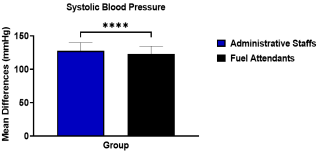
Figure 1. Data are expressed as mean ± SD (n = 200).
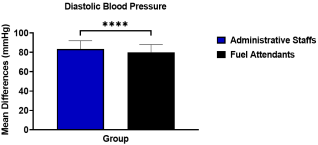
Figure 2. Data are expressed as mean ± SD (n = 200).
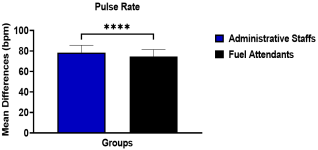
Figure 3. Data are expressed as mean ± SD (n = 200).
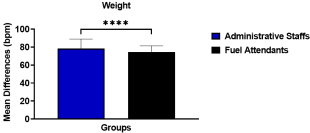
Figure 4. Data are expressed as mean ± SD (n = 200).
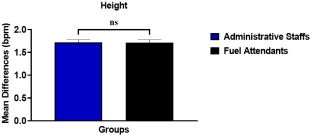
Figure 5. Data are expressed as mean ± SD (n = 200).
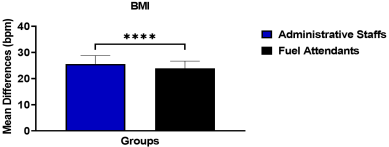
Figure 6. Data are expressed as mean ± SD (n = 200).

Information


 Share This Article
 Twitter
 Linked In
 Facebook
 Copy
Copy Download