Abstract
Patient registration systems play an important role in ensuring accurate health information management and efficient service delivery within healthcare facilities. In many Nigerian tertiary hospitals, manual and digital registration systems continue to operate simultaneously, yet evidence comparing their influence on data quality, patient waiting time, and healthcare worker satisfaction remains limited. This study assessed the effects of manual and digital registration systems on data quality, waiting time, and healthcare worker satisfaction in tertiary hospitals in Kogi State, Nigeria. The facility-based cross-sectional study was conducted among 452 healthcare workers selected through stratified random sampling from two tertiary hospitals in Kogi State. Data were collected using a structured questionnaire and analyzed using descriptive statistics, independent samples t-tests, and multiple linear regression. Statistical significance was set at p < 0.05. Most respondents were aged 25–29 years (30.31%), female (67.70%), Christian (57.08%), and married (76.99%). Respondents using digital registration systems reported higher data quality scores (2.96 ± 0.36) than those using manual registration systems (2.72 ± 0.37; p < 0.001). Similarly, digital registration systems recorded better waiting-time performance (2.17 ± 0.26) compared with manual registration systems (2.07 ± 0.23; p = 0.001). Healthcare worker satisfaction was significantly lower among users of manual-only registration systems (β = −0.527, 95% CI: −0.678 to −0.376; p < 0.001), whereas satisfaction among digital-only users did not differ significantly from that of hybrid-system users (β = 0.027, 95% CI: −0.142 to 0.197; p = 0.750). The study concludes that digital registration systems offer advantages in data quality, waiting time, and healthcare worker satisfaction compared with manual registration systems. Strengthening digital health infrastructure, providing continuous staff training, and ensuring adequate technical support may enhance the effectiveness of registration systems and improve health information management in tertiary healthcare facilities.
|
Published in
|
World Journal of Public Health (Volume 11, Issue 3)
|
|
DOI
|
10.11648/j.wjph.20261103.13
|
|
Page(s)
|
249-263 |
|
Creative Commons
|

This is an Open Access article, distributed under the terms of the Creative Commons Attribution 4.0 International License (http://creativecommons.org/licenses/by/4.0/), which permits unrestricted use, distribution and reproduction in any medium or format, provided the original work is properly cited.
|
|
Copyright
|
Copyright © The Author(s), 2026. Published by Science Publishing Group
|
Keywords
Data Quality, Digital Health, Healthcare Worker Satisfaction, Patient Registration Systems, Tertiary Hospitals, Waiting Time
1. Introduction
Healthcare systems worldwide are increasingly adopting digital technologies to improve the management of patient information and enhance the quality of healthcare delivery
| [1] | Adebayo, O. S., Ogunyemi, A. O., & Akinyemi, J. O. (2020). Adoption and use of electronic health records among health workers in tertiary hospitals in Nigeria. African Journal of Health Sciences, 33(2), 45–56. |
| [2] | Adeleke, I. T., Adekanye, A. O., Onawola, K. A., Okuku, A. G., Adefemi, S. A., Erinle, S. A., & James, J. A. (2015). Data quality assessment in healthcare: A 365-day chart review of inpatients’ records at a Nigerian tertiary hospital. Journal of the American Medical Informatics Association, 22(5), 1039–1042. https://doi.org/10.1093/jamia/ocv047 |
| [3] | Agarwal, R., Gao, G., DesRoches, C., & Jha, A. K. (2010). The digital transformation of healthcare: Current status and the road ahead. Information Systems Research, 21(4), 796–809.
https://doi.org/10.1287/isre.1100.0327 |
[1-3]
. Among these technologies, digital patient registration systems have become an important component of health information management because they facilitate the collection, storage, retrieval, and sharing of patient data across different levels of care
| [4] | Akwaowo, C. D., Sabi, H. M., Ekpenyong, N., Isiguzo, C. M., Andem, N. F., Maduka, O., Dan, E., Umoh, E., Ekpin, V., & Uzoka, F. M. E. (2022). Adoption of electronic medical records in developing countries: A multi-state study of the Nigerian healthcare system. Frontiers in Digital Health, 4, Article 1017231. https://doi.org/10.3389/fdgth.2022.1017231 |
| [5] | Alotaibi, Y. K., & Federico, F. (2017). The impact of health information technology on patient safety. Saudi Medical Journal, 38(12), 1173–1180.
https://doi.org/10.15537/smj.2017.12.20631 |
[4, 5]
. Effective registration systems serve as the entry point into the healthcare system and provide the foundation for accurate documentation, continuity of care, and informed clinical decision-making
| [6] | Bali, A., Bali, D., Iyer, N., & Iyer, M. (2011). Management of medical records: Facts and figures for surgeons. Journal of Maxillofacial and Oral Surgery, 10(3), 199–202.
https://doi.org/10.1007/s12663-011-0219-8 |
[6]
.
Traditionally, patient registration in many healthcare facilities has relied on manual paper-based processes involving handwritten records and physical filing systems
| [7] | Biya, M., Gezahagn, M., Birhanu, B., Yitbarek, K., Getachew, N., & Beyene, W. (2022). Waiting time and its associated factors in patients presenting to outpatient departments at public hospitals of Jimma Zone, Southwest Ethiopia. BMC Health Services Research, 22(1), Article 107.
https://doi.org/10.1186/s12913-022-07502-8 |
| [8] | Blumenthal, D., & Tavenner, M. (2010). The “meaningful use” regulation for electronic health records. New England Journal of Medicine, 363(6), 501–504.
https://doi.org/10.1056/NEJMp1006114 |
[7, 8]
. Although manual registration systems remain widely used because of their simplicity and relatively low infrastructure requirements, they are often associated with challenges such as incomplete documentation, transcription errors, misplaced records, and difficulties in retrieving patient information when needed
| [9] | Boonstra, A., & Broekhuis, M. (2010). Barriers to the acceptance of electronic medical records by physicians: From systematic review to taxonomy and interventions. BMC Health Services Research, 10, Article 231.
https://doi.org/10.1186/1472-6963-10-231 |
| [10] | Boonstra, A., Versluis, A., & Vos, J. F. J. (2014). Implementing electronic health records in hospitals: A systematic literature review. BMC Health Services Research, 14, Article 370.
https://doi.org/10.1186/1472-6963-14-370 |
[9, 10]
. These limitations can affect the quality of healthcare data and reduce the efficiency of healthcare delivery.
Furthermore, accurate and complete patient information supports appropriate clinical decisions, effective communication among healthcare providers, and reliable monitoring of health outcomes
| [11] | Chaudhry, B., Wang, J., Wu, S., Maglione, M., Mojica, W., Roth, E., Morton, S. C., & Shekelle, P. G. (2006). Systematic review: Impact of health information technology on quality, efficiency, and costs of medical care. Annals of Internal Medicine, 144(10), 742–752.
https://doi.org/10.7326/0003-4819-144-10-200605160-00125 |
| [12] | Cicolo, E. A., & Peres, H. H. C. (2019). Electronic and manual registration of Manchester System: Reliability, accuracy, and time evaluation. Revista Latino-Americana de Enfermagem, 27, e3241. https://doi.org/10.1590/1518-8345.3170.3241 |
| [13] | Evans, R. S. (2016). Electronic health records: Then, now, and in the future. Yearbook of Medical Informatics, 25(S1), S48–S61. https://doi.org/10.15265/IY-2016-s006 |
[11-13]
. Conversely, poor-quality data can contribute to medical errors, duplication of services, delays in treatment, and inefficient use of healthcare resources
| [14] | Fraser, H. S. F., Biondich, P., Moodley, D., Choi, S., Mamlin, B. W., & Szolovits, P. (2005). Implementing electronic medical record systems in developing countries. Informatics in Primary Care, 13(2), 83–95. |
[14]
. Digital registration systems have been promoted as a means of improving data quality through standardized data entry procedures, automated validation processes, and improved record management capabilities
| [15] | Gizaw, Z., Astale, T., & Kassie, G. M. (2022). What improves access to primary healthcare services in rural communities? A systematic review. BMC Primary Care, 23(1), Article 313.
https://doi.org/10.1186/s12875-022-01919-0 |
| [16] | Holden, R. J., & Karsh, B. T. (2010). The technology acceptance model: Its past and its future in health care. Journal of Biomedical Informatics, 43(1), 159–172.
https://doi.org/10.1016/j.jbi.2009.07.002 |
[15, 16]
.
Beyond data quality, registration systems can influence the timeliness of healthcare services. Patient waiting time remains an important indicator of healthcare system performance and is closely linked to patient experiences and perceptions of service quality
| [17] | Iluyemi, A., & Briggs, J. (2018). Healthcare information systems in developing countries: A review of success and failure factors. Health Information Management Journal, 47(3), 120–131. https://doi.org/10.1177/1833358317712296 |
[17]
. Delays during registration may create bottlenecks that affect patient movement through healthcare facilities and prolong access to clinical services
| [18] | Lippeveld, T., Sauerborn, R., & Bodart, C. (2020). Design and implementation of health information systems. World Health Organization. |
[18]
. Evidence from previous studies suggests that digital registration systems can reduce administrative delays and improve access to patient information, thereby contributing to shorter waiting times and more efficient service delivery processes
| [19] | Lorkowski, J., & Pokorski, M. (2022). Medical records: A historical narrative. Biomedicines, 10(10), Article 2594.
https://doi.org/10.3390/biomedicines10102594 |
| [20] | Manca, D. P., & Greiver, M. (2015). Do electronic medical records improve quality of care? Yes. Canadian Family Physician, 61(10), 846–847. |
[19, 20]
. However, improvements in registration procedures do not necessarily translate into better service flow across healthcare facilities, as other organisational and operational factors may also influence patient movement and service coordination
| [21] | Obotu, A. S., & Solomon, U. (2018). Evaluative study of digital record management system in hospitals in Minna metropolis (A case study of General Hospital Minna, Niger State, Nigeria). Library Philosophy and Practice. |
[21]
.
In addition, healthcare workers play a central role in the successful implementation and utilization of registration systems as their experiences and level of satisfaction can influence system acceptance, compliance with documentation procedures, and overall effectiveness of health information management practices
| [11] | Chaudhry, B., Wang, J., Wu, S., Maglione, M., Mojica, W., Roth, E., Morton, S. C., & Shekelle, P. G. (2006). Systematic review: Impact of health information technology on quality, efficiency, and costs of medical care. Annals of Internal Medicine, 144(10), 742–752.
https://doi.org/10.7326/0003-4819-144-10-200605160-00125 |
| [22] | Ojo, A. I., & Popoola, S. O. (2015). Some correlates of electronic health information management system success in Nigerian teaching hospitals. Biomedical Informatics Insights, 7, 1–9. https://doi.org/10.4137/BII.S20212 |
[11, 22]
. Registration systems that are perceived as user-friendly, reliable, and supportive of routine work processes are more likely to be accepted and used effectively by healthcare professionals
| [23] | Oyeyemi, S. O., Wynn, R., & Fagerlund, A. J. (2020). Electronic patient records in low-resource settings: A systematic review. Health Informatics Journal, 26(3), 1676–1692.
https://doi.org/10.1177/1460458219897194 |
[23]
. However, systems that increase workload or disrupt established workflows may generate dissatisfaction and reduce the expected benefits of digital transformation initiatives
| [24] | Rosenbloom, S. T., Denny, J. C., Xu, H., Lorenzi, N., Stead, W. W., & Johnson, K. B. (2011). Data from clinical notes: A perspective on the tension between structure and flexible documentation. Journal of the American Medical Informatics Association, 18(2), 181–186.
https://doi.org/10.1136/jamia.2010.007237 |
[24]
.
In Nigeria, efforts to strengthen digital health systems have increased in recent years, leading to the gradual introduction of electronic registration and health information systems in many healthcare institutions
| [25] | Stoumpos, A. I., Kitsios, F., & Talias, M. A. (2023). Digital transformation in healthcare: Technology acceptance and its applications. International Journal of Environmental Research and Public Health, 20(4), Article 3407.
https://doi.org/10.3390/ijerph20043407 |
| [26] | Tsai, C. H., Eghdam, A., Davoody, N., Wright, G., Flowerday, S., & Koch, S. (2020). Effects of electronic health record implementation and barriers to adoption and use. Life, 10(12), Article 327. https://doi.org/10.3390/life10120327 |
[25, 26]
. Despite these developments, many tertiary hospitals continue to operate a combination of manual and digital registration systems, creating variations in data management practices and service delivery experiences across facilities
| [27] | Venkatesh, V., Davis, F. D., & Morris, M. G. (2023). Technology acceptance and use in healthcare environments: Recent developments and future directions. Information Systems Research, 34(1), 1–22.
https://doi.org/10.1287/isre.2022.1178
(Added: recent reference) |
[27]
. Existing studies in Nigeria have largely focused on the adoption of digital registration systems and the challenges associated with digital health implementation
| [24] | Rosenbloom, S. T., Denny, J. C., Xu, H., Lorenzi, N., Stead, W. W., & Johnson, K. B. (2011). Data from clinical notes: A perspective on the tension between structure and flexible documentation. Journal of the American Medical Informatics Association, 18(2), 181–186.
https://doi.org/10.1136/jamia.2010.007237 |
| [28] | World Health Organization. (2019). WHO guideline: Recommendations on digital interventions for health system strengthening. |
| [29] | World Health Organization. (2020). Global strategy on digital health 2020–2025. |
[24, 28, 29]
. However, there remains limited empirical evidence comparing how different registration system types influence data quality, patient waiting time, and healthcare worker satisfaction within tertiary healthcare settings.
Addressing this knowledge gap is important for informing health information management policies and guiding investments in digital health infrastructure. Therefore, this study examines effects of manual and digital registration systems on data quality, waiting time, and healthcare worker satisfaction in tertiary hospitals in Kogi State, Nigeria.
2. Materials and Methods
2.1. Study Setting
This facility-based cross-sectional study was conducted in two tertiary healthcare institutions in Kogi State, North-Central Nigeria: Federal Teaching Hospital Lokoja (FTHL) and Prince Abubakar Audu University Teaching Hospital (PAAUTH), Anyigba. Both hospitals serve as referral centres for Kogi State and neighbouring states and provide specialised clinical care, teaching, and research services.
Kogi State is located in North-Central Nigeria and occupies a strategic position connecting the northern and southern regions of the country. Healthcare services within the state are delivered through the primary, secondary, and tertiary levels of care. The selected hospitals operate within a mixed health information environment where both manual and digital registration systems are used for patient documentation and record management.
2.2. Study Population
The study population comprised healthcare workers directly involved in patient registration, documentation, and health information management activities within the selected hospitals. These included health information management personnel, nurses, physicians, pharmacists, laboratory scientists, and administrative staff who routinely interact with patient registration systems. The estimated workforce across both institutions was approximately 2,500 personnel.
Eligible participants were healthcare workers involved in registration-related activities who had worked in their respective facilities for at least six months prior to the study. Staff members who were on leave during data collection, had less than six months of work experience, or were not involved in patient registration or documentation processes were excluded.
2.3. Sample Size Determination
The sample size was determined using the single population proportion formula:
where n represents the minimum sample size, Z is the standard normal deviate at 95% confidence level (1.96), P is the estimated proportion of healthcare workers engaged in registration-related activities (50%), and d is the margin of error (5%).
Substituting the values:
n == 384.16(2)
To account for a 15% non-response rate, the sample size was adjusted upward, resulting in a sample size of 452 participants.
2.4. Sampling Technique
A multistage sampling approach was adopted. First, participants were stratified according to hospital and professional unit, including clinical departments, nursing services, and health information management units. Proportional allocation was then applied to determine the number of respondents selected from each stratum. Finally, eligible participants were selected using simple random sampling to ensure equal chances of participation.
2.5. Data Collection Instrument and Procedure
Data were collected using a structured questionnaire developed from previous studies on health information systems, digital registration systems, and healthcare service delivery. The instrument was informed by the Technology Acceptance Model (TAM), which emphasizes the influence of perceived usefulness and ease of use on technology adoption.
The questionnaire consisted of sections covering socio-demographic characteristics, registration system type, data quality, waiting time, service flow, and healthcare worker satisfaction. Content validity was assessed through expert review by specialists in Health Information Management and Public Health. A pilot study was conducted among healthcare workers in a tertiary hospital outside the study area, and the instrument demonstrated good internal consistency, with a Cronbach's alpha coefficient of 0.87.
Questionnaires were self-administered with support from trained research assistants. Completed questionnaires were reviewed for completeness and consistency before data entry and analysis.
2.6. Data Analysis
Data were coded and analysed using the Statistical Package for the Social Sciences (SPSS) version 26. Descriptive statistics, including frequencies, percentages, means, and standard deviations, were used to summarise respondents' characteristics and key study variables.
Specifically, data quality indicators were analysed using both descriptive and bivariate statistical techniques. Descriptive statistics were used to summarise levels of data accuracy and completeness across registration system types. Where data quality indicators were measured as composite continuous scores, an independent samples t-test was used to compare mean scores between manual and digital registration systems. The chi-square statistic is expressed as:
To estimate the effect of registration system type on these outcomes, multiple linear regression analysis was performed.
Y= β0+ β1X1+ β2X2+…+ βkXk+ ε(3)
where Y represents healthcare workers' satisfaction score, X1 to Xk represent the explanatory variables, β0 is the intercept, β1 to βk are the regression coefficients, and ε is the error term. Adjusted β coefficients, 95% confidence intervals, and p-values were reported, with statistical significance set at p < 0.05.
2.7. Ethical Considerations
Ethical approval was obtained from the Rivers State University Health Research Ethics Committee (Approval No. RSU/FMBS/REC/25/263), as the study was conducted as part of an academic research programme under Rivers State University. Administrative approval was subsequently obtained from the management of the participating hospitals before commencement of data collection. Participation was voluntary, and written informed consent was obtained from all respondents. Confidentiality and anonymity were maintained throughout the study, and no personally identifiable information was collected.
3. Results
Table 1 below presents the socio-demographic and professional characteristics of respondents included in the study. The age distribution shows that respondents aged 25–29 years accounted for the highest proportion (30.31%), while those below 25 years (23.23%). The sex distribution indicates that females constituted the majority of respondents (67.70%), while males accounted for 32.30%. The findings further revealed that more than half of the respondents were Christians (57.08%). Most respondents were married (76.99%).
Furthermore, educational and professional qualifications reveal that a large proportion of respondents possessed a bachelor’s degree (57.08%), while 22.12% had obtained a master’s degree. Similarly, most of the respondents earned above ₦131,000 (72.35%). Additionally, nurses and midwives formed the largest professional group (44.25%), followed by health information and records officers (23.23%) and medical doctors (13.27%). Most respondents were permanently employed (72.35%), while others were on temporary (24.34%) or contract appointments (3.32%).
The distribution further shows that respondents with 20 years and above professional experience accounted for 23.01%, while those with less than five years of experience accounted for 20.80%.
Table 1. Socio-Demographic and Professional Characteristics of Respondents.
Variables | Frequency (n=452) | Percentage (%) |
Age (years) | | |
Less than 25 | 105 | 23.23 |
25–29 | 137 | 30.31 |
30–34 | 133 | 29.42 |
35–39 | 52 | 11.50 |
40–44 | 13 | 2.88 |
45–49 | 6 | 1.33 |
50 and above | 6 | 1.33 |
Sex | | |
Female | 306 | 67.70 |
Male | 146 | 32.30 |
Religion | | |
Christianity | 258 | 57.08 |
Islam | 194 | 42.92 |
Marital Status | | |
Married | 348 | 76.99 |
Unmarried | 104 | 23.01 |
Highest Professional Qualification | | |
Diploma | 90 | 19.91 |
Bachelor’Degree (B.Sc/B.NSc/B.Mid/MBBS/B.Pharm/BMLS) | 258 | 57.08 |
Master’sDegree (M.Sc/M.NSc/MPH/MHA/MBA) | 100 | 22.12 |
Doctorate Degree (PhD) | 4 | 0.88 |
Monthly Income (₦) | | |
Below ₦70,000 | 73 | 16.15 |
₦71,000 ₦100,000 | 10 | 2.21 |
₦101,000 ₦130,000 | 42 | 9.29 |
Above ₦131,000 | 327 | 72.35 |
Professional Cadre | | |
Medical Doctor | 60 | 13.27 |
Nurse/Midwife | 200 | 44.25 |
Health Information/Records Officer | 105 | 23.23 |
Others | 87 | 19.25 |
Current Employment Status | | |
Permanent | 327 | 72.35 |
Contract | 15 | 3.32 |
Temporary | 110 | 24.34 |
Years of Professional Experience | | |
Less than 5 years | 94 | 20.80 |
5–9 years | 74 | 16.37 |
10–14 years | 86 | 19.03 |
15–19 years | 94 | 20.80 |
20 years and above | 104 | 23.01 |
Years Using Hospital Registration System | | |
Less than 1 year | 82 | 18.14 |
1–3 years | 86 | 19.03 |
4–6 years | 63 | 13.94 |
More than 6 years | 221 | 48.89 |
Hospital Affiliation | | |
Federal Teaching Hospital, Lokoja | 379 | 83.85 |
Prince Abubakar Audu University Teaching Hospital, Anyigba | 73 | 16.15 |
Years of Experience in Current Hospital | | |
Less than 5 years | 130 | 28.76 |
5–9 years | 81 | 17.92 |
10–14 years | 62 | 13.72 |
15 years and above | 179 | 39.60 |
Primary Unit/Department | | |
Accident and Emergency | 30 | 6.64 |
Clinics | 51 | 11.28 |
Medical Records | 193 | 42.70 |
Nursing Station/Ward | 75 | 16.59 |
Outpatient Department (OPD) | 103 | 22.79 |
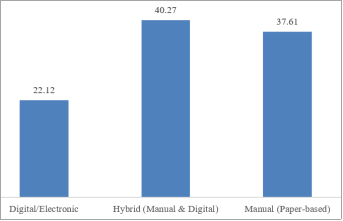
Figure 1 below presents the distribution of respondents by type of registration system used and their years of experience with manual and digital registration systems. The figures show that the hybrid registration system, which combines both manual and digital processes, was the most commonly used, accounting for 40.27% of respondents. Manual paper-based systems were used by 37.61% of respondents, while fully digital or electronic systems were used by 22.12%.
Figure 1. Type of Registration System Used.
Table 2 presents data accuracy and completeness of registration systems. The findings show that a large proportion of respondents affirmed that patient demographic information is accurately captured during registration, with 18.14% strongly agreeing and 69.69% agreeing, while only 10.18% disagreed or strongly disagreed. Most respondents also indicated that clinical and administrative data fields are usually completed during patient registration, as 73.01% either strongly agreed or agreed, although 20.13% expressed disagreement.
Similarly, a considerable proportion of respondents (45.80%) agreed or strongly agreed that missing patient information is common, 48.45% disagreed or strongly disagreed. Also, most respondents indicated that duplicate patient records are uncommon, as 71.68% either strongly agreed or agreed, compared with 28.31% who disagreed or strongly disagreed.
The findings further show that, most respondents agreed that digital registration reduces data entry errors, with 82.31% expressing agreement, while only 16.15% disagreed or strongly disagreed. A large proportion of respondents also agreed that manual records are more prone to loss or damage, as 89.83% either strongly agreed or agreed. Similarly, 93.58% of respondents indicated that corrections of registration errors are easier using digital systems.
Most respondents reported that patient registration records are well preserved and protected from loss, with 86.29% expressing agreement. In addition, 88.27% of respondents indicated that errors identified during patient registration can be corrected easily, while only 11.72% expressed disagreement. However, responses on the rarity of errors in patient registration data showed some variation, as 67.26% agreed that errors are uncommon, while 29.20% disagreed. Furthermore, a majority of respondents (90.49%) indicated that patient information remains consistent across repeated visits. Similarly, 74.34% agreed that missing or incomplete patient information is rare, although 24.34% disagreed. Most respondents affirmed the superiority of digital systems over manual systems, as 80.31% agreed that digital registration systems produce more accurate patient records, while 77.88% agreed that digital systems produce more complete patient records than manual systems.
Table 2. Data Accuracy and Completeness of Registration Systems.
Data Accuracy & Completeness Items | Strongly Agree n (%) | Agree n (%) | Undecided n (%) | Disagree n (%) | Strongly Disagree n (%) |
Patient demographic information is accurately captured during registration | 82 (18.14) | 315 (69.69) | 9 (1.99) | 30 (6.64) | 16 (3.54) |
Clinical and administrative data fields are usually completed during patient registration | 40 (8.85) | 290 (64.16) | 31 (6.86) | 83 (18.36) | 8 (1.77) |
Missing patient information is common during registration | 9 (1.99) | 198 (43.81) | 26 (5.75) | 129 (28.54) | 90 (19.91) |
Duplicate patient records are uncommon in the registration system used | 59 (13.05) | 265 (58.63) | – | 116 (25.66) | 12 (2.65) |
Digital registration reduces data entry errors | 85 (18.81) | 287 (63.50) | 7 (1.55) | 20 (4.42) | 53 (11.73) |
Manual records are more prone to loss or damage | 79 (17.48) | 327 (72.35) | 13 (2.88) | – | 33 (7.30) |
Corrections of registration errors are easier using digital systems | 66 (14.60) | 357 (78.98) | – | – | 29 (6.42) |
Patient registration records are well preserved and protected from loss | 71 (15.71) | 319 (70.58) | 9 (1.99) | 21 (4.65) | 32 (7.08) |
Errors identified during patient registration can be corrected easily | 92 (20.35) | 307 (67.92) | – | 26 (5.75) | 27 (5.97) |
Errors in patient registration data are uncommon in the system used | 29 (6.42) | 275 (60.84) | 16 (3.54) | 120 (26.55) | 12 (2.65) |
Patient information remains consistent across repeated visits | 73 (16.15) | 336 (74.34) | – | 34 (7.52) | 9 (1.99) |
Missing or incomplete patient information is rare | 63 (13.94) | 273 (60.40) | 6 (1.33) | 73 (16.15) | 37 (8.19) |
Digital registration systems produce more accurate patient records than manual systems | 121 (26.77) | 242 (53.54) | 7 (1.55) | 27 (5.97) | 55 (12.17) |
Digital registration systems produce more complete patient records than manual systems | 95 (21.02) | 257 (56.86) | 14 (3.10) | 43 (9.51) | 43 (9.51) |
Table 3 presents the assessment of data accuracy scores across registration system types. The findings show that respondents using digital registration reported a higher mean data accuracy score (3.05 ± 0.26) compared with those using manual registration (2.93 ± 0.35). The combined mean score was 2.97 ± 0.32. The difference in mean data accuracy scores between registration systems was statistically significant (t = −2.87, p = 0.004, CI: 2.93 - 3.01). The
Table 3 further show that digital registration systems recorded a higher mean data completeness score (2.83 ± 0.43) compared with manual registration systems (2.52 ± 0.47). The combined mean score for all respondents was 2.64 ± 0.48. The difference in mean data completeness scores was statistically significant (t = −5.33, p < 0.001, CI: 2.58 - 2.69).
Additionally, the findings show that respondents using digital registration systems reported the highest mean overall data quality score (2.96 ± 0.36), while those using manual registration systems reported a lower mean score (2.72 ± 0.37). The combined mean score was 2.81 ± 0.38. The difference in overall data quality scores between registration systems was statistically significant (t = −5.15, p < 0.001, CI: 2.76 - 2.86).
Table 3. Assessment of Data Accuracy and Completeness between Manual and Digital Registration System.
Data Quality | Registration System | Mean ± SD | t-test (equal variances), | 95% CI | p-value |
Data Accuracy | Manual registration | 2.93 ± 0.35 | −2.87 | 2.88 – 2.98 | 0.004 |
Digital registration | 3.05 ± 0.26 | 2.99 – 3.10 |
Combined | 2.97 ± 0.32 | 2.93 – 3.01 |
Data Completeness | Manual registration | 2.52 ± 0.47 | t = −5.33 | 2.45 – 2.59 | 0.000 |
Digital registration | 2.83 ± 0.43 | 2.74 – 2.92 |
Combined | 2.64 ± 0.48 | 2.58 – 2.69 |
Overall Data Quality | Manual registration | 2.72 ± 0.37 | −5.15 | 2.67 – 2.78 | 0.000 |
Digital registration | 2.96 ± 0.36 | 2.89 – 3.03 |
Combined | 2.81 ± 0.38 | 2.76 – 2.86 |
Table 4 presents respondents’ views on patient waiting time and service flow efficiency. A majority of respondents agreed that patients experience shorter waiting times under digital registration (85.4%), while 14.6% disagreed. Similarly, 89.6% agreed that digital registration reduces patient waiting time when compared with manual registration, while only 10.4% disagreed.
More than half of the respondents (56.2%) agreed that patients are registered within an acceptable waiting time, while 23.7% strongly agreed. A smaller proportion disagreed (12.2%), and 1.3% strongly disagreed. Long queues at registration points were acknowledged by most respondents, with 51.6% agreeing and 17.5% strongly agreeing, while 27.0% disagreed and 2.9% strongly disagreed. On the effect of registration delays on service delivery, 52.9% agreed and 12.4% strongly agreed that registration delays disrupt clinical service delivery less frequently, while 19.3% disagreed and 12.6% strongly disagreed. Most respondents also reported that digital registration improves patient flow across departments, with 61.5% agreeing and 32.3% strongly agreeing.
Manual registration was identified as a contributor to longer queues and congestion, as 51.8% agreed and 30.1% strongly agreed, while 11.3% disagreed and 1.3% strongly disagreed. A majority of respondents indicated that the registration system facilitates timely movement of patients, with 60.4% agreeing and 28.5% strongly agreeing.
Access to patient information was also reported as timely, as 57.1% agreed and 29.4% strongly agreed that patient information from the registration system is immediately accessible. Additionally, 62.2% agreed and 23.7% strongly agreed that the registration system supports efficient management of patient flow, while only small proportions expressed disagreement.
Table 4. Patient Waiting Time and Service Flow Efficiency.
Service Flow Efficiency Items | Strongly Agree n (%) | Agree n (%) | Undecided n (%) | Disagree n (%) | Strongly Disagree n (%) |
Patients experience shorter waiting times under digital registration | – | 386 (85.40) | – | 66 (14.60) | – |
Digital registration reduces patient waiting time compared to manual registration | – | 405 (89.60) | – | 47 (10.40) | – |
Patients are registered within an acceptable waiting time | 107 (23.67) | 254 (56.19) | 30 (6.64) | 55 (12.17) | 6 (1.33) |
Long queues are common at registration points | 79 (17.48) | 233 (51.55) | 5 (1.11) | 122 (26.99) | 13 (2.88) |
Registration delays disrupt clinical service delivery less frequently | 56 (12.39) | 239 (52.88) | 13 (2.88) | 87 (19.25) | 57 (12.61) |
Digital registration improves patient flow across departments | 146 (32.30) | 278 (61.50) | – | 12 (2.65) | 16 (3.54) |
Manual registration contributes to longer queues and congestion | 136 (30.09) | 234 (51.77) | 25 (5.53) | 51 (11.28) | 6 (1.33) |
The registration system facilitates timely movement of patients | 129 (28.54) | 273 (60.40) | 35 (7.74) | 15 (3.32) | – |
Patient information from the registration system is immediately accessible | 133 (29.42) | 258 (57.08) | 14 (3.10) | 32 (7.08) | 15 (3.32) |
The registration system supports efficient management of patient flow | 107 (23.67) | 281 (62.17) | 30 (6.64) | 28 (6.19) | 6 (1.33) |
Table 5 shows the effect of registration system type on patient waiting time and service flow efficiency. The mean patient waiting time score for respondents using manual registration was 2.07 ± 0.23, while respondents using digital registration recorded a higher mean score of 2.17 ± 0.26. The mean difference between manual and digital registration was −0.099. The difference in mean waiting time scores was statistically significant (t = −3.24, p = 0.001). For service flow efficiency, the mean score among respondents using manual registration was 3.01 ± 0.55, compared with 2.99 ± 0.40 among those using digital registration. The mean difference was 0.015. The difference in service flow efficiency scores between the two registration systems was not statistically significant (t = 0.24, p = 0.807).
Table 5. Effect of Registration System Type on Patient Waiting Time and Service Flow.
Outcome Variable | Registration System | Mean ± SD | Mean Difference (Manual − Digital) | df | t value | p value |
Patient Waiting Time | Manual | 2.07 ± 0.23 | −0.099 | 268 | −3.24 | 0.001 |
| Digital | 2.17 ± 0.26 | | | | |
| Combined | 2.11 ± 0.25 | | | | |
Service Flow Efficiency | Manual | 3.01 ± 0.55 | 0.015 | 268 | 0.24 | 0.807 |
| Digital | 2.99 ± 0.40 | | | | |
| Combined | 3.00 ± 0.50 | | | | |
The
Table 6 below presents the distribution of respondents’ satisfaction with the digital registration system. The findings show that a large proportion of respondents expressed overall satisfaction with the performance of the digital registration system, as 77.65% either strongly agreed or agreed with the statement, while 21.02% disagreed or strongly disagreed.
Most of the respondents indicated that the digital system reduced their workload, with 76.55% expressing agreement, while 16.81% disagreed. A similarly high proportion of respondents reported confidence in using the registration system, as 81.41% either strongly agreed or agreed, compared to 16.59% who expressed disagreement.
The results also show that 81.86% of respondents reported that adequate training was provided on the registration system, while 15.71% disagreed. Access to technical support was also viewed positively, with 80.53% of respondents agreeing that technical support was readily available when problems arose, compared to 16.37% who disagreed.
A majority of the respondents indicated that the digital registration system enhanced their work efficiency, as 87.16% either strongly agreed or agreed, while only 9.07% disagreed. Preference for digital registration over manual registration was also high, with 88.28% of respondents expressing agreement, while 11.73% expressed disagreement.
Ease of use of the digital registration system was affirmed by 93.58% of respondents, while only 5.31% disagreed. Similarly, 97.13% of respondents agreed that digital registration improved their efficiency in handling patient records, compared to 2.88% who disagreed. Satisfaction with the speed of patient registration was also high, as 87.61% of respondents expressed agreement, while 12.39% expressed dissatisfaction.
Table 6. Healthcare Workers’ Satisfaction with the Digital Registration System.
User Satisfaction Items | Strongly Agree n (%) | Agree n (%) | Undecided n (%) | Disagree n (%) | Strongly Disagree n (%) |
I am generally satisfied with the performance of the registration system | 90 (19.91) | 261 (57.74) | 6 (1.33) | 88 (19.47) | 7 (1.55) |
The system reduces my workload | 134 (29.65) | 212 (46.90) | 30 (6.64) | 76 (16.81) | 0 (0.00) |
I feel confident using the registration system | 106 (23.45) | 262 (57.96) | 9 (1.99) | 65 (14.38) | 10 (2.21) |
Adequate training was provided on the registration system | 75 (16.59) | 295 (65.27) | 11 (2.43) | 49 (10.84) | 22 (4.87) |
Technical support is readily available when problems arise | 79 (17.48) | 285 (63.05) | 14 (3.10) | 46 (10.18) | 28 (6.19) |
The registration system enhances my work efficiency | 125 (27.65) | 269 (59.51) | 17 (3.76) | 35 (7.74) | 6 (1.33) |
Overall, I prefer digital registration to manual registration | 183 (40.49) | 216 (47.79) | 0 (0.00) | 13 (2.88) | 40 (8.85) |
I find the digital registration system easy to use in my daily work | 161 (35.62) | 262 (57.96) | 5 (1.11) | 13 (2.88) | 11 (2.43) |
Digital registration improves my efficiency in handling patient records | 176 (38.94) | 263 (58.19) | 0 (0.00) | 7 (1.55) | 6 (1.33) |
I am satisfied with the speed of patient registration when using the system | 122 (26.99) | 274 (60.62) | 0 (0.00) | 27 (5.97) | 29 (6.42) |
The
Table 7 presents the comparison of overall user satisfaction scores between manual and digital registration systems. The results show that respondents using the digital registration system recorded a higher mean satisfaction score (3.33 ± 0.47) compared to those using the manual registration system (2.91 ± 0.45). The confidence interval for the mean satisfaction score ranged from 3.24 to 3.42 for digital registration and from 2.84 to 2.98 for manual registration.
The mean difference in satisfaction scores between manual and digital registration systems was −0.42, indicating higher satisfaction among users of the digital system. The observed difference was statistically significant, as shown by the p-value less than 0.001.
Table 7. Comparison of Overall User Satisfaction by Registration Type.
Outcome Variable | Registration Type | Mean (SD) | 95% CI for Mean | Mean Difference (Manual − Digital) | p-value |
Overall User Satisfaction Score | Manual | 2.91 ± 0.4 | 2.84 – 2.98 | −0.42 | <0.001 |
Digital | 3.33 ± 0.47 | 3.24 – 3.42 | | |
Table 8 presents the adjusted linear regression analysis of factors associated with healthcare workers’ satisfaction with patient registration systems. Age showed a statistically significant negative association with satisfaction, with satisfaction scores decreasing as age increased (β = −0.063; 95% CI: −0.111 to −0.015; p = 0.010). Sex was strongly associated with satisfaction, as male respondents reported significantly higher satisfaction than females (β = 0.590; 95% CI: 0.460 to 0.719; p < 0.001). Registered Midwives reported significantly lower satisfaction compared with those holding degree-level qualifications (β = −0.525; 95% CI: −0.837 to −0.213; p = 0.001). Monthly income was associated with satisfaction among respondents earning ₦71,000 ₦100,000, who reported significantly lower satisfaction compared with those earning at least ₦131,000 (β = −0.491; 95% CI: −0.862 to −0.120; p = 0.010).
Respondents with less than one year of use (β = 0.233; 95% CI: 0.062 to 0.404; p = 0.008), those with 4–6 years of use (β = 0.385; 95% CI: 0.063 to 0.707; p = 0.019), and those with more than six years of use (β = 0.593; 95% CI: 0.359 to 0.826; p < 0.001) reported higher satisfaction compared with those with 1–3 years of use, with the strongest effect observed among respondents with more than six years of experience.
Hospital affiliation was statistically significant, as respondents from Prince Abubakar Audu University Teaching Hospital reported lower satisfaction compared with respondents from other hospitals (β = −0.266; 95% CI: −0.410 to −0.122; p < 0.001).
Respondents with less than five years of experience reported higher satisfaction than those with 10–14 years of experience (β = 0.335; 95% CI: 0.049 to 0.622; p = 0.022), as did respondents with 15 years or more of experience (β = 0.176; 95% CI: 0.027 to 0.326; p = 0.021).
Respondents using manual-only systems reported significantly lower satisfaction compared with those using hybrid systems (β = −0.527; 95% CI: −0.678 to −0.376; p < 0.001). Digital-only use did not differ significantly from hybrid use (β = 0.027; 95% CI: −0.142 to 0.197; p = 0.750). Additionally, respondents working in clinics (β = −0.806; 95% CI: −1.040 to −0.573; p < 0.001), nursing stations or wards (β = −0.390; 95% CI: −0.652 to −0.128; p = 0.004), and outpatient departments (β = −0.262; 95% CI: −0.486 to −0.038; p = 0.022) reported lower satisfaction compared with those in administrative units. The strongest negative effect was observed among clinic staff.
Table 8. Determinants of Healthcare Workers’ Satisfaction with Patient Registration Systems.
Background Characteristics | Adjusted β | 95% Confidence Interval | P value |
Registration system type | | | |
Manual (Ref.) | 0.000 | – | – |
Digital | −0.135 | −0.281 – 0.011 | 0.069 |
Age (years) | −0.063** | −0.111 – −0.015 | 0.010** |
Sex | | | |
Female (Ref.) | 0.000 | – | – |
Male | 0.590*** | 0.460 – 0.719 | <0.001*** |
Religion | | | |
Christianity (Ref.) | 0.000 | – | – |
Islam | 0.025 | −0.084 – 0.133 | 0.655 |
Marital status | | | |
Married (Ref.) | 0.000 | – | – |
Unmarried | 0.553*** | 0.356 – 0.750 | <0.001*** |
Highest professional qualification | | | |
Degree (Ref.) | 0.000 | – | – |
Diploma (ND/HND) | −0.525** | −0.837 – −0.213 | 0.001** |
Master’s degree | 0.032 | −0.090 – 0.154 | 0.606 |
Monthly income | | | |
≥ ₦131,000 (Ref.) | 0.000 | – | – |
Below minimum wage (₦70,000) | 0.125 | −0.108 – 0.358 | 0.291 |
₦71,000 ₦100,000 | −0.491** | −0.862 – −0.120 | 0.010** |
₦101,000 ₦130,000 | 0.036 | −0.194 – 0.266 | 0.758 |
Professional cadre | | | |
Allied health (Ref.) | 0.000 | – | – |
Medical doctor | 0.041 | −0.184 – 0.265 | 0.722 |
Nurse/Midwife | −0.233*** | −0.362 – −0.104 | <0.001*** |
Others | −0.413** | −0.659 – −0.166 | 0.001** |
Employment status | | | |
Contract (Ref.) | 0.000 | – | – |
Permanent | 0.353 | −0.241 – 0.947 | 0.243 |
Temporary | 0.260 | −0.321 – 0.841 | 0.379 |
Years using registration system | | | |
1–3 years (Ref.) | 0.000 | – | – |
Less than 1 year | 0.233** | 0.062 – 0.404 | 0.008** |
4–6 years | 0.385* | 0.063 – 0.707 | 0.019* |
More than 6 years | 0.593*** | 0.359 – 0.826 | <0.001*** |
Hospital affiliation | | | |
Other hospitals (Ref.) | 0.000 | – | – |
PAU Teaching Hospital | −0.266*** | −0.410 – −0.122 | <0.001*** |
Years of experience | | | |
10–14 years (Ref.) | 0.000 | – | – |
Less than 5 years | 0.335* | 0.049 – 0.622 | 0.022* |
5–9 years | −0.029 | −0.274 – 0.216 | 0.817 |
≥15 years | 0.176* | 0.027 – 0.326 | 0.021* |
Type of registration used | | | |
Hybrid (Ref.) | 0.000 | – | – |
Digital only | 0.027 | −0.142 – 0.197 | 0.750 |
Manual only | −0.527*** | −0.678 – −0.376 | <0.001*** |
Department/unit | | | |
Administration (Ref.) | 0.000 | – | – |
Clinics | −0.806*** | −1.040 – −0.573 | <0.001*** |
Medical Records | −0.248 | −0.514 – 0.018 | 0.068 |
Nursing station/ward | −0.390** | −0.652 – −0.128 | 0.004** |
Outpatient department | −0.262* | −0.486 – −0.038 | 0.022* |
Notes: β = adjusted linear regression coefficient; CI = confidence interval.
Reference categories have β = 0.000 by definition. ***p < 0.001, **p < 0.01, *p < 0.05.
4. Discussion
This study examined the effects of manual and digital registration systems on data quality, waiting time, and healthcare worker satisfaction in tertiary hospitals in Kogi State, Nigeria. The findings indicate that digital registration systems were associated with higher perceived data quality and better waiting-time performance than manual systems. In addition, healthcare workers using manual-only registration systems reported lower levels of satisfaction than those operating within hybrid registration environments.
The observed differences in data quality between manual and digital registration systems are consistent with earlier studies reporting that digital registration systems improve the completeness, consistency, and accessibility of patient information
| [24] | Rosenbloom, S. T., Denny, J. C., Xu, H., Lorenzi, N., Stead, W. W., & Johnson, K. B. (2011). Data from clinical notes: A perspective on the tension between structure and flexible documentation. Journal of the American Medical Informatics Association, 18(2), 181–186.
https://doi.org/10.1136/jamia.2010.007237 |
| [27] | Venkatesh, V., Davis, F. D., & Morris, M. G. (2023). Technology acceptance and use in healthcare environments: Recent developments and future directions. Information Systems Research, 34(1), 1–22.
https://doi.org/10.1287/isre.2022.1178
(Added: recent reference) |
[24, 27]
. Unlike paper-based records, digital platforms often incorporate standardized data entry formats and validation procedures that reduce omissions and documentation errors. This may explain why respondents in the present study associated digital registration with better-quality information. Similar findings have been reported in studies conducted in Nigeria and other low- and middle-income countries, where digital health records were found to enhance record management and support more reliable clinical documentation
| [24] | Rosenbloom, S. T., Denny, J. C., Xu, H., Lorenzi, N., Stead, W. W., & Johnson, K. B. (2011). Data from clinical notes: A perspective on the tension between structure and flexible documentation. Journal of the American Medical Informatics Association, 18(2), 181–186.
https://doi.org/10.1136/jamia.2010.007237 |
| [25] | Stoumpos, A. I., Kitsios, F., & Talias, M. A. (2023). Digital transformation in healthcare: Technology acceptance and its applications. International Journal of Environmental Research and Public Health, 20(4), Article 3407.
https://doi.org/10.3390/ijerph20043407 |
| [30] | Zhou, L., Bao, J., Watzlaf, V., & Parmanto, B. (2024). Emerging digital health implementation challenges and opportunities: A global review. npj Digital Medicine, 7, Article 41.
https://doi.org/10.1038/s41746-024-01035-6 |
| [31] | Fraser, H. S. F., Blaya, J., & Choi, S. (2025). Digital health implementation and workforce adaptation in low-resource healthcare settings. Journal of Medical Internet Research, 27, e60214. https://doi.org/10.2196/60214 |
[24, 25, 30, 31]
. More recent evidence has also shown that digital health technologies improve data interoperability, documentation quality, and information accessibility when supported by appropriate infrastructure and workforce capacity
| [33] | Venkatesh, V., Thong, J. Y. L., & Xu, X. (2024). Advances in technology acceptance research and implications for digital health adoption. Information Systems Research, 35(1), 15–37.
https://doi.org/10.1287/isre.2023.1211 |
| [35] | Menachemi, N., Collum, T. H., & Wells, R. (2025). Electronic health records and healthcare workforce performance: Emerging global evidence. Health Policy and Technology, 14(1), 100881. https://doi.org/10.1016/j.hlpt.2024.100881 |
| [36] | Biondich, P., Mamlin, B., & Fraser, H. S. F. (2026). Scaling sustainable electronic medical record systems in resource-constrained health settings. International Journal of Medical Informatics, 186, 105437.
https://doi.org/10.1016/j.ijmedinf.2025.105437 |
[33, 35, 36]
. These findings reinforce the growing recognition that digital registration systems contribute to stronger health information management and improved continuity of patient care.
The findings relating to patient waiting time and service flow also align with previous research showing that digital registration systems can streamline administrative processes and reduce delays associated with patient movement through healthcare facilities
| [17] | Iluyemi, A., & Briggs, J. (2018). Healthcare information systems in developing countries: A review of success and failure factors. Health Information Management Journal, 47(3), 120–131. https://doi.org/10.1177/1833358317712296 |
| [22] | Ojo, A. I., & Popoola, S. O. (2015). Some correlates of electronic health information management system success in Nigerian teaching hospitals. Biomedical Informatics Insights, 7, 1–9. https://doi.org/10.4137/BII.S20212 |
[17, 22]
. Registration serves as the entry point into the healthcare system, and inefficiencies at this stage can affect subsequent service delivery processes. Digital systems may facilitate faster retrieval of patient information and reduce repetitive documentation, thereby supporting smoother patient movement across service points. However, the coexistence of manual and digital registration systems in many healthcare facilities may limit the full realization of these benefits. Similar challenges have been documented in settings where hybrid registration systems remain necessary due to infrastructure limitations and intermittent system downtime
| [25] | Stoumpos, A. I., Kitsios, F., & Talias, M. A. (2023). Digital transformation in healthcare: Technology acceptance and its applications. International Journal of Environmental Research and Public Health, 20(4), Article 3407.
https://doi.org/10.3390/ijerph20043407 |
| [32] | Oluoch, T., Katana, A., Muthee, V., & Wanyee, S. (2024). Adoption and sustainability of electronic health records in sub-Saharan Africa: Emerging evidence for health systems strengthening. BMC Medical Informatics and Decision Making, 24, Article 144. https://doi.org/10.1186/s12911-024-02417-6 |
[25, 32]
. Recent studies further suggest that hybrid systems often represent a transitional phase in digital transformation, enabling healthcare facilities to maintain continuity of care while gradually expanding digital infrastructure and staff competence
| [36] | Biondich, P., Mamlin, B., & Fraser, H. S. F. (2026). Scaling sustainable electronic medical record systems in resource-constrained health settings. International Journal of Medical Informatics, 186, 105437.
https://doi.org/10.1016/j.ijmedinf.2025.105437 |
| [37] | Landers, C., Blasimme, A., & Vayena, E. (2024). Sync fast and solve things—Best practices for responsible digital health. npj Digital Medicine, 7, Article 113.
https://doi.org/10.1038/s41746-024-01105-9 |
[36, 37]
. Although hybrid systems may involve duplicate documentation in some settings, they can also reduce operational disruptions by allowing paper-based processes to complement electronic systems during network failures or power interruptions, which remain common in many low-resource healthcare environments
| [35] | Menachemi, N., Collum, T. H., & Wells, R. (2025). Electronic health records and healthcare workforce performance: Emerging global evidence. Health Policy and Technology, 14(1), 100881. https://doi.org/10.1016/j.hlpt.2024.100881 |
| [37] | Landers, C., Blasimme, A., & Vayena, E. (2024). Sync fast and solve things—Best practices for responsible digital health. npj Digital Medicine, 7, Article 113.
https://doi.org/10.1038/s41746-024-01105-9 |
[35, 37]
.
Healthcare worker satisfaction differed according to the type of registration system used. Respondents using manual-only registration systems reported significantly lower satisfaction than those using hybrid systems, whereas satisfaction among digital-only users was comparable to that of hybrid-system users. This finding suggests that reliance on exclusively manual registration processes may contribute to less favourable user experiences, possibly because of the additional effort required for documentation, record retrieval, and information management. The comparable satisfaction observed between digital-only and hybrid users may indicate that healthcare workers value both the efficiency of digital systems and the operational flexibility offered by hybrid approaches. In many hospitals, hybrid systems provide an additional safeguard against technical failures while allowing staff to benefit from electronic access to patient information. This combination may explain why hybrid systems performed better than fully manual systems and similarly to fully digital systems in terms of user satisfaction. Previous studies have similarly reported that healthcare workers tend to express greater satisfaction with systems that improve access to patient information and reduce administrative burdens
| [21] | Obotu, A. S., & Solomon, U. (2018). Evaluative study of digital record management system in hospitals in Minna metropolis (A case study of General Hospital Minna, Niger State, Nigeria). Library Philosophy and Practice. |
| [38] | Nickel, G. C., Wang, S., Kwong, J. C. C., & Kvedar, J. C. (2024). The case for inclusive co-creation in digital health innovation. npj Digital Medicine, 7, Article 251.
https://doi.org/10.1038/s41746-024-01256-9 |
[21, 38]
. Recent reviews have also emphasized that user satisfaction depends not only on the technology itself but also on system usability, organisational support, adequate training, and seamless integration into routine clinical workflows
| [35] | Menachemi, N., Collum, T. H., & Wells, R. (2025). Electronic health records and healthcare workforce performance: Emerging global evidence. Health Policy and Technology, 14(1), 100881. https://doi.org/10.1016/j.hlpt.2024.100881 |
| [38] | Nickel, G. C., Wang, S., Kwong, J. C. C., & Kvedar, J. C. (2024). The case for inclusive co-creation in digital health innovation. npj Digital Medicine, 7, Article 251.
https://doi.org/10.1038/s41746-024-01256-9 |
[35, 38]
. The finding is also consistent with the Technology Acceptance Model, which posits that technologies perceived as useful and easy to use are more likely to be accepted by users
| [3] | Agarwal, R., Gao, G., DesRoches, C., & Jha, A. K. (2010). The digital transformation of healthcare: Current status and the road ahead. Information Systems Research, 21(4), 796–809.
https://doi.org/10.1287/isre.1100.0327 |
[3]
. In practice, healthcare workers may derive greater satisfaction from registration systems that support efficient workflow and reduce routine administrative challenges.
Although the findings generally favour digital registration systems, they should be interpreted within the broader organisational context in which healthcare technologies operate. The benefits associated with digital systems are often influenced by factors such as staff training, technical support, infrastructure availability, and institutional commitment to digital transformation
| [34] | World Health Organization. (2024). Global digital health monitor report 2024. World Health Organization. |
| [36] | Biondich, P., Mamlin, B., & Fraser, H. S. F. (2026). Scaling sustainable electronic medical record systems in resource-constrained health settings. International Journal of Medical Informatics, 186, 105437.
https://doi.org/10.1016/j.ijmedinf.2025.105437 |
[34, 36]
. Consequently, differences observed between manual and digital systems may reflect not only the characteristics of the technology itself but also the environment in which the technology is implemented and used. This suggests that successful digital transformation requires not only investment in digital infrastructure but also sustained organisational support, continuous capacity building, and implementation strategies that are responsive to local healthcare contexts.
5. Conclusion
This study found that digital registration systems were associated with better perceived data quality, improved healthcare worker satisfaction, and more favourable service delivery outcomes compared with manual registration systems in tertiary hospitals in Kogi State. The findings suggest that digital registration systems can strengthen health information management processes and support more efficient healthcare delivery. However, the benefits of digital systems are likely to depend on the broader organisational and operational environment in which they are implemented. The study adds to existing evidence on the role of digital health technologies in improving healthcare service delivery in resource-constrained settings.
6. Strengths and Limitations
This study provides evidence on the influence of registration system type on data quality and healthcare service delivery outcomes using data obtained from healthcare professionals directly involved in patient registration and information management processes. The inclusion of different professional groups offered diverse perspectives on the use of manual and digital registration systems. In addition, the application of multiple linear regression analysis enabled the examination of the relationship between registration system type, other explanatory variables, and healthcare worker satisfaction.
However, some limitations should be considered when interpreting the findings. The cross-sectional design limits the ability to establish temporal or causal relationships. Data were based largely on respondents’ perceptions and experiences, which may be influenced by recall bias and social desirability bias. Furthermore, the study was conducted in two tertiary hospitals in Kogi State, which may limit the generalisability of the findings to other healthcare settings with different levels of digital health implementation and organisational capacity.
7. Practical Implications
The findings highlight the potential contribution of digital registration systems to strengthening data management and healthcare service delivery within tertiary hospitals. Improved data quality and higher levels of user satisfaction suggest that digital registration systems may support more effective health information management and patient care processes.
The study also highlights the importance of adequate infrastructure, technical support, and continuous staff capacity development to ensure effective utilisation of digital registration systems. As healthcare facilities continue to expand the use of digital technologies, attention should be given not only to technology acquisition but also to the organisational factors that influence successful implementation and sustained use.
The evidence generated from this study may assist hospital administrators, health information managers, and policymakers in making informed decisions regarding investments in digital registration systems and broader health information management initiatives aimed at improving healthcare service delivery.
Abbreviations
FMoH | Federal Ministry of Health |
FTHL | Federal Teaching Hospital Lokoja |
HIM | Health Information Management |
ICT | Information and Communication Technology |
KSSH | Kogi State Specialist Hospital |
NPC | National Population Commission |
PAAUTH | Prince Abubakar Audu University Teaching Hospital |
PHC | Primary Healthcare Centre |
WHO | World Health Organization |
Acknowledgments
The authors acknowledge the academic and institutional support provided by Rivers State University in facilitating this research.
Author Contributions
Olutunde Samuel Michael: Conceptualization, Methodology, Visualization, Writing – original draft, Writing – review & editing
Omokanye Akingbola Sunday: Visualization
Olatunde Raimi: Formal Analysis, Methodology, Visualization, Writing – review & editing
Owolabi Ruth Onajite: Conceptualization, Supervision, Writing – original draft, Writing – review & editing
Anthony Ike Wegbom: Conceptualization, Formal Analysis, Methodology, Supervision, Visualization, Writing – original draft, Writing – review & editing
Conflicts of Interest
The authors have declared that no competing interests exist.
References
| [1] |
Adebayo, O. S., Ogunyemi, A. O., & Akinyemi, J. O. (2020). Adoption and use of electronic health records among health workers in tertiary hospitals in Nigeria. African Journal of Health Sciences, 33(2), 45–56.
|
| [2] |
Adeleke, I. T., Adekanye, A. O., Onawola, K. A., Okuku, A. G., Adefemi, S. A., Erinle, S. A., & James, J. A. (2015). Data quality assessment in healthcare: A 365-day chart review of inpatients’ records at a Nigerian tertiary hospital. Journal of the American Medical Informatics Association, 22(5), 1039–1042.
https://doi.org/10.1093/jamia/ocv047
|
| [3] |
Agarwal, R., Gao, G., DesRoches, C., & Jha, A. K. (2010). The digital transformation of healthcare: Current status and the road ahead. Information Systems Research, 21(4), 796–809.
https://doi.org/10.1287/isre.1100.0327
|
| [4] |
Akwaowo, C. D., Sabi, H. M., Ekpenyong, N., Isiguzo, C. M., Andem, N. F., Maduka, O., Dan, E., Umoh, E., Ekpin, V., & Uzoka, F. M. E. (2022). Adoption of electronic medical records in developing countries: A multi-state study of the Nigerian healthcare system. Frontiers in Digital Health, 4, Article 1017231.
https://doi.org/10.3389/fdgth.2022.1017231
|
| [5] |
Alotaibi, Y. K., & Federico, F. (2017). The impact of health information technology on patient safety. Saudi Medical Journal, 38(12), 1173–1180.
https://doi.org/10.15537/smj.2017.12.20631
|
| [6] |
Bali, A., Bali, D., Iyer, N., & Iyer, M. (2011). Management of medical records: Facts and figures for surgeons. Journal of Maxillofacial and Oral Surgery, 10(3), 199–202.
https://doi.org/10.1007/s12663-011-0219-8
|
| [7] |
Biya, M., Gezahagn, M., Birhanu, B., Yitbarek, K., Getachew, N., & Beyene, W. (2022). Waiting time and its associated factors in patients presenting to outpatient departments at public hospitals of Jimma Zone, Southwest Ethiopia. BMC Health Services Research, 22(1), Article 107.
https://doi.org/10.1186/s12913-022-07502-8
|
| [8] |
Blumenthal, D., & Tavenner, M. (2010). The “meaningful use” regulation for electronic health records. New England Journal of Medicine, 363(6), 501–504.
https://doi.org/10.1056/NEJMp1006114
|
| [9] |
Boonstra, A., & Broekhuis, M. (2010). Barriers to the acceptance of electronic medical records by physicians: From systematic review to taxonomy and interventions. BMC Health Services Research, 10, Article 231.
https://doi.org/10.1186/1472-6963-10-231
|
| [10] |
Boonstra, A., Versluis, A., & Vos, J. F. J. (2014). Implementing electronic health records in hospitals: A systematic literature review. BMC Health Services Research, 14, Article 370.
https://doi.org/10.1186/1472-6963-14-370
|
| [11] |
Chaudhry, B., Wang, J., Wu, S., Maglione, M., Mojica, W., Roth, E., Morton, S. C., & Shekelle, P. G. (2006). Systematic review: Impact of health information technology on quality, efficiency, and costs of medical care. Annals of Internal Medicine, 144(10), 742–752.
https://doi.org/10.7326/0003-4819-144-10-200605160-00125
|
| [12] |
Cicolo, E. A., & Peres, H. H. C. (2019). Electronic and manual registration of Manchester System: Reliability, accuracy, and time evaluation. Revista Latino-Americana de Enfermagem, 27, e3241.
https://doi.org/10.1590/1518-8345.3170.3241
|
| [13] |
Evans, R. S. (2016). Electronic health records: Then, now, and in the future. Yearbook of Medical Informatics, 25(S1), S48–S61.
https://doi.org/10.15265/IY-2016-s006
|
| [14] |
Fraser, H. S. F., Biondich, P., Moodley, D., Choi, S., Mamlin, B. W., & Szolovits, P. (2005). Implementing electronic medical record systems in developing countries. Informatics in Primary Care, 13(2), 83–95.
|
| [15] |
Gizaw, Z., Astale, T., & Kassie, G. M. (2022). What improves access to primary healthcare services in rural communities? A systematic review. BMC Primary Care, 23(1), Article 313.
https://doi.org/10.1186/s12875-022-01919-0
|
| [16] |
Holden, R. J., & Karsh, B. T. (2010). The technology acceptance model: Its past and its future in health care. Journal of Biomedical Informatics, 43(1), 159–172.
https://doi.org/10.1016/j.jbi.2009.07.002
|
| [17] |
Iluyemi, A., & Briggs, J. (2018). Healthcare information systems in developing countries: A review of success and failure factors. Health Information Management Journal, 47(3), 120–131.
https://doi.org/10.1177/1833358317712296
|
| [18] |
Lippeveld, T., Sauerborn, R., & Bodart, C. (2020). Design and implementation of health information systems. World Health Organization.
|
| [19] |
Lorkowski, J., & Pokorski, M. (2022). Medical records: A historical narrative. Biomedicines, 10(10), Article 2594.
https://doi.org/10.3390/biomedicines10102594
|
| [20] |
Manca, D. P., & Greiver, M. (2015). Do electronic medical records improve quality of care? Yes. Canadian Family Physician, 61(10), 846–847.
|
| [21] |
Obotu, A. S., & Solomon, U. (2018). Evaluative study of digital record management system in hospitals in Minna metropolis (A case study of General Hospital Minna, Niger State, Nigeria). Library Philosophy and Practice.
|
| [22] |
Ojo, A. I., & Popoola, S. O. (2015). Some correlates of electronic health information management system success in Nigerian teaching hospitals. Biomedical Informatics Insights, 7, 1–9.
https://doi.org/10.4137/BII.S20212
|
| [23] |
Oyeyemi, S. O., Wynn, R., & Fagerlund, A. J. (2020). Electronic patient records in low-resource settings: A systematic review. Health Informatics Journal, 26(3), 1676–1692.
https://doi.org/10.1177/1460458219897194
|
| [24] |
Rosenbloom, S. T., Denny, J. C., Xu, H., Lorenzi, N., Stead, W. W., & Johnson, K. B. (2011). Data from clinical notes: A perspective on the tension between structure and flexible documentation. Journal of the American Medical Informatics Association, 18(2), 181–186.
https://doi.org/10.1136/jamia.2010.007237
|
| [25] |
Stoumpos, A. I., Kitsios, F., & Talias, M. A. (2023). Digital transformation in healthcare: Technology acceptance and its applications. International Journal of Environmental Research and Public Health, 20(4), Article 3407.
https://doi.org/10.3390/ijerph20043407
|
| [26] |
Tsai, C. H., Eghdam, A., Davoody, N., Wright, G., Flowerday, S., & Koch, S. (2020). Effects of electronic health record implementation and barriers to adoption and use. Life, 10(12), Article 327.
https://doi.org/10.3390/life10120327
|
| [27] |
Venkatesh, V., Davis, F. D., & Morris, M. G. (2023). Technology acceptance and use in healthcare environments: Recent developments and future directions. Information Systems Research, 34(1), 1–22.
https://doi.org/10.1287/isre.2022.1178
(Added: recent reference)
|
| [28] |
World Health Organization. (2019). WHO guideline: Recommendations on digital interventions for health system strengthening.
|
| [29] |
World Health Organization. (2020). Global strategy on digital health 2020–2025.
|
| [30] |
Zhou, L., Bao, J., Watzlaf, V., & Parmanto, B. (2024). Emerging digital health implementation challenges and opportunities: A global review. npj Digital Medicine, 7, Article 41.
https://doi.org/10.1038/s41746-024-01035-6
|
| [31] |
Fraser, H. S. F., Blaya, J., & Choi, S. (2025). Digital health implementation and workforce adaptation in low-resource healthcare settings. Journal of Medical Internet Research, 27, e60214.
https://doi.org/10.2196/60214
|
| [32] |
Oluoch, T., Katana, A., Muthee, V., & Wanyee, S. (2024). Adoption and sustainability of electronic health records in sub-Saharan Africa: Emerging evidence for health systems strengthening. BMC Medical Informatics and Decision Making, 24, Article 144.
https://doi.org/10.1186/s12911-024-02417-6
|
| [33] |
Venkatesh, V., Thong, J. Y. L., & Xu, X. (2024). Advances in technology acceptance research and implications for digital health adoption. Information Systems Research, 35(1), 15–37.
https://doi.org/10.1287/isre.2023.1211
|
| [34] |
World Health Organization. (2024). Global digital health monitor report 2024. World Health Organization.
|
| [35] |
Menachemi, N., Collum, T. H., & Wells, R. (2025). Electronic health records and healthcare workforce performance: Emerging global evidence. Health Policy and Technology, 14(1), 100881.
https://doi.org/10.1016/j.hlpt.2024.100881
|
| [36] |
Biondich, P., Mamlin, B., & Fraser, H. S. F. (2026). Scaling sustainable electronic medical record systems in resource-constrained health settings. International Journal of Medical Informatics, 186, 105437.
https://doi.org/10.1016/j.ijmedinf.2025.105437
|
| [37] |
Landers, C., Blasimme, A., & Vayena, E. (2024). Sync fast and solve things—Best practices for responsible digital health. npj Digital Medicine, 7, Article 113.
https://doi.org/10.1038/s41746-024-01105-9
|
| [38] |
Nickel, G. C., Wang, S., Kwong, J. C. C., & Kvedar, J. C. (2024). The case for inclusive co-creation in digital health innovation. npj Digital Medicine, 7, Article 251.
https://doi.org/10.1038/s41746-024-01256-9
|
Cite This Article
-
APA Style
Michael, O. S., Sunday, O. A., Raimi, O., Onajite, O. R., Wegbom, A. I. (2026). Effects of Manual and Digital Registration Systems on Data Quality, Waiting Time, and Healthcare Worker Satisfaction in Tertiary Hospitals in Kogi State, Nigeria. World Journal of Public Health, 11(3), 249-263. https://doi.org/10.11648/j.wjph.20261103.13
 Copy
|
Copy
|
 Download
ACS Style
Michael, O. S.; Sunday, O. A.; Raimi, O.; Onajite, O. R.; Wegbom, A. I. Effects of Manual and Digital Registration Systems on Data Quality, Waiting Time, and Healthcare Worker Satisfaction in Tertiary Hospitals in Kogi State, Nigeria. World J. Public Health 2026, 11(3), 249-263. doi: 10.11648/j.wjph.20261103.13
Copy
|
Download
AMA Style
Michael OS, Sunday OA, Raimi O, Onajite OR, Wegbom AI. Effects of Manual and Digital Registration Systems on Data Quality, Waiting Time, and Healthcare Worker Satisfaction in Tertiary Hospitals in Kogi State, Nigeria. World J Public Health. 2026;11(3):249-263. doi: 10.11648/j.wjph.20261103.13
Copy
|
Download
-
@article{10.11648/j.wjph.20261103.13,
  author = {Olutunde Samuel Michael and Omokanye Akingbola Sunday and Olatunde Raimi and Owolabi Ruth Onajite and Anthony Ike Wegbom},
  title = {Effects of Manual and Digital Registration Systems on Data Quality, Waiting Time, and Healthcare Worker Satisfaction in Tertiary Hospitals in Kogi State, Nigeria},
  journal = {World Journal of Public Health},
  volume = {11},
  number = {3},
  pages = {249-263},
  doi = {10.11648/j.wjph.20261103.13},
  url = {https://doi.org/10.11648/j.wjph.20261103.13},
  eprint = {https://article.sciencepublishinggroup.com/pdf/10.11648.j.wjph.20261103.13},
  abstract = {Patient registration systems play an important role in ensuring accurate health information management and efficient service delivery within healthcare facilities. In many Nigerian tertiary hospitals, manual and digital registration systems continue to operate simultaneously, yet evidence comparing their influence on data quality, patient waiting time, and healthcare worker satisfaction remains limited. This study assessed the effects of manual and digital registration systems on data quality, waiting time, and healthcare worker satisfaction in tertiary hospitals in Kogi State, Nigeria. The facility-based cross-sectional study was conducted among 452 healthcare workers selected through stratified random sampling from two tertiary hospitals in Kogi State. Data were collected using a structured questionnaire and analyzed using descriptive statistics, independent samples t-tests, and multiple linear regression. Statistical significance was set at p < 0.05. Most respondents were aged 25–29 years (30.31%), female (67.70%), Christian (57.08%), and married (76.99%). Respondents using digital registration systems reported higher data quality scores (2.96 ± 0.36) than those using manual registration systems (2.72 ± 0.37; p < 0.001). Similarly, digital registration systems recorded better waiting-time performance (2.17 ± 0.26) compared with manual registration systems (2.07 ± 0.23; p = 0.001). Healthcare worker satisfaction was significantly lower among users of manual-only registration systems (β = −0.527, 95% CI: −0.678 to −0.376; p < 0.001), whereas satisfaction among digital-only users did not differ significantly from that of hybrid-system users (β = 0.027, 95% CI: −0.142 to 0.197; p = 0.750). The study concludes that digital registration systems offer advantages in data quality, waiting time, and healthcare worker satisfaction compared with manual registration systems. Strengthening digital health infrastructure, providing continuous staff training, and ensuring adequate technical support may enhance the effectiveness of registration systems and improve health information management in tertiary healthcare facilities.},
 year = {2026}
}
Copy
|
Download
-
TY  - JOUR
T1  - Effects of Manual and Digital Registration Systems on Data Quality, Waiting Time, and Healthcare Worker Satisfaction in Tertiary Hospitals in Kogi State, Nigeria
AU  - Olutunde Samuel Michael
AU  - Omokanye Akingbola Sunday
AU  - Olatunde Raimi
AU  - Owolabi Ruth Onajite
AU  - Anthony Ike Wegbom
Y1  - 2026/07/22
PY  - 2026
N1  - https://doi.org/10.11648/j.wjph.20261103.13
DO  - 10.11648/j.wjph.20261103.13
T2  - World Journal of Public Health
JF  - World Journal of Public Health
JO  - World Journal of Public Health
SP  - 249
EP  - 263
PB  - Science Publishing Group
SN  - 2637-6059
UR  - https://doi.org/10.11648/j.wjph.20261103.13
AB  - Patient registration systems play an important role in ensuring accurate health information management and efficient service delivery within healthcare facilities. In many Nigerian tertiary hospitals, manual and digital registration systems continue to operate simultaneously, yet evidence comparing their influence on data quality, patient waiting time, and healthcare worker satisfaction remains limited. This study assessed the effects of manual and digital registration systems on data quality, waiting time, and healthcare worker satisfaction in tertiary hospitals in Kogi State, Nigeria. The facility-based cross-sectional study was conducted among 452 healthcare workers selected through stratified random sampling from two tertiary hospitals in Kogi State. Data were collected using a structured questionnaire and analyzed using descriptive statistics, independent samples t-tests, and multiple linear regression. Statistical significance was set at p < 0.05. Most respondents were aged 25–29 years (30.31%), female (67.70%), Christian (57.08%), and married (76.99%). Respondents using digital registration systems reported higher data quality scores (2.96 ± 0.36) than those using manual registration systems (2.72 ± 0.37; p < 0.001). Similarly, digital registration systems recorded better waiting-time performance (2.17 ± 0.26) compared with manual registration systems (2.07 ± 0.23; p = 0.001). Healthcare worker satisfaction was significantly lower among users of manual-only registration systems (β = −0.527, 95% CI: −0.678 to −0.376; p < 0.001), whereas satisfaction among digital-only users did not differ significantly from that of hybrid-system users (β = 0.027, 95% CI: −0.142 to 0.197; p = 0.750). The study concludes that digital registration systems offer advantages in data quality, waiting time, and healthcare worker satisfaction compared with manual registration systems. Strengthening digital health infrastructure, providing continuous staff training, and ensuring adequate technical support may enhance the effectiveness of registration systems and improve health information management in tertiary healthcare facilities.
VL  - 11
IS  - 3
ER  -
Copy
|
Download





 Share This Article
 Twitter
 Linked In
 Facebook