Research Article | | Peer-Reviewed

Food System, Poverty, and Malnutrition in Bangladesh: Challenges and Policy Implications

Received: 5 August 2026     Accepted: 14 August 2026     Published: 30 September 2026
Views:       Downloads:
Abstract

The interconnections among food systems, poverty, and malnutrition remain central to Bangladesh’s development trajectory. Despite substantial agricultural growth and notable reductions in poverty over the past two decades, structural challenges continue to constrain equitable access to food and nutrition. This study analyzes agricultural production trends, food system drivers, and consumption behaviors, situating Bangladesh in a comparative South Asian context. Using national survey data and secondary statistics, it further examines poverty dynamics, both income-based and multidimensional and their implications for food insecurity and nutrition outcomes. The empirical evidence highlights persistent disparities in dietary diversity, caloric intake, and affordability of healthy diets across rural–urban and socio-economic groups. Moreover, the prevalence of child undernutrition and the double burden of malnutrition underscore the fragility of current nutrition gains. The findings suggest that external shocks, including climate variability, market volatility, and global food price fluctuations, exacerbate systemic vulnerabilities. Policy analysis indicates that while government interventions in agriculture, poverty alleviation, and nutrition have achieved incremental success, gaps remain in coordination, targeting, and long-term sustainability. The paper argues for integrated, multisectoral strategies that enhance agricultural productivity, strengthen social protection mechanisms, and promote resilient, nutrition-sensitive food systems. Such approaches are essential to achieving the Sustainable Development Goals (SDGs) on zero hunger, poverty reduction, and improved health outcomes in Bangladesh.

Published in Science Discovery Nutrition (Volume 1, Issue 1)
DOI 10.11648/j.sdnutr.20260101.11
Page(s) 1-14
Creative Commons

This is an Open Access article, distributed under the terms of the Creative Commons Attribution 4.0 International License (http://creativecommons.org/licenses/by/4.0/), which permits unrestricted use, distribution and reproduction in any medium or format, provided the original work is properly cited.

Copyright

Copyright © The Author(s), 2026. Published by Science Publishing Group

Keywords

Food System, Poverty Reduction, Malnutrition, Nutrition Security, Bangladesh, Food Security, Policy

1. Introduction
The Bangladesh food system serves over 170 million people each day. One-third of the Bangladeshi population works in agriculture, while over 70% of the country's land is dedicated to farming. The food system delivers well on several outcomes, including reducing poverty rates and food insecurity . Despite notable economic progress, including consistent GDP growth and improvements in agricultural productivity, the rates of undernutrition and multidimensional poverty are high. Thus, the dynamics of poverty, inequality, and nutritional deficiency are interrelated through a complex chain of interactions .
The relationship between poverty and food insecurity is complex and encompasses several key dimensions. Various factors contribute to food insecurity, including poor health, disability, job loss, low levels of education and employment, and a high cost of living .
Poverty is defined as a condition in which individuals lack the financial resources necessary for a basic standard of living. It can result from various environmental, legal, social, economic, and political causes and can have significant effects on individuals and communities. Food security, on the other hand, serves as an indicator of welfare and can be influenced by factors such as income, employment, ethnicity, and disability . Additionally, nutrition refers to the intake of food in relation to the body's dietary needs. Freedom from hunger and malnutrition is considered a fundamental human right, and addressing these issues is crucial for both individual and national development, according to the World Health Organization (WHO).
Bangladesh is a densely populated developing country located in South Asia. The government is actively working to reduce poverty effectively. Currently, about 20% of the population lives below the poverty line, facing significant undernourishment and inadequate access to safe and nutritious food necessary for a healthy life . Additionally, approximately 25% of the population experiences food insecurity, primarily due to poverty . Despite improvements in various aspects of food security, many people in Bangladesh still lack dietary diversity, contributing to nutritional imbalances. Between May and December 2025, around 16 million people, or 17% of the analyzed population, are projected to experience high levels of acute food insecurity . According to the World Bank, between 2016 and 2022, the poverty rate in Bangladesh decreased by 1.3 percentage points, while the extreme poverty rate fell by 0.6 percentage points.
This study aims to assess multidimensional poverty effects on food insecurity indicators in Bangladesh, considering interrelationships involving consumption behavior, food system drivers, agricultural production, and national development factors such as GDP growth rate and government policy. The study seeks to furnish a comparative comprehension of food system dynamics in the setting of poverty as well as malnutrition. The goal is to inform targeted policy interventions to improve food and nutrition security.
2. Methodology
This study employs a mixed-methods approach that integrates secondary data analysis with comparative assessment. Agricultural production, poverty, and nutrition indicators were compiled from national databases such as the Bangladesh Bureau of Statistics (BBS), Household Income and Expenditure Survey (HIES), and Demographic and Health Surveys (DHS), complemented by international sources including FAOSTAT, World Bank, and UN agencies. Descriptive statistics and trend analyses were used to compare agricultural output, poverty dynamics, and malnutrition indicators over time and across rural–urban populations. Comparative analysis with India and Pakistan provided regional context. Graphical representations, including tables and figures, were utilized to highlight changes in agricultural production, poverty rates, food expenditure, and nutrition outcomes. Policy documents and government reports were reviewed to assess institutional responses, budgetary allocations, and strategic priorities. The integration of quantitative and qualitative evidence allows for a comprehensive understanding of the interlinkages among food systems, poverty, and malnutrition in Bangladesh.
3. Results and Discussion
3.1. Comparison of Agricultural Production
Agriculture plays a vital role in the economies of Bangladesh, India, and Pakistan, contributing significantly to employment, GDP, and food security. In terms of agricultural GDP contribution, Bangladesh’s agricultural sector accounts for approximately 14% of its GDP , while in India, the share is about 18%. Pakistan's agricultural sector contributes more significantly, around 22%, to its GDP .
In terms of rice production, India is the world’s largest producer, producing approximately 130 MT annually, which constitutes around 25% of global rice production. Bangladesh follows with around 39 MT, ranking as one of the top rice producers globally. Pakistan, by contrast, produces about 9 MT. Wheat production sees India leading with approximately 110 MT annually, contributing around 14% of the global wheat output. Pakistan’s wheat production is around 31 MT, while Bangladesh, focusing more on rice, produces only about 1.2 MT of wheat .
Despite India’s dominance in agricultural production, Bangladesh has seen notable improvements in agricultural productivity, particularly in rice and fish farming, driven by modern agricultural practices and government support. Pakistan faces challenges such as water scarcity and climate change, which affect crop yields, particularly wheat and cotton. Therefore, while India remains the largest producer in the region, Bangladesh and Pakistan have their own agricultural strengths and face unique challenges.
Table 1. Comparing the agricultural production of Bangladesh, India, and Pakistan (2022-2023).

Commodity

Bangladesh (MT)

India (MT)

Pakistan (MT)

Rice

39.1

130.0

9.0

Wheat

1.2

110.0

31.4

Maize

4.8

34.6

10.2

Sugarcane

10.5

405.4

90.0

Onion

2.5

26.7

2.1

Chili

0.13

1.9

0.15

Fish

4.6

14.2

0.8

Eggs

17.1

122.1

20.0

Milk

10.9

210.0

65.0

Meat

1.7

8.8

4.5

Mango

1.2

20.0

1.8

Banana

1.0

30.5

0.9

Nuts

0.05

1.5

0.1

Source: Yearbook of Agricultural Statistics, 2023
3.2. Food System Drivers
Following the overview of how the food system in Bangladesh serves society, we can begin to examine the factors that influence these results. In this section, we outline the main forces and influences that shape and organize food system activities and their related outcomes. The drivers of the food system are categorized into demographics, economic development, consumption, markets, climate and environment, policy, and migration.
3.2.1. Demographics
The population of Bangladesh is projected to grow continuously at an annual rate of 1.1%, reaching 220 million by 2050. The country has undergone rapid urbanization, increasing from just 5% in 1960 to 39% in 2021, thereby exerting pressure on the national food system .
3.2.2. Economic Development
Bangladesh has seen steady economic growth and development despite global economic uncertainties, achieving one of the fastest GDP growth rates worldwide in 2019 at 8.3% . However, because of the COVID-19 pandemic, the average GDP growth rate fell significantly in 2020 to only 3.4%. Following this decline, GDP growth rose to 6.8% in 2021 .
3.2.3. Consumption
Food consumption trends, influenced by demographic and economic factors, also serve as a critical driver for food systems. In Bangladesh, urbanization and rising incomes are contributing to a gradual change in dietary composition, moving away from staple foods towards diets that are richer in fats, oils, sugars, and processed items. This shift is particularly notable among urban populations, suggesting the nutrition transitions are likely to occur across the rest of the country .
3.2.4. Markets
The agricultural output of Bangladesh is largely defined by traditional subsistence farming, resulting in only a limited variety of crops that reach commercial markets. In addition to rice, the nation cultivates other agricultural products such as wheat, corn, legumes, fruits, vegetables, meat, fish, seafood, and dairy items. Nonetheless, Bangladesh depends on food imports, including essential staples, to support its increasing population .
3.2.5. Climate and Environment
Bangladesh (WRI 16.23) ranks among the top five Asian countries facing the most significant risks related to climate impacts. The country's extensive low-lying plains and flat terrain make it particularly susceptible to threats like widespread river flooding and waterlogging due to heavy rainfall.
3.2.6. Policy
The successful implementation of the PoA necessitates a strong agreement among all stakeholders, including development partners (DPs), along with sufficient allocation of resources to ensure that necessary actions in various sectors, institutions, infrastructure, regulations, and markets are carried out effectively. The Bangladesh Third Country Investment Plan, Sustainable, Nutrition Sensitive and Resilient Food Systems (CIP3, 2021-2025) seeks to direct the commitments and financial resources contributed by the Government of Bangladesh and DPs for the effective realization of the PoA .
3.2.7. Migration
Both international and internal migration are significant factors affecting Bangladesh’s food system. The economy of Bangladesh is heavily reliant on remittances, which constitute the second-largest source of foreign currency after the garment industry. Bangladesh ranks as the seventh-largest recipient of remittances globally and the third-largest in South Asia, with remittances rising from US$18.3 billion in 2019 to US$22.3 billion in 2022 .
3.3. Food System Dynamics and Behaviors
To improve the understanding of the dynamics within Bangladesh's food system, it is essential to establish connections between its various components: the driving forces, participants, activities, and results. This streamlined causal loop showcases some general trends:
1) Rapid population growth and high density are significant driving forces in Bangladesh's food system.
2) Along with globalization, urbanization can also be recognized as a crucial driver of the food system.
3) The production of staple foods is a primary activity throughout Bangladesh.
4) Bangladesh boasts one of the world's most productive aquaculture sectors, ranking third globally, with this food system activity contributing to commercial aquaculture production.
5) Many farmers in Bangladesh are smallholders who earn income through agricultural work.
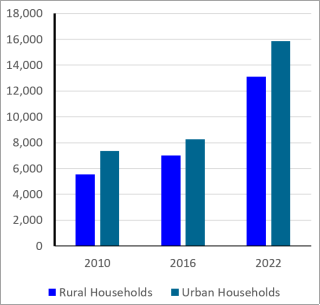
There is a noticeable upward trend in food spending among both rural and urban households (Figure 1) . Figure 1 shows a significant increase in both rural and urban households over the years. Rural households grew from 5,543 in 2010 to 13,125 in 2022, more than doubling over the period. Similarly, urban households increased from 7,362 in 2010 to 15,875 in 2022. The data indicate a substantial rise in overall household numbers, reflecting population growth, urbanization, and possibly an increase in nuclear families over time.
Figure 1. A comparison of food expenditure in Bangladesh between rural and urban households in 2010, 2016, and 2022.
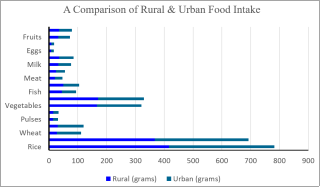
Figure 2 indicates that both rural and urban households have experienced changes in their dietary patterns over the 12 years. Notably, there has been a decrease in rice consumption and an increase in the intake of other food items such as wheat, pulses, vegetables, fish, meat, milk, eggs, and fruits. Urban households consistently consume more diverse food items compared to rural households, reflecting differences in access, availability, and possibly income levels. These trends may reflect changes in dietary habits, economic conditions, and access to food resources in both rural and urban areas of Bangladesh.
Figure 2. A comparison of food intake between 2010 and 2022 between rural and urban households.
3.4. Overview of Poverty in Bangladesh
Bangladesh ranks as one of the most crowded nations globally, with a population density of 1,278 individuals per square kilometer; however, it is among the few developing countries where the reduction in fertility rates has been remarkable over recent decades, despite widespread poverty and underdevelopment . Since the year 2000, Bangladesh has made significant strides in enhancing welfare and reducing poverty levels by half. The ongoing success in poverty alleviation in Bangladesh is attributed to sustained economic growth bolstered by a demographic advantage, effective macroeconomic strategies, and a surge in ready-made garment exports . Since the interim government assumed power, Bangladesh has encountered numerous challenges. The prevailing political instability has deterred investments and hampered industrial expansion. In 2025, the situation is anticipated to resemble the sluggish economic landscape of 2020, the year marked by the pandemic, leading to an increase in extreme poverty to 9.3 percent, which will push an additional 3 million individuals into poverty. Inequality is also projected to grow, with the Gini index rising by one point, potentially hindering the country's goal of achieving middle-income status by 2026 . As per the most recent survey conducted by the Bangladesh Institute of Development Studies (BIDS), poverty levels in the nation declined from 2022 to 2024. This survey indicates that almost 23.11 percent of households in the surveyed districts currently exist below the upper poverty line. The percentage is at 24.67 percent in rural regions, compared to 20.43 percent in urban areas.
The latest research on the poverty conditions in the country reveals an increase in the hardship faced by households under both the higher and lower poverty thresholds, indicating a need to reevaluate the strategies and initiatives aimed at alleviating and eliminating poverty .
Table 2. Poverty at different lines.

Poverty Line

Number of Poor (Thousands)

Rate (%)

Year

National Poverty Line

30,884.7

18.7

2022

International Poverty Line ($2.15/day)

8,483.6

5.0

2022

Lower Middle Income Class Poverty Line ($3.65/day)

50,872.7

30.0

2022

Upper Middle Income Class Poverty Line ($6.85/day)

125,506.9

74.1

2022

Multidimensional Poverty Measure

–

6.6

2022

Source: World Bank, 2025
3.5. Historical Trends of Poverty Reduction
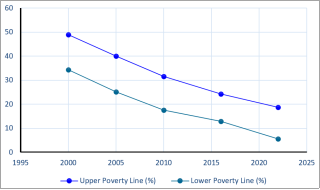
Since the year 2000, Bangladesh has made notable progress in reducing poverty. According to the Bangladesh Bureau of Statistics (BBS)/Household Income and Expenditure Survey (HIES), the official national poverty rate fell from 48.9% in 2000 to 18.7% in 2022 . Likewise, extreme poverty, as determined by the lower poverty line, declined from 34.3% to 5.6% over the same timeframe .
Table 3. Poverty Head Count Rate (HCR) in percent over the Survey Period 2000-2022.

Poverty Line

HIES 2000

HIES 2005

HIES 2010

HIES 2016/17

HIES 2022

Using the Upper Poverty Line

18.7

24.3

31.5

40.0

48.9

Using the Lower Poverty Line

5.6

12.9

17.6

25.1

34.3

Source: BBS, 2023
3.5.1. National Poverty Line
The World Bank defines the national poverty line in Bangladesh based on the cost of meeting a daily calorie intake of 2,122 per person, along with an allowance for non-food necessities. The organization has cautioned that by 2025, an additional 3 million individuals in Bangladesh are anticipated to slip into extreme poverty, with the extreme poverty rate expected to increase from 7.7 percent to 9.3 percent. According to the World Bank, the national poverty rate is projected to rise from 20.5 percent in 2024 to 22.9 percent in 2025. In Bangladesh, a person will be deemed poor if they cannot spend an average of Tk 3,822 each month on food, non-food items, and services .
3.5.2. Urban-Rural Disparity
As the nation undergoes swift urbanization, the levels of poverty reduction in rural and urban regions have not aligned. Although the national poverty rate declined in both rural and urban settings, the decline was significantly slower in urban Bangladesh . In 2022, the poverty rate in rural areas was 6 percentage points higher than in urban areas, despite a faster rate of reduction from 2016 to 2022. During this timeframe, Bangladesh also experienced a surge in urbanization. By 2022, one in four individuals in Bangladesh resided in urban environments; thus, while urban poverty remains lower than that in rural regions, a larger proportion of the poor now lives in cities. The risk of poverty has now shifted towards urban areas, with 32 percent of the non-poor population at risk of slipping into poverty .
3.5.3. Government Policies and Poverty Alleviation Programs
It is crucial to highlight the significance of poverty reduction through activities that generate income . To tackle ongoing poverty and vulnerability, the Government of Bangladesh (GoB) is rolling out various social safety net (SSN) initiatives. These initiatives approach poverty and vulnerability comprehensively, focusing on areas such as education, health, nutrition, employment, and disaster response programs . The concept of a Social Safety Net Program generally pertains to a collection of public or community initiatives aimed primarily at supporting the most disadvantaged and vulnerable members of society .
3.6. Multidimensional Poverty and Income Poverty as Determinants of Various Indicators of Food Insecurity
Food insecurity in Bangladesh is intricately linked to both multidimensional and income poverty. While income poverty focuses on financial constraints, multidimensional poverty encompasses various deprivations in health, education, and living standards, all of which significantly impact food security .
Despite notable economic growth and poverty-reduction efforts, a substantial proportion of Bangladesh’s population continues to experience food insecurity. Approximately 16 million people were projected to face high levels of acute food insecurity between May and December 2025 (Integrated Food Security Phase Classification [IPC], 2025). Factors contributing to this include high food prices, rising living costs, and limited income opportunities, which disproportionately affect low-income households.
Table 4 summarizes the sectoral growth rates at current prices for the fiscal years 2019-20 to 2022-23. The agriculture sector, encompassing crops, animal farming, forestry, and fishing, has shown a steady increase in growth rates, reaching 10.91% in 2022-23. The crops and horticulture sub-sector experienced significant growth, rising to 11.21% in the same period. The industry sector demonstrated robust growth, with the overall rate climbing from 9.60% in 2019-20 to 13.40% in 2022-23. Manufacturing, particularly large and medium-scale industries, has been a major contributor, achieving a growth rate of 13.90% in 2022-23. The services sector maintained consistent growth, increasing from 6.50% in 2019-20 to 7.40% in 2022-23. Sub-sectors such as financial intermediation and public administration have also shown positive trends.
Table 4. Decomposition of Annual Income Growth.

Sector

2019-20 (%)

2020-21 (%)

2021-22 (%)

2022-23 (%)

Agriculture

7.64

7.94

8.49

10.91

- Crops & Horticulture

7.35

7.26

7.88

11.21

- Animal Farming

8.20

9.20

9.60

9.80

- Forest & Related Services

7.50

7.60

7.70

7.80

- Fishing

8.00

8.10

8.20

8.30

Industry

9.60

11.20

12.30

13.40

- Mining & Quarrying

5.50

5.60

5.70

5.80

- Manufacturing

9.80

11.50

12.60

13.70

- Large & Medium Scale Manufacturing

10.00

11.70

12.80

13.90

- Small Scale Manufacturing

8.50

9.00

9.50

10.00

- Electricity, Gas & Water Supply

8.00

8.50

9.00

9.50

- Construction

9.00

9.50

10.00

10.50

Services

6.50

6.80

7.10

7.40

- Wholesale & Retail Trade

6.00

6.20

6.40

6.60

- Transport, Storage & Communication

6.50

6.70

6.90

7.10

- Financial Intermediation

7.00

7.20

7.40

7.60

- Real Estate, Renting & Business

6.20

6.40

6.60

6.80

- Public Administration & Defense

6.80

7.00

7.20

7.40

- Education

6.30

6.50

6.70

6.90

- Health & Social Work

6.40

6.60

6.80

7.00

Source: BBS, 2024.
Figure 3 indicates a consistent decline in poverty levels over the years. The upper poverty line represents the threshold below which individuals are considered moderately poor, while the lower poverty line indicates extreme poverty. Between 2000 and 2022, the proportion of the population below the upper poverty line decreased from 48.9% to 18.7%, and those below the lower poverty line decreased from 34.3% to 5.6% .
Source: Bangladesh Economic Review, 2024

Download: Download full-size image

Figure 3. Population living below the poverty line in Bangladesh.
3.6.1. Key Indicators of Food Insecurity Influenced by Poverty
1) Malnutrition Rates: Chronic malnutrition remains a concern, with poverty-stricken regions exhibiting higher rates of stunting and wasting among children.
2) Dietary Diversity: Low-income and multidimensionally poor households often have limited access to a variety of nutritious foods, leading to unbalanced diets.
3) Food Consumption Patterns: Economic constraints force many families to reduce meal portions or skip meals entirely, adversely affecting overall health.
4) Coping Mechanisms: To manage food shortages, impoverished households may resort to selling assets or incurring debts, which can perpetuate the cycle of poverty and food insecurity.
3.6.2. Formulating Pathways for Change
create and implement flexible strategies for change that are both desirable and achievable. Table 5 outlines various models and frameworks used by key institutions to estimate the investments required to reduce hunger and malnutrition globally, each with distinct objectives, cost estimates, and approaches.
Table 5. Ending hunger: Overview of four costing exercises.

Model/framework and institution(s)

Question asked and time frame

Investments included

Hunger target and key modeling factors included

Annual cost (US$)

Achieving Zero Hunger (FAO, IFAD, WFP)

What are the additional transfers and investments needed to end poverty and hunger in all countries by 2030?

Poverty gap transfers and pro-poor public investment in irrigation, genetic resources, mechanization, geoprocessing, infrastructure, institutions, and agricultural R&D

Zero hunger target

265

billion

IMPACT (International Model for Policy Analysis of Agricultural Commodities and Trade, IFPRI)

How much would hunger decrease given investments to achieve the target yield increases by 2030?

Agricultural R&D, irrigation expansion, water use efficiency, soil management, and infrastructure

5% hunger target; effects of climate change included 5% hunger target; bottom-up approach with household-level targeted interventions

52 billion

MIRAGRODEP (MIRAGE model developed by AGRODEP (IFPRI–IISD)

What is the minimum cost to end hunger for vulnerable households in all countries by 2030?

Social safety nets, farm support, and rural development

11 billion

Investment Framework for Nutrition (World Bank)

What is the minimum cost to meet the World Health Assembly (WHA) goals on reducing undernutrition by 2025?

Targeted nutrition interventions (micronutrient and protein supplementation, promoting good health and hygiene, complementary foods) and select nutrition-sensitive interventions (staple fortification and pro-breastfeeding policies)

40% reduction in child stunting; 50% reduction in anemia in women; 50% increase in exclusive breastfeeding rates; 5% reduction in child wasting

7 billion

Sources: FAO 2020
3.7. The Burden and Trends of Malnutrition in Bangladesh
The agricultural sector in Bangladesh presents both prospects and obstacles. However, it has made notable advancements in food security, especially in attaining self-sufficiency in rice production and lowering rates of malnutrition . Bangladesh has made significant strides in enhancing its nutritional status over the past twenty years. Although child malnutrition has seen a notable decrease, undernutrition continues to pose a significant public health concern, especially for women and children. Malnutrition refers to a condition where a person receives either inadequate or excessive nutrients. It encompasses all types of undernutrition (wasting, stunting, and being underweight), deficiencies in vitamins and minerals, obesity, and the related noncommunicable diseases associated with dietary habits. In 2025, approximately 1.6 million children aged 6–59 months in Bangladesh were acutely malnourished, including about 144,000 cases of severe acute malnutrition (SAM) and 1.4 million cases of moderate acute malnutrition (MAM), highlighting the urgent need for targeted nutrition interventions .
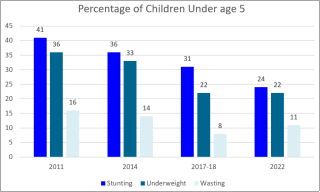
Recent data from the 2022 Bangladesh Demographic and Health Survey (BDHS) highlighted that 24% of children experienced stunting, 22% were underweight, and 11% faced wasting. Over the last ten years, the nutritional condition of children has shown consistent improvement. As illustrated in Figure 4, the rate of stunting in children under five years old decreased from 41% in 2011 to 24% in 2022. The proportion of underweight children fell from 36% in 2011 to 22% in both 2017–18 and 2022. The rate of wasting, which was alarmingly high at 16% in 2011, dropped to 8% in 2017–18 but slightly increased to 11% in 2022 .
Source: Bangladesh DHS 2011-2022

Download: Download full-size image

Figure 4. Trends in Nutritional Status of Children.
3.7.1. Contrasting Rural-Urban Malnutrition Pattern
The gaps in undernutrition among children under five between urban and rural areas have diminished. From 2014 to 2022, stunting rates dropped in both urban and rural regions, with a more significant decrease observed in rural areas, resulting in similar stunting rates of 22 percent in urban areas and 24 percent in rural areas. Wasting continues to be classified as “high” by the World Health Organization in both urban and rural regions, with a prevalence of 11 percent .
Table 6. Child nutrition status in Bangladesh, 2014-2022.

Year

Rural stunting

Urban stunting

Rural wasting

Urban wasting

2014

38%

31%

15%

12%

2017

33%

25%

8%

9%

2022

24%

22%

11%

11%

Source: Bangladesh Urban Nutrition Profile, 2023
3.7.2 Overnutrition
Overnutrition in Bangladesh has risen significantly, with higher rates of overweight, obesity, diabetes, and hypertension in urban areas compared to rural ones. By 2022, 48% of urban women and 35% of rural women were overweight or obese, though the urban–rural gap had narrowed since 2011. Overweight among men has also surged, with a more than fourfold increase in rural areas and a 2.5-fold increase in urban areas. Urban residents are generally less active, and parental overweight is linked to obesity in children, particularly in urban adolescents. Overnutrition contributes to hypertension, diabetes, and other health issues, while Bangladesh faces a growing double burden of malnutrition (DBM). In 2018, 21% of mother–child pairs experienced DBM, with a higher prevalence in urban areas (25%) than in rural areas (20%).
Table 7. Child nutrition status in Bangladesh, 2014-2022.

Year

Rural Women

Rural Men

Urban Women

Urban Men

2011

12%

4%

29%

4%

2014

19%

-

36%

-

2017

28%

15%

43%

24%

2022

35%

17%

%

29%

Source: (Margolies et al., 2024)
3.7.3 Drivers of Malnutrition: Multisectoral and Structural Determinants
In Bangladesh, malnutrition among children under five is driven by a complex interplay of multisectoral and structural determinants, including poverty, parental education levels, birth order, and inadequate feeding practices. Key determinants identified include mother's education, father's occupation, place of delivery, wealth index, birth interval, antenatal care, and sanitation facilities. Additionally, environmental conditions, access to healthcare, and media exposure play significant roles in influencing nutritional outcomes. Persistent high rates of stunting, wasting, and underweight in children highlight the need for targeted interventions addressing these socioeconomic and health-related factors to improve child nutrition and reduce mortality in the country .
3.8. Food and Nutrition Security in Bangladesh
Bangladesh faces ongoing challenges in ensuring food and nutrition security for its population. Bangladesh is making strides in food and nutrition security, particularly when compared to several of its regional neighbors. Food and nutrition security in Bangladesh is influenced by three key factors: availability, accessibility, and utilization.
3.8.1. Food Availability
Bangladesh has achieved significant advancements in enhancing food availability. The nation's food production is considered sufficient, as it has attained self-sufficiency in rice production in terms of caloric intake. Since the country’s independence, rice production has increased by 3.8 times, fulfilling the nutritional needs of the population . The availability of fruits and vegetables has steadily increased, with vegetable supply reaching just above 120 grams per capita per day in 2021, compared to approximately 75 grams per capita per day in 2010. The supply of meat, eggs, milk, and starchy roots, despite experiencing some fluctuations, has shown an overall upward trend . Present FAO assessments indicate that the supply of rice and rice products is approximately 715 g per capita per day, 50 g per capita per day for wheat and its products, and around 25 g per capita per day for pulses . Conversely, the proportion of individuals who cannot afford a healthy diet has fallen from 77.4% to 75% between 2017 and 2023 .
3.8.2. Accessibility
Due to ongoing population growth, Bangladesh faces the challenge of continuously boosting food production to sustain rice self-sufficiency. Achieving this goal for other food categories relies on factors such as crop yields, fluctuations in climate, and shifts in agricultural policies. These factors impact the availability of food products in the marketplace. Individuals from lower-income groups, like day workers, often struggle financially to access adequate quantities and quality of food. Regarding financial access, the expense of maintaining a healthy diet has risen due to inflation and variations in the international market. As of March 2024, the inflation rate for food prices (year-on-year) was 9.87% . This inflation is partly attributed to the depreciation of the BDT against the US dollar. However, with rising incomes, the proportion of individuals unable to afford a healthy diet has diminished.
3.8.3. Food Utilization
The national levels of energy intake and consumption of vital nutrients continue to fall short of the recommended dietary guidelines. In addition to cereals, non-leafy vegetables, roots, and tubers contribute to more than 80% of the total diet of the rural population. Only 10% of the diets in Bangladesh include protein and micronutrient-rich foods such as fish, meat, and eggs. Moreover, it has been reported that the typical Bangladeshi consumes approximately 201.9 grams of vegetables and 95.4 grams of fruit daily, the latter significantly below the recommended daily intake of 200 grams .
Nutrition and food security in Bangladesh remain critical challenges, influenced by economic disparities, environmental shocks, and supply chain disruptions. As of late 2024, about 26% of the population, including 23.3 million Bangladeshis and 300,000 Forcibly Displaced Myanmar Nationals, faced high levels of acute food insecurity, necessitating urgent humanitarian assistance. Despite some progress in reducing child malnutrition, stunting and wasting rates are still above global targets, while adult obesity is on the rise, with 6.2% of women and 3.0% of men affected. The country also faces challenges with child overweight rates, which are not on track to decline . Table 8 highlights food insecurity levels across Bangladesh, showing that 21.91% of the population faces moderate food insecurity, with rural areas (22.83%) experiencing higher levels than urban areas (19.66%). Among divisions, Rangpur (29.98%) has the highest moderate food insecurity, followed by Khulna and Sylhet (26.48%), while Dhaka has the lowest (16.40%). Severe food insecurity is relatively low nationwide (0.83%), with Sylhet (1.42%) reporting the highest rate. Rural areas (0.95%) face slightly more severe food insecurity than urban areas (0.67%). These figures indicate regional disparities, with rural and certain divisional populations being more vulnerable to food insecurity.
Table 8. Food Insecurity in Bangladesh (2023).

Indicator

National (%)

Rural (%)

Urban (%)

Barisal (%)

Chittagong (%)

Dhaka (%)

Mymensingh (%)

Khulna (%)

Rajshahi (%)

Rangpur (%)

Sylhet (%)

Moderate Food Insecurity

21.91

22.83

19.66

22.07

26.00

16.40

25.01

26.48

21.91

29.98

26.48

Severe Food Insecurity

0.83

0.95

0.67

0.87

0.87

0.64

0.87

0.87

0.51

0.87

1.42

Sources: BBS, 2024
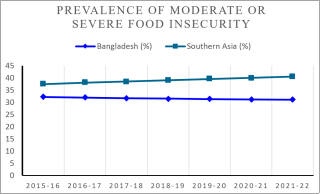
Figure 5 compares the prevalence of moderate or severe food insecurity in Bangladesh with the average for Southern Asia from 2015 to 2021. In Bangladesh, the rate of food insecurity remained relatively stable, showing only slight fluctuations over the years. It decreased gradually from 32.2% in 2015 to 31.1% in 2021. In contrast, the average prevalence in Southern Asia showed a steady increase during the same period, rising from 37.4% in 2015 to 40.5% in 2021. This indicates that while Bangladesh managed to maintain a consistent level of food security, the region experienced a growing food insecurity challenge.
Figure 5. A comparison between the prevalence of moderate or severe food insecurity in Bangladesh and the average regional data for Southern Asia between 2015 and 2022.
3.9. Government Policy
3.9.1. Bangladesh National Food and Nutrition Security Policy Plan of Action 2021-2030
The National Food and Nutrition Security Policy (NFNSP) of Bangladesh received approval in August 2020, and its Action Plan (PoA) for 2021-2030 is designed to ensure that the country meets its food and nutrition security-related Sustainable Development Goals (SDGs) and upholds pertinent national and international commitments by 2030. The PoA details 275 priority initiatives strategically organized into 17 strategies to fulfill the NFNSP's five goals and was created with the coordination of the Food Planning and Monitoring Unit (FPMU) alongside support from the FAO, USAID, and the EU. This Plan of Action spans the 10 years of the Eighth Year Plan (8F YP, July 2020 — June 2025) and the Ninth Five-Year Plan (9FYP, July 2025 — June 2030). The five objectives of the NFNSP are:
1) To guarantee the availability of healthy and safe food for balanced diets.
2) To improve the accessibility of safe and nutritious food at a reasonable cost.
3) To promote the consumption and use of healthy and varied diets to enhance nutritional outcomes.
4) To expand access to nutrition-sensitive social protection and safety nets throughout life, prioritizing vulnerable populations and regions.
5) To reinforce governance, coordination, capacity building, and partnerships across sectors for effective implementation of food and nutrition security policies.
3.9.2. Bangladesh Third Country Investment Plan-Sustainable, Nutrition Sensitive and Resilient Food System (CIP3, 2021-2025)
The Bangladesh Third Country Investment Plan – Sustainable, Nutrition Sensitive and Resilient Food Systems (CIP3, 2021-2025) is an essential instrument for executing the obligations outlined in the National Food and Nutrition Security Policy (NFNSP, 2020), its accompanying Plan of Action (PoA, 2021-2030), as well as the Eight Five Year Plan and the goals set for the 2030 Sustainable Development Goals (SDGs), all of which necessitate well-directed financial investments. It aims to attract and channel resources toward investments that prioritize sustainability, nutrition sensitivity, and resilience, all with the objective of achieving food and nutrition security (FNS) for everyone in Bangladesh . The plan was crafted by the Food and Agriculture Organization (FAO) in collaboration with the Government of Bangladesh.
3.9.3. Perspective Plan 2041
Bangladesh's Perspective Plan 2021-2041 (PP2041) is an extensive 20-year strategy aimed at transforming the nation into a high-income, developed country by eliminating extreme poverty, attaining Upper Middle-Income status by 2031, and reaching High-Income status by 2041 . It emphasizes the importance of modernizing agriculture, fisheries, and livestock through diversification and climate resilience to ensure food and nutritional security. The principal aims and objectives include economic transformation, the eradication of extreme poverty by 2030, the achievement of high-income country status, as well as export growth and increased investment.
3.9.4. Eighth Five-Year Plan
Every five years, the government of Bangladesh formulates a plan that targets the country's most urgent issues concerning short-term development. In December 2020, the Eighth Five-Year Plan for 2020–2025 was launched . This national development plan is aimed at enhancing prosperity, encouraging inclusiveness, and alleviating poverty. It marks the initial stage of the country's Perspective Plan 2041, which seeks to achieve upper-middle-income status and fulfill major Sustainable Development Goals. The plan highlights the recovery from COVID-19, growth in GDP, the creation of employment, and sustainable development.
3.9.5. Bangladesh Delta Plan (BDP), 2100
The Bangladesh Delta Plan 2100 (BDP 2100) is a detailed, long-term initiative endorsed by the Bangladeshi government in 2018, with the goal of ensuring a secure, climate-resilient, and flourishing delta by the end of the 21st century. Created with assistance from the Netherlands, the plan consolidates all sector plans and policies related to the delta. Delta Vision is described as ensuring sustainable availability of water and food, encouraging economic growth, and preserving environmental equilibrium while effectively reducing vulnerability to natural disasters and strengthening resilience against climate change and other delta-related challenges through robust, flexible, and integrated strategies, along with equitable water management. The BDP 2100 specifies three higher-level national goals and six specific goals that support their attainment.
4. Conclusion
The analysis of food systems, poverty, and malnutrition in Bangladesh reveals a complex but interdependent relationship that continues to shape national development outcomes. While agricultural growth and poverty reduction have contributed to measurable progress in food security, persistent challenges including multidimensional poverty, unequal access to nutritious diets, and high levels of child undernutrition highlight the fragility of these gains. Structural drivers, such as climate change, global price shocks, and rural–urban disparities, further exacerbate vulnerabilities within the food system. Evidence suggests that existing government policies and budgetary allocations, although impactful, remain fragmented and insufficient to address the multidimensional nature of food insecurity and malnutrition.
Moving forward, integrated and multi-sectoral strategies are essential. These should prioritize sustainable agricultural productivity, strengthen social protection and poverty alleviation programs, and ensure nutrition-sensitive interventions that improve dietary diversity and affordability. By aligning agricultural policies with nutrition and poverty reduction goals, Bangladesh can advance toward building a more resilient, inclusive, and equitable food system. Such coordinated efforts are critical for achieving the Sustainable Development Goals, particularly those related to zero hunger, good health, and poverty eradication.
Abbreviations

ADB

Asian Development Bank

AGRODEP

African Growth and Development Policy Modeling Consortium

BBS

Bangladesh Bureau of Statistics

BDHS

Bangladesh Demographic and Health Survey

BDP 2100

Bangladesh Delta Plan 2100

BDT

Bangladeshi Taka

BIDS

Bangladesh Institute of Development Studies

CIP3

Third Country Investment Plan – Sustainable, Nutrition-Sensitive and Resilient Food Systems

COVID-19

Coronavirus Disease 2019

DBM

Double Burden of Malnutrition

DHS

Demographic and Health Surveys

DPs

Development Partners

EU

European Union

FAO

Food and Agriculture Organization of the United Nations

FAOSTAT

FAO Statistical Database

FNS

Food and Nutrition Security

FPMU

Food Planning and Monitoring Unit

GDP

Gross Domestic Product

GoB

Government of Bangladesh

HCR

Head Count Rate

HIES

Household Income and Expenditure Survey

IFAD

International Fund for Agricultural Development

IFPRI

International Food Policy Research Institute

IISD

International Institute for Sustainable Development

IMPACT

International Model for Policy Analysis of Agricultural Commodities and Trade

IOM

International Organization for Migration

IPC

Integrated Food Security Phase Classification

MAM

Moderate Acute Malnutrition

MIRAGE

MIRAGE Model

MIRAGRODEP

MIRAGRODEP Model

MoP

Ministry of Planning

MT

Million Tonnes

NFNSP

National Food and Nutrition Security Policy

NIPORT

National Institute of Population Research and Training

PoA

Plan of Action

PP2041

Perspective Plan of Bangladesh 2021–2041

R&D

Research and Development

SAM

Severe Acute Malnutrition

SDGs

Sustainable Development Goals

SSN

Social Safety Net

UN

United Nations

UNFPA

United Nations Population Fund

USAID

United States Agency for International Development

US$

United States Dollar

WFP

World Food Programme

WHA

World Health Assembly

WHO

World Health Organization

WRI

World Risk Index

8FYP

Eighth Five-Year Plan

9FYP

Ninth Five-Year Plan

Author Contributions
Md Mizanur Rahman Sarker: Conceptualization, Methodology, Resources, Supervision, Validation, Writing – review & editing
Sumaia Jannat: Conceptualization, Data curation, Formal Analysis, Investigation, Methodology, Visualization, Writing – original draft, Writing – review & editing
Momena Ulfat Himany: Data curation, Formal Analysis, Visualization, Writing – original draft, Writing – review & editing
Sanjida Tamanna: Data curation, Formal Analysis, Visualization, Writing – original draft, Writing – review & editing
Conflicts of Interest
The authors declare no conflicts of interest.
References
[1] Asian Development Bank. (2021). Asian development outlook 2021 update: Transforming agriculture in Asia.
[2] Bangladesh Bureau of Statistics. (2023). Yearbook of agricultural statistics 2023. Statistics and Informatics Division, Ministry of Planning, Government of the People’s Republic of Bangladesh.
[3] Bangladesh Bureau of Statistics. (2023, December). Final report: Household Income and Expenditure Survey (HIES) 2022. Statistics and Informatics Division, Ministry of Planning, Government of Bangladesh.
[4] Bangladesh Bureau of Statistics. (2024). National accounts statistics 2024. Statistics and Informatics Division, Ministry of Planning, Government of the People’s Republic of Bangladesh.
[5] Bangladesh Bureau of Statistics. (2025, February 4). Poverty map of Bangladesh 2022: Small area estimation – District and Upazila results.
[6] Banis, Z. O., Hasan, M., Rosario, F. S. R., & Mohammad, J. D. (2024, May). An overview of the Bangladesh food system: Outcomes, drivers & activities. Foresight Food.
[7] Finance Division, Ministry of Finance. (2024). Bangladesh economic review 2024. Government of the People’s Republic of Bangladesh.
[8] Food and Agriculture Organization of the United Nations. (2023). FAOSTAT: Crops and livestock products [Data set].
[9] Food and Agriculture Organization of the United Nations. (2024). FAOSTAT: Suite of food security indicators [Data set].
[10] Food and Agriculture Organization of the United Nations, International Fund for Agricultural Development, United Nations Children’s Fund, World Food Programme, & World Health Organization. (2020). The state of food security and nutrition in the world 2020: Transforming food systems for affordable healthy diets. Food and Agriculture Organization of the United Nations.
[11] Food Planning and Monitoring Unit (FPMU), Ministry of Food, Government of the People’s Republic of Bangladesh. (2023). Bangladesh national food and nutrition security policy plan of action 2021–2030 [PDF]. FAOLEX. Retrieved from
[12] Food Planning and Monitoring Unit (FPMU), Ministry of Food, Government of Bangladesh. (2022, March). Bangladesh Third Country Investment Plan – Sustainable, Nutrition-Sensitive and Resilient Food Systems (2021-2025). FAOLEX. Food and Agriculture Organization of the United Nations. Retrieved from
[13] Global Nutrition Report. (2024). Bangladesh nutrition profile.
[14] Hossain, M. A., et al. (2025). Identifying determinants of malnutrition in children in Bangladesh. Scientific Reports.
[15] Integrated Food Security Phase Classification [IPC]. (2025, July 4). Bangladesh: IPC acute food insecurity and acute malnutrition analysis, January–December 2025. IPC Global Support Unit.
[16] International Organization for Migration. (2022). World migration report 2022.
[17] Islam, M. S., & Sowdagar, M.-U.-A. (2021–2022). Poverty reduction in Bangladesh: Policy, achievement, and setbacks. Jagannath University Journal of Social Sciences, 11(1–2), 38–54.
[18] Margolies, A., Choo, E., Singh, N., Parvin, A., Ruel, M. T., & Olney, D. K. (2024). Bangladesh urban nutrition profile. Initiative on Sustainable Healthy Diets & Initiative on Resilient Cities, International Food Policy Research Institute. Retrieved from Aklima Parvin | IFPRI.
[19] Ministry of Planning. (2018, September 4). Bangladesh Delta Plan 2100: A long-term integrated techno-economic plan for water resources management [Policy document]. Government of the People’s Republic of Bangladesh. Retrieved from FAOLEX website:
[20] Ministry of Planning. (2020, March). Making Vision 2041 a Reality: Perspective Plan of Bangladesh 2021–2041 (Publication of the General Economics Division, Planning Commission, Government of the People’s Republic of Bangladesh). Retrieved from GED Knowledge Portal: [“Perspective Plan of Bangladesh 2021-2041” document].
[21] Mohajan, H. K. (2018). Analysis of food production and poverty reduction in Bangladesh. Annals of Spiru Haret University. Economic Series, 18(1), 191–205.
[22] Mozdalifa, J. (2012). Elusive progress: State of food security in Bangladesh. Unnayan Onneshan – The Innovators, Center for Research and Action Development.
[23] Nath, N. C. (2015). Food security in Bangladesh: Status, challenges and strategic policy options. Bangladesh Economic Association.
[24] National Institute of Population Research and Training (NIPORT), Medical Education and Family Welfare Division, Ministry of Health and Family Welfare [Bangladesh], & ICF. (2023). Bangladesh demographic and health survey 2022: Key indicators report. Dhaka, Bangladesh, and Rockville, Maryland, USA: NIPORT and ICF.
[25] Osmani, S. R. (1980). Poverty, inequality, and the problem of nutrition in Bangladesh. The Bangladesh Development Studies, 8(1/2), 121–142.
[26] Prothom Alo. (2025, April 24). 3m more to fall into extreme poverty in Bangladesh: World Bank. Prothom Alo English.
[27] Safety Net System for the Poorest project: Brief on the Strengthening of the MoDMR Program Administration (SNSP-DDM) Project. (2025, August 17). Ministry of Disaster Management and Relief.
[28] Sarker, M. M. R., Aleen, M. J., & Datta, T. (2025a). Agricultural Transformation and Its Contribution to Economic Development in South Asian and African Countries. Asian Journal of Advances in Agricultural Research, 25(1), 19–31.
[29] Sarker, M. M. R., Aleen, M. J., & Datta, T. (2025b). Productivity of food and self-sufficiency in rice production in Bangladesh. Economics World, 12(3), 214–226.
[30] Sarker, M. M. R., Jannat, S., Mohanta, A. R., & Anjum, R. (2025). Food and nutrition security in Bangladesh: Trends, challenges, and policy interventions. European Journal of Nutrition & Food Safety, 17(10), 93–112.
[31] Sarker, M. M. R., Jury, F. H., & Khan, M. (2022). Micro-level study of ethnic and non-ethnic households’ food security and dietary diversity. International Journal of Agricultural Economics, 7(2), 75–81.
[32] Sarker, M. M. R., Khan, M., Parvin, M. M., & Islam, S. (2022). Economic impact of COVID-19 on different groups of people in South Asia: Evidence from Bangladesh. Journal of Health and Environmental Research, 8(1), 43–46.
[33] Sarker, M. M. R., Nishat, N. I., Parvin, M. M., & Fagun, A. N. (2021). Determinants of fertility trend at district, divisional, and regional levels and policy implications for poverty alleviation. International Journal of Health Economics and Policy, 6(3), 92–99.
[34] The Financial Express. (2025, August 16). Poverty in Bangladesh stages a comeback.
[35] Wikipedia contributors. (2025). Poverty. Wikipedia.
[36] World Bank Group. (2023, April). Poverty & equity brief: Bangladesh (South Asia).
[37] World Bank. (2025, April). Poverty & equity brief: Bangladesh. Poverty Economist: Sergio Olivieri & Nethra Palaniswamy. World Bank Group.
[38] World Bank. (2021). Urban population (% of total population)—Bangladesh [Data set]. World Development Indicators.
[39] World Health Organization. (2024). Nutrition.
Cite This Article
  • APA Style

    Sarker, M. M. R., Jannat, S., Himany, M. U., Anjum, R., Tamanna, S. (2026). Food System, Poverty, and Malnutrition in Bangladesh: Challenges and Policy Implications. Science Discovery Nutrition, 1(1), 1-14. https://doi.org/10.11648/j.sdnutr.20260101.11

    Copy | Download

    ACS Style

    Sarker, M. M. R.; Jannat, S.; Himany, M. U.; Anjum, R.; Tamanna, S. Food System, Poverty, and Malnutrition in Bangladesh: Challenges and Policy Implications. Sci. Discov. Nutr. 2026, 1(1), 1-14. doi: 10.11648/j.sdnutr.20260101.11

    Copy | Download

    AMA Style

    Sarker MMR, Jannat S, Himany MU, Anjum R, Tamanna S. Food System, Poverty, and Malnutrition in Bangladesh: Challenges and Policy Implications. Sci Discov Nutr. 2026;1(1):1-14. doi: 10.11648/j.sdnutr.20260101.11

    Copy | Download

  • @article{10.11648/j.sdnutr.20260101.11,
      author = {Md Mizanur Rahman Sarker and Sumaia Jannat and Momena Ulfat Himany and Ramisa Anjum and Sanjida Tamanna},
      title = {Food System, Poverty, and Malnutrition in Bangladesh: Challenges and Policy Implications},
      journal = {Science Discovery Nutrition},
      volume = {1},
      number = {1},
      pages = {1-14},
      doi = {10.11648/j.sdnutr.20260101.11},
      url = {https://doi.org/10.11648/j.sdnutr.20260101.11},
      eprint = {https://article.sciencepublishinggroup.com/pdf/10.11648.j.sdnutr.20260101.11},
      abstract = {The interconnections among food systems, poverty, and malnutrition remain central to Bangladesh’s development trajectory. Despite substantial agricultural growth and notable reductions in poverty over the past two decades, structural challenges continue to constrain equitable access to food and nutrition. This study analyzes agricultural production trends, food system drivers, and consumption behaviors, situating Bangladesh in a comparative South Asian context. Using national survey data and secondary statistics, it further examines poverty dynamics, both income-based and multidimensional and their implications for food insecurity and nutrition outcomes. The empirical evidence highlights persistent disparities in dietary diversity, caloric intake, and affordability of healthy diets across rural–urban and socio-economic groups. Moreover, the prevalence of child undernutrition and the double burden of malnutrition underscore the fragility of current nutrition gains. The findings suggest that external shocks, including climate variability, market volatility, and global food price fluctuations, exacerbate systemic vulnerabilities. Policy analysis indicates that while government interventions in agriculture, poverty alleviation, and nutrition have achieved incremental success, gaps remain in coordination, targeting, and long-term sustainability. The paper argues for integrated, multisectoral strategies that enhance agricultural productivity, strengthen social protection mechanisms, and promote resilient, nutrition-sensitive food systems. Such approaches are essential to achieving the Sustainable Development Goals (SDGs) on zero hunger, poverty reduction, and improved health outcomes in Bangladesh.},
     year = {2026}
    }
    

    Copy | Download

  • TY  - JOUR
    T1  - Food System, Poverty, and Malnutrition in Bangladesh: Challenges and Policy Implications
    AU  - Md Mizanur Rahman Sarker
    AU  - Sumaia Jannat
    AU  - Momena Ulfat Himany
    AU  - Ramisa Anjum
    AU  - Sanjida Tamanna
    Y1  - 2026/09/30
    PY  - 2026
    N1  - https://doi.org/10.11648/j.sdnutr.20260101.11
    DO  - 10.11648/j.sdnutr.20260101.11
    T2  - Science Discovery Nutrition
    JF  - Science Discovery Nutrition
    JO  - Science Discovery Nutrition
    SP  - 1
    EP  - 14
    PB  - Science Publishing Group
    UR  - https://doi.org/10.11648/j.sdnutr.20260101.11
    AB  - The interconnections among food systems, poverty, and malnutrition remain central to Bangladesh’s development trajectory. Despite substantial agricultural growth and notable reductions in poverty over the past two decades, structural challenges continue to constrain equitable access to food and nutrition. This study analyzes agricultural production trends, food system drivers, and consumption behaviors, situating Bangladesh in a comparative South Asian context. Using national survey data and secondary statistics, it further examines poverty dynamics, both income-based and multidimensional and their implications for food insecurity and nutrition outcomes. The empirical evidence highlights persistent disparities in dietary diversity, caloric intake, and affordability of healthy diets across rural–urban and socio-economic groups. Moreover, the prevalence of child undernutrition and the double burden of malnutrition underscore the fragility of current nutrition gains. The findings suggest that external shocks, including climate variability, market volatility, and global food price fluctuations, exacerbate systemic vulnerabilities. Policy analysis indicates that while government interventions in agriculture, poverty alleviation, and nutrition have achieved incremental success, gaps remain in coordination, targeting, and long-term sustainability. The paper argues for integrated, multisectoral strategies that enhance agricultural productivity, strengthen social protection mechanisms, and promote resilient, nutrition-sensitive food systems. Such approaches are essential to achieving the Sustainable Development Goals (SDGs) on zero hunger, poverty reduction, and improved health outcomes in Bangladesh.
    VL  - 1
    IS  - 1
    ER  - 

    Copy | Download

Author Information
  • Department of Agricultural Statistics, Sher-e-Bangla Agricultural University, Dhaka, Bangladesh
  • Department of Agricultural Statistics, Sher-e-Bangla Agricultural University, Dhaka, Bangladesh

  • Department of Agricultural Statistics, Sher-e-Bangla Agricultural University, Dhaka, Bangladesh

  • Faculty of Agribusiness Management, Sher-e-Bangla Agricultural University, Dhaka, Bangladesh

  • Department of Agricultural Statistics, Sher-e-Bangla Agricultural University, Dhaka, Bangladesh

  • Abstract
  • Keywords
  • Document Sections

    1. 1. Introduction
    2. 2. Methodology
    3. 3. Results and Discussion
    4. 4. Conclusion
    Show Full Outline
  • Abbreviations
  • Author Contributions
  • Conflicts of Interest
  • References
  • Cite This Article
  • Author Information