Abstract
The rich biodiversity of Saharanpur district of Uttar Pradesh harbors a wide array of wild food plants (WFPs), which play a significant role in the sustenance and cultural traditions of rural and tribal communities. This study documents and analyzes the traditional knowledge associated with the collection and use of wild food plants by local inhabitants of the region. Using ethno botanical surveys conducted in various villages and forest fringe communities, a total of 25 wild food plant species were identified and classified based on their local names, plant parts used, mode of consumption, availability and cultural importance. Drawing upon recent academic literature, it synthesizes data on floristic diversity, traditional uses, preparation methods and nutritional composition of key species. The study highlights the critical role of WFPs in local food security, dietary diversity and traditional healthcare systems, particularly in regions facing environmental and socio-economic challenges. The findings highlight the importance of WFPs in Sincere dietary diversification, food security and conservation of indigenous knowledge. Urgent efforts are required to document and preserve this knowledge in the face of socio-economic changes and biodiversity loss. This research reveals that the district, have predominantly herbaceous plants, with leaves and fruits being the most frequently consumed parts. A notable characteristic of many identified plants is their dual food-medicinal properties, which underscores the integrated nature of traditional knowledge systems in the region. Nutritional analysis further demonstrates that several identified WFPs are rich in essential macronutrients, vitamins and minerals, offering substantial health benefits. The continued reliance on WFPs by local populations emphasizes their importance for nutritional supplementation and resilience against food scarcity. However, prevailing threats such as habitat degradation and the erosion of traditional knowledge necessitate urgent conservation efforts and further scientific validation of their nutritional and pharmacological potential. This report advocates for integrated approaches to promote the sustainable utilization and conservation of these invaluable bio-resources.
Keywords
Wild Food Plants, Ethnobotany, Saharanpur, Indigenous Knowledge, Food Security
1. Introduction
Wild food plants (WFPs) have been an integral component of human diets since prehistoric times. These plants, which grow in natural habitats without human intervention, offer vital nutritional, medicinal and cultural benefits and serve as crucial sources of sustenance and income, particularly during periods of scarcity or environmental stress, such as famine and drought. In India, especially in forested and rural landscapes, communities have preserved a deep-rooted traditional knowledge about WFPs
| [1] | Kala, C. P. (2005). Indigenous uses, population density, and conservation of threatened medicinal plants in protected areas of the Indian Himalayas. Conservation Biology, 19(2), 368-378. |
[1]
.
Saharanpur district, located in the northern part of the state of Uttar Pradesh, lies in the Doon Valley and is bordered by the Shivalik hills, giving it rich ecological diversity, despite the widespread use of WFPs in this region, there is limited documentation of species diversity, usage patterns and cultural associations. These non-cultivated plant resources represent a vast, often untapped, potential for enhancing human diets, providing essential nutrients. This study aims to fill this gap by exploring and documenting the traditional use of wild food plants among the rural and forest-dependent communities of Saharanpur. Understanding such knowledge not only contributes to ethno botanical literature but also supports biodiversity conservation, food sovereignty also for identifying potential sources for novel food products, dietary supplements and herbal drugs with climate adaptation strategies. As climate change accelerates, leading to more extreme and unpredictable weather patterns—such as excessive heat, drought or rainfall—ordinary crop plants may experience reduced yields or complete harvest failures. In contrast, many types of WEPs, often referred to as edible weeds, demonstrate the capacity to flourish under these challenging conditions. This inherent resilience positions WEPs as a critical component for future food systems, particularly in vulnerable regions like Uttar Pradesh, elevating their status from a historical or cultural curiosity to a vital element of contemporary food security planning.
1.1. Overview of Uttar Pradesh Biodiversity and Traditional Knowledge
Uttar Pradesh, a state in northern India, is characterized by its diverse agro-climatic zones, which foster a rich floristic biodiversity. This extensive biodiversity, in turn, supports a wealth of traditional knowledge concerning the multifaceted uses of wild plants, including their applications as food and medicine. Ethno botanical investigations conducted across Uttar Pradesh, such as those in the Kannauj district, highlight a notable reliance on wild vegetables by rural communities
| [2] | Bharucha, Z., & Pretty, J. (2010). The roles and values of wild foods in agricultural systems. Philosophical Transactions of the Royal Society B, 365(1554), 2913-2926. |
[2]
. These plants serve as essential supplements to their diets and play a role in combating malnutrition. Furthermore, these studies have brought attention to the precarious status of certain wild vegetables, indicating that some species are threatened, which underscores the urgent need for their systematic documentation and conservation. A significant observation emerges regarding the interconnectedness of food security, traditional knowledge and the challenge of biodiversity loss. The existing documentation for Saharanpur consistently emphasizes the rich indigenous traditional knowledge, primarily in relation to medicinal plants, while also noting some wild food uses. Along with, studies from Kannauj, another district within Uttar Pradesh, clearly state that a substantial proportion (44%) of wild vegetables is facing threats to their survival. This suggests a critical feedback loop: as the diversity of plant species declines, the traditional knowledge associated with their identification, harvesting and preparation also diminishes. This erosion of knowledge can further exacerbate existing challenges in food security and contribute to nutritional deficiencies, particularly affecting vulnerable populations who rely on these resources. Therefore, the preservation of these plants and the knowledge systems that surround them represents a dual challenge, requiring integrated solutions that address both ecological conservation and cultural heritage
| [4] | Singh, V., & Kumar, A. (2018). An overview of wild edible plants in India: A rich source of nutrients. Journal of Medicinal Plants Studies, 6(4), 148-152. |
| [5] | Sharma, P. K., & Tiwari, A. (2021). Diversity and status of wild edible plants in Uttar Pradesh. Asian Journal of Conservation Biology, 10(1), 10-18. |
[4, 5]
. The disappearance of WEPs is not merely an ecological concern but also represents a profound cultural and nutritional crisis.
1.2. Geographical and Ethnobotanical Context of Saharanpur District
Saharanpur district is situated in the northernmost part of Uttar Pradesh, sharing its borders with the states of Haryana, Himachal Pradesh, and Uttarakhand. Its strategic location within the northern Ganga-Yamuna Doab, coupled with favorable irrigation facilities, contributes to a rich diversity of valuable plant resources in the area. Ethno botanical investigations in Saharanpur have predominantly focused on documenting medicinally important plants. These studies have revealed a substantial number of species and underscore the significant dependence of local inhabitants on these plants for their primary healthcare needs
| [6] | Kumar, Y. (2023). Floristic Diversity and Indigenous Uses of Medicinal Plants of Saharanpur District, (Uttar Pradesh) India. Research Trend, BFJ, 182. |
| [7] | Kumar, Y., & Singh, A. K. (2022). Documentation of Indigenous Traditional Knowledge on Some Medicinal Plants in Saharanpur District of Uttar Pradesh, India. Advances in Zoology and Botany, 10(4), 112-122. |
[6, 7]
. While the primary emphasis in much of the existing literature has been on medicinal applications, the integration of these plants into local diets and their recognized dual-purpose nature (serving as both food and medicine) is also evident. Historically, the Botanical Survey of India (BSI)
conducted extensive ethnobotanical surveys in Saharanpur as part of the All India Co-ordinated Research Project on Ethnobiology (AICRPE) between 1982 and 1994
| [6] | Kumar, Y. (2023). Floristic Diversity and Indigenous Uses of Medicinal Plants of Saharanpur District, (Uttar Pradesh) India. Research Trend, BFJ, 182. |
[6]
. These projects aimed to document edible plants among various tribal communities in the undivided Uttar Pradesh, including those residing in Saharanpur. This foundational research provides a historical understanding of the region's ethnobotanical landscape. Data from Saharanpur consistently show a prevalence of herbaceous plants and the frequent use of leaves and fruits
. This pattern aligns with observations from other parts of India, where herbs often dominate among WEPs and leaves and fruits are commonly consumed. Furthermore, the strong emphasis on medicinal uses in Saharanpur often overlaps with their culinary applications, reflecting a holistic traditional perspective on plants, where the distinction between food and medicine is often blurred. This indicates that Saharanpur is not an isolated case but rather a representative example of how traditional communities in biodiverse regions of India interact with their local flora. The observations from Saharanpur can therefore offer valuable insights applicable to similar regions, reinforcing the argument for region-specific ethnobotanical studies while also contributing to a broader national understanding of WEPs
.
1.3. Objectives of the Report
The primary objectives of this report are as follows.
1) To systematically document and synthesize available research on wild food plants utilized by local communities in Saharanpur District, Uttar Pradesh.
2) To identify the floristic diversity, dominant plant families, prevalent growth forms and specific plant parts consumed for food, along with traditional preparation methods.
3) To evaluate the known nutritional composition and ethnomedicinal benefits of key wild food plant species found in the region.
4) To discuss the conservation status of these valuable plant resources and highlight ongoing research initiatives in Uttar Pradesh.
5) To provide recommendations for future research, sustainable utilization and conservation strategies for wild food plants in Saharanpur and similar regions.
2. Materials and Methods
2.1. Study Area
The study was conducted in Saharanpur district (29.96° N, 77.55° E), covering selected villages near Shivalik foothills and forest regions including Behat, Gangoh, Deoband and Nakur blocks. The region features a subtropical climate and fertile alluvial soils, supporting both agricultural and forest biodiversity.
2.2. Data Collection and Literature Review Strategy
This report is founded upon a comprehensive review of academic literature, encompassing research articles, review papers, and institutional reports. The focus of this report is ethnobotanical studies pertaining to wild food plants in Saharanpur District, Uttar Pradesh, as well as relevant comparative regions within India. This study has been undertaken with the broader objective of addressing hunger and promoting food security through the documentation of traditional knowledge. A Semi-structured interviews was conducted for this purpose The data collected from villagers in these blocks formed the primary basis for the analysis and conclusions presented in this report.
To identify pertinent sources, a systematic search was conducted using keywords such as "ethnobotany," "wild food plants," "wild edible plants," "Saharanpur District," "Uttar Pradesh," "traditional knowledge," and specific academic journal names like
Ethnobotany Research and Applications | [13] | Khan, S. M., et al. (2025). Ethnobotanical study of wild edible plants traditionally used by the inhabitants of Lalku Valley, District Swat, Pakistan. Ethnobotany Research and Applications, 30(41), 1-17. |
[13]
and
Indian Journal of Traditional Knowledge. Information extracted from these sources included precise plant identification (botanical names, families), local vernacular names, habit (growth form), specific plant parts utilized for food, traditional preparation methods, reported ethnomedicinal uses and available nutritional data. In instances where repetitive information was encountered across multiple sources, the most comprehensive and recently published material was prioritized for detailed inclusion.
2.3. Data Collection
Ethno botanical data were collected through:
1) Semi-structured interviews with 80 local informants (aged 30–75 years)
2) Focus group discussions with farmers, tribal elders and women
3) Guided field walks to collect plant specimens
2.4. Identification and Classification
Collected plant specimens were identified using the Flora of Upper Gangetic Plains and verified through the Herbarium of the Botany Department, Shobhit University. Species were classified based on:
1) Local and botanical names
2) Family
3) Edible parts (fruit, leaves, tuber, flower)
4) Mode of preparation
5) Seasonal availability
2.5. Data Analysis
Quantitative ethnobotanical indices were used:
1) Use Value (UV) = ∑U/N, where U = number of use reports by informants and N = total number of informants.
2) Relative Frequency of Citation (RFC) = FC/N, where FC = number of informants mentioning the species.
2.6. Diversity and Traditional Uses of Wild Food Plants in Saharanpur District
Floristic Diversity (Families, Genera, Species)
Table 1.
Comprehensive List of Wild Food Plants in Saharanpur District (and Proxies from UP) | [14] | Sharma, A., & Wagh, V. V. (2024). From forests to tables: wild edible plants’ contribution to ethnomedicine and nutrition in northeastern Madhya Pradesh, India. Genetic Resources and Crop Evolution, 72(4), 4205-4239. |
Botanical Name (Family) | Local Name(s) | Habit | Part(s) Used for Food | Traditional Food Preparation/Uses | Reported Ethnomedicinal Uses (if any) |
Abrus precatorius L. (Fabaceae) | [14] | Sharma, A., & Wagh, V. V. (2024). From forests to tables: wild edible plants’ contribution to ethnomedicine and nutrition in northeastern Madhya Pradesh, India. Genetic Resources and Crop Evolution, 72(4), 4205-4239. |
[14] | Ghuguchi | Climber | Leaves | Fried as vegetable | Antioxidant, antibacterial (leaves); seeds used for various ailments after detoxification (after boiling) |
Aegle marmelos (L.) Correa (Rutaceae) | BelPatar, Bael | Tree | Ripe fruit | Juice of ripe fruit used in gastro-intestinal problems | Jaundice, asthma, fever, diabetes |
Amaranthus spinosus L. (Amaranthaceae) | Katili chaurai | Herb | Young leaves and stem | Fried as vegetable | - |
Amaranthus viridis L. (Amaranthaceae) | Kantili Cholai, Tandulja | Herb | Whole plant, Young leaves | Considered good source of iron, appetizer; Cooked as vegetable; Fried as vegetable | Kidney stone |
Amorphophallus campanulatus Bl. (Aracaceae) | Sooran | Herb | Leaves and Tuber | Fried/boiled as vegetable | - |
Asplenium falcatum Lam. (Aspleniaceae) | Dade | Herb | Whole plant | Cooked as vegetable | Fertility problems |
Basella alba L. (Basellaceae) | Poi | Climber | Young leaves | Fried as vegetable | Medicinal uses mentioned generally |
Bauhinia variegata L. (Caesalpinaceae) | [15] | Batool, Z., & Gairola, S. (2025). Wild edible plants used by the Indigenous communities of the Trans-Himalayan region of Ladakh, India. Ethnobotany Research and Applications, 30(41). |
[15] | Kachnar | Tree | Flower bud | Fried as vegetable, pickle | - |
Boerhaavia diffusa L. (Nyctaginaceae) | Patherchatta | Herb | Young leaves and stem | Fried as vegetable | Immunomodulation, hepatoprotection, anticancer, antidiabetic, anti-inflammation, diuresis |
Carica papaya L. (Caricaceae) | Papeeta | Tree | Unripe fruits | Used as vegetable | Cosmetic (freckles), good digestion |
Cassia fistula (Caesalpinaceae) | Amaltaas | Tree | Leaf | Fried as vegetable | Antidiarrheal, antifungal, anti-inflammatory, laxative |
Cassia tora L. (Caesalpinaceae) | Chakwad | Herb | Leaf | Fried as vegetable | - |
Celosia argentea L. (Amaranthaceae) | Makhmali | Herb | Flower, Seed | Flowers used for diarrhea; Seeds used for painful micturition and dysentry | |
Centella asiatica (L.) Urban. (Apiaceae) | Brahmi, Brahmi buti | Herb | Leaves and young stem | Fried as vegetable | Memory improvement, fever, dysentery |
Chenopodium album L. (Chenopodiaceae) | Bathua | Herb | Young leaves and stem | Boiled with pulses, mixed in flour to make chapattis | - |
Coccinea grandis (L.) Voigt. (Cucurbitaceae) | Kundru | Climber | Unripe fruits | Fried as vegetable | Regulating blood sugar, obesity management, antioxidant, anti-inflammatory, liver health, antibacterial |
Commelina benghalensis L. (Commelinaceae) | [16] | Rai, R., et al. (2020). Wild edible plants of Indian Himalayan Region, Their Traditional Uses and Potential Health Benefits: A Way Forward for Food and Nutritional Security. Frontiers in Sustainable Food Systems, 4, 56. |
[16] | Bankatwa | Herb | Leaf | Fried as vegetable | - |
Dioscorea bulbifera L. (Dioscoraceae) | Gainti | Climber | Tuber and bulbils | Fried as vegetable | Various therapeutic potentials (antioxidant, immunomodulatory, etc.) |
Ficus hispida L. (Moraceae) | Goolar | Tree | Unripe fruits | Fried as vegetable, pickle | Pain, inflammation, neurological disorders, hypoglycemic, cardioprotective, antidiarrheal, antiulcerogenic |
Ipomoea aquatica Forsk. (Convolvulaceae) | Karemua | Herb | Leaf and young stem | Fried as vegetable | - |
Leucas aspera Spreng. (Lamiaceae) | Gooma | Herb | Young leaves | Fried as vegetable | - |
Momordica dioica L. (Cucurbitaceae) | [17] | Kumar, S., et al. (2020). Exploration of Wild Edible Plants Used as Food by Gaddis-A Tribal Community of the Western Himalaya. The Scientific World Journal, 2020. |
[17] | Kheska | Climber | Unripe fruits | Fried as vegetable | Cures asthma, inflammation, snake bite, fever, mental/digestive disorders, skin health; antidiabetic, antioxidant, antibacterial, anti-inflammatory |
Moringa oleifera Lam. (Moringaceae) | Sahijan | Tree | Young leaves, flowers, fruits | Fried/boiled as vegetable, pickle | - |
Oxalis corniculata L. (Oxalidaceae) | [17] | Kumar, S., et al. (2020). Exploration of Wild Edible Plants Used as Food by Gaddis-A Tribal Community of the Western Himalaya. The Scientific World Journal, 2020. |
[17] | Khatti buti, Ambi | Herb | Young leaves and stem | Masticated with salt to prepare chutney | - |
Physalis minima L. (Solanaceae) | Rashbhari | Herb | Young leaves, Ripe fruit | Fried as vegetable; eaten raw/cooked | Appetizer, diuretic, laxative, tonic; anticancer (extracts) |
Polygonum glabrum L. (Polygonaceae) | [18] | Meena, S. K., & Sharma, M. (2012). Ethnobotanical inventory of wild vegetables used by rural communities of Kannauj district, Uttar Pradesh, India. Ethnobotany Research & Applications, 10, 431-438. |
[18] | Janglei Chaurai | Herb | Young leaves | Fried as vegetable | Anti-inflammatory, kidney diseases, burns, UTIs; antioxidant, antimicrobial, anticancer, antidiabetic |
Rumex dentatus L. (Polygonaceae) | [19] | Kumar, R., et al. (2022). Diversity of Wild Edible Plants in the Kotla Valley in Uttarkashi, Uttarakhand, India. ResearchGate. |
[19] | Panpalak | Herb | Young leaves and stem | Fried as vegetable | - |
Solanum incanum L. (Solanaceae) | [20] | Pothuraju, V. R., et al. (2023). Exploration of Wild Edible Plants Used by Local People of Bhadradri Kothagudem District, Telangana, India. Journal of Biological Sciences and Discovery, 12(4), 184-200. |
[20] | Banbhanta | Shrub | Unripe fruits | Fried as vegetable | Antimicrobial, anti-inflammatory, control cattle ticks |
Solanum nigrum L. (Solanaceae) | Makoi | Herb | Young leaves and stem | Fried as vegetable | - |
3. Results and Discussion
3.1. Wild Food Plant Diversity
A total of 40 wild food plant species were recorded (
Table 2)
| [21] | Purohit, V., et al. (2022). Traditional food dishes and their ethno-medicinal and cultural values in Uttarakhand, India. Journal of Ethnobiology and Ethnomedicine, 18(1), 1-15. |
| [22] | USDA FoodData Central. (n.d.). Lambsquarters, raw. |
| [23] | Biodiversity for Food and Nutrition. (n.d.). Chenopodium album. Retrieved from
https://www.b4fn.org/resources/species-database/detail/chenopodium-album/ |
| [24] | Gopalakrishnan, L., et al. (2020). Nutritional, Medicinal and Pharmacological Properties of Moringa oleifera Lam. Foods, 9(10), 1362. |
| [25] | Howlader, M. S. I., et al. (2017). Ficus hispida Bark Extract Prevents Nociception, Inflammation, and CNS Stimulation in Experimental Animal Model. Evidence-Based Complementary and Alternative Medicine, 2017. |
| [26] | Saha, S., et al. (2011). Ficus hispida L.: A review of its traditional uses, phytochemistry, and pharmacology. Pharmacognosy Reviews, 5(10), 161. |
| [27] | Plants For A Future. (n.d.). Oxalis corniculata. Retrieved from https://pfaf.org/user/plant.aspx?LatinName=Oxalis+corniculata |
[21-27]
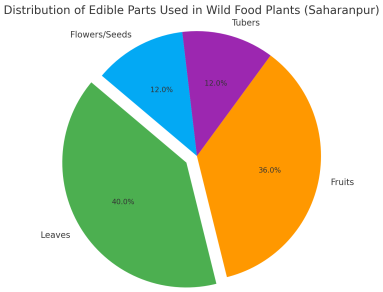
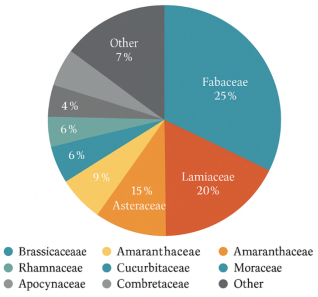
which belongs to most represented twenty families like Fabaceae, Moraceae and Amaranthaceae. The edible parts included leaves (40%), fruits (36%), tubers (12%), and flowers/seeds (12%).
Table 2. A total of 40 wild food plant species.
S.No | Local Name | Botanical Name | Family | Part Used | Mode of Use | Season |
1 | Bathua | Chenopodium album | Amaranthaceae | Leaves | Cooked vegetable | Winter |
2 | Chaulai | Amaranthus viridis | Amaranthaceae | Leaves | Cooked vegetable | Winter |
3 | Kanteli | Amaranthus spinosus | Amaranthaceae | Leaves | Cooked vegetable | Winter |
4 | Sarso sag | Brassica juncea (wild) | Brassicaceae | Leaves | Cooked vegetable | Winter |
5 | Bathu Karela | Momordica dioica | Cucurbitaceae | Fruits | Fried vegetable | Monsoon |
6 | Kachnar | Bauhinia variegata | Fabaceae | Flower buds | Cooked vegetable | Spring |
7 | Subabul leaves | Leucaena leucocephala | Fabaceae | Leaves | Cooked/Fodder | All seasons |
8 | Ber | Ziziphus nummularia | Rhamnaceae | Fruits | Raw | Summer |
9 | Gular | Ficus racemosa | Moraceae | Fruits | Cooked/Raw | Monsoon |
10 | Pilkhan | Ficus virens | Moraceae | Leaves | Cooked as curry | Monsoon |
11 | Papri | Cassia tora | Fabaceae | Leaves/Pods | Leaves cooked, pods raw | Monsoon |
12 | Sahjan | Moringa oleifera | Moringaceae | Pods, leaves | Cooked vegetable | Spring |
13 | Duddhi | Euphorbia hirta | Euphorbiaceae | Whole plant | Medicinal tea | Summer |
14 | Gurmar | Gymnema sylvestre | Apocynaceae | Leaves | Medicinal use | All seasons |
15 | Amla | Phyllanthus emblica | Phyllanthaceae | Fruit | Raw/pickle | Winter |
16 | Harad | Terminalia chebula | Combretaceae | Fruit | Medicinal, digestive | Winter |
17 | Baheda | Terminalia bellirica | Combretaceae | Fruit | Medicinal, digestive | Winter |
18 | Neem | Azadirachta indica | Meliaceae | Leaves/flowers | Medicinal, chutney | Summer |
19 | Giloy | Tinospora cordifolia | Menispermaceae | Stem | Herbal decoction | All seasons |
20 | Peepal | Ficus religiosa | Moraceae | Fruits | Raw or dried | Monsoon |
21 | Bargad | Ficus benghalensis | Moraceae | Aerial roots | Medicinal | All seasons |
22 | Karela | Momordica charantia | Cucurbitaceae | Fruits | Cooked vegetable | Summer |
23 | Tendu | Diospyros melanoxylon | Ebenaceae | Fruits | Raw | Summer |
24 | Khas-Khas | Papaver somniferum (wild) | Papaveraceae | Seeds | Used in sweets | Winter |
25 | Dhatura | Datura metel | Solanaceae | Seeds/leaves | Medicinal use | Summer |
26 | Bhang | Cannabis sativa | Cannabaceae | Leaves/seeds | Religious/medicinal | Shivratri |
27 | Khukhdi | Commelina benghalensis | Commelinaceae | Shoots | Cooked | Rainy |
28 | Kureli | Marsilea quadrifolia | Marsileaceae | Leaves | Cooked with lentils | Winter |
29 | Panwad | Cleome viscosa | Cleomaceae | Leaves/seeds | Medicinal chutney | Summer |
30 | Sanai | Crotalaria juncea | Fabaceae | Leaves | Cooked/Fodder | Kharif |
31 | Kachalu | Colocasia esculenta | Araceae | Tuber/leaves | Curry or pakora | Rainy |
32 | Akarkara | Anacyclus pyrethrum | Asteraceae | Roots | Medicinal (toothache) | Winter |
33 | Chirchita | Achyranthes aspera | Amaranthaceae | Whole plant | Medicinal decoction | All seasons |
34 | Safed musli | Chlorophytum borivilianum | Asparagaceae | Roots | Tonic, energy food | Winter |
35 | Dudhi (Lauki) | Lagenaria siceraria (wild) | Cucurbitaceae | Fruit | Cooked | Summer |
36 | Sem | Lablab purpureus (wild) | Fabaceae | Pods | Cooked | Kharif |
37 | Siari | Polygonum glabrum | Polygonaceae | Leaves | Cooked | Rainy |
38 | Chirata | Swertia chirata | Gentianaceae | Whole plant | Bitter tonic | Winter |
39 | Kakora | Momordica dioica | Cucurbitaceae | Fruits | Fried vegetable | Monsoon |
40 | Typha | Typha angustifolia | Typhaceae | Rhizomes | Roasted, survival food | Rainy |
3.2. Ethnobotanical Insights
Older community members (above 60 years) showed deeper knowledge of wild plant uses compared to the younger generation, indicating a loss of traditional knowledge. Women were often the main collectors and processors of WFPs, especially leafy greens and roots.
3.3. Nutritional and Cultural Importance
Many of the recorded plants are rich in micronutrients, antioxidants, and dietary fiber. For instance, Chenopodium album is high in iron and calcium, while Bauhinia variegata flowers are rich in flavonoids. These plants are also associated with local festivals, beliefs, and seasonal rituals, making them integral to cultural heritage.
3.4. Threats and Conservation Needs
Urbanization, deforestation, overgrazing, and changing food habits are major threats to the continued availability of WFPs. Youth disinterest and lack of documentation further endanger this knowledge.
Figure 1. Pie Chart Representing Parts of Wild Plants Used.
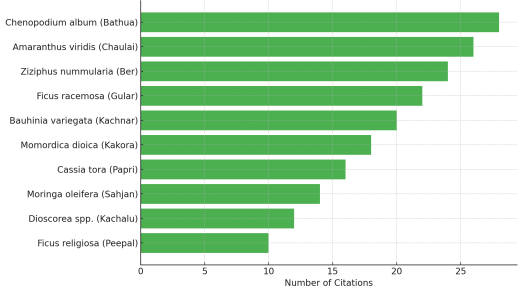
Figure 2. Bar Graph Showing Most Cited Wild Food Species.
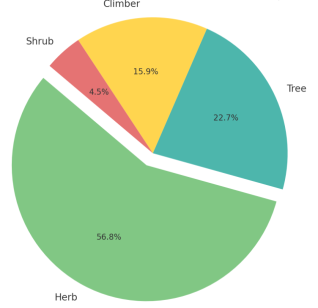
Figure 3. Plant Habit Distribution of Wild Food Plants (Saharanpur).
Figure 4. Distribution of Medicinal Plant Species according to their family in the study area.
4. Nutritional and Health Benefits
4.1. Role of Wild Food Plants in Local Food Security and Dietary Diversity
Wild food plants play a critical role in ensuring food security and enriching the dietary diversity of local communities, particularly in rural and semi-urban environments. These plants offer an affordable and readily accessible source of nutrition, effectively supplementing essential minerals, micronutrients, and vitamins that might otherwise be deficient in conventional diets
.
In regions such as Saharanpur, where indigenous populations have historically relied on the local flora, WEPs contribute substantially to household food and subsistence needs. Beyond direct consumption, foraging for these plants often provides significant economic benefits to communities through their sale in local markets.
The consistent emphasis on WEPs' role in food security and nutrition, especially for rural and tribal communities, highlights an important observation: WEPs function as a crucial buffer against nutritional insecurity and economic vulnerability. One study even quantifies this economic contribution, noting that wild food plants can contribute between 15% and 20% of a Soliga household's annual income. The characterization of these plants as "affordable" and "inexpensive" further underscores their capacity to mitigate economic hardship. This means that WEPs are more than just a dietary supplement; they serve as a vital economic and nutritional safety net for marginalized communities. Their importance extends beyond mere caloric intake, providing essential micronutrients crucial for overall health, particularly in contexts where access to diverse cultivated foods is limited. Therefore, their conservation and sustainable management should be recognized as a socio-economic development issue, not solely an environmental one.
4.2. Nutritional Composition of Key Wild Edible Species
Many wild edible plants found in Uttar Pradesh and surrounding regions are rich in vital nutrients, including carbohydrates, proteins, fats, dietary fiber, and a wide array of vitamins and minerals. Detailed nutritional profiles for several key species are presented below and summarized in
Table 2.
Chenopodium album (Bathua): This widely consumed wild vegetable provides significant nutritional value. Raw leaves are composed of 84% water, 7% carbohydrates, 4% protein, and 1% fat. It is a rich source of Vitamin C (96% Daily Value, DV), Vitamin A (73% DV), Riboflavin (37% DV), Vitamin B6 (21% DV), Manganese (37% DV), and Calcium (31% DV). Its seeds are also noted for their high content of calcium, vitamin A, potassium, and phosphorus.
Moringa oleifera (Sahijan): The leaves of this plant are highly nutritious, containing approximately 28.50% carbohydrates, 25.02% proteins, 10.42% fat, and 11.83% dietary fiber. They also provide 1.108 mg of β-carotene, 326.4 µg/100 g of vitamin B1, and 15.2 mg/100 g of vitamin C. Protein content in its leaves can range from 22.99% to 29.36%.
Ficus hispida (Goolar): While primarily recognized for its medicinal properties, the unripe fruits of Ficus hispida are consumed as a vegetable or used in pickles. Its documented antioxidant potential suggests the presence of beneficial phytochemicals that contribute to its nutritional value.
Oxalis corniculata (Khatti buti): The leaves of Oxalis corniculata contain approximately 86% water, 2.3% protein, 0.8% fat, and 8.2% carbohydrates. They are also a source of 150 mg calcium, 78 mg phosphorus, 8 mg iron, 0.6 mg niacin, 78 mg vitamin C, and 6050 µg beta carotene. It is important to note the presence of oxalates (7-12%), which can be reduced by cooking.
Abrus precatorius (Ghuguchi) | [28] | Srivastava, P., et al. (2024). Evaluation of Chemical Composition among the Multi Colored Germplasm of Abrus precatorius L. Foods, 13(14), 1963. |
| [29] | Srivastava, P., et al. (2014). Abrus precatorius Leaves: Antioxidant Activity in Food and Biological Systems, pH, and Temperature Stability. BioMed Research International, 2014. |
The leaves of
Abrus precatorius are rich in polyphenols, flavonoids, β-carotene, glutathione, α-tocopherol, and ascorbic acid, demonstrating significant antioxidant activity. The seeds, once properly detoxified, are a good source of protein and minerals such as phosphorus, sulfur, potassium, calcium, magnesium, and iron.
Amaranthus spinosus (Katili chaurai) : The leaves of
Amaranthus spinosus are a good source of protein (4.6 g/100g edible portion, or 20-34.4% in dried leaves), calcium (410 mg/100g, or 1795-5333 mg in dried leaves), phosphorus, and iron.
Amorphophallus campanulatus (Sooran) | [32] | Feedipedia. (n.d.). Whitespot giant arum (Amorphophallus campanulatus). Retrieved from
https://www.feedipedia.org/node/533 |
| [33] | Paul, G., et al. (2017). Nutritional composition and anti-nutrient content of elephant foot yam (Amorphophallus campanulatus). Pakistan Journal of Nutrition, 16(12), 935-939. |
The tubers of this plant are rich in crude protein (19.8% dry matter), calcium, phosphorus, and magnesium.
Basella alba (Poi) : The leaves of
Basella alba are a rich source of vitamins A and C, folate, and manganese.
Bauhinia variegata (Kachnar) | [35] | Mohd Razali, M. N., et al. (2016). Nutritional composition of edible plant Bauhinia Variegata. ePrints@UMS. |
| [36] | Feedipedia. (n.d.). Napoleon's hat (Bauhinia variegata). Retrieved from https://www.feedipedia.org/node/331 |
The flower buds contain 16.01% carbohydrates, 3.24% protein, 3.34% fiber, and micronutrients such as calcium, sodium, copper, zinc, magnesium, and iron.
Boerhaavia diffusa (Patherchatta) : The roots and whole plant are a good source of amino acids (including essential ones), vitamins C, B3, B2, and calcium.
Cassia fistula (Amaltaas) : The leaves are relatively rich in protein (14-19% dry matter) and contain beneficial phenolic compounds and condensed tannins.
Cassia tora (Chakwad) : The leaves contain crude protein (ranging from 11.63% to 30%) and crude fiber (10% to 27.07%).
Centella asiatica (Brahmi) : This plant contains vitamins B and C, proteins, important minerals, flavonoids, volatile oils, tannins, and polyphenols. It is also noted for its high calcium content.
Coccinea grandis (Kundru) : The fruits are low in calories, a good source of fiber, and an excellent source of antioxidants, including lycopene and β-carotene. They also contain protein, carbohydrates, calcium, and iron.
Commelina benghalensis (Bankatwa) : The leaves are a source of potassium, iron, calcium, zinc, ascorbic acid, and β-carotene.
Dioscorea bulbifera (Gainti) : The tubers are high in carbohydrates, proteins, lipids, vitamins, and minerals. They also contain bioactive compounds such as flavonoids, phenols, saponins, and alkaloids.
Leucas aspera (Gooma): The flower balls contain carbohydrates, protein, fat, iron, and calcium.
Momordica dioica (Kheska) : The fruits have a high energy value and contain protein, fat, fiber, carbohydrates, and minerals like potassium, sodium, calcium, iron, and zinc. They are also a source of phytonutrients, plant insulin, carotenoids, and vitamin C.
Physalis minima (Rashbhari) : The ripe fruits contain sugars, protein, ash, tannin, pectin, and a good quantity of vitamin C.
Polygonum glabrum (Janglei Chaurai) | [52] | PMC. (n.d.). The genus Polygonum: An updated comprehensive review of its ethnomedicinal, phytochemical, pharmacological activities, toxicology, and phytopharmaceutical formulation. Retrieved from
https://pmc.ncbi.nlm.nih.gov/articles/PMC11024578/ |
The leaves are rich in carotenoids, ascorbic acid, crude fiber, calcium, and magnesium, exhibiting high antioxidant activity. They also contain phenolic acids and flavonoids.
Rumex dentatus (Panpalak) : The leaves contain protein, carbohydrates, dietary fiber, and fat.
Solanum incanum (Banbhanta) : The leaves are rich in crude protein, crude fiber, and minerals such as potassium and calcium.
Solanum nigrum (Makoi) : The fruits contain protein, fat, carbohydrates, and ash.
The detailed nutritional profiles for these WEPs reveal an important observation, the unlocking potential of underutilized species. The quantitative data for several WEPs often shows them to be comparable to or even nutritionally superior to, commonly cultivated crops in terms of specific micronutrients. For instance, Chenopodium album is exceptionally rich in Vitamin C, Vitamin A, and Calcium, while Moringa oleifera boasts high protein content. Despite these impressive nutritional attributes, many of these species remain "underutilized.” This situation points to a significant opportunity for addressing malnutrition and enhancing food security by promoting the wider cultivation and consumption of these nutritionally dense, yet often overlooked, wild species. Further research into their agronomic potential, including propagation techniques, and studies on consumer acceptance could transform them from exclusively "wild" foods into mainstream dietary components. This shift would contribute to the development of a more resilient, diverse, and sustainable food system.
5. Conservation Status and Challenges
5.1. Threats to Wild Food Plant Diversity and Traditional Knowledge
Despite their immense value to local communities, many wild edible plants are facing significant threats, leading to their rapid depletion. This decline is multifaceted, stemming from various anthropogenic and environmental factors. Key contributing factors include a widespread lack of awareness regarding their importance, over-exploitation due to unsustainable harvesting practices, overgrazing by livestock, and general habitat degradation. Furthermore, the escalating impacts of climate change pose an additional and growing threat, as changing environmental conditions can disrupt plant growth cycles and distribution.
Concurrently, the traditional knowledge associated with WEPs is also diminishing rapidly. This erosion of knowledge is largely due to insufficient documentation and a breakdown in intergenerational transmission, as younger generations may not learn or value these traditional practices. This loss of traditional knowledge further jeopardizes the sustainable utilization and long-term conservation of these vital resources. In the Kannauj district of Uttar Pradesh, a region with similar ecological and cultural contexts to Saharanpur, a concerning 44% of wild vegetables are reported to be threatened. Specific species like
Abrus precatorius,
Centella asiatica ,
Dioscorea bulbifera, and
Solanum incanum are identified as highly endangered. This serves as a strong indicator of potential threats to similar species and the overall WEP diversity in Saharanpur
.
The consistent reporting of both the physical depletion of WEPs and the erosion of traditional knowledge about them highlights a critical observation: the dual threat of ecological and epistemological loss. These are not independent problems; rather, they are deeply intertwined. The decline in traditional knowledge reduces the perceived value and utility of these plants, leading to less effort in their conservation. Conversely, the physical loss of the plants means there is nothing left about which to transmit knowledge. This creates a vicious cycle where each loss accelerates the other. Therefore, effective conservation strategies must address both ecological and cultural dimensions simultaneously. Simply protecting plant habitats is insufficient if the knowledge of their uses fades, and documenting knowledge is less impactful if the plants themselves disappear. Integrated conservation approaches that involve robust community engagement, active intergenerational knowledge transfer, and a combination of in situ (on-site) and ex situ (off-site) conservation efforts are paramount for breaking this cycle and ensuring the long-term survival of both the plants and the invaluable knowledge associated with them.
5.2. Conservation Efforts and Research Initiatives in Uttar Pradesh
Various institutions across India are actively engaged in ethnobotanical research and the conservation of medicinal plants. The Botanical Survey of India (BSI) has undertaken extensive ethnobotanical surveys throughout the undivided Uttar Pradesh, including Saharanpur, as part of national programs such as the All India Co-ordinated Research Project on Ethnobiology (AICRPE). These surveys were designed to document a wide range of plant uses, including edible and medicinal applications
| [3] | Mishra, S., & Dhyani, S. (2020). Ethnobotanical relevance of wild food plants in India. Indian Journal of Traditional Knowledge, 19(2), 375-384. |
[3]
.
Within Uttar Pradesh, several research institutes and centers are actively involved in medicinal plant research. These include the Central Ayurveda Research Institute (located in Jhansi and Lucknow), the Regional Research Institute of Unani Medicine (with centers in Lucknow, Aligarh, Meerut, and Allahabad), the Drug Standardization Research Institute (Ghaziabad), and the Council of Scientific and Industrial Research (CSIR)-Central Institute of Medicinal and Aromatic Plants (CIMAP) in Lucknow. While the primary mandates of these institutions often lean towards medicinal or aromatic plants, their work contributes significantly to the broader understanding and conservation of plant biodiversity, inherently including species with potential food applications.
A significant observation emerges regarding the need to bridge the gap between medicinal and food plant research within these institutional efforts. While numerous established institutions like BSI, CCRAS, CCRUM, and CSIR-CIMAP are highly active in Uttar Pradesh, their stated research priorities often emphasize "medicinal" or "aromatic" plants. Although the BSI did conduct surveys that included "edible plants", specific detailed reports focusing solely on Saharanpur's wild food plants are not readily available in the reviewed materials. This suggests that the full spectrum of wild food plant research, particularly their nutritional value and cultivation potential, may not be a primary focus. There is therefore a clear need for these established research institutions to explicitly broaden their focus to include wild
food plants as a dedicated and primary research area, rather than merely as a byproduct of medicinal plant studies. Greater collaboration and interdisciplinary approaches among ethnobotanists, nutritionists, and agricultural scientists within these institutions could lead to more targeted and comprehensive research on WEPs' nutritional value, their agronomic potential, and their broader role in enhancing food security. This expanded focus would maximize the impact of existing research infrastructure and contribute more directly to addressing nutritional challenges
.
6. Discussion
6.1. Synthesis of Findings and Comparison with Regional Ethnobotanical Studies
The ethnobotanical landscape of Saharanpur District, Uttar Pradesh, is characterized by a rich diversity of wild plants, many of which are deeply integrated into the dietary and cultural practices of its local communities. A significant proportion of these species serve dual purposes as both food and medicine. Studies conducted in Saharanpur consistently highlight the dominance of herbaceous growth forms and the prevalent use of leaves and fruits as edible parts. This pattern is not unique to Saharanpur but is widely observed across other regions of India, including Swat, Sirsi and the broader Indian Himalayan Region, as well as Arunachal Pradesh and Madhya Pradesh.
The reliance on these plants by local communities for both primary healthcare and dietary supplementation underscores the profound depth of indigenous traditional knowledge present in the region. Specific examples of wild food plants documented in Saharanpur, such as Asplenium falcatum, Amaranthus viridis, Aegle marmelos, Carica papaya, Celosia argentea, Centella asiatica, and Achyranthes aspera, are further complemented and enriched by proxy data from the nearby Kannauj District. The Kannauj data provides a more extensive list of wild vegetables and their traditional preparation methods, offering a valuable regional context. This consistency in ethnobotanical patterns across the broader Uttar Pradesh plains suggests shared cultural practices and ecological conditions that facilitate the utilization of similar plant resources.
An important observation from this synthesis is the resilience of traditional food systems in the face of modernization. Despite the significant "advancement in science and technology", local communities in Saharanpur continue to "depend on their indigenous traditional knowledge of medicinal system". This persistence indicates that traditional food systems, which heavily incorporate WEPs, endure even amidst the development and widespread availability of modern agricultural practices and healthcare services. The continued use of WEPs for food and nutrition suggests an inherent resilience and adaptability within these traditional systems that modern, often monoculture-based, systems may lack. This means that traditional knowledge is not merely a relic of the past but a dynamic, living system that continues to provide tangible benefits to communities. Policymakers and development practitioners should recognize and support these traditional food systems, integrating them into broader food security and public health initiatives rather than seeking to replace them entirely. This perspective also suggests that WEPs may offer a more sustainable and locally adapted food source, contributing to greater food sovereignty and ecological balance compared to the reliance on a limited number of cultivated crops.
6.2. Potential for Sustainable Utilization and Commercialization
Wild edible plants possess significant potential that extends beyond their current subsistence use. Their rich nutritional profiles and the presence of diverse bioactive compounds suggest considerable opportunities for commercial exploitation. This could involve the development of novel food products, nutraceuticals, or herbal medicines, tapping into a growing market for natural and health-promoting ingredients.
However, any approach to commercialization must be undertaken with extreme caution to ensure sustainable utilization and to prevent over-exploitation, which is already a documented threat to these valuable resources. The economic benefits currently derived from foraging, as evidenced by the contribution to household income, can be enhanced through the implementation of sustainable harvesting practices and the establishment of fair-trade mechanisms.
A critical observation here is the inherent tension between the potential for commercial exploitation of WEPs and the documented threats of over-exploitation and rapid depletion. While commercialization can indeed provide economic incentives for conservation, it also carries the risk of accelerating resource degradation if not managed responsibly. This means that any strategy for commercializing WEPs must be firmly rooted in robust ethical and sustainable frameworks. Such frameworks should include the development of effective propagation techniques to reduce pressure on wild populations, ensuring equitable benefit-sharing mechanisms with local communities who are the custodians of this traditional knowledge, and implementing strict harvesting regulations. The ultimate goal should be to create a virtuous cycle where the economic value generated from WEPs directly contributes to their conservation, rather than leading to their degradation. This requires careful policy development, strong regulatory oversight, and, crucially, community-led initiatives that empower local populations to manage their resources sustainably.
6.3. Gaps in Current Research and Future Directions
Despite the existing ethnobotanical surveys in Saharanpur District, a notable gap persists in comprehensive, dedicated studies that specifically focus on wild food plants. Much of the available data is either historical, such as the BSI surveys conducted decades ago, or primarily emphasizes the medicinal uses of plants, with food applications being a secondary focus. This limits a complete understanding of the dietary role of WEPs in the region.
Further systematic research is critically needed to thorough investigation of the nutritional composition and phytochemical properties of many WEPs. This is particularly important for species that hold high cultural significance or are widely used as such, analysis would provide a robust scientific foundation for their broader development and utilization. Additionally, research into effective propagation techniques and cultivation strategies for threatened WEPs is essential to ensure their long-term sustainable use and conservation.
The current state of research highlights an important observation: the urgency of quantitative and interdisciplinary research. While qualitative documentation of traditional knowledge is present, there is a consistent call in the literature for more "systematic research on the nutritional and phytochemical properties", "further studies on their nutritional composition, propagation techniques, and sustainable utilization strategies", and "significant study on their conservation and perhaps even production". The necessity of relying on proxy data from other regions to infer Saharanpur's WEP food uses further underscores this research deficit. This means that the current body of research is strong in documenting traditional knowledge but weaker in providing quantitative validation and applied solutions for conservation and development. Future research must therefore prioritize interdisciplinary approaches that combine ethnobotany with analytical chemistry (for nutritional and phytochemical analysis), agronomy (for cultivation and sustainable management), and socio-economic (for developing equitable utilization models). This shift is crucial to move beyond mere documentation of knowledge towards actively leveraging it for tangible benefits and effective conservation outcomes.
7. Conclusion
The wild food plants of Saharanpur district represent a rich repository of nutrition, culture, and ecological knowledge. These underutilized species can play a critical role in strengthening local food systems and promoting sustainable diets. Immediate steps are needed for systematic documentation, awareness generation among youth, and integration of WFPs into rural development and conservation strategies. Further research on their nutritional profiling and pharmacological validation is recommended. The Saharanpur District of Uttar Pradesh is endowed with a rich heritage of wild food plants, which are deeply integrated into the dietary and cultural practices of its local communities. These plants serve as vital sources of nutrition, contributing significantly to food security and dietary diversity, particularly in rural areas. Furthermore, many of these species exhibit important ethnomedicinal properties, reflecting a holistic traditional understanding of plant utility where food and medicine are often intertwined. Despite their immense value, these wild plant resources and the associated traditional knowledge are facing considerable threats. These include environmental degradation, over-exploitation, and socio-cultural shifts that lead to the erosion of indigenous knowledge systems. Urgent and concerted efforts are therefore required for their comprehensive documentation, rigorous scientific validation, and effective conservation. By recognizing and actively supporting the traditional knowledge systems of local communities, and by investing in targeted research and sustainable utilization strategies, wild food plants in Saharanpur can continue to play a crucial role. This role extends to enhancing local livelihoods, improving public health through diversified nutrition, and strengthening ecological resilience in the face of environmental changes.
8. Recommendations
To ensure the continued availability and benefits of wild food plants in Saharanpur District and similar regions, the following recommendations are put forth:
1) Conduct Targeted Ethnobotanical Surveys: Initiate comprehensive, dedicated ethnobotanical studies specifically on wild food plants in Saharanpur District. These studies should focus on detailed documentation of species, the specific parts used for food, traditional preparation methods, and consumption patterns, with a strong emphasis on collecting quantitative data.
2) Nutritional and Phytochemical Profiling: Prioritize rigorous scientific analysis of the nutritional composition and bioactive compounds of key wild food plant species identified in Saharanpur. This is particularly important for species with high cultural importance or those demonstrating significant potential for wider utilization, such as Asplenium falcatum, Amaranthus viridis, and others listed in this report.
3) Promote Sustainable Harvesting and Cultivation: Develop and implement sustainable harvesting guidelines for wild populations to prevent over-exploitation and ensure ecological balance. Concurrently, explore the potential for domestication and cultivation of promising wild food species, especially those identified as threatened, to ensure their long-term availability and reduce pressure on wild stocks.
4) Facilitate Intergenerational Knowledge Transfer: Implement structured programs and initiatives to facilitate the transfer of traditional knowledge about wild food plants from elder generations to youth. This could involve community-led workshops, integration into local educational curricula, and the creation of accessible knowledge repositories.
5) Integrate into Policy Frameworks: Advocate for the explicit integration of wild food plants into regional and national food security policies, agricultural development plans, and biodiversity conservation strategies. This recognition is crucial for acknowledging their multi-faceted contributions to human well-being and ecosystem health.
6) Foster Interdisciplinary Collaboration: Encourage and support stronger collaborations among ethnobotanists, nutritionists, pharmacologists, agricultural scientists, and local communities. This interdisciplinary approach is essential for conducting holistic research, developing practical applications, and implementing effective conservation and utilization programs.
Declaration: I hereby declare that the data presented in this report is original and has been collected in a fair and ethical manner. The study was conducted for academic purposes only, and all necessary precautions were taken to ensure the accuracy and authenticity of the information. A structured questionnaire was prepared and distributed across four selected blocks of Saharanpur District, Uttar Pradesh. The responses from local villagers, who voluntarily participated in the survey, form the primary basis for the analysis and findings discussed in this report. No part of this data has been copied or reproduced from any unauthorized source, and due credit has been given to all referenced literature.
Abbreviations
WEPs | Wild Edible Plants |
BSI | Botanical Survey of India |
CCRUM | Central Council for Research in Unani Medicine |
CCRAS | Central Council for Research in Ayurvedic Sciences |
CSIR-CIMAP | Council of Scientific and Industrial Research – Central Institute of Medicinal and Aromatic Plants |
Conflicts of Interest
The authors declare no conflicts of interest.
References
| [1] |
Kala, C. P. (2005). Indigenous uses, population density, and conservation of threatened medicinal plants in protected areas of the Indian Himalayas. Conservation Biology, 19(2), 368-378.
|
| [2] |
Bharucha, Z., & Pretty, J. (2010). The roles and values of wild foods in agricultural systems. Philosophical Transactions of the Royal Society B, 365(1554), 2913-2926.
|
| [3] |
Mishra, S., & Dhyani, S. (2020). Ethnobotanical relevance of wild food plants in India. Indian Journal of Traditional Knowledge, 19(2), 375-384.
|
| [4] |
Singh, V., & Kumar, A. (2018). An overview of wild edible plants in India: A rich source of nutrients. Journal of Medicinal Plants Studies, 6(4), 148-152.
|
| [5] |
Sharma, P. K., & Tiwari, A. (2021). Diversity and status of wild edible plants in Uttar Pradesh. Asian Journal of Conservation Biology, 10(1), 10-18.
|
| [6] |
Kumar, Y. (2023). Floristic Diversity and Indigenous Uses of Medicinal Plants of Saharanpur District, (Uttar Pradesh) India. Research Trend, BFJ, 182.
|
| [7] |
Kumar, Y., & Singh, A. K. (2022). Documentation of Indigenous Traditional Knowledge on Some Medicinal Plants in Saharanpur District of Uttar Pradesh, India. Advances in Zoology and Botany, 10(4), 112-122.
|
| [8] |
Botanical Survey of India. (n.d.). Ethnobotany. Retrieved from
https://bsi.gov.in/page/en/ethnobotany
|
| [9] |
Kumar, Y. (n.d.). Ethnobotanically Important Plant Species Used by the Local Inhabitants of Saharanpur District, Uttar Pradesh, India. Retrieved from
https://www.jetir.org/papers/JETIR2203661.pdf
|
| [10] |
National Institute of Science Communication and Policy Research (NISCAIR), CSIR. (n.d.). Indian Journal of Traditional Knowledge. Retrieved from
https://or.niscpr.res.in/index.php/IJTK
|
| [11] |
Government of India, Ministry of Ayush. (n.d.). List of Research Institutes/Centers under Central Council for Research in Ayurvedic Sciences (CCRAS). Retrieved from
https://sansad.in/getFile/annex/263/AU334.pdf?source=pqars
|
| [12] |
Gawali, S. P., & Pawar, K. W. (n.d.). Wild Edible Plants (WEPs) and Wild Edible Fruits (WEFs) as a Source of Food, Medicine and Income: A Review. Retrieved from
https://ijsrst.com/index.php/home/article/view/IJSRST2512155
|
| [13] |
Khan, S. M., et al. (2025). Ethnobotanical study of wild edible plants traditionally used by the inhabitants of Lalku Valley, District Swat, Pakistan. Ethnobotany Research and Applications, 30(41), 1-17.
|
| [14] |
Sharma, A., & Wagh, V. V. (2024). From forests to tables: wild edible plants’ contribution to ethnomedicine and nutrition in northeastern Madhya Pradesh, India. Genetic Resources and Crop Evolution, 72(4), 4205-4239.
|
| [15] |
Batool, Z., & Gairola, S. (2025). Wild edible plants used by the Indigenous communities of the Trans-Himalayan region of Ladakh, India. Ethnobotany Research and Applications, 30(41).
|
| [16] |
Rai, R., et al. (2020). Wild edible plants of Indian Himalayan Region, Their Traditional Uses and Potential Health Benefits: A Way Forward for Food and Nutritional Security. Frontiers in Sustainable Food Systems, 4, 56.
|
| [17] |
Kumar, S., et al. (2020). Exploration of Wild Edible Plants Used as Food by Gaddis-A Tribal Community of the Western Himalaya. The Scientific World Journal, 2020.
|
| [18] |
Meena, S. K., & Sharma, M. (2012). Ethnobotanical inventory of wild vegetables used by rural communities of Kannauj district, Uttar Pradesh, India. Ethnobotany Research & Applications, 10, 431-438.
|
| [19] |
Kumar, R., et al. (2022). Diversity of Wild Edible Plants in the Kotla Valley in Uttarkashi, Uttarakhand, India. ResearchGate.
|
| [20] |
Pothuraju, V. R., et al. (2023). Exploration of Wild Edible Plants Used by Local People of Bhadradri Kothagudem District, Telangana, India. Journal of Biological Sciences and Discovery, 12(4), 184-200.
|
| [21] |
Purohit, V., et al. (2022). Traditional food dishes and their ethno-medicinal and cultural values in Uttarakhand, India. Journal of Ethnobiology and Ethnomedicine, 18(1), 1-15.
|
| [22] |
USDA FoodData Central. (n.d.). Lambsquarters, raw.
|
| [23] |
Biodiversity for Food and Nutrition. (n.d.). Chenopodium album. Retrieved from
https://www.b4fn.org/resources/species-database/detail/chenopodium-album/
|
| [24] |
Gopalakrishnan, L., et al. (2020). Nutritional, Medicinal and Pharmacological Properties of Moringa oleifera Lam. Foods, 9(10), 1362.
|
| [25] |
Howlader, M. S. I., et al. (2017). Ficus hispida Bark Extract Prevents Nociception, Inflammation, and CNS Stimulation in Experimental Animal Model. Evidence-Based Complementary and Alternative Medicine, 2017.
|
| [26] |
Saha, S., et al. (2011). Ficus hispida L.: A review of its traditional uses, phytochemistry, and pharmacology. Pharmacognosy Reviews, 5(10), 161.
|
| [27] |
Plants For A Future. (n.d.). Oxalis corniculata. Retrieved from
https://pfaf.org/user/plant.aspx?LatinName=Oxalis+corniculata
|
| [28] |
Srivastava, P., et al. (2024). Evaluation of Chemical Composition among the Multi Colored Germplasm of Abrus precatorius L. Foods, 13(14), 1963.
|
| [29] |
Srivastava, P., et al. (2014). Abrus precatorius Leaves: Antioxidant Activity in Food and Biological Systems, pH, and Temperature Stability. BioMed Research International, 2014.
|
| [30] |
PROTA4U. (n.d.). Amaranthus spinosus L. Retrieved from
https://prota.prota4u.org/protav8.asp?g=pe&p=Amaranthus+spinosus+L
|
| [31] |
Plants For A Future. (n.d.). Amaranthus spinosus. Retrieved from
https://pfaf.org/user/Plant.aspx?LatinName=Amaranthus%20spinosus
|
| [32] |
Feedipedia. (n.d.). Whitespot giant arum (Amorphophallus campanulatus). Retrieved from
https://www.feedipedia.org/node/533
|
| [33] |
Paul, G., et al. (2017). Nutritional composition and anti-nutrient content of elephant foot yam (Amorphophallus campanulatus). Pakistan Journal of Nutrition, 16(12), 935-939.
|
| [34] |
Wikipedia. (n.d.). Basella alba. Retrieved from
https://en.wikipedia.org/wiki/Basella_alba
|
| [35] |
Mohd Razali, M. N., et al. (2016). Nutritional composition of edible plant Bauhinia Variegata. ePrints@UMS.
|
| [36] |
Feedipedia. (n.d.). Napoleon's hat (Bauhinia variegata). Retrieved from
https://www.feedipedia.org/node/331
|
| [37] |
Purdue University Famine Foods. (n.d.). Boerhavia diffusa. Retrieved from
https://www.purdue.edu/hla/sites/famine-foods/famine_food/boerhavia-diffusa/
|
| [38] |
Meena, A. K., et al. (2013). Phytochemical, Therapeutic, and Ethnopharmacological Overview for a Traditionally Important Herb: Boerhavia diffusa Linn. Evidence-Based Complementary and Alternative Medicine, 2013.
|
| [39] |
Feedipedia. (n.d.). Golden tree (Cassia fistula). Retrieved from
https://www.feedipedia.org/node/325
|
| [40] |
Plants For A Future. (n.d.). Cassia fistula. Retrieved from
https://pfaf.org/user/Plant.aspx?LatinName=Cassia+fistula
|
| [41] |
CABI Digital Library. (n.d.). Study of physico-chemical properties of Cassia tora Linn. Retrieved from
https://www.cabidigitallibrary.org/doi/pdf/10.5555/20203011327#:~:text=(2011)%20reported%20that%20Cassia%20tora,%2C%20sodium%200.10%2C%20mgnesium%200.86%2C
|
| [42] |
Agro Gums. (n.d.). Importance of Cassia Tora Meal in Animal Feed Industry. Retrieved from
https://www.agrogums.com/blogs/importance-of-cassia-tora-meal-in-animal-feed-industry
|
| [43] |
Biodiversity for Food and Nutrition. (n.d.). Centella asiatica. Retrieved from
http://www.b4fn.org/resources/species-database/detail/centella-asiatica/
|
| [44] |
PubMed. (n.d.). Gotu Kola (Centella asiatica): Nutritional Properties and Plausible. Retrieved from
https://pubmed.ncbi.nlm.nih.gov/26602573/
|
| [45] |
Aware. in. (n.d.). Discover the 10 Health Benefits of Ivy Gourd. Retrieved from
https://www.aware.in/post/health-benefits-of-ivy-gourd
|
| [46] |
Lybrate. (n.d.). Ivy Gourd Facts And Health Benefits. Retrieved from
https://www.lybrate.com/topic/ivy-gourd-facts-and-health-benefits
|
| [47] |
PubMed. (n.d.). Nutritional aspects of non-conventional edible plants from Brazil. Retrieved from
https://pubmed.ncbi.nlm.nih.gov/36914315/#:~:text=100%20g%2D1)%2C%20potassium,%C2%B7100%20g%2D1%2C%20potassium,%C2%B7100%20g%2D1))
|
| [48] |
Projects Xtra. (n.d.). NUTRITIONAL VALUE OF DIOSCOREA BULBIFERA (AERIAL. Retrieved from
https://www.projectsxtra.com/resources/NUTRITIONAL_VALUE_OF_DIOSCOREA_BULBIFERA_(AERIAL_YAM).php
|
| [49] |
GSC Online Press. (n.d.). Momordica dioica: A medicinal plant, its benefits and pharmacological activity. Retrieved from
https://gsconlinepress.com/journals/gscbps/sites/default/files/GSCBPS-2024-0079.pdf
|
| [50] |
Plants For A Future. (n.d.). Physalis minima. Retrieved from
https://pfaf.org/user/plant.aspx?LatinName=Physalis%20minima
|
| [51] |
WebMD. (n.d.). Health Benefits of Physalis. Retrieved from
https://www.webmd.com/diet/health-benefits-physalis
|
| [52] |
PMC. (n.d.). The genus Polygonum: An updated comprehensive review of its ethnomedicinal, phytochemical, pharmacological activities, toxicology, and phytopharmaceutical formulation. Retrieved from
https://pmc.ncbi.nlm.nih.gov/articles/PMC11024578/
|
| [53] |
Wikipedia. (n.d.). Rumex. Retrieved from
https://en.wikipedia.org/wiki/Rumex
|
| [54] |
Feedipedia. (n.d.). Nightshade (Solanum incanum). Retrieved from
https://www.feedipedia.org/node/94
|
| [55] |
PMC. (n.d.). Preliminary Antimicrobial Profile of Solanum incanum L.: A Common Medicinal Plant. Retrieved from
https://pmc.ncbi.nlm.nih.gov/articles/PMC6996673/
|
| [56] |
Plants For A Future. (n.d.). Solanum nigrum. Retrieved from
https://pfaf.org/user/plant.aspx?LatinName=Solanum%20nigrum
|
Cite This Article
-
ACS Style
Shivani; Singh, S. Exploration of Some Wild Food Plants Used by Local Inhabitants of Saharanpur District of the Uttar Pradesh State - A Report. Sci. Discov. Food 2026, 1(1), 1-15. doi: 10.11648/j.sdf.20260101.11
 Copy
|
Copy
|
 Download
AMA Style
Shivani, Singh S. Exploration of Some Wild Food Plants Used by Local Inhabitants of Saharanpur District of the Uttar Pradesh State - A Report. Sci Discov Food. 2026;1(1):1-15. doi: 10.11648/j.sdf.20260101.11
Copy
|
Download
-
@article{10.11648/j.sdf.20260101.11,
  author = {Shivani and Sonam Singh},
  title = {Exploration of Some Wild Food Plants Used by Local Inhabitants of Saharanpur District of the Uttar Pradesh State - A Report},
  journal = {Science Discovery Food},
  volume = {1},
  number = {1},
  pages = {1-15},
  doi = {10.11648/j.sdf.20260101.11},
  url = {https://doi.org/10.11648/j.sdf.20260101.11},
  eprint = {https://article.sciencepublishinggroup.com/pdf/10.11648.j.sdf.20260101.11},
  abstract = {The rich biodiversity of Saharanpur district of Uttar Pradesh harbors a wide array of wild food plants (WFPs), which play a significant role in the sustenance and cultural traditions of rural and tribal communities. This study documents and analyzes the traditional knowledge associated with the collection and use of wild food plants by local inhabitants of the region. Using ethno botanical surveys conducted in various villages and forest fringe communities, a total of 25 wild food plant species were identified and classified based on their local names, plant parts used, mode of consumption, availability and cultural importance. Drawing upon recent academic literature, it synthesizes data on floristic diversity, traditional uses, preparation methods and nutritional composition of key species. The study highlights the critical role of WFPs in local food security, dietary diversity and traditional healthcare systems, particularly in regions facing environmental and socio-economic challenges. The findings highlight the importance of WFPs in Sincere dietary diversification, food security and conservation of indigenous knowledge. Urgent efforts are required to document and preserve this knowledge in the face of socio-economic changes and biodiversity loss. This research reveals that the district, have predominantly herbaceous plants, with leaves and fruits being the most frequently consumed parts. A notable characteristic of many identified plants is their dual food-medicinal properties, which underscores the integrated nature of traditional knowledge systems in the region. Nutritional analysis further demonstrates that several identified WFPs are rich in essential macronutrients, vitamins and minerals, offering substantial health benefits. The continued reliance on WFPs by local populations emphasizes their importance for nutritional supplementation and resilience against food scarcity. However, prevailing threats such as habitat degradation and the erosion of traditional knowledge necessitate urgent conservation efforts and further scientific validation of their nutritional and pharmacological potential. This report advocates for integrated approaches to promote the sustainable utilization and conservation of these invaluable bio-resources.},
 year = {2026}
}
Copy
|
Download
-
TY  - JOUR
T1  - Exploration of Some Wild Food Plants Used by Local Inhabitants of Saharanpur District of the Uttar Pradesh State - A Report
AU  - Shivani
AU  - Sonam Singh
Y1  - 2026/02/21
PY  - 2026
N1  - https://doi.org/10.11648/j.sdf.20260101.11
DO  - 10.11648/j.sdf.20260101.11
T2  - Science Discovery Food
JF  - Science Discovery Food
JO  - Science Discovery Food
SP  - 1
EP  - 15
PB  - Science Publishing Group
UR  - https://doi.org/10.11648/j.sdf.20260101.11
AB  - The rich biodiversity of Saharanpur district of Uttar Pradesh harbors a wide array of wild food plants (WFPs), which play a significant role in the sustenance and cultural traditions of rural and tribal communities. This study documents and analyzes the traditional knowledge associated with the collection and use of wild food plants by local inhabitants of the region. Using ethno botanical surveys conducted in various villages and forest fringe communities, a total of 25 wild food plant species were identified and classified based on their local names, plant parts used, mode of consumption, availability and cultural importance. Drawing upon recent academic literature, it synthesizes data on floristic diversity, traditional uses, preparation methods and nutritional composition of key species. The study highlights the critical role of WFPs in local food security, dietary diversity and traditional healthcare systems, particularly in regions facing environmental and socio-economic challenges. The findings highlight the importance of WFPs in Sincere dietary diversification, food security and conservation of indigenous knowledge. Urgent efforts are required to document and preserve this knowledge in the face of socio-economic changes and biodiversity loss. This research reveals that the district, have predominantly herbaceous plants, with leaves and fruits being the most frequently consumed parts. A notable characteristic of many identified plants is their dual food-medicinal properties, which underscores the integrated nature of traditional knowledge systems in the region. Nutritional analysis further demonstrates that several identified WFPs are rich in essential macronutrients, vitamins and minerals, offering substantial health benefits. The continued reliance on WFPs by local populations emphasizes their importance for nutritional supplementation and resilience against food scarcity. However, prevailing threats such as habitat degradation and the erosion of traditional knowledge necessitate urgent conservation efforts and further scientific validation of their nutritional and pharmacological potential. This report advocates for integrated approaches to promote the sustainable utilization and conservation of these invaluable bio-resources.
VL  - 1
IS  - 1
ER  -
Copy
|
Download





 Share This Article
 Twitter
 Linked In
 Facebook