Research Article | | Peer-Reviewed

AI and Cloud Computing in the Energy Industry: Impact on Data Security, Scalability, and Integration Challenges

Received: 17 September 2025     Accepted: 21 January 2026     Published: 24 February 2026
Views:       Downloads:
Abstract

The objective of this study is to analyze and evaluate the role of artificial intelligence (AI) and cloud computing in transforming the energy industry, with a focus on their impact on data security, scalability, and system integration. The rapid integration of these technologies is reshaping the energy industry by driving digital transformation, optimizing operations, and enabling data-driven decision-making. The paper is driven with mixed-research methods categorizing reviewed materials of fifty-six (56) into five (5) distinct categories, empirical/experimental, review/literature-based, theorical/conceptual, industry/technical report and online articles/experts’ commentaries. In the study a total number of thirty-two (32) among the reviewed literatures on impact on data security has 12, scalability span ten (10) literatures, whereas integration challenges take eleven (11) materials in the study. The article highlights the challenges of safeguarding sensitive energy data in distributed environments, managing scalability demands in response to increasing data volumes, and addressing interoperability issues between legacy systems and modern cloud-based architectures. Through a comprehensive analysis, the study underscores the critical need for robust security frameworks, scalable cloud strategies, and seamless integration models to ensure resilience and sustainability in the energy sector. The findings emphasize that while AI and cloud computing present transformative opportunities, their successful adoption depends on effectively mitigating risks and aligning technological innovation with industry-specific regulatory and operational requirements.

Published in Science Discovery Artificial Intelligence (Volume 1, Issue 1)
DOI 10.11648/j.sdai.20260101.14
Page(s) 27-40
Creative Commons

This is an Open Access article, distributed under the terms of the Creative Commons Attribution 4.0 International License (http://creativecommons.org/licenses/by/4.0/), which permits unrestricted use, distribution and reproduction in any medium or format, provided the original work is properly cited.

Copyright

Copyright © The Author(s), 2026. Published by Science Publishing Group

Keywords

AI, Cloud Computing, Data Security, Scalability, Integration, Energy Industry, Cybersecurity

1. Introduction
The integration of AI in energy systems or management is poised to redefine efficiency, sustainability, and reliability in unprecedented ways. Technological trends are changing the way that industries work and innovate with reference to the energy industry . The contemporary society cloud computing and artificial intelligence (AI) are extremely pertinent. These technologies are enhancing various growth possibilities for companies, not only the effectiveness of work but also innovative ideas are developed every day. Most enterprises are incorporating these technologies because these enhance computing capabilities and reduce expenses. AI means that we can comprehend and apply data effectively it contributes to the acceleration of processes such as supply management or considering the events of sports matches . An article has brought unprecedented convenience and connectivity, revolutionizing the way individuals, business, and government operate. With the proliferation of internet-connected devices, cloud computing, and IoT, vast amounts of data a generated, transmitted, and stored every second. The energy industry is not left out where systems transmit vast amounts of data during process and chemical operations .
The energy sector is critical, powering every part of the economy, and has undergone vast technological transformation. Such changes have increased the sector’s cyber-attack surface and risk. The requirement of advanced techniques for data security or monitoring becomes imperative over the traditional techniques. The energy sector which comprises of various industries including oil and gas extractions, refining and distribution, electricity generation, power transmission and distribution, nuclear power, renewable energy development, manufacturing etc. is undergoing significant digital transformation (DT), driven by the need deploying AI and cloud computing for enhanced operational efficiency, sustainability, and resilience. The industry is experiencing challenges including data security, scalability, and system integration complexity which are paramount concerns as energy systems incorporate advanced technologies. AI and cloud computing offer complementary solutions to these challenges . The integration of cloud computing and AI is making a synergistic impact that intensifies their benefits. Cloud stages give the fundamental foundation for sending and scaling AI applications, making it attainable for organizations to actualize AI-driven arrangements without contributing to specialized equipment . Cloud computing is an advanced technology as the central data processing unit on the Internet. It is equivalent to the central nervous system of the brain and users will interact with terminals in the cloud and provide inputs to cloud computing and accept cloud computing services . Both technologies (AI and Cloud Computing) that they both coalesce in automating data analysis, management, security, and decision-making process. The scalability, flexibility, and accessibility of cloud platforms fuel such a collaboration. This paper focuses on their impact and potential in revolutionizing energy systems by harnessing the power of AI and cloud computing, which will make the industry protect their data, systems, and networks in an increasingly interconnected world .
1.1. Related Works
The energy industry as important sector should be deployed with these spectrum of digital technologies, as this will change the energy sector operational trend that will lead to most legacy systems (traditional) fast movement to be replaced with advance technology, that is one the reason for why AI-driven and cloud technology integration in to the systems to enhance the energy industry for data security and complex performance capability . Integrating AI technology into the energy and its related industries will enhance the data security in energy systems through its performance and predictive capabilities . Since data security has become paramount in today’s digital age across all industries, traditional security measures are no longer sufficient as cyber threats evolve in complexity and volume. AI is a game-changer in fortifying data security defenses this is because it provides proactive and intelligent solutions that traditional methods cannot match. A research scholar highlighted that academic sources reserve "strong AI" to refer to machines capable of experiencing consciousness. It is a current application of AI that gives machines access to data and lets them learn for themselves to carry out the specific tasks. AI-driven techniques are leading to an extraordinary revolution within the domain of cyber defense which plays a significant role in many sectors including the energy industry and some of these advanced methods at which AI-driven approach enhances data security are predictive analysis, real-time monitoring and risk mitigation. While article by discusses the historical growth of cloud infrastructure and the critical need for sustainable technology to mitigate its massive energy requirements and in a better and clear understanding explains that AI is integrate into the energy industry, this hybrid architectures of AI and cloud computing is to ensure that the gain in "intelligence" does not result in a catastrophic "loss" for the environment.
1.2. Predictive Analytics
Predictive analytics works with data collection, pattern identification, predictive modelling and proactive action. Integrating the features of AI and cloud computing into the energy industry ecosystem will fortify and amplify cloud capabilities, enabling the business process and operations to achieve faster growth etc. . Predictive capabilities then is one of the role AI plays in data security, by leveraging predictive analytics and can be deployed in key application areas like resource optimization, security and risk management, operation and maintenance with business insight. By analyzing historical data and identifying trends, AI and ML can predict potential vulnerabilities and future attack vectors. This proactive approach allows organizations (industries) to strengthen their defenses before attack occurs, reducing the risk of data breaches and other security incidents . The future of AI in energy will see a surge in predictive analytics capabilities, enabling energy systems to forecast demand and supply more accurately .
1.3. Real-time Monitoring
With the advent of AI and cloud-based technology on data security, energy systems have experienced remarkable digital transformation in real-time process monitoring. Researched stress that instead of relying on outdated inspection schedules, they use AI to continuously monitor sensors on critical equipment, such as power lines and substations, refineries, power plants etc. to detect potential failures or intrusions before they occur . The reliable and secure real-time data communication is now covered by multiple competing standards. This is a rich field, with many interoperable implementations, and choosing between these protocols based on specific system requirements can be a challenge. This reinforces the need for the active “standards watch” function and potentially for involvement in the corresponding organizations, like the energy industry which machine learning algorithms as AI subunit can be integrated to detect anomalies in energy networks, preventing potential breaches . The deployment of AI in smart grid management enables real-time monitoring and decision-making, optimizing the balance between energy supply and demand .
1.4. Risk Mitigation
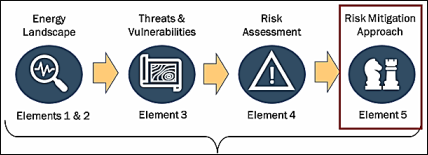
Risk mitigation as an approach requires a comprehensive integrated strategy that gives results with unique technical, robust cloud security best practices with AI-specific governance and continuous monitoring to solve unique vulnerabilities. AI-driven solutions, despite their potential capabilities, are associated with range of risks and these risks must be addressed including regulations and sustained AI risk management framework . Risk mitigation in cloud technology involves identifying, assessing, and reducing potential risks associated with clous-based systems, ensuring the safety and continuity of operations. The adoption of cloud computing services is essential in the energy industry without compromising security or operational integrity looking at its core components of risk mitigation like identification, assessment, security control, backup and recovery plans and monitoring and auditing . For instance, the U.S department of energy discussed risk as the potential for the loss of energy supply or services, and the associated indirect impacts of those losses on society, resulting from the exposure of energy infrastructure to a threat and proffering mitigation approaches and measures will be implemented. The energy department outlined energy security plan processes involving risk mitigation approach (Element 5) with energy landscape, threats & vulnerabilities and risk assessment as shown Figure 1 below :
Figure 1. US Energy Department Security Plan Process.
2. Technological Integration in Energy Industry
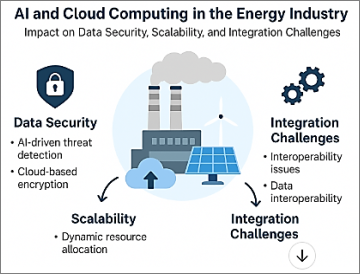
Figure 2. AI and CC in the Energy Industry.
The architecture in Figure 2 above reveals the integration of AI and cloud computing addressing how these advance technologies interact to transform the energy industry, hence addressing data security, scalability, and integration challenges. The integration is illustrated and shows how a modern energy infrastructure, like power plants, refineries, petrochemicals, fertilizer plants tec., symbolize operational technology (OT) systems that generate vast amounts of data. It features with the three interconnected domains and shows how AI and cloud technologies influence these key areas mentioned in the study that impact the energy industry positively.
2.1. AI-driven Threat Detection
AI can detect both inside and outside threats in any related energy industry cyber physical systems (CPS). AI algorithms have features and by implementation will monitor, enhanced detection and analyze network traffic, identifying anomalies, unauthorized access, and potential cyberattacks in real-time in any deployed facility or infrastructure. Example is the use of machine learning (ML) models to detect malicious, intrusion prediction and threat intelligence behavior in cyber physical systems or industrial IoT systems (like SCADA, PLC, HMI, etc.). These systems integrating AI-driven threat detection security tools will continuously monitor networks and system logs, using ML and behavioural analysis to detect anomalous patterns that may indicate security incidents. By automatically flagging suspicious activities such as unusual login attempts or malware infections, enabl rapid responses .
2.2. Cloud-based Encryption
While AI improves detection and response, cloud computing provides infrastructure-level security. Cloud platforms in any system implementation deployed multi-layer encryption and access control to secure energy data during transmission and storage. Cloud-based technology will enable safer data transmission within the industrial IoT ecosystem or CPS in the energy industry processes and optimization.
2.3. Cloud Platforms and Secure Frameworks
The study suggests and mitigates AI risks in the energy industry and that requires the collaboration of stakeholders with key strategies policies such as enhancing data security, establishing data governance, data quality, data privacy and cybersecurity policies etc. . AI-driven risk assessments prioritize critical vulnerabilities, ensuring robust protection for sensitive energy data. Industrial AI-based solutions suggest several advantages offer by with their AI-solution which stand to mitigate and detect performance issues, optimize processes, make smarter decisions, predict the future, maximize machine learning and forecast remaining useful life during industry operations . Companies in the energy industry can optimize their process operations with flexible, reliable, and scalable cloud-based data services without the need to invest in expensive computing systems. All information is no longer at risk in the events of computer failure. All information is stored in the cloud, with regular and automatic backups. Cloud platforms provide secure frameworks tailored to the energy sector , including:
2.3.1. Centralized Security
With Cloud Computing in the energy industry, security is a primary concern for business utilizing cloud services. With the integration of AI into the systems, it will strengthen identify cyber threats, detect anomalies, and automating responses . Centralized cloud computing system will seamlessly provide instant operations in terms of data security, and this will aid any energy industry (infrastructures). By integrating this technology into the energy industry systems for processing automation operations and optimization will aid the drawbacks posed by the traditional systems. The goal of centralized cloud security is to send instant notification of a common threat to information tech teams in real-time .
2.3.2. Regulatory Compliance
The energy industry needs AI and cloud technology best practices, framework that comply with industry standards. This will impact production efficiency and security. Secure integration and operation are crucial in this context, demanding robust security measures and compliance with industry standards. Regulatory compliance means adherence to standards and regulations and cloud services support adherence to energy regulations across jurisdictions . Numerous regulations have been introduced to create and secure a sustainable energy network, including international standards and policies, which has become one of the most discussed challenges in the energy sector. For the energy industry, mostly the industrial systems to maintain market competition and reputation, protect their assets, data, preserve business continuity and environment, boost innovation in the energy sector, also industry-specific standards such as ISO 50001 and ISO 27019, and company-specific policies depend on the organization’s strategy, business needs, sustainable development plan, mission, and vision . Regulations should be considered a baseline, not an all-encompassing solution, because regulatory compliance can sometimes lead to utilities being overconfident in their IT security infrastructure, Modern technologies bring new challenges, and threats are evolving faster than regulators can develop new standards .
2.3.3. Incident Recovery
With a real cyber-attack against the energy systems, organizations must be thorough. The issue is the race against time since recovery phase can start when the investigation is over most of the time because recovery also means setting up systems from backups . In the manufacturing and energy sector, effective incident response and recovery from cybersecurity incidents are crucial to ensure the continuity of operations and safeguard sensitive data. Given the surge in cyber threats targeting this sector, manufacturing organizations must implement a well-defined incident response plan . An organization like the energy industry should have an incident response and recovery plan as measures and procedures in place to respond to and protect against cyberattack. These measures rapid recovery mechanisms ensure minimal downtime during cyber incidents. Preparation also is a key, for instance, the recent attack where both with Black Energy 3 in 201 Preparationtroyer or Crash Override 2016, there were major parts of the malicious frameworks that were the destruction and deletion of config files backups and denying access to the devices. So, having a good backup will enhance good incident recovery. They explore the essential steps for utilities to establish OT security incident recovery plans, configuration backups and reference framework like NIST Cybersecurity Frameworks 2.0 for detailed recovery plans . The table below shows the summary of each component concept on the study.
Table 1. Summary of Components Concepts.

Component

Role in Energy Industry

Primary Concern

Cloud

Centralized data storage and remote access.

Reliance on third-party providers.

AI

Automated decision-making and efficiency.

Accuracy of algorithms and "black box" logic.

Security

Safeguarding the physical grid from digital attacks.

Preventing massive power outages or data leaks.

Scalability

Handling the "Big Data" from smart cities.

Cost-effectiveness as data grows.

3. Materials and Methods
The study explores the mixed method approach, both qualitative and quantitative methods by reviewing fifty-six (56) related reference materials in other to achieve a precise and distinct goals which revolves the study integrating AI and cloud computing in the energy industry with impact factor on data security, scalability and integration issues considering one, empirical and experimental research with 8 literatures, Secondly, Review and literature-based research material with six (6) literatures, Thirdly, theorical/conceptual research 8 references. Fourthly, online articles and expert commentaries materials with references, while the industry/technical report has 12 references. The research materials have data security key insights on AI techniques and cloud infrastructure security models protect industrial and energy data assets, AI–cloud synergy enhances resource allocation and system performance under growing data loads supporting scalability, and finally studies discuss interoperability, legacy integration, and data sharing issues critical to unified energy networks.
3.1. Empirical/Experimental Research Method
With the five (5) research qualitative methods used, the author looked at quality of journals and reviewed eight (8) literatures, from different other scholars on empirical/experimental research that are based on data collection, measurement, and observation of real-world systems or simulations. This method seeks to validate hypotheses through measurable outcomes and statistical analysis. In studying AI and cloud computing in the energy industry, the materials and methods used by the scholars are essential with test system performance, security efficiency, and scalability metrics. The researchers also use datasets from smart grids, industrial control systems, or cloud-based energy platforms to evaluate the impact of AI algorithms or cloud architectures.
3.2. Review and Literature-based Method
The scholars employed this method by reviewing or literature-based materials that involve systematic identification, synthesis, and analysis of existing scholarly works, industrial papers, and technical reports. The research method also explored six (6) referenced materials in the study helps to understand what has been done, identify gaps, and define research direction. the review and literature-based method helps to map the current state of AI–cloud adoption in the energy industry, covering aspects such as, Existing data security frameworks for energy data in the cloud, scalability models and load management strategies used in smart grids and integration challenges between AI systems, legacy energy infrastructure, and cloud platforms.
3.3. Theorical/Conceptual Research Method
Theoretical or conceptual methodology used in the study are eight (8) good literature materials out of the 56 referenced literature by scholars that are employed to develop models, frameworks, or theories explaining how variables interact or how systems should be structured. The methodology is typically non-empirical, focusing on conceptual reasoning, logical relationships, and architecture formulation.
3.4. Online Articles and Expert Commentaries Research Method
In the study, scholars used this method reviewing nineteen (19) literatures which involve analyzing insights, and opinions shared by industry professionals, technology leaders, cybersecurity specialists, and researchers through online platforms, including company blogs, magazines, thought-leadership pieces, and professional networks such as ResearchGate or Medium. It focuses on current, practical, and emerging perspectives that may not yet be captured in academic publications but are highly valuable for understanding real-time developments and market directions.
3.5. Industry/Technical Report Research Method
This study also used industry and technical reports with scholars publishing 12 related literature materials to the study. These are practice-oriented research methods that rely on industrial reports, market analyses, technical white papers, and case documentation. They provide empirical and contextual insights from real deployments, often from companies or consultants.
4. AI and Scalability in Energy Systems
Scalability is the ability of AI solution to scale across varied sizes and types of energy systems, scalability makes AI a valuable tool for accelerating the energy transmission and making learning energy more accessible to a broader population, offering solutions for managing growing demand, integrating renewables and enhancing grid stability. AI solutions can be scaled up or down to fit the needs of different energy systems, from small microgrids to large, interconnected networks. With AI enabling scalability, it will improve grid stability, reduce operational cost, increase efficiency, enhance sustainability . Furthermore, AI supports scalability in energy operations by the following:
4.1. Dynamic Load Management
There are three different options when it comes to load management, where dynamic load management was considered more advanced than unmanaged and static load management. Dynamic load management considers the load at the grid connection point in real time and adjusts the load supplied to the charging stations accordingly. This process can be enhanced by AI. Dynamic load management has two significant advantages over the other options. Firstly, peak loads are limited to enable permanent overload protection. Secondly, the charging power is only limited in periods of high base loads. Dynamic load management is adaptable . Wang, (2018) explained that AI-driven load balancing can be integrated into data center exiting network for scalability this can enhanced effective value-added services without changes in the structures. The importance of power quality issue on micro grids and the changing nature of power system distortions will lead the future power systems to use distributed power quality improvement (DPQI) devices. AI optimizes energy distribution based on real-time demand.
4.2. Predictive Maintenance
Underlines that as lightweight and fast computers became widely available in the 1980s, predictive maintenance becomes practical. The goal is to preemptively predict equipment failure through data from conditional monitoring and computer models. Several reliability technologies were developed in this period. Predictive Maintenance is the most prevalent strategy presently . The development of Smart Predictive Maintenance Frameworks (SPMF) in the oil and gas industry. These frameworks utilize Digital Twins, a dynamic digital representation of physical systems, to facilitate real time monitoring and predictive analysis. By integrating Tiny Machine Learning (TinyML) at the edge, these frameworks address challenges like transfer latency and data overload, enhancing maintenance efficiency while reducing the carbon footprint . The highlights that the combination of process and technology has the potential to disrupt the predictive maintenance world and for many companies, including the energy industry, means reduced downtime, fewer emergency repairs, lower repair costs, increased asset availability and increased revenues. Advanced analytics anticipate equipment failures, reducing downtime. Finally, on integrating predictive maintenance into energy systems or industry process and maintenance operations . Advancing from predictive maintenance to intelligent maintenance (PMIM) with artificial intelligence and industrial IoT, which cloud computing is a crucial and integral part, is a solid step for the goal of autonomous running manufacturing lines 24/7 with zero downtime in future enterprise . In fact, AI use in predictive maintenance has been shown to reduce breakdown by 70 per cent and maintenance cost of 25 per cent. A notable example of this is National Grid ESO (Electricity System Operator) in the UK, which is leveraging AI predictive maintenance to monitor their energy infrastructure .
4.3. Automated Decision-making
Artificial intelligence (AI) can analyze large amount of data in a very short time-and it therefore increasingly being used to support decision-making. AI offers the advantage of making decisions faster and more efficiently than humans alone . Olivia (2024) stress on three main recognized levels of the AI spectrum-assisted intelligence, augmented intelligence and automated intelligence. Whether a decision must be AI automated, augmented or supported depends on two factors. The time limit within which the organization will need to be decided, and second factor is its complexity. AI-driven automation streamlines energy management and optimizes the processes with a better throughput. When artificial intelligence (AI) is deployed into the energy systems it will enable machines to perform tasks that typically require human intelligence, including making decisions etc., because it uses training data to comprehend context and determine how to respond or react in different situations. AI-driven automation streamlines energy management processes . Finally, artificial intelligence (AI) takes raw data stored in the cloud and turns it into action. It identifies patterns that humans might miss and this for example in terms of AI benefit as decision makers in the energy industry can balance the grid automatically by telling batteries to discharge power exactly when a cloud passes over a solar farm. This autonomous decision making as AI integration into energy will embrace skills development to address the challenge of incorrect use of ML technologies and the risks of Artificial Intelligence leading to erroneous optimizations. Interpretability of AI needs to be covered in skills development . In conclusion, AI offers enormous potential to speed up and improve decision-making processes in integrating it into the energy industry for systems management .
5. Cloud Computing and Scalability in Energy Systems
Scalability in cloud computing is having the ability to decrease your IT resources easily when your business needs storage or speed changes. As the energy industry (business) grows, cloud scalability allows you to quickly and cost-effectively adapt to the changes . Energy Exemplar (2024) highlights the capabilities offers by cloud computing or solutions which will be required for energy industry and their systems to successfully navigate the future of their operations. These benefits include scalability and flexibility, data management and analytics, collaboration and remote operations, cost efficiency and enhances cybersecurity . Cloud scalability is a flexible, reliable data infrastructure capable of scaling up or down its amount of data, number of applications, and types of locations to support changing business demand and objectives. It overcomes many of the limitations of legacy data storage by providing a unifying data infrastructure with several important advantages . Cloud-based energy management systems have the potential to completely transform several industries. It provides an accessible, scalable, and adaptable platform for energy consumption management (ECM) . Deploying or integrating cloud computing and scalability in energy systems will make systems adapt to changes seamlessly, without downtime and without having to fundamentally rearchitect . Cloud computing enables scalable energy solutions through:
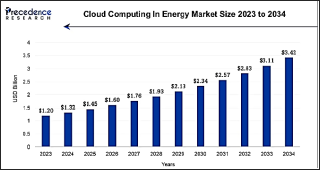
The cloud-based technology and scalability provided will impact on the energy industry systems if deployed in by related firms advancing technological and infrastructural development on innovations in their domains. The secret of Indorama’s World-Class status and the pride of Nigeria’s industrialization. The quarterly magazine reveals how these advance technologies keep Indorama’s operations energy efficient, environmental-friendly, safe and cost-effective . The global cloud services market is projected to reach $2.5 trillion by 2031, with the adoption of advanced technologies such as AI/ML, and mobility driving this growth, and this makes the cloud’s environmental footprint becoming increasingly difficult to ignore in industries including the energy industry. But Research by Precedence 2024, underscore that the global cloud computing in energy market size accounted for USD 1.32 billion in 2024, grew to USD 1.45 billion in 2025 and is projected to surpass around USD 3.42 billion by 2034, representing a healthy CAGR of 10% between 2024 and 2034. The Figure 3 below represents the cloud computing energy market size 2023 to 2034, reflecting the impact of this technology on the energy sector, enhancing scalability, operational reliability and efficiency .
Figure 3. Cloud Computing Energy Market Size 2023 to 2034.
Like other energy industry related firms, the power industry etc. research by global market, reports that North America dominated the global cloud computing in oil & gas market with a major share of over 30% in 2024. The U.S. has invested heavily in its cloud infrastructure, which drastically increases U.S. companies’ operational efficiency . The combination of dominant players and key advancements in digital transformation efforts is facilitating the growth in the market. With these inputs from research bodies have shown us the throughputs of cloud platforms facilitating a good collaboration across distributed energy systems .
6. AI and Integration Challenges in Energy Systems
Besides many sectors, AI will drive the energy sector transformation, offering innovative approaches to optimize energy systems’ operations and reliability, ensuring technology economic advantages. However, integrating AI into the energy sector is associated with unforeseen obstacles . It was revealed that in the year 2021 AI funding was doubled at $66.8B in many sectors. While artificial intelligence (AI) brings significant benefits to the energy sector, it also introduces challenges, but few challenges on the integrating of artificial intelligence (AI) into energy systems , such as:
6.1. Data Quality
Data is the backbone of any artificial intelligence (AI) system. The accuracy and reliability of AI models depend entirely on the quality of the data they process. Data quality and management in the energy industry are vital and important as this enables the systems processes to produce the needed throughput. The sheer volume of data from various sources like smart meters, sensors, etc. can be overwhelming. Advance AI algorithms and ML techniques can automate the process of cleaning and standardizing the data, ensuring high-quality datasets. Effective AI models require structured and accurate energy data. These innovative approaches of both AI and ML algorithms can also reveal insights from unstructured data, unlocking new innovations for the energy optimization .
6.2. Legacy Systems
With one-on-one interview in May 2025 with a power holding and distributed company manager recently reveals that a larger percent of the energy industry still operates with legacy systems in Nigeria. The energy industry is presently experiencing setbacks due to lack of funds management and leadership of resources available to improve this sector by integrating innovative technologies. The energy industry in Nigeria needs to be revamping to improve seamless operations integrating AI and cloud computing to replace legacy systems, technologies were over 88% of organizations now adopting or depending upon for operations . Many energy companies still rely on outdated infrastructure that was not built to handle AI-powered automation. AI solutions often require real-time data access and cloud computing power, which legacy systems may lack. The reason remains that AI models need to integrate with existing SCADA (Supervisory Control and Data Acquisition) systems, IoT networks and data lakes, which may require upgrades, and the solution comes with Implementing AI-powered solutions that support modular integration, allowing gradual adoption without replacing entire systems at once. Terms of those long-standing technologies that most energy companies still depend on are a bit like a study, old truck. The answer is integration. He said many companies depend or rely on these systems which were often built decades ago and may not fully support today’s workflow . Many industrial systems run on outdated devices and technology without ongoing support, making them difficult to secure. This will end up with risk of cyber incidents since the systems are vulnerable to malicious activities. This applicable to many systems deployed for a long time with the energy industry . Threat actors are intensely focused on the energy sector, targeting it over three times more than the next most frequently attacked vertically (critical manufacturing etc.). This is the reason why the sector needs the leveraging of AI and cloud computing integration to ensure compatibility with existing energy infrastructure . Legacy systems integration with modern applications, like the iPaas that can offer several advantages like low cost, reduced tech debt, extended system lifetime. Without integration, most energy industries risk falling behind as technology advances . Therefore, AI can offer middleware solutions that act as a bridge between legacy systems and innovative technologies. These solutions can translate data formats and protocols, allowing for seamless communication and integration without the need for extensive infrastructure overhauls .
6.3. Customization Needs
Customizing the needs of energy systems will aid the processes of modification and configuration of cloud services to meet specific operations in the industry. There are benefits in customizing the needs deploying cloud computing and scalability in the energy systems, with focus on scaling up and down resources based on demand. Customization needs are essential for business (energy sector) seeking to use the full potential of cloud solutions by customizing cloud computing services. The article suggests that by designing cloud solutions to unique business requirement, organizations can achieve greater flexibility, scalability, and cost efficiency. This is based on the unique requirements of the energy systems as this process will improve data security, application performance or enabling faster time-to-market for new products in sector .
7. Cloud Computing and Integration Challenges in Energy Systems
The drawbacks faced by cloud-based technology integration into energy systems describe how cloud computing becomes an integral part of modern information technology infrastructure, providing scalable and flexible resources to business operations. Although integrating cloud-based technology in the management of energy systems is a huge challenge, it will be driving more research and from free software-defined networks, converged systems, including improved automation and application provisioning, also increasing the demands on IT infrastructures, especially for those companies (energy) trying to make do with older technologies . As important as energy systems they need promising advance cloud systems to enhance the system performance of the sector . By implementing this technology in the energy sector simplifies complex integration of different technological platforms in managing the connectivity of different systems from manufacturers and vendors while addressing the following drawbacks for technological enhancement Furthermore, while it is important to take advantage of could base computing by means of deploying it in diversified sectors, the security aspects in a cloud-based computing environment remains at the core of interest . The followings areas offer challenges in integrating cloud computing with the energy industry systems.
7.1. Interoperability
Addressing interoperability in the energy domain presents a complex challenge due to its encompassing nature, involving the private sector, public-private collaborations, and individual citizens, whether they are prosumers or not. The breadth and diversity of these stakeholders necessitate a comprehensive approach to interoperability . In the ever-changing environment of cloud computing, interoperability is critical notion that shapes how different cloud systems and services work together to build a cohesive and effective digital ecosystem , how interoperability in cloud computing is emerging as a significant concern, often overshadowed by the more apparent benefits of cloud services . Despite the advances in cloud technologies, interoperability remains a complex challenge due to several factors, like heterogenous systems, this is because cloud services are built on different platforms with varying standards and technologies, making it difficult for them to interact effectively. Secondly, standardized APIs connects diverse energy systems, and this can hinder the seamless integration and communication between different cloud systems, affecting the overall efficiency of the cloud solution. Additionally, the risk of vendor lock-in, where businesses become overly dependent on a single cloud provider, can further complicate interoperability. In technology advances, embracing interoperability becomes not just an option, but a requirement for enterprise seeking agility, innovation, and a future-ready digital infrastructure . The EC discovered as early as 2010 that technical integration issues will arise while connecting heterogeneous infrastructures to the smart grid. In response, the Commission issued the M/490 mandate to Standards Development Organizations (SDOs). This mandate issued to CEN, CENELEC, and ETSI, focuses on technical interoperability in smart grids. It aims to address the challenges posed by the integration of various smart grid technologies and enable seamless communication between different systems . Critical Infrastructure like energy, being tied to a single cloud provider is a security risk. If that provider fails or changes its security policy, the entire grid could be vulnerable. Interoperability allows an energy company to "port" or move its data and AI models to a different environment quickly, ensuring system resilience .
7.2. Data Migration
Data migration from legacy systems to cloud is pivotal for energy systems, moving data from one success of this data migration process, like the energy industry depends on several aspects like planning and impact analysis of existing enterprise systems. Data migration is a multi-step process that begins with analyzing old data and culminates in data uploading and reconciliation in new applications. With the rapid growth of data, organizations constantly need to migrate data. Migration also can be very costly if best practices are not followed and hidden costs are not identified in the early stage. On the other hand, many organizations today instead of buying IT equipment (hardware and/or software) and managing it themselves, they prefer to buy services from IT service providers. Data migration in energy systems stands out as a challenge in integration with cloud computing, that is why prioritizing data security during migration is essential. Data to migrate can be substantial, requiring careful planning to minimize downtime or inconsistences, impacting business continuity and user satisfaction. Transitioning energy operations to the cloud demands careful planning and with Cloud through suggested proposed model that enhances data security and privacy by gathering Advanced Encryption Standard-256 (ATS256), Data Dispersion Algorithms and Secure Hash Algorithm-512. This model achieves verifiable security ratings and fast execution time .
7.3. Hybrid Solutions
Hybrid cloud solution combines two or more energy system networks of energy sources, either renewable or non-renewable to reliably and efficiently create power supply. There is a benefit for deploying hybrid solutions in terms of optimizing the energy systems (industrial) and therefore combining on-premises and cloud systems in energy networks requires robust frameworks. The hybrid solution or models can impact on the industry by fixing the challenges faced by the following: data security, scalability and latency in the energy industry. The table below shows a summary of these challenges on the phase of integration and the solution offered by this hybrid model or solution. Finally, the potential of cloud-based solutions is the first step towards a brighter energy future. Through the utilisation of cloud computing’s flexibility and data power, we can progress towards a society where energy is not just consumed but also responsibly and intelligently controlled .
Table 2. Summary of Hybrid Solution Impact.

Challenge

How Hybrid Cloud + AI Fixes these Challenges

Integration

Uses AI-enabled "Edge Gateways" to bridge legacy hardware and modern software.

Security

Keeps critical "Grid Control" local/private while using public cloud for non-sensitive analytics.

Scalability

Uses "Cloud Bursting" to handle massive data spikes during weather events or peak hours.

Latency

Edge AI makes split-second decisions locally; Cloud AI handles long-term strategy.

7.4. Data Privacy
There is a significant challenge in integrating cloud computing tech into energy systems this is because of the critical need for efficient and reliable operations. The challenges posed by integrating this technique are few but precisely span technical, operational domains and regulatory which includes cybersecurity threats, third-party access and shared responsibility, collection of data, regulatory compliance, balancing innovation with security etc. Therefore, for instance the lack of security protocols in both web and mobile cloud computing can lead to data hacks that may lead to further security issues . This really will impact cloud computing as it raises concerns regarding its privacy and security due to the involvement of third-party vendors to protect sensitive data.
8. Technological Challenges in the Energy Industry
There are numerous challenges posed by artificial intelligence and cloud computing by integrating these technologies into the energy sector. To mention few are complexity, compliance and cost-effectiveness as each challenge or limitation causes and hindrance in one area or the other.
8.1. Complexity
The complexity in the energy sector or industry comes from an involvement with related industry regulations and integrations of innovated tech solutions into the industry operational and processes for monitoring and control to enhance better optimization and achieving production throughput with ease of any cyber threat or attack. This is where AI’s algorithms require substantial computational power and expertise to be able to handle such emerging technologies deployed into the energy industry. The stakeholders in the energy industry should consider and ensure that the regulatory landscape, technological innovations for legacy and interconnected systems form a platform that requires a cloud solution for cybersecurity.
8.2. Compliance
Compliance with agreed regulatory and international standards for the industry operations will impactfully aid the reliability, efficiency and productivity of these systems. The energy sector needs to operate with international standards, industry-specific compliance for yet navigating global energy regulations adds complexity to cloud adoption . The development of AI and application in energy may pose challenges to existing law systems, and the constraints of policies and regulations on the development of AI and cloud computing in the energy industry. Management, rights, responsibilities and obligations of different moral subjects must be specified. The adverse consequences must be predicted and prevented. To scale an AI system across a national grid for example, it must be able to handle this massive, diverse data influx emphasize that traditional methods are no longer sufficient, and Cloud-based AI is required to manage the volume and variety of data necessary for grid resilience. Also, suggest that for AI and Cloud to be successfully integrated, there must be a shift in "Responsible Knowledge." This means that data security is not just a technical issue, but a regulatory one .
8.3. Cost-effectiveness
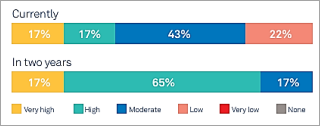
The worldwide cloud AI showcase estimate was esteemed at USD 44.97 billion in the year 2022 and is assessed to develop at a compound yearly development rate (CAGR) of 39.6% from 2023 to 2030 as depicted in Figure 3. Cloud AI combines the control of cloud computing with AI calculations to supply businesses with benefits, counting quicker preparation, progressed effectiveness, and fetching reserve funds. One of the key drivers of industry development is the expanding appropriation of AI and machine learning advances by businesses over different segments . In the words of numerous industry heavyweights, AI is the new electricity. The Economist magazine championed the slogan, “Data is the new oil. The role of AI and data security will be cost-effective with the view of looking at the beginning of a golden age of AI we’ve only scratched the surface of what is possible.” This promise is to fuel record investment into the AI sector, over US$20bn in Q2 2021 alone. High initial investments may limit widespread adoption in the energy sector. There is now widespread agreement on the potential benefits for investment managers. Eighty two percent of investment management companies surveyed in 2020 listed AI to be of either ‘very high’ or ‘high’ strategic importance in two years . The author shows the strategic importance of AI in investment management in Figure 4 below.
Figure 4. Strategic importance of AI in investment management.
One significant advantage of AI and cloud computing lies in cost savings. The traditional model of running ML models on expensive enterprise data center machines is now replaced by the cost-effective public and private cloud infrastructure. The subscription-based model transforms capital expenditures . An example of smart AI energy management systems that can save up to 30% in operational cost through automated resource allocation and predictive maintenance. Some other real-world deployments show that utilities using AI-backed systems can reduce maintenance time by 50% while extending equipment lifespan by up to 20% .
9. Prospects in AI and Cloud Computing
This is driven by the need for increased sustainability and effectiveness of integrating energy sources which offer significant opportunities. Since AI and cloud computing technologies are deployed almost across the entire energy value chain, from exploration to consumption, most especially in renewable energy management, smart grids, predictive maintenance, oil & gas exploration, digital twins etc. The prospects for AI and cloud computing describe the cloud-based technology eliminating the need for massive on-premises hardware, empowering startups and enterprises to leverage machine learning, etc. Furthermore, hybrid cloud solutions are emerging as the preferred habitat for AI cloud computing. The convergence of AI and cloud computing holds transformative potential for the energy industry . Future advancements include.
9.1. AI-powered Cloud Platforms
The ability of cloud platforms to leverage their infrastructural “core “ of computing assets and micro-services to third-party institutions has been considered another important source of their infrastructural power as it allows them to expand and integrate themselves into various domains of application. The cloud computing industry is dominated by three big players, Amazon Web Services (AWS), a cloud platform that was launched in 2006 and is the market leader. To give an idea of the scale of the business, in Q3 2019 alone it generated $9bn in revenues, up 35% on the previous year, with a profit margin of 25% . Another AI-powered cloud platform is Azure, launched in 2010, Microsoft’s equivalent that recorded $4.2bn in revenue over the same timeframe (up 59% y/y). Google’s GCP (Google Cloud Platform which forms Google’s ‘other revenues’ includes G Suite/Google Play) produced $6.4bn (up 39% y/y). Integrating AI into cloud services for enhanced decision-making and automation will be an advanced platform for the energy industry when deployed. Therefore, AI-powered cloud automation tools are set to streamline resource provision, security monitoring, and performance optimization processes in the energy industry and with this intelligence analytics will witness continuous improvement, enhancing data analysis speed and accuracy .
9.2. Resilient Energy Systems
These systems are designed to mitigate and rapidly recover from disruptions like natural disasters, cyberthreats and intrusions etc. and ensure continuous energy apply during system operations. These systems are essential and matter to the national security of a nation and their economic stability enhanced there must be proactive measures alongside quick response capabilities. For instance, the digitalization of the energy sector, such as AI integration with cloud solution etc., are integrated into energy systems. Leveraging predictive analytics and cloud infrastructure for robust energy network management . The promise of AI is to unlock enormous analytical and predictive power that can enhance processes, create efficiencies, and improve investment returns, also have the potential to play a role in nearly every facet of industry and the wider ecosystem .
9.3. AI and Cloud Technologies Emerging Job Roles
The integration of AI and cloud computing into the energy industry has created a very high demand for trained professionals and hybrid skill personnel, especially new employees in the energy industry to successfully operate these technologies deployed into the energy value chain. Few key emerging professionals and skilled personnel positions in high demand in the energy industry are AI analyst/Data scientists, smart grid engineers, cybersecurity experts, robotics/automation engineers, cloud architect/engineers etc. This study also reveals the need for all energy value chains encouraging training of technical employees to acquire the needed skills for better and more efficient operations of these advanced technologies in the industry.
10. Conclusion
AI and cloud computing offer significant opportunities to address data security, scalability, and integration challenges in the energy industry. The key insight on these factors remains that AI techniques and cloud infrastructure security models protect industrial and energy data assets. Secondly, AI cloud synergy enhances resource allocation and system performance under growing data loads, and, thirdly, the studies discuss interoperability, legacy integration, and data sharing issues critical to unified energy networks. Their combined potential paves the way for innovative, resilient, and efficient energy systems. Strategic adoption will empower the energy sector to meet future demands and achieve digital transformation and revolutionizing of the energy industry. Ultimately, the future of a resilient and sustainable energy industry depends on the industry's ability to adopt AI and Cloud computing while maintaining the delicate balance between open, interoperable systems and secure, sovereign control. The path forward lies in a "best of both worlds" hybrid approach where the intelligence of AI and the power of the cloud are harnessed to create a grid that is not only smarter but inherently more efficient, secure and scalable for the generations to come.
Abbreviations

AWS

Amazon Web Services

CAGR

Compound Annual Growth Rate

ETSI

European Telecommunication Standards Institute

CENELEC

European Committee for Electrotechnical Standardization

SDO

Electricity System Operator

CEN

European Committee for Standardization

iPass

Integration Platform as a Service

ESO

Electricity System Operator

ECM

Energy Consumption Manager

ISO

International Organization for Standardization

NIST

National Institute of Standards and Technology

HMI

Human Machine Interface

PLC

Programming Logic Controller

SCADA

Supervisory Control and Data Acquisition

CC

Cloud Computing

AI

Artificial Intelligence

CPS

Cyber Physical Systems

Author Contributions
Boye Aziboledia Frederick is the sole author. The author read and approved the final manuscript.
Conflicts of Interest
The author declares no conflicts of interest.
References
[1] Alameldin, M. (2022). Smart Predictive Maintenance Framework SPMF for Gas and Oil Industry. In International Petroleum Technology Conference. OnePetro.
[2] Aberdeen report (2016), Maintaining Virtual System Uptime in Today’s Transforming IT Infrastructure.
[3] Compliance Aspekte (2021), Energy Sector Compliance: Regulatory Outlook, Infopulse Standard Compliance Manager, compliance-aspekte.de/en/articles/energy-sector-compliance-regulatory-outlook
[4] Clemens, T., & Viechtbauer-Gruber, M. (2020). Impact of digitalization on the way of working and skills development in hydrocarbon production forecasting and project decision analysis. SPE Reservoir Evaluation & Engineering, 23(04), 1358-1372.
[5] Cisco (2016), Utility and Energy Security: Responding to Evolving Threats, White Paper,
[6] Damian Szewezyk (2024), Why Interoperability Matters in the Cloud Computing Era, Cloud Computing,
[7] Energy Exemplar (2024), Cloud Technologies Critical to Energy Utilities and Organizations, Team Energy Exemplar
[8] AVEVA Group Limited (2020-2025), Industrial AI-Based Solutions,
[9] Jin, D, Ocone, R, Jiao, K & Xuan, J 2020, 'Energy and AI', Energy and AI, vol. 1, 100002.
[10] Florian Andreas Kolb (2024), Mitigating AI Security Vulnerability in the Electric Power Sector.
[11] Jakob Luttropp (2024), Modernized Legacy Systems in the Energy Sector, frends.com/ipaas/blog/legacy-modernization/energy-sector-companies
[12] Hirenkumar Kamleshbhai Mistry, Chirag Mavani, Amit Goswami and Ripalkumar Patel (2024), The Impact of Cloud Computing and Ai on Industry Dynamics and Competition, Educational Administration: Theory and Practice, 30(7), 797-804
[13] GridX, (2021), Dynamic Load Management,
[14] James Reyers-Picknell (2020), Industrial IoT for Predictive Maintenance and Big Data, Mobius Institute.
[15] SentinelOne (2024), What is AI Data Security? Examples & Best Practices,Manthan Bhavsar (2024), The Role of Artificial Intelligence in Data Security,
[16] Anthony Lawrence Paul (2024), The Role of Artificial Intelligence in Enhancing Data Security ResearchGate.
[17] Precedence Research (2024), Cloud Computing in Energy Market Size, Share, and Trends 2024 to 2034,
[18] Gilad Maayan (2020), Centralized Cloud Security: An Asset or Liability, IEEE Computer Society,
[19] Jin Guang Yu (2018), IOT, And Big Data, Cloud Computing, Artificial Intelligence/Machine Learning, Bim and Digital Twins in Building Automation Management Applications.
[20] Claude B. (OMG), Erin B. and Erich C. (2021), An Industrial Internet Consortium White Paper, Global Industry Standards for Industrial IoT, a program of Object Management Group, Inc. (“OMG”).
[21] Harold Finch (2024), What is Interoperability in Cloud Computing, Medium, medium.com/@haroldfinch01/what-is-interoperability-in-cloud-computing-9f90dfad6aa0
[22] David Titus (2021), Artificial Intelligence in Numbers Q2 2021,” CB Insights, July 2021
[23] Jonathan et al., (2025), Takepoint Research, Industrial cyber, risk management handbook 2025.
[24] Hewlett Package Enterprise Development LP. HPE Glossary,
[25] Haining Zheng, Antonio R. Paiva, Chris S. Gurciullo, (2020). Advancing from Predictive Maintenance to Intelligent Maintenance with AI and IIoT. In AIoT workshop at KDD 2020: The 26 ACM SIGKDD International Conference on Knowledge, Aug 22-27, 2020, San Diego, CA, USA 6 pages.
[26] Jonathan Gordon (2025), State of the Industrial Cybersecurity Market in 2025, Industrial Cybersecurity Buyer’s Guide 2025, industrial cyber.
[27] Kingsley U, Kehinde O. Olatunji, Eyitayo A., Tien-Chien len, Daniel M. Madyira, (2024), Optimizing Renewable Energy Systems Through Artificial Intelligence: Review and Future Prospects, Energy & Environment, Sage Journal.
[28] Kosta Mitrofansky (2024), Scalability in Cloud Computing for Skyrocket Performance, Cloud Infrastructure and Computing, Intellisoft, intellisoft.io/cloud-computing-scalability-what-is-it-and-why-its-important/
[29] Adam P., Alexandra S., Anna G., Daniela A., Dylan H., Emma F., Freek K., Iris I., Justin F, Justin T, Maria G, Min K, Nahisha N, Nathaniel J, Nicole W, Ryan T, Safiy S, Sam L, Steven S, Vivek R, Weronika W and Zoe T, Evolving Threat and Emerging Tactics in Cybersecurity, Annual Threat Report 2024,
[30] Iryna Kurkina (2023), Cloud Computing and AI, Academy SMART, academysmart.com/author/iryna_kurkina/?page=2
[31] Jacobs, T. (2018). Shell Picks a Digital Platform to Build Its AI Future Upon. Journal of Petroleum Technology, 70(12), 43-44.
[32] L. X. J. Z. Y, and L. L. Wang, (2018) “Integrating AI with Load Balancing in Cloud Computing Environment,” International Journal of Cloud Computing, vol. 7, no. 2, pp. 112-127, 2018.
[33] Umesh Pande (2024), The Role of Cloud Computing in Scalable Energy Management Solutions. startelelogic.com/blog/the-role-of-cloud-computing-in-scalable-energy-management-solutions/
[34] Peasoup (2025), The Rise of Cloud Computing and Its Environmental Impact, peasoup.cloud/iaas/cloud-computing-growth-and-energy-consumption//
[35] Jiménez S., (2025) Interoperability Framework in Energy Data Spaces, International Data Spaces Association, Dortmund 2025.
[36] Monjur A. & Mohammad A. H (2014), “Cloud Computing and Security Issues in The Cloud", International Journal of Network Security & Its Applications, Vol. 6, No. 1, Page No. 25-36.
[37] Pauline Hawkes-Bunyan (2021), AI and The Investment Management Industry, Investment Association in collaboration with EY, Clifford chance.
[38] Hussein A. A. (2021), Data Migration Need, Strategy, Challenges, Methodology, Categories, Risks, Uses with Cloud Computing, and Improvements in Its Using with Cloud Using Suggested Proposed Model (DMig 1) Open Access, Journal of Information Security (JIS), No. 1 2021(01): 79-103, ResearchGate.
[39] Morris, E., Stamp, K., Halford, A.& Gaura, E. (2022), The practice of AI and ethics in energy transition futures. Energy REV, University of Strathclyde Publishing: Glasgow, UK.
[40] Manvendra Kunwar (2024), AI in Cloud Computing: Enhancing Scalability, Efficiency, and Security for Modern Enterprise,
[41] Global Market Insights (2024) Cloud Computing in Oil and Gas Market Size - By Service, By Deployment Mode, By Operation, By Application, By End Use, Growth Forecast, 2025 – 2034,
[42] Olivia Barber (2024), How artificial Intelligence will change decision making, In Data Lab, indatalabs.com/blog/artificial-intelligence-decision-making
[43] Oleksandr B., (2025), Exploring the Potential of AI for Energy Management, Big Data, AI and ML, Techstack, tech-stack.com/blog/ai-in-energy-sector/
[44] Makysym Kharuk (2023), How Cloud Computing is transforming the Renewable Energy Industry, ratedpower.com/blog/cloud-computing-renewable/
[45] Nick E., Ben R., & Xuesong Z., (2019), Cloud computing, Artificial Intelligence (AI) and Connectivity - unleashing innovation,
[46] Priyanka & Abdul Haleem Quraishi (2024), A Study on Cloud Energy Issues in Cloud Computing, International Journal of Research Publication and Reviews (IJRPR), Vol. 5, No. 5, PP 12103-12106.
[47] Ehsanullah Baig (2025), Customizing Cloud Services for Business Needs, ComputeSphere, computesphere.com/blog/customizing-cloud-computing-services-for-unique-business-requirements-
[48] Nzubechukwu C. O., Adebayo O. A, Emmanuel C. A, Peter E. O. & Abiodun A. (2023), Advancements in predictive maintenance in the oil and gas industry: A review of AI and data science applications, World Journal of Advanced Research and Reviews (WJARAI), 20(03), 167–181.
[49] Klaus Foitzick (2024), Automated decision-making by AI,
[50] Sayed Shan Danish (2023), AI in Energy: Overcoming Unforeseen Obstacles, ResearchGate’s, 406-425,
[51] Tom Cash (2024), AI in the Energy Sector-Uses and Challenges of AI in Energy, Energy Management, EM Magazine,
[52] Andreas Klien and Simon Rommer (2025), Disaster Recovery got Power Grid, Protect your Grid by OMICROM.
[53] IEPL Corporate Communication, Indorama-Nigeria, Impact In-House Magazine, 2019,
[54] Bandana Guar, (2024), What is Risk Mitigation in cloud Computing, Digital Regenesys,
[55] Paloalto Network, Coberpedia, AI Risk Management Frameworks: Everything You Need to Know, www.paloaltonetworks.in/cyberpedia/artificial-intelligence-cybersecurity
[56] Dominik Samociouk (2025), Cybersecurity automation explained: challenges, costs and benefits,
Cite This Article
  • APA Style

    Frederick, B. A. (2026). AI and Cloud Computing in the Energy Industry: Impact on Data Security, Scalability, and Integration Challenges. Science Discovery Artificial Intelligence, 1(1), 27-40. https://doi.org/10.11648/j.sdai.20260101.14

    Copy | Download

    ACS Style

    Frederick, B. A. AI and Cloud Computing in the Energy Industry: Impact on Data Security, Scalability, and Integration Challenges. Sci. Discov. Artif. Intell. 2026, 1(1), 27-40. doi: 10.11648/j.sdai.20260101.14

    Copy | Download

    AMA Style

    Frederick BA. AI and Cloud Computing in the Energy Industry: Impact on Data Security, Scalability, and Integration Challenges. Sci Discov Artif Intell. 2026;1(1):27-40. doi: 10.11648/j.sdai.20260101.14

    Copy | Download

  • @article{10.11648/j.sdai.20260101.14,
      author = {Boye Aziboledia Frederick},
      title = {AI and Cloud Computing in the Energy Industry: Impact on Data Security, Scalability, and Integration Challenges},
      journal = {Science Discovery Artificial Intelligence},
      volume = {1},
      number = {1},
      pages = {27-40},
      doi = {10.11648/j.sdai.20260101.14},
      url = {https://doi.org/10.11648/j.sdai.20260101.14},
      eprint = {https://article.sciencepublishinggroup.com/pdf/10.11648.j.sdai.20260101.14},
      abstract = {The objective of this study is to analyze and evaluate the role of artificial intelligence (AI) and cloud computing in transforming the energy industry, with a focus on their impact on data security, scalability, and system integration. The rapid integration of these technologies is reshaping the energy industry by driving digital transformation, optimizing operations, and enabling data-driven decision-making. The paper is driven with mixed-research methods categorizing reviewed materials of fifty-six (56) into five (5) distinct categories, empirical/experimental, review/literature-based, theorical/conceptual, industry/technical report and online articles/experts’ commentaries. In the study a total number of thirty-two (32) among the reviewed literatures on impact on data security has 12, scalability span ten (10) literatures, whereas integration challenges take eleven (11) materials in the study. The article highlights the challenges of safeguarding sensitive energy data in distributed environments, managing scalability demands in response to increasing data volumes, and addressing interoperability issues between legacy systems and modern cloud-based architectures. Through a comprehensive analysis, the study underscores the critical need for robust security frameworks, scalable cloud strategies, and seamless integration models to ensure resilience and sustainability in the energy sector. The findings emphasize that while AI and cloud computing present transformative opportunities, their successful adoption depends on effectively mitigating risks and aligning technological innovation with industry-specific regulatory and operational requirements.},
     year = {2026}
    }
    

    Copy | Download

  • TY  - JOUR
    T1  - AI and Cloud Computing in the Energy Industry: Impact on Data Security, Scalability, and Integration Challenges
    AU  - Boye Aziboledia Frederick
    Y1  - 2026/02/24
    PY  - 2026
    N1  - https://doi.org/10.11648/j.sdai.20260101.14
    DO  - 10.11648/j.sdai.20260101.14
    T2  - Science Discovery Artificial Intelligence
    JF  - Science Discovery Artificial Intelligence
    JO  - Science Discovery Artificial Intelligence
    SP  - 27
    EP  - 40
    PB  - Science Publishing Group
    UR  - https://doi.org/10.11648/j.sdai.20260101.14
    AB  - The objective of this study is to analyze and evaluate the role of artificial intelligence (AI) and cloud computing in transforming the energy industry, with a focus on their impact on data security, scalability, and system integration. The rapid integration of these technologies is reshaping the energy industry by driving digital transformation, optimizing operations, and enabling data-driven decision-making. The paper is driven with mixed-research methods categorizing reviewed materials of fifty-six (56) into five (5) distinct categories, empirical/experimental, review/literature-based, theorical/conceptual, industry/technical report and online articles/experts’ commentaries. In the study a total number of thirty-two (32) among the reviewed literatures on impact on data security has 12, scalability span ten (10) literatures, whereas integration challenges take eleven (11) materials in the study. The article highlights the challenges of safeguarding sensitive energy data in distributed environments, managing scalability demands in response to increasing data volumes, and addressing interoperability issues between legacy systems and modern cloud-based architectures. Through a comprehensive analysis, the study underscores the critical need for robust security frameworks, scalable cloud strategies, and seamless integration models to ensure resilience and sustainability in the energy sector. The findings emphasize that while AI and cloud computing present transformative opportunities, their successful adoption depends on effectively mitigating risks and aligning technological innovation with industry-specific regulatory and operational requirements.
    VL  - 1
    IS  - 1
    ER  - 

    Copy | Download

Author Information
  • Abstract
  • Keywords
  • Document Sections

    1. 1. Introduction
    2. 2. Technological Integration in Energy Industry
    3. 3. Materials and Methods
    4. 4. AI and Scalability in Energy Systems
    5. 5. Cloud Computing and Scalability in Energy Systems
    6. 6. AI and Integration Challenges in Energy Systems
    7. 7. Cloud Computing and Integration Challenges in Energy Systems
    8. 8. Technological Challenges in the Energy Industry
    9. 9. Prospects in AI and Cloud Computing
    10. 10. Conclusion
    Show Full Outline
  • Abbreviations
  • Author Contributions
  • Conflicts of Interest
  • References
  • Cite This Article
  • Author Information