
Apples are among the most widely consumed fruits globally due to their nutritional value and abundance of bioactive compounds. However, environmental contamination, agricultural practices, transportation, and storage conditions may influence both their phytochemical composition and heavy metal accumulation, thereby affecting their nutritional quality and safety. This study assessed the phytochemical constituents and heavy metal concentrations of foreign and exotic apples marketed in Port Harcourt Metropolis, Rivers State, Nigeria. A laboratory-based cross-sectional study was conducted between July and December 2025 in two major fruit markets within Port Harcourt Metropolis (Kaduna Street Fruit Garden Market and Ogbunabali Fruit Market). A total of sixteen (16) apple samples comprising foreign and exotic varieties were collected and analyzed. Standard phytochemical analytical procedures were employed to determine the concentrations of alkaloids, flavonoids, glycosides, oxalates, saponins, and tannins. Heavy metal concentrations, including copper (Cu), chromium (Cr), cadmium (Cd), and lead (Pb), were determined using Atomic Absorption Spectrophotometry (AAS) following acid digestion. Data were analyzed using SPSS version 27, and results were expressed as mean ± standard deviation. Statistical significance was set at p < 0.05. Foreign apples exhibited higher concentrations of alkaloids (94.89 ± 1.15 mg/kg and 84.55 ± 0.52 mg/kg), saponins (33.77 ± 0.57 mg/kg and 33.72 ± 0.49 mg/kg), and glycosides (21.80 ± 0.80 mg/kg and 18.68 ± 0.07 mg/kg) across the two sampling stations. Conversely, exotic apples contained higher flavonoid concentrations (65.24 ± 0.14 mg/kg and 75.48 ± 0.54 mg/kg) and tannins at Station 2 (85.55 ± 0.32 mg/kg). Oxalate levels remained relatively low in all samples. Heavy metal analysis revealed consistently higher concentrations of copper, chromium, cadmium, and lead in foreign apples compared with exotic apples. Cadmium concentrations in foreign apples at Station 2 (0.30 ± 0.015 mg/kg) exceeded the recommended international safety limit of 0.20 mg/kg, while lead concentrations in both apple varieties exceeded the permissible limit of 0.05 mg/kg. Significant differences were observed between apple types and sampling locations for most phytochemical and heavy metal parameters (p < 0.05). Both foreign and exotic apples marketed in Port Harcourt possess valuable phytochemical constituents that may contribute to their nutritional and health-promoting properties. However, the elevated concentrations of cadmium and lead detected in some samples raise important food safety concerns. Routine monitoring of heavy metal contamination in fruits, strengthened quality control measures, and improved agricultural and post-harvest handling practices are recommended to ensure consumer safety and maintain fruit quality.
| Published in | Journal of Food and Nutrition Sciences (Volume 14, Issue 4) |
| DOI | 10.11648/j.jfns.20261404.12 |
| Page(s) | 229-240 |
| Creative Commons |
This is an Open Access article, distributed under the terms of the Creative Commons Attribution 4.0 International License (http://creativecommons.org/licenses/by/4.0/), which permits unrestricted use, distribution and reproduction in any medium or format, provided the original work is properly cited. |
| Copyright |
Copyright © The Author(s), 2026. Published by Science Publishing Group |
Apples, Phytochemicals, Heavy Metals, Food Safety, Atomic Absorption Spectrophotometry, Port Harcourt, Nigeria
Phytochemical | Foreign (S1) | Exotic (S1) | Foreign (S2) | Exotic (S2) | p-value |
|---|---|---|---|---|---|
Alkaloids | 94.89 ± 1.15 | 76.99 ± 1.31 | 84.56 ± 0.53 | 65.33 ± 2.64 | <0.05 |
Flavonoids | 46.84 ± 0.61 | 65.25 ± 0.14 | 58.94 ± 0.68 | 75.49 ± 0.55 | <0.05 |
Glycosides | 21.80 ± 0.81 | 19.45 ± 0.19 | 18.68 ± 0.07 | 19.69 ± 1.14 | <0.05 |
Oxalates | 7.14 ± 1.04 | 9.78 ± 0.45 | 12.33 ± 0.17 | 14.48 ± 0.43 | <0.05 |
Saponins | 33.78 ± 0.58 | 21.51 ± 0.17 | 33.73 ± 0.49 | 24.81 ± 5.41 | <0.05 |
Tannins | 67.95 ± 0.71 | 58.03 ± 0.81 | 61.62 ± 0.16 | 85.56 ± 0.32 | <0.05 |
Metal | Foreign (S1) | Exotic (S1) | Foreign (S2) | Exotic (S2) | FAO/WHO Limit |
|---|---|---|---|---|---|
Copper | 0.050 ± 0.010 | 0.040 ± 0.010 | 0.055 ± 0.010 | 0.045 ± 0.008 | 10.00 |
Chromium | 2.50 ± 0.010 | 1.50 ± 0.010 | 1.20 ± 0.015 | 0.85 ± 0.010 | ND |
Cadmium | 0.25 ± 0.010 | 0.15 ± 0.010 | 0.30 ± 0.015 | 0.18 ± 0.012 | 0.20 |
Lead | 0.20 ± 0.010 | 0.12 ± 0.010 | 0.25 ± 0.015 | 0.16 ± 0.012 | 0.05 |
Stations | Foreign Apples (cfu/g) | Exotic Apples (cfu/g) |
|---|---|---|
Station 1 | 1.5×10⁴ | 2.8×10⁴ |
Station 2 | 8×10³ | 1.8×10⁴ |
Stations | Foreign Apples | ExoticApples |
|---|---|---|
Station 1 | Staphylococcus sp, Bacillus sp. | Staphylococcus sp, Bacillus sp |
Station 2 | Staphylococcus sp, Klebsiella sp | Staphylococcus sp, Bacillus sp, Lactobacillus sp |
Organism | Gram Reaction | Cell Shape | Arrangement | Spore Formation | Motility | Colony Appearance |
|---|---|---|---|---|---|---|
Staphylococcus sp. | Gram-positive | Cocci | Clusters (grape-like) | Non-spore forming | Non-motile | Creamy, circular, convex |
Bacillus sp. | Gram-positive | Rods | Single or chains | Spore-forming | Motile | Large, flat, irregular |
Klebsiella sp. | Gram-negative | Rods | Single | Non-spore forming | Non-motile | Mucoid, glistening colonies |
Lactobacillus sp. | Gram-positive | Rods | Single or chains | Non-spore forming | Non-motile | Small, white, smooth |
Organism | Catalase Test | Oxidase Test | Coagulase Test | Indole | Citrate |
|---|---|---|---|---|---|
Staphylococcus sp. | Positive | Negative | Positive | Negative | Negative |
Bacillus sp. | Positive | Positive | Negative | Positive | Negative |
Klebsiella sp. | Positive | Negative | Negative | Positive | Positive |
Lactobacillus sp. | Negative | Negative | Negative | Negative | Negative |
Cu | Copper |
Cd | Cadmium |
Cr | Chromium |
Pb | Lead |
AAS | Atomic Absorption Spectrophotometry |
| [1] | Cornille, A., Giraud, T., Smulders, M. J. M., Roldán-Ruiz, I., & Gladieux, P. (2019). The domestication and evolutionary ecology of apples. Trends in Genetics, 35(6), 406-417. |
| [2] | FAOSTAT. (2023). Apples production data. Food and Agriculture Organization of the United Nations. |
| [3] | Yahia, E. M., García-Solís, P., & Celis, M. E. M. (2019). Contribution of fruits and vegetables to human nutrition and health. In Postharvest physiology and biochemistry of fruits and vegetables (pp. 19-45). Woodhead Publishing. |
| [4] | Rohith, K. K., Satish, S., & Shabaraya, A. R. (2019). A review on pharmacological activities of (Hybrid Parentage) Malus domestica × M. sylvestris (Green Apple). International Journal of Pharmacy and Chemical Research, 5(2), 10-13. |
| [5] | Gayer, B. A., Avendano, E. E., Edelson, E., Nirmala, E., Johnson, E. J., & Raman, G. (2019). Effects of intake of apples, pears, or their products on cardiometabolic risk factors and clinical outcomes: A systematic review and meta-analysis. Current Developments in Nutrition, 3(10), nzz109. |
| [6] | Guo, X. F., Yang, B., Tang, J., Jiang, J. J., & Li, D. (2017). Apple and pear consumption and type 2 diabetes mellitus risk: A meta-analysis of prospective cohort studies. Journal of Functional Foods, 40, 353-368. |
| [7] | Mariya, A., Haruna, A. H., & Babangida, A. Z. (2020). Phytochemical analysis of some selected indigenous fruits collected from Lokogoma-Abuja, Nigeria. Journal of Diseases and Medicinal Plants, 6(2), 50-55. |
| [8] | Edeoga, H. O., Okwu, D. E., & Mbaebie, B. O. (2005). Phytochemical constituents of some Nigerian medicinal plants. African Journal of Biotechnology, 4(7), 685-688. |
| [9] | Muscolo, A., Mariateresa, O., Giulio, T., & Mariateresa, R. (2024). Oxidative stress: The role of antioxidant phytochemicals in the prevention and treatment of diseases. International Journal of Molecular Sciences, 25(6), 3264. |
| [10] | Ayodeji, B. O., Zinash, A. B., Asanda, M., & Oluwafemi, J. (2022). An apple a day keeps the doctor away: The potentials of apple bioactive constituents for chronic disease prevention. Journal of Food Science, 87(6), 2291-2309. |
| [11] | Tiwari, U., & Cummins, E. (2013). Factors influencing levels of phytochemicals in selected fruit and vegetables during pre- and post-harvest food processing operations. Food Research International, 50(2), 497-506. |
| [12] | Sehic, J., Köksal, E. S., Kurt, S., Kurt, A., & Gulen, H. (2022). Phenological characteristics and fruit quality of apple cultivars grown in a temperate zone. Horticulture Research, 9, uhac084. |
| [13] | Ali, H., & Khan, E. (2018). What are heavy metals? Long-standing controversy over the scientific use of the term “heavy metals”: Proposal of a comprehensive definition. Toxicological & Environmental Chemistry, 100(1), 6-19. |
| [14] | Mishra, S., Bharagava, R. N., More, N., Yadav, A., Zainith, S., Mani, S., & Chowdhary, P. (2019). Heavy metal contamination: An alarming threat to environment and human health. In Environmental Biotechnology for Sustainable Future (pp. 103-125). |
| [15] | Rahman, Z., & Singh, V. P. (2019). The relative impact of toxic heavy metals on the total environment: An overview. Environmental Monitoring and Assessment, 191, 419. |
| [16] | Onakpa, M. M., Njan, A. A., & Kalu, O. C. (2018). A review of heavy metal contamination of food crops in Nigeria. Annals of Global Health, 84(3), 488-494. |
| [17] | Jaishankar, M., Tseten, T., Anbalagan, N., Mathew, B. B., & Beeregowda, K. N. (2014). Toxicity, mechanism and health effects of some heavy metals. Interdisciplinary Toxicology, 7(2), 60-72. |
| [18] | Ametepey, S. T., Cobbina, S. J., Akpabey, F. J., Duwiejuah, A. B., & Abuntori, Z. N. (2018). Health risk assessment and heavy metal contamination levels in vegetables from Tamale Metropolis, Ghana. International Journal of Food Contamination, 5(5). |
| [19] | Gillis, B. S., Arbieva, Z., & Gavin, I. M. (2012). Analysis of lead toxicity in human cells. BMC Genomics, 13, 344. |
| [20] | Pechova, A., & Pavlata, L. (2007). Chromium as an essential nutrient: A review. Veterinary Medicine, 52, 1-18. |
| [21] | Silva, C. S., Moutinho, C., Ferreira da Vinha, A., & Matos, C. (2019). Trace minerals in human health: Iron, zinc, copper, manganese and fluorine. International Journal of Science and Research Methodology, 13(3), 57-80. |
| [22] | Adebayo, A. A., & Adedayo, V. T. (2022). Fruit production and distribution in Nigeria: Trends and challenges. Journal of Agriculture and Food Research, 9(2), 112-119. |
| [23] | Ajani, E. N., & Alabi, T. M. (2020). Emerging fruit farming trends in Nigeria: Apple cultivation in Plateau State. Nigerian Journal of Agriculture and Food Environment, 16(1), 72-78. |
| [24] | Akinbile, L. A., Oladoja, M. A., & Adekunle, I. A. (2015). Constraints to apple production in Nigeria. Journal of Agricultural Extension, 19(3), 30-40. |
| [25] | Nwankwo, C. N., Amadi, B. O., & Nduka, I. A. (2020). Urban markets and agricultural commodity distribution in Port Harcourt Metropolis, Nigeria. International Journal of Urban and Regional Studies, 7(1), 45-53. |
| [26] | Nsemo, A. D. (2019). Health problems associated with urbanization and industrialization. International Journal of Innovative Research and Advanced Studies, 6(1), 149-157. |
| [27] | Adebayo, B. C., Oladipo, T. A., & Adekunle, I. M. (2019). Comparative assessment of heavy metal concentrations in imported and locally produced fruits in southwestern Nigeria. Journal of Environmental Chemistry and Ecotoxicology, 11(3), 42-51. |
| [28] | Okoye, C. O., & Obi, C. C. (2021). Heavy metal residues in imported fruits sold in major markets of Eastern Nigeria. Toxicology Reports, 8, 215-222. |
| [29] | Al-Jassabi, S., & Ahmed, I. (2018). Assessment of heavy metals in commonly consumed fruits in Sudan and potential health risks. International Journal of Environmental Research and Public Health, 15(9), 1880. |
| [30] | Othman, O. C. (2021). Heavy metal contamination in fruits and vegetables grown in peri-urban farms: A case study from Tanzania. Scientific African, 12, e00834. |
| [31] | Tegegne, W. A. (2015). Analysis of heavy metal levels in some edible fruits from selected markets in Ethiopia. Journal of Modern Chemistry and Chemical Technology, 6(1), 1-8. |
| [32] | Liu, R. H. (2013). Health-promoting components of fruits and vegetables in the diet. Advances in Nutrition, 4(3), 384S–392S. |
| [33] | Bonface, M., Ibrahim, C., David, T. T., John, F. K., Friday, F. F. M., & Felix, D. K. (2023). Phytochemical composition and antioxidant activity of edible wild fruits from Malawi. BioMed Research International, 2023, 1-9. |
| [34] | Mohamed, G. S., Marwa, M. A., Nourhan, M. E., & Sobhy, A. E. (2021). Nutritional, phytochemical, and in vitro anticancer potential of sugar apple (Annona squamosa) fruits. Scientific Reports, 11, 6224. |
| [35] | Dabesor, A. P., Asowata-Ayodele, A. M., & Umoiette, P. (2017). Phytochemical compositions and antimicrobial activities of Ananas comosus peel and Cocos nucifera kernel on selected food-borne pathogens. American Journal of Plant Biology, 2(2), 73-76. |
| [36] | Muchuweti, M., Ndhlala, A. R., & Kasiamhuru, A. (2006). Analysis of phenolic compounds including tannins, gallotannins and flavanols of Uapaca kirkiana fruit. Food Chemistry, 94(3), 415-419. |
| [37] | Laraib, S., Sharif, S., Bibi, Y., Nisa, S., Aziz, R., & Qayyum, A. (2020). Phytochemical analysis and some bioactivities of leaves and fruits of Myrsine africana Linn. Arabian Journal for Science and Engineering, 46(1), 53-63. |
| [38] | Marc, P. M. (2017). Dietary fiber is beneficial for the prevention of cardiovascular disease: An umbrella review of meta-analyses. Journal of Chiropractic Medicine, 16(4), 289-299. |
| [39] | Rathore, S. K., Bhatt, S. H., Dhyani, S., & Jain, A. (2012). Preliminary phytochemical screening of medicinal plant Ziziphus mauritiana Lam. fruits. International Journal of Current Pharmaceutical Research, 4(3), 160-162. |
| [40] | Sarkingobir, Y., Hamza, A., Dikko, M., Abubakar, M., Yabo, A. G., & Muhammad, B. I. (2022). Antibacterial study of guava leaves on some enteric bacteria (E. coli and Shigella dysenteriae) from Sokoto, Nigeria. International Research Journal of Science, Technology, Education and Management, 2(4), 56-65. |
| [41] | Shafie, N. A., Aris, A. Z., Zainuddin, F. F., & Haris, H. (2017). Copper and other metal residues in imported apples sold in Malaysian markets. Food Additives & Contaminants: Part B, 10(3), 188-194. |
| [42] | Gowd, S. S., Reddy, M. R., & Govil, P. K. (2010). Assessment of heavy metal contamination in soil at Jajmau and Unnao industrial areas of the Ganga plain, Uttar Pradesh, India. Journal of Hazardous Materials, 174, 113-121. |
| [43] | Adegbola, R. A., Oguntona, C. R. B., & Adewuyi, G. O. (2020). Heavy metal contamination in fruits and vegetables sold in major markets of Lagos, Nigeria. Environmental Monitoring and Assessment, 192(5), 318. |
| [44] | García-Rico, L., Leyva-Perez, J., & Jara-Marini, M. E. (2007). Content and daily intake of copper, zinc, lead, cadmium, and mercury from dietary supplements in Mexico. Food and Chemical Toxicology, 45, 1599-1605. |
APA Style
Imomotimi, V. N., Teddy, K. E., Raimi, O. (2026). Phytochemical and Heavy Metal Profiles of Foreign and Exotic Apples Sold in Port Harcourt, Nigeria. Journal of Food and Nutrition Sciences, 14(4), 229-240. https://doi.org/10.11648/j.jfns.20261404.12
ACS Style
Imomotimi, V. N.; Teddy, K. E.; Raimi, O. Phytochemical and Heavy Metal Profiles of Foreign and Exotic Apples Sold in Port Harcourt, Nigeria. J. Food Nutr. Sci. 2026, 14(4), 229-240. doi: 10.11648/j.jfns.20261404.12
@article{10.11648/j.jfns.20261404.12,
  author = {Victor Naomi Imomotimi and Kurokeyi Ebimene Teddy and Olatunde Raimi},
  title = {Phytochemical and Heavy Metal Profiles of Foreign and Exotic Apples Sold in Port Harcourt, Nigeria},
  journal = {Journal of Food and Nutrition Sciences},
  volume = {14},
  number = {4},
  pages = {229-240},
  doi = {10.11648/j.jfns.20261404.12},
  url = {https://doi.org/10.11648/j.jfns.20261404.12},
  eprint = {https://article.sciencepublishinggroup.com/pdf/10.11648.j.jfns.20261404.12},
  abstract = {Apples are among the most widely consumed fruits globally due to their nutritional value and abundance of bioactive compounds. However, environmental contamination, agricultural practices, transportation, and storage conditions may influence both their phytochemical composition and heavy metal accumulation, thereby affecting their nutritional quality and safety. This study assessed the phytochemical constituents and heavy metal concentrations of foreign and exotic apples marketed in Port Harcourt Metropolis, Rivers State, Nigeria. A laboratory-based cross-sectional study was conducted between July and December 2025 in two major fruit markets within Port Harcourt Metropolis (Kaduna Street Fruit Garden Market and Ogbunabali Fruit Market). A total of sixteen (16) apple samples comprising foreign and exotic varieties were collected and analyzed. Standard phytochemical analytical procedures were employed to determine the concentrations of alkaloids, flavonoids, glycosides, oxalates, saponins, and tannins. Heavy metal concentrations, including copper (Cu), chromium (Cr), cadmium (Cd), and lead (Pb), were determined using Atomic Absorption Spectrophotometry (AAS) following acid digestion. Data were analyzed using SPSS version 27, and results were expressed as mean ± standard deviation. Statistical significance was set at p < 0.05. Foreign apples exhibited higher concentrations of alkaloids (94.89 ± 1.15 mg/kg and 84.55 ± 0.52 mg/kg), saponins (33.77 ± 0.57 mg/kg and 33.72 ± 0.49 mg/kg), and glycosides (21.80 ± 0.80 mg/kg and 18.68 ± 0.07 mg/kg) across the two sampling stations. Conversely, exotic apples contained higher flavonoid concentrations (65.24 ± 0.14 mg/kg and 75.48 ± 0.54 mg/kg) and tannins at Station 2 (85.55 ± 0.32 mg/kg). Oxalate levels remained relatively low in all samples. Heavy metal analysis revealed consistently higher concentrations of copper, chromium, cadmium, and lead in foreign apples compared with exotic apples. Cadmium concentrations in foreign apples at Station 2 (0.30 ± 0.015 mg/kg) exceeded the recommended international safety limit of 0.20 mg/kg, while lead concentrations in both apple varieties exceeded the permissible limit of 0.05 mg/kg. Significant differences were observed between apple types and sampling locations for most phytochemical and heavy metal parameters (p < 0.05). Both foreign and exotic apples marketed in Port Harcourt possess valuable phytochemical constituents that may contribute to their nutritional and health-promoting properties. However, the elevated concentrations of cadmium and lead detected in some samples raise important food safety concerns. Routine monitoring of heavy metal contamination in fruits, strengthened quality control measures, and improved agricultural and post-harvest handling practices are recommended to ensure consumer safety and maintain fruit quality.},
 year = {2026}
}
TY  - JOUR
T1  - Phytochemical and Heavy Metal Profiles of Foreign and Exotic Apples Sold in Port Harcourt, Nigeria
AU  - Victor Naomi Imomotimi
AU  - Kurokeyi Ebimene Teddy
AU  - Olatunde Raimi
Y1  - 2026/07/22
PY  - 2026
N1  - https://doi.org/10.11648/j.jfns.20261404.12
DO  - 10.11648/j.jfns.20261404.12
T2  - Journal of Food and Nutrition Sciences
JF  - Journal of Food and Nutrition Sciences
JO  - Journal of Food and Nutrition Sciences
SP  - 229
EP  - 240
PB  - Science Publishing Group
SN  - 2330-7293
UR  - https://doi.org/10.11648/j.jfns.20261404.12
AB  - Apples are among the most widely consumed fruits globally due to their nutritional value and abundance of bioactive compounds. However, environmental contamination, agricultural practices, transportation, and storage conditions may influence both their phytochemical composition and heavy metal accumulation, thereby affecting their nutritional quality and safety. This study assessed the phytochemical constituents and heavy metal concentrations of foreign and exotic apples marketed in Port Harcourt Metropolis, Rivers State, Nigeria. A laboratory-based cross-sectional study was conducted between July and December 2025 in two major fruit markets within Port Harcourt Metropolis (Kaduna Street Fruit Garden Market and Ogbunabali Fruit Market). A total of sixteen (16) apple samples comprising foreign and exotic varieties were collected and analyzed. Standard phytochemical analytical procedures were employed to determine the concentrations of alkaloids, flavonoids, glycosides, oxalates, saponins, and tannins. Heavy metal concentrations, including copper (Cu), chromium (Cr), cadmium (Cd), and lead (Pb), were determined using Atomic Absorption Spectrophotometry (AAS) following acid digestion. Data were analyzed using SPSS version 27, and results were expressed as mean ± standard deviation. Statistical significance was set at p < 0.05. Foreign apples exhibited higher concentrations of alkaloids (94.89 ± 1.15 mg/kg and 84.55 ± 0.52 mg/kg), saponins (33.77 ± 0.57 mg/kg and 33.72 ± 0.49 mg/kg), and glycosides (21.80 ± 0.80 mg/kg and 18.68 ± 0.07 mg/kg) across the two sampling stations. Conversely, exotic apples contained higher flavonoid concentrations (65.24 ± 0.14 mg/kg and 75.48 ± 0.54 mg/kg) and tannins at Station 2 (85.55 ± 0.32 mg/kg). Oxalate levels remained relatively low in all samples. Heavy metal analysis revealed consistently higher concentrations of copper, chromium, cadmium, and lead in foreign apples compared with exotic apples. Cadmium concentrations in foreign apples at Station 2 (0.30 ± 0.015 mg/kg) exceeded the recommended international safety limit of 0.20 mg/kg, while lead concentrations in both apple varieties exceeded the permissible limit of 0.05 mg/kg. Significant differences were observed between apple types and sampling locations for most phytochemical and heavy metal parameters (p < 0.05). Both foreign and exotic apples marketed in Port Harcourt possess valuable phytochemical constituents that may contribute to their nutritional and health-promoting properties. However, the elevated concentrations of cadmium and lead detected in some samples raise important food safety concerns. Routine monitoring of heavy metal contamination in fruits, strengthened quality control measures, and improved agricultural and post-harvest handling practices are recommended to ensure consumer safety and maintain fruit quality.
VL  - 14
IS  - 4
ER  -
Educational Research Unit, Bloomfield International Learning and Evaluation Network (BILEN), Bayelsa, Nigeria
Health Information Management Department, Bayelsa Medical University, Bayelsa, Nigeria
Public Health Research Unit, Bloomfield International Learning and Evaluation Network, Ibadan, Nigeria
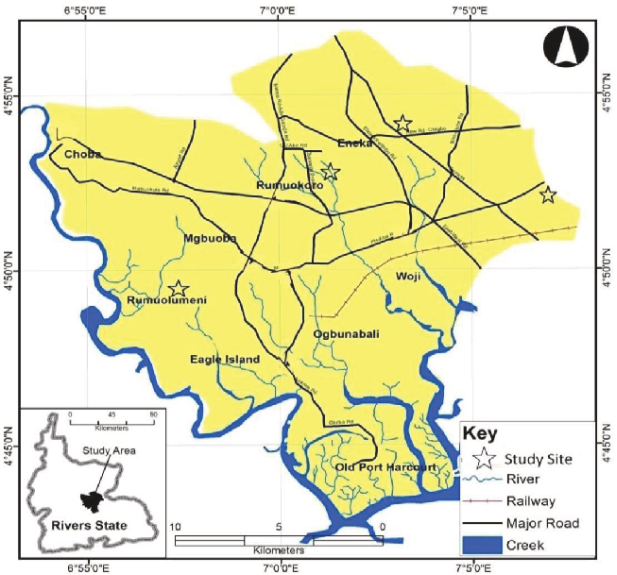
Figure 1. Map of Port Harcourt Metropolis showing study locations.
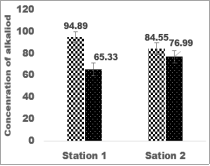
Figure 2. Mean (±SD) Mg/kg Content of Alkaloid Obtained of Foreign and Exotic Apples.
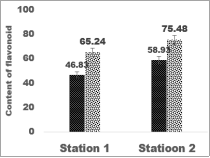
Figure 3. Mean (±SD) Mg/kg Content of Flavonoid Obtained of Foreign and Exotic Apples.
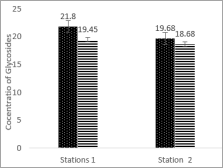
Figure 4. Mean (±SD) Mg/kg Content of Glycoside Obtained of Foreign and Exotic Apples.
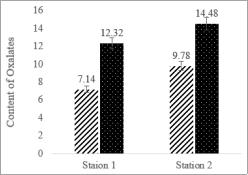
Figure 5. Mean (±SD) Mg/kg Content of Oxalate Obtained of Foreign and Exotic Apples.
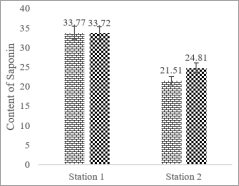
Figure 6. Mean (±SD) Mg/kg Content of Saponins Obtained of Foreign and Exotic Apples.
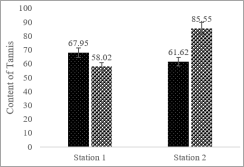
Figure 7. Mean (±SD) Mg/kg Content of Tannins Obtained of Foreign and Exotic Apples.
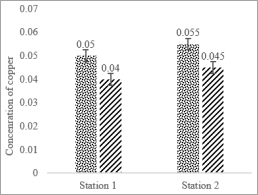
Figure 8. Mean (±SD) Mg/kg Concentration of copper in Foreign and Exotic apples.
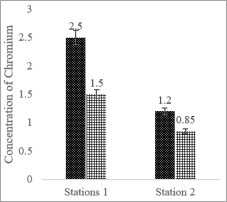
Figure 9. Mean (±SD) Mg/kg Concentration of Chromium in Foreign and Exotic Apples.
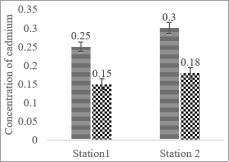
Figure 10. Mean (±SD) Mg/kg Concentration of Cadmium Foreign and Exotic Apples.
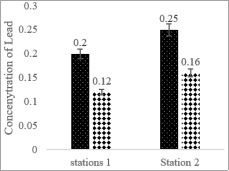
Figure 11. Mean (±SD) Mg/kg Concentration of Lead in Foreign and Exotic Apples.

Information



 Share This Article
 Twitter
 Linked In
 Facebook
 Copy
Copy Download