Abstract
The charge-to-mass ratio (e/m) of the electron is a fundamental physical constant essential for understanding the behavior of charged particles within electromagnetic fields and the development of atomic theory. This study details the experimental determination of the e/m ratio conducted at the Debre Markos University Physics Laboratory using a Helmholtz coil apparatus and a fine beam tube. The experiment's primary objective was to verify the theoretical relationship between an electron's circular trajectory, its accelerating potential, and the applied magnetic field strength. The research employed a dual-variable data acquisition strategy to ensure accuracy and reliability. In the first approach, the accelerating voltage was varied from 100 V to 190 V while maintaining constant coil currents between 2.00A and 2.50A. In the second approach, the coil current was varied between 1.01A and 1.9A while holding the accelerating voltage constant at intervals up to 199.8 V. By measuring the radius (r) of the visible electron beam, the study analyzed the linear relationship between the square of the radius (r2) and the accelerating voltage (V), as well as the inverse square of the current (1/I2). Linear regression analysis of the gathered data yielded high coefficients of determination (R2), ranging from 0.9898 to 0.9978, with an average of approximately 0.993. These values confirm a strong agreement with the theoretical models derived from the Lorentz force and the work-energy theorem. The experimentally determined mean value for the e/m ratio was 1.7488 \times 1011 C/kg. Compared to the internationally accepted value of 1.7588 \times 1011 C/kg, the experiment produced an average percentage error of 2.75%. Minor discrepancies were attributed to systematic and random errors, such as parallax when reading the mirrored scale, the influence of the Earth’s magnetic field, and minor fluctuations in the DC power supply. Despite these limitations, the results demonstrate that the Helmholtz coil method provides a robust and reliable verification of the electron's intrinsic properties. The study concludes that the experimental setup effectively illustrates the principles of classical electromagnetism and particle dynamics.
|
Published in
|
Innovation (Volume 7, Issue 2)
|
|
DOI
|
10.11648/j.innov.20260702.13
|
|
Page(s)
|
38-48 |
|
Creative Commons
|

This is an Open Access article, distributed under the terms of the Creative Commons Attribution 4.0 International License (http://creativecommons.org/licenses/by/4.0/), which permits unrestricted use, distribution and reproduction in any medium or format, provided the original work is properly cited.
|
|
Copyright
|
Copyright © The Author(s), 2026. Published by Science Publishing Group
|
Keywords
Helmholtz Coils, Charge-to-Mass Ratio, Electron, Magnetic Field
1. Introduction
The charge-to-mass ratio (e/m) of the electron is one of the most fundamental physical constants in physics because it provides essential information about the intrinsic properties and behavior of electrons under electromagnetic forces. Determination of this ratio played a significant role in the early development of atomic and particle physics, enabling scientists to understand the structure of matter and the nature of electricity
| [1] | K. Bian et al., “Nanoscale electric-field imaging based on a quantum sensor and its charge-state control under ambient condition,” Nat. Commun., vol. 12, no. 1, p. 2457, Apr. 2021,
https://doi.org/10.1038/s41467-021-22709-9 |
[1]
. Electrons are fundamental constituents of all atoms, and their interaction with electric and magnetic fields forms the basis of many physical theories and technological applications.
The first precise measurement of the electron’s charge-to-mass ratio was carried out by J. J. Thomson in 1897 using cathode ray tubes
. By studying the deflection of electron beams in electric and magnetic fields, Thomson demonstrated that cathode rays consisted of negatively charged particles, later called electrons. This experiment established the electron as a fundamental subatomic particle and marked a major breakthrough in the development of atomic theory
| [2] | J. J. Thomson, “XL. Cathode Rays,” Lond. Edinb. Dublin Philos. Mag. J. Sci., vol. 44, no. 269, pp. 293–316, Oct. 1897, https://doi.org/10.1080/14786449708621070 |
| [3] | I. Falconer, “Corpuscles, Electrons and Cathode Rays: J. J. Thomson and the ‘Discovery of the Electron,’” Br. J. Hist. Sci., vol. 20, no. 3, pp. 241–276, Jul. 1987,
https://doi.org/10.1017/S0007087400023955 |
| [4] | N. Robotti, “J. J. Thomson at the cavendish laboratory: The history of an electric charge measurement,” Ann. Sci., vol. 52, no. 3, pp. 265–284, May 1995,
https://doi.org/10.1080/00033799500200231 |
[2-4]
.
The determination of the e/m ratio is commonly performed by observing the circular motion of electrons in a uniform magnetic field generated by Helmholtz coils. When an electron moves perpendicular to a magnetic field, it experiences the Lorentz force, which acts as the centripetal force responsible for circular motion. The e/m ratio can therefore be determined from the relationship between magnetic force and centripetal force.
When an electron is accelerated through a potential difference V, it gains kinetic energy equal to the electrical work done on it, expressed as:
where m is the electron mass, v is the electron velocity, e is the electron charge, and V is the accelerating potential difference. Rearranging the equation gives the velocity of the electron as:
When the electron enters a magnetic field B perpendicular to its velocity, the magnetic force provides the centripetal force necessary for circular motion. Thus,
where r is the radius of the circular path and B is the magnetic field strength. Combining the above equations gives the expression for the charge-to-mass ratio of the electron:
where r is the radius of the electron’s circular path, B is the magnetic field strength, and V is the accelerating voltage
| [5] | J. Walker, R. Resnick, and D. Halliday, Halliday & Resnick fundamentals of physics, 10th edition. Hoboken, NJ: Wiley, 2014. |
[5]
. This method is based on classical mechanics and electromagnetic theory, making it a widely used experiment in undergraduate physics laboratories, including the physics laboratory of Debre Markos University. Despite its classical nature, the experiment remains important because it demonstrates the laws governing the motion of charged particles and electromagnetic interactions
.
Accurate determination of the e/m ratio requires precise measurement of the accelerating voltage, electron beam radius, and magnetic field strength. Instrumental limitations, magnetic field irregularities, and observational errors may lead to deviations from the accepted theoretical value. Environmental factors such as the Earth’s magnetic field, stray magnetic fields from nearby equipment, and collisions between electrons and residual gas molecules in the vacuum tube may also affect the accuracy of the measurements.
Historically, Thomson’s experiments represented a turning point in the understanding of atomic structure. At the time, atoms were believed to be indivisible, but the discovery of the electron suggested the existence of smaller subatomic particles
| [3] | I. Falconer, “Corpuscles, Electrons and Cathode Rays: J. J. Thomson and the ‘Discovery of the Electron,’” Br. J. Hist. Sci., vol. 20, no. 3, pp. 241–276, Jul. 1987,
https://doi.org/10.1017/S0007087400023955 |
| [4] | N. Robotti, “J. J. Thomson at the cavendish laboratory: The history of an electric charge measurement,” Ann. Sci., vol. 52, no. 3, pp. 265–284, May 1995,
https://doi.org/10.1080/00033799500200231 |
[3, 4]
. Although Thomson could not determine the charge and mass of the electron separately, his determination of the e/m ratio provided the first quantitative evidence for the existence of electrons
.
The determination of the elementary electric charge was later achieved by Robert A. Millikan through the oil-drop experiment conducted in 1909
. By combining Millikan’s measurement of the elementary charge with Thomson’s previously determined e/m ratio, scientists were able to calculate the mass of the electron accurately. Millikan’s experiment also demonstrated that electric charge is quantized, establishing one of the foundations of modern physics
.
Electron motion in magnetic fields must be carefully studied to understand the fundamental principles of electromagnetism and charged particle dynamics. Circular motion occurs when an electron moves perpendicular to a uniform magnetic field and experiences a magnetic force that acts as a centripetal force
| [7] | O. Ciftja and C. L. Bentley, “Circular Motion of a Charged Particle in a Uniform Constant Magnetic Field Revisited,” Phys. Teach., vol. 63, no. 4, pp. 269–273, Apr. 2025,
https://doi.org/10.1119/5.0198137 |
| [8] | R. C. Powell, “Magnetism,” in Physics, in Undergraduate Lecture Notes in Physics., Cham: Springer Nature Switzerland, 2026, pp. 323–350.
https://doi.org/10.1007/978-3-032-09361-5_9 |
[7, 8]
. Investigation of this behavior supports theoretical concepts such as the Lorentz force law and provides a practical method for studying the intrinsic properties of electrons.
The electron’s charge-to-mass ratio is a fundamental constant that underpins modern understanding of electromagnetic interactions and atomic structure
| [4] | N. Robotti, “J. J. Thomson at the cavendish laboratory: The history of an electric charge measurement,” Ann. Sci., vol. 52, no. 3, pp. 265–284, May 1995,
https://doi.org/10.1080/00033799500200231 |
| [6] | R. A. Millikan., “On the Elementary Electrical Charge and the Avogadro Constant,” Phys. Rev., vol. 2, no. 2, pp. 109–143, Aug. 1913, https://doi.org/10.1103/PhysRev.2.109 |
[4, 6]
. Although the accepted theoretical value of the e/m ratio is approximately: 1.76×10
11 C/kg obtaining an accurate experimental value remains challenging because of instrumental sensitivity and experimental uncertainties. Consequently, experimental determination of the e/m ratio serves as an important verification of both theoretical principles and laboratory techniques.
Several factors influence the accuracy of e/m measurements in the physics laboratory of Debre Markos University. Instrumental limitations, including fluctuations in accelerating voltage and irregularities in the magnetic field generated by Helmholtz coils, can introduce systematic errors. Measurement uncertainties such as parallax and human observation errors also affect precision when determining the electron beam radius. Furthermore, external magnetic fields and collisions between electrons and residual gas molecules inside the vacuum tube may contribute to deviations from the accepted value. Unless these factors are carefully analyzed and minimized, experimental results may differ significantly from the theoretical standard. Therefore, this study aims to investigate the extent to which experimental limitations affect the determination of the electron’s e/m ratio and to evaluate the reliability of the available laboratory setup in producing accurate results.
The charge-to-mass ratio of the electron has continued to play a central role in the development of modern physics
| [9] | X. Niu, L. Wang, Y. Tu, and Y. Tian, “Teaching Research on the Experimental Methods of Calculating the Charge-to-Mass Ratio of Electron,” in Proceedings of the 2019 International Conference on Advanced Education Research and Modern Teaching (AERMT 2019), Jinan, China: Atlantis Press, 2019. https://doi.org/10.2991/aermt-19.2019.64 |
| [10] | W. R. F. Silva, E. Von Rückert, and J. B. S. Mendes, “Determining the charge-to-mass ratio of the electron using old TVs: A low-cost approach,” Am. J. Phys., vol. 93, no. 7, pp. 574–580, Jul. 2025, https://doi.org/10.1119/5.0242164 |
[9, 10]
. It provides critical insights into subatomic particle behavior, electromagnetic theory, and quantum mechanics. Following Thomson’s discovery, researchers sought to improve the precision of e/m measurements using more advanced experimental techniques. One important advancement was the oil-drop experiment of Millikan, which enabled direct determination of the elementary charge
.
Modern laboratory experiments continue to replicate Thomson’s work using improved apparatuses such as glass electron tubes, calibrated Helmholtz coils, and digital measurement systems. Universities including the Massachusetts Institute of Technology and the University of Toronto provide laboratory methodologies that enable students to determine the e/m ratio with relatively small uncertainties. These experiments commonly produce results within a few percent of the accepted theoretical value.
The Bainbridge method, developed in the 1930s, introduced a more accurate approach to e/m measurement by incorporating a Wien velocity selector followed by a magnetic deflection region
| [11] | N. P. Gray, T. K. Rutledge, L. Parrott, C. A. Barns, and K. B. Aptowicz, “The e/m experiment: Student exploration into systematic uncertainty,” Am. J. Phys., vol. 92, no. 7, pp. 538–544, Jul. 2024, https://doi.org/10.1119/5.0190546 |
[11]
. This arrangement enabled precise determination of particle velocity before measuring the radius of curvature, thereby reducing uncertainties associated with velocity estimation. Educational laboratories later adapted this method for undergraduate instruction, further validating Thomson’s findings with improved accuracy
| [12] | R. S. Mulliken, “The Interpretation of Band Spectra Part III. Electron Quantum Numbers and States of Molecules and Their Atoms,” Rev. Mod. Phys., vol. 4, no. 1, pp. 1–86, Jan. 1932,
https://doi.org/10.1103/RevModPhys.4.1 |
[12]
.
In the late twentieth and early twenty-first centuries, highly precise measurements of the e/m ratio were achieved using Penning trap techniques. Researchers such as Hans Dehmelt and Gerald Gabrielse confined individual electrons within highly uniform magnetic fields and measured their cyclotron frequencies with exceptional precision
| [13] | H. G. Dehmelt, “Radiofrequency Spectroscopy of Stored Ions I: Storage,” in Advances in Atomic and Molecular Physics, vol. 3, Elsevier, 1968, pp. 53–72.
https://doi.org/10.1016/S0065-2199(08)60170-0 |
| [14] | R. S. Van Dyck, P. B. Schwinberg, and H. G. Dehmelt, “Precise Measurements of Axial, Magnetron, Cyclotron, and Spin-Cyclotron-Beat Frequencies on an Isolated 1-meV Electron,” Phys. Rev. Lett., vol. 38, no. 7, pp. 310–314, Feb. 1977,
https://doi.org/10.1103/PhysRevLett.38.310 |
[13, 14]
. More recent studies refined these methods and achieved uncertainties below one part per billion
| [15] | G. Gabrielse, D. Hanneke, T. Kinoshita, M. Nio, and B. Odom, “New Determination of the Fine Structure Constant from the Electron g Value and QED,” Phys. Rev. Lett., vol. 97, no. 3, p. 030802, Jul. 2006,
https://doi.org/10.1103/PhysRevLett.97.030802 |
| [16] | S. Sturm et al., “High-precision measurement of the atomic mass of the electron,” Nature, vol. 506, no. 7489, pp. 467–470, Feb. 2014,
https://doi.org/10.1038/nature13026 |
[15, 16]
. These experiments remain essential for determining fundamental physical constants and testing predictions of quantum electrodynamics (QED).
Modern reviews emphasize both the historical significance and educational importance of e/m determination experiments
| [17] | D. Hanneke, S. Fogwell Hoogerheide, and G. Gabrielse, “Cavity control of a single-electron quantum cyclotron: Measuring the electron magnetic moment,” Phys. Rev. A, vol. 83, no. 5, p. 052122, May 2011,
https://doi.org/10.1103/PhysRevA.83.052122 |
[17]
. The transition from simple cathode-ray deflection experiments to advanced quantum trapping methods illustrates the continuity between classical laboratory education and modern precision research. Furthermore, understanding the e/m ratio remains essential in fields such as plasma physics, particle physics, electromagnetism, and mass spectrometry
| [5] | J. Walker, R. Resnick, and D. Halliday, Halliday & Resnick fundamentals of physics, 10th edition. Hoboken, NJ: Wiley, 2014. |
[5]
. Accurate determination of the e/m ratio also contributes to the refinement of the International System of Units (SI) and the verification of theoretical predictions in quantum electrodynamics
| [18] | A. Koberinski and C. Smeenk, “Q.E.D., QED,” Stud. Hist. Philos. Sci. Part B Stud. Hist. Philos. Mod. Phys., vol. 71, pp. 1–13, Aug. 2020, https://doi.org/10.1016/j.shpsb.2020.03.003 |
| [19] | A. Salam, “The Unified Theory of Resonance Energy Transfer According to Molecular Quantum Electrodynamics,” Atoms, vol. 6, no. 4, p. 56, Oct. 2018,
https://doi.org/10.3390/atoms6040056 |
[18, 19]
.
2. Methodology
The methodology of this study is built upon a systematic, experimental quantitative research design aimed at determining the charge-to-mass ratio (e/m) of the electron. It integrates fundamental principles of electromagnetism specifically the Lorentz Force Law, the Work-Energy Theorem, and the Biot-Savart Law to analyze the circular motion of electrons within a uniform magnetic field. By utilizing a specialized Pasco Scientific SE-9629 apparatus, the study employs a dual-variable data acquisition strategy, observing variations in the electron beam's radius under both constant voltage and constant current conditions. This approach is reinforced by rigorous error-mitigation protocols, including accounting for the Earth's magnetic field via the IGRF model, stabilizing thermionic emission through controlled heating, and eliminating parallax errors with a mirrored scale to ensure high precision and reliability.
2.1. Research Design
An experimental quantitative research design was employed in this study. It is classified as experimental because the physical parameters, specifically voltage and current, were intentionally varied to observe changes in the electron trajectory. The study is quantitative because it relies on numerical measurements and statistical analysis to determine the fundamental physical constant of the electron charge-to-mass ratio.
2.2. Scientific Principles/Theoretical Background
The experiment is based on fundamental electromagnetic and mechanical principles including the Work–Energy Theorem, Lorentz Force Law, and Biot–Savart Law
| [20] | C. Herring and M. H. Nichols, “Thermionic Emission,” Rev. Mod. Phys., vol. 21, no. 2, pp. 185–270, Apr. 1949,
https://doi.org/10.1103/RevModPhys.21.185 |
| [21] | W. B. Nottingham, “Thermionic Emission,” in Electron-Emission Gas Discharges I / Elektronen-Emission Gasentladungen I, vol. 4 / 21, in Encyclopedia of Physics / Handbuch der Physik, vol. 4 / 21., Berlin, Heidelberg: Springer Berlin Heidelberg, 1956, pp. 1–175.
https://doi.org/10.1007/978-3-642-45844-6_1 |
[20, 21]
.
According to the Work–Energy Theorem, electrons accelerated through a potential difference V gain kinetic energy equal to the electrical work done on them:
The Lorentz Force Law states that a charged particle moving perpendicular to a magnetic field experiences a magnetic force:
The magnetic force acts as the centripetal force required for circular motion:
where r is the radius of the circular electron path. By equating the magnetic force and centripetal force, a relationship for determining the electron e/m is obtained
.
The magnetic field is generated using Helmholtz coils. According to the Biot–Savart Law, the magnetic field strength at the center of the coils is:
where
is the permeability of free space, N is the number of turns, I is the current through the coils, and (R) is the coil radius
| [23] | J. H. Parry, “Helmholtz Coils and Coil Design,” in Developments in Solid Earth Geophysics, vol. 3, Elsevier, 2013, pp. 551–567.
https://doi.org/10.1016/B978-1-4832-2894-5.50092-6 |
| [24] | D. Romero-Abad, J.-P. Reyes-Portales, J.-L. La Rosa-Navarro, and R. Suárez-Córdova, “Elliptic Helmholtz coil,” Rev. Bras. Ensino Física, 2022,
https://doi.org/10.1590/1806-9126-rbef-2022-0115 |
[23, 24]
.
The working equation used to calculate the charge-to-mass ratio is:
2.3. Apparatus and Experimental Setup
2.3.1. Apparatus
The experiment was conducted using the PASCO Scientific SE-9629 e/m apparatus available in the Physics Laboratory of Debre Markos University. The apparatus included:
1) Electron beam tube (e/m tube)
2) Pair of Helmholtz coils with 130 turns and radius of 16 cm
3) Mirrored scale
4) Tunable DC constant current power supply
5) Tunable DC constant voltage power supply
6) Connecting wires
7) Ammeter and voltmeter
2.3.2. Experimental Setup
The e/m tube was mounted horizontally between the Helmholtz coils. The accelerating voltage supply was connected to the electron gun electrodes, while the coil current supply was connected to the Helmholtz coils. The setup enabled electrons to travel in a circular path under the influence of the magnetic field.
2.4. Experimental Procedure
The following procedures were followed during the experiment:
1) The positive terminal of the 200 V DC output was connected to the accelerating voltage positive terminal.
2) The negative terminal of the DC output was connected to the accelerating voltage negative terminal.
3) The filament terminals were connected to the AC 6.3 V output.
4) The Helmholtz coils were connected in series with the DC current supply.
5) The e/m tube was mounted horizontally at the center of the coils.
6) The apparatus was switched on and allowed to stabilize.
7) Accelerating voltage between 100 V and 200 V was applied.
8) Coil current was adjusted until a clear circular electron beam appeared.
9) The radius of the electron beam path was measured using the mirrored scale.
10) The accelerating voltage (V), coil current (I), and radius (r) were recorded.
11) The experiment was repeated for different voltage and current values.
2.5. Data Acquisition Strategy
A dual-variable data collection method was employed.
2.5.1. Constant Voltage Method
The accelerating voltage was maintained between 100V and 199.8V while the current varied from 1.0A to 2.9A. The radius of the electron path was recorded for each current value.
2.5.2. Constant Current Method
The coil current was fixed between 2.0A and 2.5A while the accelerating voltage was varied between 100V and 190V. The radius of the electron beam path was measured for each voltage.
2.6. Error Mitigation and Control
Several precautions were taken to minimize errors during the experiment.
Step 1: Environmental Stabilization
The effect of Earth’s magnetic field was considered because it can introduce systematic errors
| [25] | J. Zhang, “The Calculating Formulae, and Experimental Methods in Error Propagation Analysis,” IEEE Trans. Reliab., vol. 55, no. 2, pp. 169–181, Jun. 2006,
https://doi.org/10.1109/TR.2006.874920 |
[25]
. The geomagnetic field at the location of Debre Markos University was estimated using the International Geomagnetic Reference Field (IGRF) model
| [26] | International Association of Geomagnetism and Aeronomy, Working Group V-MOD. Participating members et al., “International Geomagnetic Reference Field: the eleventh generation: IGRF-11,” Geophys. J. Int., vol. 183, no. 3, pp. 1216–1230, Dec. 2010, https://doi.org/10.1111/j.1365-246X.2010.04804.x |
[26]
.
The magnetic scalar potential was calculated using:
The magnetic field vector was obtained from:
The experimental setup was aligned so that the electron beam plane remained perpendicular to the Earth’s magnetic field
| [27] | A. L. Oberg and D. W. Mahoney, “Linear Mixed Effects Models,” in Topics in Biostatistics, vol. 404, W. T. Ambrosius, Ed., in Methods in Molecular BiologyTM, vol. 404., Totowa, NJ: Humana Press, 2007, pp. 213–234.
https://doi.org/10.1007/978-1-59745-530-5_11 |
[27]
.
Step 2: Thermionic Emission and Ionization
The filament was heated for approximately two minutes before measurements to achieve stable thermionic emission. The helium gas inside the tube emitted a visible glow when excited by electron collisions, allowing the beam path to be observed clearly
| [28] | G. L. Glish and R. W. Vachet, “The basics of mass spectrometry in the twenty-first century,” Nat. Rev. Drug Discov., vol. 2, no. 2, pp. 140–150, Feb. 2003, https://doi.org/10.1038/nrd1011 |
[28]
.
Step 3: Radius Measurement
A mirrored scale was used to reduce parallax error during radius measurement. The observer aligned the electron beam with its reflection before recording measurements
| [29] | J. Cohen, J. M. Vanderplas, and W. J. White, “Effect of viewing angle and parallax upon accuracy of reading quantitative scales.,” J. Appl. Psychol., vol. 37, no. 6, pp. 482–488, Dec. 1953, https://doi.org/10.1037/h0058697 |
| [30] | S. Filipović, N. Lior, and M. Radovanović, “The green deal – just transition and sustainable development goals Nexus,” Renew. Sustain. Energy Rev., vol. 168, p. 112759, Oct. 2022,
https://doi.org/10.1016/j.rser.2022.112759 |
[29, 30]
.
2.7. Observation of Electron Path
When the electron gun was activated, electrons emitted from the heated cathode traveled through the low-pressure gas inside the tube, producing a visible glow. Without a magnetic field, the electrons moved in a straight line. When current passed through the Helmholtz coils, a perpendicular magnetic field was generated, causing the electron beam to follow a circular trajectory due to the Lorentz force. Increasing the magnetic field reduced the radius of curvature, while decreasing the field increased the radius.
2.8. Repetition for Different Conditions
To improve reliability and accuracy, the experiment was repeated under different voltage and current conditions. For each trial:
1) The electron beam was stabilized.
2) The circular path radius was measured.
3) Accelerating voltage, coil current, and radius were recorded.
4) Measurements were repeated three times and averaged.
2.9. Data Recording
The following quantities were recorded systematically:
1) Accelerating voltage (V)
2) Coil current (I)
3) Radius of electron path (r)
4) Magnetic field strength (B)
5) Calculated e/m ratio
The charge-to-mass ratio was calculated using:
Where
R=0.158m,N=130,and.
The calculated values were compared with the accepted value:
2.10. Data Analysis
Data analysis involved calculating the electron charge-to-mass ratio using the measured values of voltage, current, and radius. The magnetic field strength produced by the Helmholtz coils was calculated using:
The Lorentz force equation was equated to centripetal force:
The experimental values of e/m were calculated for all trials and averaged to minimize random errors. Linear regression analysis was also performed by plotting
against
to verify the expected linear relationship
| [26] | International Association of Geomagnetism and Aeronomy, Working Group V-MOD. Participating members et al., “International Geomagnetic Reference Field: the eleventh generation: IGRF-11,” Geophys. J. Int., vol. 183, no. 3, pp. 1216–1230, Dec. 2010, https://doi.org/10.1111/j.1365-246X.2010.04804.x |
| [31] | S. H. Ferris, “Motion parallax and absolute distance.,” J. Exp. Psychol., vol. 95, no. 2, pp. 258–263, 1972,
https://doi.org/10.1037/h0033605 |
| [32] | W. F. Brown, “Electric and Magnetic Forces: A Direct Calculation. I,” Am. J. Phys., vol. 19, no. 5, pp. 290–304, May 1951, https://doi.org/10.1119/1.1932805 |
[26, 31, 32]
.
The percentage error was calculated using:
%
where the accepted value of the electron charge-to-mass ratio is .
3. Results and Discussion
Determining the electron's e/m ratio is a basic experiment that shows how charged particles move in electric and magnetic fields. In this experiment, electrons released from a heated cathode enter uniform magnetic field created by Helmholtz coils after being accelerated by an applied potential difference. The moving electrons follow a circular path due to the magnetic force acting on them. To assess the accuracy of the experimental results, the electron's 𝑒/𝑚 can be computed and compared with the recognized theoretical value by measuring the accelerating voltage, magnetic field strength, and electron beam radius.
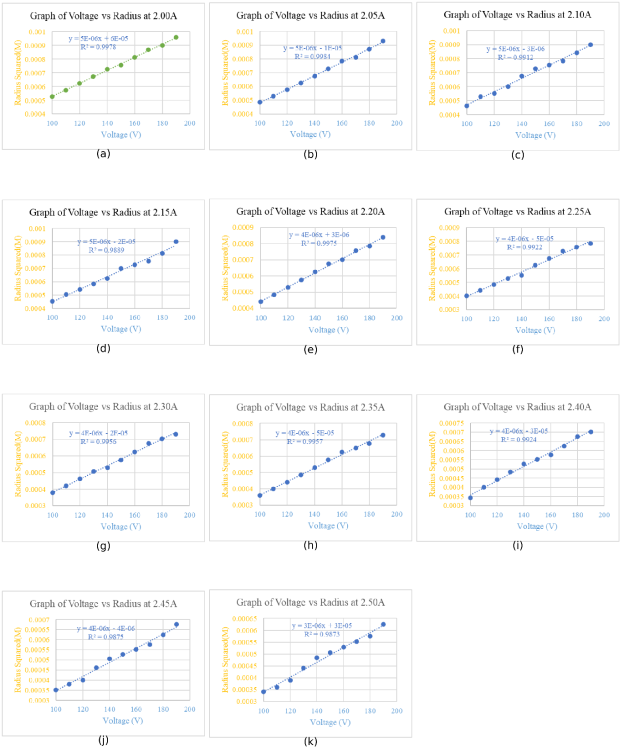
Figure 1. The Plot for constant current with varying voltage data.
The plots show that for a constant current, the radius increases linearly with increasing voltage, with a nearly identical slope across the different current values, indicating a stable proportional relationship between radius and voltage under steady current conditions. The relationship between the accelerating voltage V and the square of the electron beam radius r2 was systematically investigated over a range of coil currents from 2.00A to 2.50A. For each fixed current, the accelerating voltage was varied between 100V and 190V, and corresponding graphs of r2 versus V were plotted. In every case, the data produced a clear linear trend, demonstrating that r2 increases proportionally with V. This observation is in strong agreement with the theoretical expression , which predict that when the magnetic field B remains constant, the square of the radius of the electron’s circular path is directly proportional to the accelerating voltage. The consistency of this linear relationship across all current values provides strong experimental support for the theoretical model describing electron motion in a uniform magnetic field.
Further analysis using linear regression showed that the data fits were highly accurate, with coefficients of determination (R2) ranging from 0.987 to 0.998. These values, being very close to unity, indicate an excellent correlation between r2 and V, confirming both the reliability of the measurements and the stability of the experimental setup. A clear pattern was also observed in the slopes of the graphs: for lower currents (2.00A to 2.15A), the slopes were approximately 5×10⁻⁶, for intermediate currents (2.20A to 2.45A) they were around 4×10⁻⁶, and for the highest current (2.50 A) the slope decreased further to approximately 3×10⁻⁶. This systematic decrease in slope with increasing current is consistent with the theoretical relationship . Since the magnetic field strength produced by the Helmholtz coils is directly proportional to the current (), increasing the current increases the magnetic field, which in turn reduces the radius of the electron’s path for a given voltage.
Although the overall agreement between theory and experiment is very strong, the fitted lines do not pass exactly through the origin and instead show small positive or negative intercepts. Ideally, when the accelerating voltage is zero, the radius should also be zero, so the graph should intersect at the origin. The observed deviations are minor and can be attributed to typical experimental uncertainties. These include slight inaccuracies in measuring the radius of the electron beam, parallax errors reading the scale, small fluctuations in the accelerating voltage supply, and minor non-uniformities in the magnetic field within the Helmholtz coil arrangement. Despite these small discrepancies, the intercepts remain close to zero and do not significantly affect the validity of the results. Overall, the experiment provides strong confirmation of the theoretical predictions, demonstrating both the linear dependence of r2 on V and the expected influence of magnetic field strength on the motion of electrons.
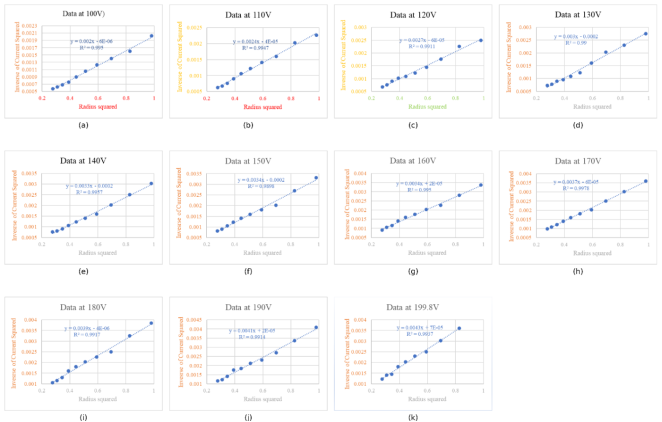
Figure 2. The Plot shows the Constant Voltage with Varying Current data.
The experiment investigated the relationship between the square of the electron beam radius () and the inverse square of the coil current () at accelerating voltages ranging from 100 V to 199.8V using a Helmholtz coil apparatus. According to electromagnetic theory, electrons moving in a uniform magnetic field follow the relationship: ; where k is a constant determined by the coil geometry, V is the accelerating voltage, and e/mis the charge-to-mass ratio of the electron.
For all accelerating voltages, the plots of versus showed strong linear relationships with coefficients of determination () greater than 0.99, indicating excellent agreement between experimental data and theoretical predictions. At 100V, the best-fit equation was with R2=0.995, while at higher voltages the slopes increased gradually, reaching approximately 0.0043 at 199.8V. This trend reflects the increase in electron kinetic energy with accelerating voltage, requiring stronger magnetic fields to maintain circular motion.
The y-intercepts of all fitted lines were very close to zero, suggesting minimal systematic errors and good experimental accuracy. The high linearity confirms that the magnetic field generated by the Helmholtz coils is proportional to the coil current and that the electron motion obeys the classical balance between magnetic and centripetal forces. Overall, the results validate the theoretical prediction that r2∝1/I2 and provide a reliable basis for determining the electron charge-to-mass ratio (e/m).
3.1. Discussion
The experiment to determine the e/m was performed using two complementary approaches. In the first method, the accelerating voltage was kept constant while the coil current was varied, whereas in the second method the coil current was held constant while the accelerating voltage was varied. Both approaches allow the relationship between the radius of the electron beam and the experimental parameters to be investigated and compared with theoretical predictions.
3.2. Constant Current and Varying Voltage
In the second set of measurements, the coil current was kept constant so that the magnetic field remained constant. The accelerating voltage was then varied to change the kinetic energy and velocity of the electrons. According to the theoretical expression the square of the radius should be directly proportional to the accelerating voltage when the magnetic field is constant.
The experimental plots of r2 versus V for currents ranging from 2.00A to 2.50A displayed strong linear relationships with coefficients of determination (R2) close to unity. These results confirm that increasing the accelerating voltage increases the electron velocity, which in turn increases the radius of the circular trajectory when the magnetic field remains unchanged.
3.3. Constant Voltage and Varying Current
When the accelerating voltage is kept constant, the speed of the electrons remains fixed because the kinetic energy of the electrons depends on the accelerating potential. In this situation, the radius of the electron’s circular path depends primarily on the magnetic field produced by the Helmholtz coils. Since the magnetic field is proportional to the coil current (B∝I), the theoretical relationship becomes . Thus, plots such as radius versus inverse current or radius squared versus inverse current squared should produce linear relationships. The experimental constant-voltage plots showed this expected behavior, demonstrating that increasing the coil current strengthens the magnetic field and consequently reduces the radius of the electron trajectory. This confirms the role of the magnetic field in controlling the curvature of the electron path.
3.4. Comparison of the Two Methods
The experimental investigation of the electron charge-to-mass ratio (e/m) using both constant-voltage and constant-current methods demonstrated strong agreement with theoretical predictions. In the constant-voltage approach, the electron velocity remained fixed while the magnetic field varied, illustrating the dependence of electron trajectory curvature on magnetic force. Conversely, the constant-current method maintained a constant magnetic field while varying electron velocity, confirming the influence of kinetic energy on the radius of motion. Both methods produced highly linear relationships, validating the theoretical model and confirming the proportional relationship between magnetic field strength and current (B∝I).
The measured e/m values ranged from 1.6551×10¹¹ to 1.8402×10¹¹C/kg, with an overall mean value of 1.7488×10¹¹ C/kg, closely matching the accepted value of 1.76×10¹¹ C/kg. The results showed no systematic dependence on accelerating voltage, confirming that e/me/me/m is independent of voltage as predicted by theory. Percentage errors ranged from 0.94% to 5.96%, with an average error of approximately 2.75%. The smallest errors occurred at moderate voltages (120–150V), while larger deviations at higher voltages were likely caused by beam instability, heating effects, and measurement limitations.
The coefficient of determination (R2) values remained consistently high, ranging from 0.9898 to 0.9978, with an average of approximately 0.993, indicating excellent linearity and strong agreement between experimental data and theoretical expectations. Additionally, the slope values increased systematically with voltage, reflecting the increased electron kinetic energy and corresponding system response. Overall, the experiment demonstrated high precision, reliability, and reproducibility, providing strong validation of the theoretical relationship governing electron motion and the determination of the electron charge-to-mass ratio.
4. Conclusion
The experiment successfully determined the electron charge-to-mass ratio (e/m) using the Helmholtz coil method and verified the theoretical relationship between the electron beam radius and the magnetic field strength. The results showed that the square of the beam radius (r2) is directly proportional to the inverse square of the current (1/I2) at constant accelerating voltage, as predicted by theory. Linear plots obtained from the experimental data strongly supported this relationship.
Regression analysis produced high coefficients of determination, with R2 ≈ 0.995 for the 100V dataset and R2 ≈ 0.9917 for the 180V dataset, indicating excellent agreement between experimental observations and the theoretical model derived from the Lorentz force and energy conservation principles. The experimentally obtained e/me/me/m values were close to the accepted value of 1.76×10¹¹C/kg, with only minor deviations attributed to measurement uncertainties, instrumental limitations, and small magnetic field variations.
Overall, the Helmholtz coil apparatus proved to be an effective and reliable method for determining the electron charge-to-mass ratio. The experiment confirmed the theoretical behavior of charged particles in magnetic fields and emphasized the importance of precision and accuracy in experimental physics.
Recommendation
Although the experimental results showed good agreement with theoretical predictions, several improvements could further enhance the accuracy and reliability of the measurements.
First, the precision of the beam radius measurement can be improved by using a higher-resolution scale or a digital imaging system to determine the electron beam diameter more accurately. This would reduce observational and parallax errors during measurement.
Second, maintaining a highly stable power supply for the Helmholtz coils is essential to minimize fluctuations in the magnetic field. Any small variation in the current can significantly affect the calculated magnetic field strength and consequently influence the calculated e/m value.
Third, the uniformity of the magnetic field could be improved by carefully aligning the Helmholtz coils and ensuring that the electron beam passes through the central region where the magnetic field is most uniform.
Fourth, repeating measurements multiple times and averaging the results would reduce random experimental errors and improve the reliability of the obtained data.
Finally, the use of automated data acquisition systems and digital current meters with higher precision would significantly reduce instrumental uncertainties and improve the overall accuracy of the experiment. Implementing these improvements would lead to more precise experimental verification of the electron charge-to-mass ratio and further strengthen the agreement between theoretical predictions and experimental observations.
Abbreviations
e/m | Electron-to-charge Mass Ratio |
IAGA | International Association of Geomagnetism and Aeronomy |
IGRF | International Geomagnetic Reference Field |
MAE | Mean Absolute Error |
MRI | Magnetic Resonance Imaging |
Acknowledgments
The authors would like to acknowledge Physics department for providing academic and laboratory support for this research work.
Author Contributions
Shambel Gizachew Admassie: Conceptualization, Resources, Investigation, Project administration, Validation, Supervision, Writing – original draft, Writing – review & editing
Agumassie Ayenew Addis: Data curation, Methodology, Writing – review & editing, Supervision
Data Availability Statement
The datasets generated and/or analyzed during the current experimental study are available from the corresponding author upon reasonable request. All relevant data supporting the findings of this research are maintained in accordance with institutional and journal research data policies.
Conflicts of Interest
The authors declare that there are no known competing financial interests, personal relationships, or institutional affiliations that could have appeared to influence the work reported in this study.
References
| [1] |
K. Bian et al., “Nanoscale electric-field imaging based on a quantum sensor and its charge-state control under ambient condition,” Nat. Commun., vol. 12, no. 1, p. 2457, Apr. 2021,
https://doi.org/10.1038/s41467-021-22709-9
|
| [2] |
J. J. Thomson, “XL. Cathode Rays,” Lond. Edinb. Dublin Philos. Mag. J. Sci., vol. 44, no. 269, pp. 293–316, Oct. 1897,
https://doi.org/10.1080/14786449708621070
|
| [3] |
I. Falconer, “Corpuscles, Electrons and Cathode Rays: J. J. Thomson and the ‘Discovery of the Electron,’” Br. J. Hist. Sci., vol. 20, no. 3, pp. 241–276, Jul. 1987,
https://doi.org/10.1017/S0007087400023955
|
| [4] |
N. Robotti, “J. J. Thomson at the cavendish laboratory: The history of an electric charge measurement,” Ann. Sci., vol. 52, no. 3, pp. 265–284, May 1995,
https://doi.org/10.1080/00033799500200231
|
| [5] |
J. Walker, R. Resnick, and D. Halliday, Halliday & Resnick fundamentals of physics, 10th edition. Hoboken, NJ: Wiley, 2014.
|
| [6] |
R. A. Millikan., “On the Elementary Electrical Charge and the Avogadro Constant,” Phys. Rev., vol. 2, no. 2, pp. 109–143, Aug. 1913,
https://doi.org/10.1103/PhysRev.2.109
|
| [7] |
O. Ciftja and C. L. Bentley, “Circular Motion of a Charged Particle in a Uniform Constant Magnetic Field Revisited,” Phys. Teach., vol. 63, no. 4, pp. 269–273, Apr. 2025,
https://doi.org/10.1119/5.0198137
|
| [8] |
R. C. Powell, “Magnetism,” in Physics, in Undergraduate Lecture Notes in Physics., Cham: Springer Nature Switzerland, 2026, pp. 323–350.
https://doi.org/10.1007/978-3-032-09361-5_9
|
| [9] |
X. Niu, L. Wang, Y. Tu, and Y. Tian, “Teaching Research on the Experimental Methods of Calculating the Charge-to-Mass Ratio of Electron,” in Proceedings of the 2019 International Conference on Advanced Education Research and Modern Teaching (AERMT 2019), Jinan, China: Atlantis Press, 2019.
https://doi.org/10.2991/aermt-19.2019.64
|
| [10] |
W. R. F. Silva, E. Von Rückert, and J. B. S. Mendes, “Determining the charge-to-mass ratio of the electron using old TVs: A low-cost approach,” Am. J. Phys., vol. 93, no. 7, pp. 574–580, Jul. 2025,
https://doi.org/10.1119/5.0242164
|
| [11] |
N. P. Gray, T. K. Rutledge, L. Parrott, C. A. Barns, and K. B. Aptowicz, “The e/m experiment: Student exploration into systematic uncertainty,” Am. J. Phys., vol. 92, no. 7, pp. 538–544, Jul. 2024,
https://doi.org/10.1119/5.0190546
|
| [12] |
R. S. Mulliken, “The Interpretation of Band Spectra Part III. Electron Quantum Numbers and States of Molecules and Their Atoms,” Rev. Mod. Phys., vol. 4, no. 1, pp. 1–86, Jan. 1932,
https://doi.org/10.1103/RevModPhys.4.1
|
| [13] |
H. G. Dehmelt, “Radiofrequency Spectroscopy of Stored Ions I: Storage,” in Advances in Atomic and Molecular Physics, vol. 3, Elsevier, 1968, pp. 53–72.
https://doi.org/10.1016/S0065-2199(08)60170-0
|
| [14] |
R. S. Van Dyck, P. B. Schwinberg, and H. G. Dehmelt, “Precise Measurements of Axial, Magnetron, Cyclotron, and Spin-Cyclotron-Beat Frequencies on an Isolated 1-meV Electron,” Phys. Rev. Lett., vol. 38, no. 7, pp. 310–314, Feb. 1977,
https://doi.org/10.1103/PhysRevLett.38.310
|
| [15] |
G. Gabrielse, D. Hanneke, T. Kinoshita, M. Nio, and B. Odom, “New Determination of the Fine Structure Constant from the Electron g Value and QED,” Phys. Rev. Lett., vol. 97, no. 3, p. 030802, Jul. 2006,
https://doi.org/10.1103/PhysRevLett.97.030802
|
| [16] |
S. Sturm et al., “High-precision measurement of the atomic mass of the electron,” Nature, vol. 506, no. 7489, pp. 467–470, Feb. 2014,
https://doi.org/10.1038/nature13026
|
| [17] |
D. Hanneke, S. Fogwell Hoogerheide, and G. Gabrielse, “Cavity control of a single-electron quantum cyclotron: Measuring the electron magnetic moment,” Phys. Rev. A, vol. 83, no. 5, p. 052122, May 2011,
https://doi.org/10.1103/PhysRevA.83.052122
|
| [18] |
A. Koberinski and C. Smeenk, “Q.E.D., QED,” Stud. Hist. Philos. Sci. Part B Stud. Hist. Philos. Mod. Phys., vol. 71, pp. 1–13, Aug. 2020,
https://doi.org/10.1016/j.shpsb.2020.03.003
|
| [19] |
A. Salam, “The Unified Theory of Resonance Energy Transfer According to Molecular Quantum Electrodynamics,” Atoms, vol. 6, no. 4, p. 56, Oct. 2018,
https://doi.org/10.3390/atoms6040056
|
| [20] |
C. Herring and M. H. Nichols, “Thermionic Emission,” Rev. Mod. Phys., vol. 21, no. 2, pp. 185–270, Apr. 1949,
https://doi.org/10.1103/RevModPhys.21.185
|
| [21] |
W. B. Nottingham, “Thermionic Emission,” in Electron-Emission Gas Discharges I / Elektronen-Emission Gasentladungen I, vol. 4 / 21, in Encyclopedia of Physics / Handbuch der Physik, vol. 4 / 21., Berlin, Heidelberg: Springer Berlin Heidelberg, 1956, pp. 1–175.
https://doi.org/10.1007/978-3-642-45844-6_1
|
| [22] |
M. Blagojević and P. Senjanović, “The quantum field theory of electric and magnetic charge,” Phys. Rep., vol. 157, no. 4–5, pp. 233–346, Jan. 1988,
https://doi.org/10.1016/0370-1573(88)90098-1
|
| [23] |
J. H. Parry, “Helmholtz Coils and Coil Design,” in Developments in Solid Earth Geophysics, vol. 3, Elsevier, 2013, pp. 551–567.
https://doi.org/10.1016/B978-1-4832-2894-5.50092-6
|
| [24] |
D. Romero-Abad, J.-P. Reyes-Portales, J.-L. La Rosa-Navarro, and R. Suárez-Córdova, “Elliptic Helmholtz coil,” Rev. Bras. Ensino Física, 2022,
https://doi.org/10.1590/1806-9126-rbef-2022-0115
|
| [25] |
J. Zhang, “The Calculating Formulae, and Experimental Methods in Error Propagation Analysis,” IEEE Trans. Reliab., vol. 55, no. 2, pp. 169–181, Jun. 2006,
https://doi.org/10.1109/TR.2006.874920
|
| [26] |
International Association of Geomagnetism and Aeronomy, Working Group V-MOD. Participating members et al., “International Geomagnetic Reference Field: the eleventh generation: IGRF-11,” Geophys. J. Int., vol. 183, no. 3, pp. 1216–1230, Dec. 2010,
https://doi.org/10.1111/j.1365-246X.2010.04804.x
|
| [27] |
A. L. Oberg and D. W. Mahoney, “Linear Mixed Effects Models,” in Topics in Biostatistics, vol. 404, W. T. Ambrosius, Ed., in Methods in Molecular BiologyTM, vol. 404., Totowa, NJ: Humana Press, 2007, pp. 213–234.
https://doi.org/10.1007/978-1-59745-530-5_11
|
| [28] |
G. L. Glish and R. W. Vachet, “The basics of mass spectrometry in the twenty-first century,” Nat. Rev. Drug Discov., vol. 2, no. 2, pp. 140–150, Feb. 2003,
https://doi.org/10.1038/nrd1011
|
| [29] |
J. Cohen, J. M. Vanderplas, and W. J. White, “Effect of viewing angle and parallax upon accuracy of reading quantitative scales.,” J. Appl. Psychol., vol. 37, no. 6, pp. 482–488, Dec. 1953,
https://doi.org/10.1037/h0058697
|
| [30] |
S. Filipović, N. Lior, and M. Radovanović, “The green deal – just transition and sustainable development goals Nexus,” Renew. Sustain. Energy Rev., vol. 168, p. 112759, Oct. 2022,
https://doi.org/10.1016/j.rser.2022.112759
|
| [31] |
S. H. Ferris, “Motion parallax and absolute distance.,” J. Exp. Psychol., vol. 95, no. 2, pp. 258–263, 1972,
https://doi.org/10.1037/h0033605
|
| [32] |
W. F. Brown, “Electric and Magnetic Forces: A Direct Calculation. I,” Am. J. Phys., vol. 19, no. 5, pp. 290–304, May 1951,
https://doi.org/10.1119/1.1932805
|
Cite This Article
-
APA Style
Admassie, S. G., Addis, A. A. (2026). Experimental Determination of Electron-to-Charge Mass Ratio in Physics Laboratory. Innovation, 7(2), 38-48. https://doi.org/10.11648/j.innov.20260702.13
 Copy
|
Copy
|
 Download
ACS Style
Admassie, S. G.; Addis, A. A. Experimental Determination of Electron-to-Charge Mass Ratio in Physics Laboratory. Innovation. 2026, 7(2), 38-48. doi: 10.11648/j.innov.20260702.13
Copy
|
Download
AMA Style
Admassie SG, Addis AA. Experimental Determination of Electron-to-Charge Mass Ratio in Physics Laboratory. Innovation. 2026;7(2):38-48. doi: 10.11648/j.innov.20260702.13
Copy
|
Download
-
@article{10.11648/j.innov.20260702.13,
  author = {Shambel Gizachew Admassie and Agumassie Ayenew Addis},
  title = {Experimental Determination of Electron-to-Charge Mass Ratio in Physics Laboratory},
  journal = {Innovation},
  volume = {7},
  number = {2},
  pages = {38-48},
  doi = {10.11648/j.innov.20260702.13},
  url = {https://doi.org/10.11648/j.innov.20260702.13},
  eprint = {https://article.sciencepublishinggroup.com/pdf/10.11648.j.innov.20260702.13},
  abstract = {The charge-to-mass ratio (e/m) of the electron is a fundamental physical constant essential for understanding the behavior of charged particles within electromagnetic fields and the development of atomic theory. This study details the experimental determination of the e/m ratio conducted at the Debre Markos University Physics Laboratory using a Helmholtz coil apparatus and a fine beam tube. The experiment's primary objective was to verify the theoretical relationship between an electron's circular trajectory, its accelerating potential, and the applied magnetic field strength. The research employed a dual-variable data acquisition strategy to ensure accuracy and reliability. In the first approach, the accelerating voltage was varied from 100 V to 190 V while maintaining constant coil currents between 2.00A and 2.50A. In the second approach, the coil current was varied between 1.01A and 1.9A while holding the accelerating voltage constant at intervals up to 199.8 V. By measuring the radius (r) of the visible electron beam, the study analyzed the linear relationship between the square of the radius (r2) and the accelerating voltage (V), as well as the inverse square of the current (1/I2). Linear regression analysis of the gathered data yielded high coefficients of determination (R2), ranging from 0.9898 to 0.9978, with an average of approximately 0.993. These values confirm a strong agreement with the theoretical models derived from the Lorentz force and the work-energy theorem. The experimentally determined mean value for the e/m ratio was 1.7488 \times 1011 C/kg. Compared to the internationally accepted value of 1.7588 \times 1011 C/kg, the experiment produced an average percentage error of 2.75%. Minor discrepancies were attributed to systematic and random errors, such as parallax when reading the mirrored scale, the influence of the Earth’s magnetic field, and minor fluctuations in the DC power supply. Despite these limitations, the results demonstrate that the Helmholtz coil method provides a robust and reliable verification of the electron's intrinsic properties. The study concludes that the experimental setup effectively illustrates the principles of classical electromagnetism and particle dynamics.},
 year = {2026}
}
Copy
|
Download
-
TY  - JOUR
T1  - Experimental Determination of Electron-to-Charge Mass Ratio in Physics Laboratory
AU  - Shambel Gizachew Admassie
AU  - Agumassie Ayenew Addis
Y1  - 2026/06/23
PY  - 2026
N1  - https://doi.org/10.11648/j.innov.20260702.13
DO  - 10.11648/j.innov.20260702.13
T2  - Innovation
JF  - Innovation
JO  - Innovation
SP  - 38
EP  - 48
PB  - Science Publishing Group
SN  - 2994-7138
UR  - https://doi.org/10.11648/j.innov.20260702.13
AB  - The charge-to-mass ratio (e/m) of the electron is a fundamental physical constant essential for understanding the behavior of charged particles within electromagnetic fields and the development of atomic theory. This study details the experimental determination of the e/m ratio conducted at the Debre Markos University Physics Laboratory using a Helmholtz coil apparatus and a fine beam tube. The experiment's primary objective was to verify the theoretical relationship between an electron's circular trajectory, its accelerating potential, and the applied magnetic field strength. The research employed a dual-variable data acquisition strategy to ensure accuracy and reliability. In the first approach, the accelerating voltage was varied from 100 V to 190 V while maintaining constant coil currents between 2.00A and 2.50A. In the second approach, the coil current was varied between 1.01A and 1.9A while holding the accelerating voltage constant at intervals up to 199.8 V. By measuring the radius (r) of the visible electron beam, the study analyzed the linear relationship between the square of the radius (r2) and the accelerating voltage (V), as well as the inverse square of the current (1/I2). Linear regression analysis of the gathered data yielded high coefficients of determination (R2), ranging from 0.9898 to 0.9978, with an average of approximately 0.993. These values confirm a strong agreement with the theoretical models derived from the Lorentz force and the work-energy theorem. The experimentally determined mean value for the e/m ratio was 1.7488 \times 1011 C/kg. Compared to the internationally accepted value of 1.7588 \times 1011 C/kg, the experiment produced an average percentage error of 2.75%. Minor discrepancies were attributed to systematic and random errors, such as parallax when reading the mirrored scale, the influence of the Earth’s magnetic field, and minor fluctuations in the DC power supply. Despite these limitations, the results demonstrate that the Helmholtz coil method provides a robust and reliable verification of the electron's intrinsic properties. The study concludes that the experimental setup effectively illustrates the principles of classical electromagnetism and particle dynamics.
VL  - 7
IS  - 2
ER  -
Copy
|
Download





 Share This Article
 Twitter
 Linked In
 Facebook