Abstract
This paper shows an overview of understanding the wind turbines, their historical evaluation and technological advancements in wind turbine design and how they work, capturing the progress from early wooden structures of the 19th century to contemporary high-capacity machines. Highlighted are significant milestones, including Blyth's first electric wind turbine and Brush's improved designs, followed by Poul la Cour's innovative aerodynamic concepts and substantial contributions made during the interwar years. The paper also shows wind turbines classification based on different concepts and their main components explaining their function and their design mechanism as rotor, blades & gearbox and how they work together to convert wind energy into electrical energy. Due to increasing interest in offshore turbines, wind energy looks like to have a particularly potential future. Even with improvements, maximizing turbine performance, reducing environmental effects, and integrating wind energy into the electrical grid are still difficult tasks with many challenges. Recent studies on complex aerodynamic systems and structural health monitoring reflect ongoing efforts to extend turbine lifetime and efficiency where the paper highlights two different studies MEMS sensors and SHM system. In order to address the present issues with wind energy use and to pursue sustainable, renewable, cost-effective energy solutions for the future, the paper's conclusion highlights the need for ongoing research and development. Future developments in smart grid and energy storage technologies will also be essential to improving offshore wind farms' dependability and efficiency. Through encouraging cooperation among scientists, engineers, and representatives, the shift.
Keywords
Wind Turbine, Renewable Energy, Aerodynamics, Structural Health Monitoring, Offshore Wind, Grid Integration,
Smart Systems, Turbine Components
1. Introduction
The importance of renewable energy sources, particularly wind power, has never been more critical as we strive for a sustainable future in the face of climate change. Wind turbines, which convert the kinetic energy of the wind into electricity, are essential for reducing reliance on fossil fuels and mitigating greenhouse gas emissions, two major contributors to global warming. As traditional energy resources face depletion and environmental degradation, harnessing wind energy provides a clean, abundant, and renewable solution that can meet increasing global energy demands. Advances in turbine design and technology have significantly improved their efficiency, capacity, and durability, enabling them to generate power even in low-wind conditions. Additionally, wind farms can be developed on a range of scales, from large offshore complexes to smaller onshore installations, allowing for flexibility in deployment based on local resources and energy needs. As countries worldwide transition towards a more sustainable energy mix, wind turbines are poised to play a vital role not only in promoting energy independence but also in fostering economic growth through job creation in manufacturing, installation, and maintenance. With the continued commitment to renewable energy, wind turbines stand at the forefront of the fight against climate change, symbolizing hope for a cleaner, greener planet for future generations.
2. Methodology
This study employs a comprehensive review methodology to examine the historical evolution, technological advancements, and modern innovations in wind turbine systems. The purpose of this approach is to consolidate existing research findings, identify key development milestones, and highlight emerging trends that shape the future of wind energy technology.
The scope of the review spans from the earliest documented turbine designs of the late 19th century (Blyth and Brush) to contemporary developments in smart systems, advanced materials, and digital monitoring technologies. Literature sources were selected from peer-reviewed journals, technical reports, manufacturer publications, and academic studies published between 1887 and 2025, ensuring coverage of both foundational and state-of-the-art research.
The selection criteria prioritized materials based on technological relevance, historical significance, and contribution to performance improvement, cost reduction, or sustainability in wind turbine applications. Studies emphasizing practical innovation—such as improvements in aerodynamics, control systems, materials, and digital sensor integration—were given special consideration.
To ensure clarity and logical progression, the content is organized both chronologically and thematically. Chronological structuring illustrates the step-by-step evolution of wind turbine design, while thematic organization highlights major technological areas such as aerodynamic design, materials engineering, control and monitoring systems, and smart technologies. Finally, each selected study or technological case was evaluated based on its impact on efficiency, operational reliability, and feasibility for real-world deployment.
This methodology provides a balanced framework that combines historical perspective with technological depth, allowing the paper to serve as both a historical record and an innovation-focused analysis of wind turbine development.
3. Development of Wind Turbine
3.1. Blyth (1887)
Professor Blyth designed the first wind turbine, a 33-foot wooden tripod with four 13-foot canvas arms. Using bevel gears, it transferred motion to a vertical shaft, allowing operation even at low wind speeds, though it was inefficient. He later replaced the sails with metallic cups and then with semi-cylindrical boxes on rotating arms to improve performance. The system included a gear mechanism and a 6-foot flywheel to increase inertial torque. Despite efficiency issues, the turbine successfully charged batteries and powered ten 25-volt lamps (about 250 watts), marking an important early step in wind energy development.
| [1] | Paul Gipe and Erik Mollerstrom, 2022, An overview of the history of wind turbine development: Part I—The early wind turbines until the 1960s. |
[1]
.
3.2. Charles F. Brush
Following Blyth’s success, American inventor Charles F. Brush developed a more advanced horizontal-axis wind turbine. His design featured a 17-meter rotor with 144 cedar wood blades, mounted on a 60-foot tower. The rotor operated at low speed but high torque, connected to a gearbox with a 50:1 ratio and an auxiliary tail vane for wind alignment during storms.
Despite its drag- based design, the windmill powered a generator producing around 12 kilowatts at up to 500 RPM.
| [1] | Paul Gipe and Erik Mollerstrom, 2022, An overview of the history of wind turbine development: Part I—The early wind turbines until the 1960s. |
[1]
.
3.3. Poul La Cour (1891:1903)
In previous wind turbines relied on drag and faced directly into the wind, causing high resistance and slow rotation. Poul la Cour introduced a more efficient lift-based design by shaping the blades like airplane wings. This aerodynamic form created pressure differences between the upper and lower surface of blade that generated lift, especially at the blade tips, allowing better use of varying wind speeds. He reduced the blade count to three for faster, more efficient rotation. Through wind tunnel tests, La Cour also optimized the angle of attack to maximize lift and minimize drag, significantly improving turbine performance.
| [2] | Povl-Otto Nissen, 2019, THE STORY ABOUT THE REDUCTION IN NUMBER OF WINDMILL. |
[2]
.
Figure 3. Pour La Core Turbine.
The interwar years
The interwar years (the period between World War I and World War II) saw limited but notable developments in wind turbine technology. This period wasn't as prolific in wind turbine innovation as the later decades, but there were important contributions that laid the groundwork for the more significant advancements that came in the 1970s and beyond.
Below are some key events and developments related to wind energy during this time.
| [1] | Paul Gipe and Erik Mollerstrom, 2022, An overview of the history of wind turbine development: Part I—The early wind turbines until the 1960s. |
[1]
.
War year
In 1941, the Smith-Putnam wind turbine in Vermont, USA, became the world’s first large-scale wind turbine designed to generate electricity. Standing 34 meters tall with two blades, it produced 1.25 megawatts and was the first wind turbine connected to an electrical grid. Despite its groundbreaking role, it operated for only two years before a blade failure led to its shutdown.
| [1] | Paul Gipe and Erik Mollerstrom, 2022, An overview of the history of wind turbine development: Part I—The early wind turbines until the 1960s. |
[1]
.
3.4. Johannes Juul, Gesser Wind Turbine (1957)
Johannes Juul, one of Poul la Cour’s students, continued his mentor’s pioneering work after World War II. He introduced several innovative ideas that addressed key design limitations in wind turbine systems. One of his major contributions were the addition of aerodynamic brakes at the blade tips, which prevented the turbine from overseeding. system known as aerodynamic braking. In contrast to earlier models that relied on storing energy in batteries, John connected the turbine directly to the electrical grid. He also implemented an automatic wind alignment mechanism, which allowed turbines to orient themselves toward the wind without the need for manual adjustments. This advancement significantly improved energy capture and increased the overall efficiency of the turbines.
| [1] | Paul Gipe and Erik Mollerstrom, 2022, An overview of the history of wind turbine development: Part I—The early wind turbines until the 1960s. |
[1]
.
Figure 4. Gedser Turbine.
Table 1. Wind-electric Turbines during Interwar Years.
Property | Agrico (1919) | Bilau (1924) | Flettner (1926) | Constantin (1926) | Darrieus (1927) | Darrieus (1929) | Darrieus (1930) | Yalta (1931) | Jacobs (1933) |
Country | Denmark | Germany | Germany | France | France | France | France | Soviet Union | USA |
Approx. Date Installed | 1919 | 1924 | 1926 | 1926 | 1927 | 1929 | 1930 | 1931 | 1933 |
Dia. (m) | 13 | 9 | 20 | 8 | 8 | 20 | 10 | 30 | 4.3 |
Swept Area (m²) | 123 | 64 | 314 | 50 | 50 | 314 | 79 | 707 | 14 |
Power (kW) | 40 | 10 | 30 | 12 | 1.8 | 12 | 4.5 | 100 | 3 |
Specific Area (m²/kW) | 3.1 | 6.6 | 10.5 | 4.2 | 27.9 | 26.2 | 17.5 | 7.1 | 4.8 |
Number of Blades | 6 | 4 | 4 | 2 | 4 | 2 | 3 | 3 | 3 |
Rotor Orientation | Upwind | Downwind | Upwind | Upwind | Downwind | Downwind | Downwind | Upwind | Upwind |
Rotor Control | Pitch | Air Brakes | - | Pitch | Stall | Stall | Stall | Pitch/Ailerons | Pitch |
Rated Speed (m/s) | - | - | - | - | 9 | 6 | 6 | 10.5 | - |
Tip Speed Ratio | - | 3-4 | - | - | 7 | 10.5 | 7.9 | 4.5 | - |
3.5. Wind Turbine Performance
Improvements in the 1970, 1980s and 1990s.
3.5.1. In 1970
In response to the 1973 oil crisis, NASA partnered with the U.S. Department of Energy to develop large-scale wind turbine projects known as the MOD series. Early prototypes like MOD-0 and MOD-0A had aluminum, then wooden blades, and produced up to 200 kilowatts. Later, with General Electric, NASA introduced the first 2-megawatt wind turbine, featuring a two- bladed rotor 61 meters in diameter on a 53- meter tower. Despite its technical success, the turbine drew public criticism due to low- frequency noise affecting nearby residents. It was decommissioned in 1983 but provided valuable insights into structural loads, control systems, and acoustic impacts.
| [3] | Paul Gipe and Erik Mollerstrom, 2022, An overview of the history of wind turbine development: Part II–The 1970s onward. |
[3]
.
3.5.2. In 1980
In the early 1980s, NASA and Boeing developed the MOD-2 wind turbine with a 2.5-megawatt capacity and a 91-meter rotor, deployed in one of the first wind farms in Goldendale, Washington. It featured improved pitch control, quieter operation, and contributed to grid integration and turbine reliability. The U.S. also developed larger models like the 7.3-megawatt MOD- 5B, but high costs and maintenance issues limited success. Meanwhile, Denmark focused on smaller, efficient three-bladed turbines (50–300 kW), supported by stable policies and feed-in tariffs. By the late 1980s, Denmark became a wind energy leader, while inconsistent U.S. support led to a decline in momentum.
| [3] | Paul Gipe and Erik Mollerstrom, 2022, An overview of the history of wind turbine development: Part II–The 1970s onward. |
[3]
.
3.5.3. In 1990
The widespread adoption of advanced engineering tools such as Computer-Aided Design (CAD) and Computational Fluid Dynamics (CFD) marked a major milestone in wind turbine development. These technologies enabled engineers to simulate airflow around turbine blades with high accuracy, allowing for optimized blade shapes that enhanced aerodynamic efficiency, reduced drag, and improved overall reliability and energy output.
Figure 5. CFD Simulation of Airflow Around Wind Turbines Blades.
3.5.4. Performance of Modern Wind Turbines
(i). Turbine Capacity Factor
The capacity factor of a wind turbine is its average power output divided by its maximum power capability and Most turbines extract ~50% of the energy from the wind that passes through the rotor area.
Figure 6. Offshore wind turbines have higher capacity factors than onshore turbines.
Offshore installed wind farms have greater CFs since they have less wind shear and turbulence and greater mean wind velocities. This situation makes the offshore installed wind power output higher than the onshore installed wind power output.
| [3] | Paul Gipe and Erik Mollerstrom, 2022, An overview of the history of wind turbine development: Part II–The 1970s onward. |
[3]
.
(ii). Blade Material
Blades need to be strong yet lightweight. Advanced materials such as fiberglass and carbon fiber are commonly used to reduce weight while maintaining strength. Lighter blades also reduce the stress on the turbine’s structure and increase longevity.
(iii). Wind Speed
Energy generation doesn’t increase linearly with wind speed. Instead, it follows a cubic relationship, meaning a small increase in wind speed results in a much larger increase in power output.
Wind speed is the most significant factor in wind energy generation. Turbines are designed to operate within a specific range of speeds:
Cut-in speed (usually around 3–4 m/s): the minimum speed at which turbines begin to generate power.
Rated speed (typically 12–14 m/s): the optimal speed where turbines produce their maximum energy output.
Cut-out speed (around 25 m/s): the maximum speed at which turbines shut down to prevent damage.
(iv). Offshore and Onshore Wind Turbines
The amount of energy a wind turbine produces depends on its location and whether it is placed onshore or offshore. Offshore turbines are more efficient than onshore turbines because wind speeds are higher and more consistent at sea.
| [4] | G. D. Rai. NON-CONVENTIONAL SOURCES OF ENERGY. SIXTH EDITION.2-B, NATH MARKET, NAI SARAK, DELHI-110006(INDIA). KHANNA PUBLISHER; 2017. |
[4]
.
Figure 7. Wind Turbine Capacity depends on its Location.
(v). Floating Offshore Wind Turbines
Floating wind turbines are an exciting part of renewable energy. Unlike traditional turbines that can only be placed in shallow water, floating turbines can work in deep seas where the wind is stronger and more reliable. This allows more areas to produce wind energy and reduces the impact on coastal regions. These turbines sit on floating platforms like spar-buoy, semi-submersible, or tension-leg platforms (TLP) which are anchored to the seabed with flexible lines, keeping them stable while moving with waves and wind. Better materials and design have made these platforms more stable and reduced wear on the turbines. Today, floating wind projects are becoming commercially practical, with prototypes over 15 MW being tested in Europe and Asia. Smart controls and digital monitoring help these turbines capture the most energy even in tough offshore conditions. Floating offshore wind is expected to be very important for future energy, especially in countries with deep coasts and little land.
| [5] | Emma C. Edwards, Anna Holcombe, scott brown, edwarw ransley, martyn hann and Deborah. (2023). Evolution of Floating Offshore Wind Platforms: A Review of Concepts, Prototypes, and Field Deployments. Renewable and Sustainable Energy Reviews, 185, 113527. |
[5]
.
(vi). Smart Control and Artificial Intelligence in Wind Turbines
In the modern era, artificial intelligence (AI) has been used in the operation and monitoring of wind turbines. It relies on a range of technologies that can predict changes in wind speed, allowing for immediate adjustment of blade angles and turbine direction to achieve optimal performance.
Intelligent control is also used in maintenance, continuously monitoring turbine movement and analyzing data from sensors that monitor temperature, speed, and vibrations. This enables early prediction and resolution of malfunctions, leading to cost reductions and turbine longevity.
| [6] | Alagha, N., Khairuddin, A. S. M., Haitaamar, Z. N., Al-Khatib, O., & Kanesan, J. (2025). Artificial Intelligence in Wind Turbine Fault Detection and Diagnosis: Advances and Perspectives. Energies, 18(7), 1680. |
[6]
.
(vii). Integration with the Grid and Energy Storage
The integration of wind energy into electrical grids has become one of the most important challenges in achieving a stable and sustainable power supply. Because wind speed is variable and intermittent, the electrical output from wind farms fluctuates significantly. To ensure reliability and grid stability, modern systems combine wind power generation with advanced energy storage technologies. These storage systems, such as large-scale lithium-ion batteries, flywheels, and hydrogen production units, act as buffers that absorb excess power during high wind periods and release it when the wind is weak.
| [7] | Fan li, wang, liu, yang, sun, yu, qin and liu. (2024). A Comprehensive Review on the Integration of Renewable Energy with Energy Storage Systems. Energies, 17(2), 623. |
[7]
.
4. Classification of Wind Turbines
The Wind turbines are classified on the basis of different ways. Following is the main criteria to classify the wind turbines:
1). On The Basis of Amount of Electrical Power Output.
2). On The Basis of Rotor Axis Orientation.
3). On The Basis of Type of Power Output.
4.1. On the Basis of Amount of Electrical Power Output: | [8] | G. D. Rai. Non-Conventional Energy Sources. Khanna Publishers, ISBN No. 81-7409-073-8, Fourth Edition, Delhi, 2008, pg. 227-310. |
| [11] | R. Mittal, K. S. Sandhu, D. K. Jain. Controlled Operation of Variable Speed Driven PMSG for Wind Energy Conversion System. WSEAS Transactions on System, vol. 8(2), 2009, pg. 189-199. |
[8, 11]
4.1.1. Small Size Turbines
(i). Maximum Power Output
2 kW.
(ii). Applications
1) These turbines are perfect for low- power station like: supplying electricity to boats, homes, or isolated cabins.
2) Running irrigation systems or small water pumps.
3) Supplying backup power in remote areas.
(iii). The Characteristics
1) They are lightweight and compact, which facilitates installation and transportation.
2) Off-grid systems are frequently made for situations in which connecting to the main power grid is not an option.
3) Although they are less expensive, they only generate a small amount of energy that is appropriate for very particular applications.
(iv). Example Usage
A homeowner in a remote area might use a small wind turbine for basic lighting and charging devices.
4.1.2. Medium Size Turbines
(i). Power Output
2 kW to 100 kW.
(ii). Applications
These are used in:
1) Residential uses, such as supplying electricity to whole residences or modest apartment buildings.
2) Requirements related to agriculture, like running equipment or caring for small farms.
3) Local community to produce energy for small projects, hospitals, or schools.
The characteristics:
1) They are adaptable due to their efficiency and scalability balance.
2) They can be standalone devices or integrated into hybrid systems, like solar panels.
3) Serve regions where higher output than small turbines can provide but larger turbines may not be practical.
(iii). Example Usage
A small wind farm comprising medium turbines could provide energy to a rural village.
4.1.3. Large Size Turbines
(i). Maximum Power Output
Over 100 Kw of power is produced.
(ii). Applications
1) These turbines are made to generate and distribute energy on a large scale.
2) Utility-scale wind farms that provide electricity to central power systems.
3) Large energy loads are needed by corporate or industrial facilities.
4) Cities or areas that meet their electricity needs by using renewable energy sources.
(iii). Characteristics
1) Very high efficiency and output, capable of meeting widespread energy demands.
2) Usually attached on top tall towers, they capture strong winds to convert as much energy as possible.
3) Require significant infrastructure and investment but provide long- term benefits.
(iv). Example Usage
Offshore wind farms with large turbines feeding energy into a national grid to support urban areas.
4.2. On the Basis of Rotor Axis Orientation: | [8] | G. D. Rai. Non-Conventional Energy Sources. Khanna Publishers, ISBN No. 81-7409-073-8, Fourth Edition, Delhi, 2008, pg. 227-310. |
| [9] | Gayathri S, Chellamuthu C, steady state dynamic simulation of grid connected cage induction generator driven by fixed speed wind turbine using dig silent, IJAREEIE, 2014. |
| [11] | R. Mittal, K. S. Sandhu, D. K. Jain. Controlled Operation of Variable Speed Driven PMSG for Wind Energy Conversion System. WSEAS Transactions on System, vol. 8(2), 2009, pg. 189-199. |
[8, 9, 11]
4.2.1. Horizontal-axis Wind Turbine
Horizontal-Axis Wind Turbine (HAWT) has the main rotor shaft and electrical generator at the top of the tower and must be pointed into the wind. Small turbines are pointed by a simple wind vane, while large turbines generally use a wind sensor coupled with a servo motor. Most have a gearbox, which turns the slow rotation of the blades into a high-speed rotation that is more suitable for driving an electrical generator classified into two types; Propeller type, Multiblade type.
1 Commonality: HAWTs are the most commonly used type of wind turbine.
2 Efficiency: Typically, HAWTs are more efficient at higher altitudes where wind speeds are higher and more consistent.
3 Tall Towers: They require tall towers to lift the turbine blades into the wind stream, which can be costly and require more space.
4 Yaw Mechanism: HAWTs need a yaw mechanism to turn the turbine to face the wind.
5 Noise: They can be noisy due to the mechanical components like gearboxes.
6 Cost: Transportation difficulties in carrying tall towers and blades of length up to 45 m. Transport can now amount to 20% of equipment costs.
Types of Wind Turbine – Horizontal Axis Type
Table 2. Comparative Characteristics of Horizontal-Axis Wind Turbine Configurations.
Type | Description |
Single Blade Horizontal Wind Turbine | Lower blade weight and less cost More vibration & unconventional look |
Two Blades Horizontal Wind Turbine | Similar to single blade HAWT Have stability problem |
Three Blades Horizontal Wind Turbine | Balance of gyroscopic forces Increases gearbox costs |
4.2.2. Vertical-axis Wind Turbine
Vertical-axis wind turbines (VAWTs) have the main rotor shaft arranged vertically. The main advantages of such arrangement are that the turbine does not require to be pointed into the wind to be effective. This is an advantage on sites where the wind direction is highly variable.
With a vertical axis, the generator and gearbox can be placed near the ground, so the tower does not require support and it is more accessible for maintenance. Drawbacks are that some designs develop pulsating torque classified into two types; Savonius type, Darrieus type.
1 Versatility: VAWTs can operate in various wind conditions, including turbulent and gusty winds, making them suitable for urban and residential areas.
2 Lower Heights: They can operate at lower heights since they don't need tall towers, which reduces installation costs and makes them suitable for areas with height restrictions.
3 Simplicity: VAWTs typically have simpler designs with fewer moving parts, resulting in potentially lower maintenance costs.
4 No Yaw Mechanism: They don't require a yaw mechanism since they can harness wind from any direction, which simplifies their design.
5 Less Noise and Vibration: VAWTs generally produce less noise and vibration compared to HAWTs due to their simpler design.
Types of Wind Turbine – Vertical Axis Type
Table 3. Comparison of Vertical Axis Wind Turbine Types.
Type | Description |
Darrieus Wind Turbine | Good efficiency. Produce large torque and cyclic stress on the tower. Require some external power source to start turning. |
Savonius Wind Turbine | Drag type turbine. Used in cases of high reliability in many things such as ventilation and anemometers. Self-starting. Less efficient. |
Figure 7. HAWT & VAWT Turbines.
4.3. On the Basis of Type of Power Output: | [8] | G. D. Rai. Non-Conventional Energy Sources. Khanna Publishers, ISBN No. 81-7409-073-8, Fourth Edition, Delhi, 2008, pg. 227-310. |
| [10] | R. Mittal, K. S. Sandhu, D. K. Jain. An Overview of Some Important Issues Related to Wind Energy Conversion System. Int. J. of Environmental Science and Development, ISSN: 2010-0264, vol. 1(4), pg. 351-363. |
[8, 10]
4.3.1. The Direct Current (DC) Machine, Also Known as a Dynamo
Such dynamos provide a low voltage DC output. They can be employed in mini or home-made wind turbines as they are small in size, cheap, and simple to connect. The DC output can be used to charge batteries. Permanent magnet type DC generators can be employed in small rated systems.
4.3.2. The Alternating Current (AC) Synchronous Machine, Also Known as an AC Generator
These are AC generators that are normally used in large wind turbine generator systems for single or three- phase power generation. In grid- connected systems, the synchronous generator's AC energy is typically converted to DC and back to AC. This allows the power supplied to the grid to automatically be in synchronism with the grid frequency and have a near unity power factor, possibly enabling variable wind speed operation.
4.3.3. The Alternating Current (AC) Induction Machine, Also Known as an Alternator
Similar to synchronous generators, induction generators (alternators) are also used extensively in larger wind turbine generator sets. For grid connection, the stator of the induction generator is supplied with power from the power grid and the rotor by the blades at speeds less than the synchronous speed. Variable- speed operation can be achieved using induction generators as well with a suitable power converter. Doubly-fed induction generators are used extensively in large wind farms and grid-connected installations.
The AC sinusoidal output of an alternator can be supplied directly to the local grid.
5. Wind Turbine Components
Figure 8. Wind Turbine Components.
5.1. The Rotor
The rotor is a collective term for the rotating components of a wind turbine, namely the hub and blades. The hub is the nose that points forward at the center: the blades are attached to it, and it is in turn connected to the mechanical parts in the nacelle, which is located behind it.
Historically, rotors consisted of simple mechanical linkages connecting wooden blades to a central shaft, with little concern for balance or aerodynamic efficiency. Over time, as the need for higher energy output increased, the rotor system was refined for precision and durability. Modern rotors are dynamically balanced and constructed using lightweight composites to reduce stress and enhance rotational efficiency.
| [12] | E. Hau, *Wind Turbines: Fundamentals, Technologies, Application, Economics*, 2nd ed. Springer, 2013. |
[12]
.
5.2. The Blades
Blades are located on top of the turbine. The average length is 170 feet (52 meters). Wind causes the air pressure on one side of the blade to decrease and the difference from the other side creates both lift and drag: when the lift is stronger than the drag, the rotor will spin. The rotor blades of wind turbines transmit high forces to the machine set in the nacelle. Turbine blades are adjusted by the “pitch system,” which is based on wind speeds.
Blades have undergone significant transformation since their early use in wooden windmills. Originally flat and rudimentary, they evolved into aerodynamically optimized structures. Today’s blades are primarily made of fiberglass-reinforced plastic, offering an excellent strength-to-weight ratio. Their hollow design reduces weight while maintaining structural integrity
| [13] | J. F. Manwell, J. G. McGowan, and A. L. Rogers, *Wind Energy Explained: Theory, Design and Application*, 2nd ed. Wiley, 2010. |
[13]
. The implementation of pitch control systems further enhances performance by adjusting blade angle in response to wind speed
| [14] | T. Burton, D. Sharpe, N. Jenkins, and E. Bossanyi, *Wind Energy Handbook*, 2nd ed. Wiley, 2011. |
[14]
.
Figure 9. Turbine Blades.
5.3. The Nacelle
The nacelle houses the mechanical components needed to convert the rotation of the turbine blades into energy, also known as the drivetrain because it contains the drive train with rotor hub, rotor shaft, generator, gearbox and other important components. The nacelle is housing on top of the tower that accommodates all the components that need to be on a turbine top and can turn 360° on its own axis, depending on the direction of the wind.
Initially, nacelles were open mechanical assemblies with exposed components, limiting protection and performance. Technological advancements led to the development of fully enclosed nacelles that protect internal systems from environmental damage and streamline airflow. Modern nacelles house the gearbox, generator, drive shaft, and electronic systems, and they can weigh over 50 tons. Their modular design facilitates maintenance and supports improved energy conversion efficiency.
| [15] | NREL (2020). National Renewable Energy Laboratory. Wind Energy Basics. |
[15]
.
Figure 10. Wind Turbine Nacelle.
5.4. The Gearbox
The gearbox helps to convert the relatively slow rotational speed of the turbine rotor to the high speeds needed to run the generator. The rotor achieves around 18 revolutions per minute (rpm), while the generator will need around 1,800 rpm to successfully generate electricity. The gearbox connects the rotor hub to the generator by a series of drive shafts. Experience has shown that the gearbox in a turbine is a problematic component. This is due to the fact that the energy in the wind does not remain constant for a relatively acceptable length of time.
It continuously fluctuates, because of the nature of wind. This causes the gear teeth to undergo overload and hammering stress that leads to fatigue and failure. In addition, the gearbox is a heavy item in the nacelle on the top of a turbine.
Early wind turbines often operated without gearboxes or with large, inefficient models prone to failure. As turbine sizes grew, the gearbox became essential to increase shaft speed for generator operation. However, gearboxes remain a reliability concern due to fluctuating wind loads causing mechanical stress. Modern gearboxes are more compact and efficient, with innovations including direct-drive systems that eliminate the gearbox entirely, reducing maintenance needs and enhancing durability.
| [12] | E. Hau, *Wind Turbines: Fundamentals, Technologies, Application, Economics*, 2nd ed. Springer, 2013. |
[12]
.
5.5. The Drive Shaft
The turbine’s drive shafts are integral parts of the drivetrain, working in conjunction with the gearbox to increase rpm and run the generator. The low-speed shaft (also known as the main shaft) connects the hub to the gearbox. A smaller, high-speed shaft connects the gearbox to the generator.
The drive shaft, comprising a low-speed shaft (main shaft) and a high-speed shaft, has evolved to efficiently transmit mechanical energy from the rotor to the generator. Modern drive shafts are engineered for high torque and rotational precision, with advanced materials used to reduce vibration and mechanical losses.
| [13] | J. F. Manwell, J. G. McGowan, and A. L. Rogers, *Wind Energy Explained: Theory, Design and Application*, 2nd ed. Wiley, 2010. |
[13]
.
Figure 11. Turbine Gearbox and Drive Shaft.
5.6. The Generator
The generator is the component that converts the mechanical energy of the rotor, harnessed from wind to electrical energy. A generator has the same structure as an electric motor.
At the commercial production level, all electricity generation is in the three-phase alternative current. In general, the choice of generator, therefore, is synchronous or asynchronous (induction) generator. Nevertheless, the generator associated with wind turbines, thus far, is the induction generator because a synchronous generator must turn at a tightly controlled constant speed (to maintain a constant frequency).
Because a generator must be rotated at a speed corresponding to the frequency of the electric network (50 or 60 Hz in most countries), it must be rotated faster than the turbine rotor. Most generators need to be turned at 1500 rpm (for 50 Hz) and 1800 rpm (for 60 Hz). In no way, it is feasible for a turbine rotor to move that fast. A gearbox, therefore, must increase the turbine rotor (main shaft) rotational speed to a speed that can be used by the generator.
The transition from low-power generators in early turbines (10–50 kW) to high-capacity systems (up to 10 MW) illustrates the rapid technological progress in wind energy conversion. Modern wind turbines typically use induction or permanent magnet synchronous generators, selected based on performance needs and grid compatibility.
These generators require precise speed control, often facilitated by gearboxes or power electronics.
| [14] | T. Burton, D. Sharpe, N. Jenkins, and E. Bossanyi, *Wind Energy Handbook*, 2nd ed. Wiley, 2011. |
[14]
.
5.7. The Yaw and Pitch System
Because a turbine must follow the wind and adjust its orientation to the wind direction, its rotor needs to rotate with respect to the tower. This rotation is called yaw motion in which the nacelle and the rotor revolve about the tower axis.
A yaw rotation is a movement around the yaw axis of a rigid body that changes the direction it is pointing, to the left or right of its direction of motion. The yaw rate or yaw velocity of any rigid body is the angular velocity of this rotation, or rate of change of the heading angle when it is horizontal. It is commonly measured in degrees per second or radians per second. Yaw velocity can be measured by measuring the ground velocity at two geometrically separated points on the body, or by a gyroscope, or it can be synthesized from accelerometers and the like. Another important concept is the yaw moment, or yawing moment, which is the component of a torque about the yaw axis.
The transition from low-power generators in early turbines (10–50 kW) to high-capacity systems (up to 10 MW) illustrates the rapid technological progress in wind energy conversion. Modern wind turbines typically use induction or permanent magnet synchronous generators, selected based on performance needs and grid compatibility. These generators require precise speed control, often facilitated by gearboxes or power electronics.
| [14] | T. Burton, D. Sharpe, N. Jenkins, and E. Bossanyi, *Wind Energy Handbook*, 2nd ed. Wiley, 2011. |
[14]
.
Figure 12. Turbine Yaw and Pitch System.
5.8. The Tower
The decisive factor for the stability of the entire wind turbine is the tower and its associated elements. These are exposed to extreme loads and environmental influences on a daily basis. The tower is usually made of steel, although wood (which is generally considered less harmful to the environment) can also be used. The tower usually has three sections and is assembled on-site. Its height varies, but it is generally the same as the diameter of the circle that the blades create when they spin (The rule of thumb for a turbine tower). The tower also contains the power cables that connect the nacelle to the transformer on the ground.
Wind turbine towers reach from the foundation to the nacelle, allowing the rotor to access high wind speeds far above ground level. Normally, the taller a turbine is, it is subject to more of the wind with higher speed. This is because the farther we are from the ground, the faster the wind (wind does not have the same speed at various distances from the ground).
Wind turbine towers historically used wood or masonry, suitable for small installations. As turbines grew, steel and precast concrete towers became standard due to their structural strength. Modern towers can exceed 150 meters, allowing access to higher, more consistent wind speeds. Offshore applications even use floating towers, a significant engineering feat in renewable energy deployment.
| [16] | E. Earnest and T. Wizelius, *Wind Power Plants and Project Development*, 2nd ed. PHI Learning, 2015. |
[16]
.
5.9. Controller
This component of a wind turbine controls the pitch and yaw of the rotor blades, adjusting to gain the optimal level of power from the wind.
Controllers were once basic mechanical systems, manually operated to start or stop turbines. Today’s digital controllers use PLCs, sensors, and real-time monitoring to manage yaw, pitch, and safety systems. This automation improves efficiency and reduces operational risks.
| [14] | T. Burton, D. Sharpe, N. Jenkins, and E. Bossanyi, *Wind Energy Handbook*, 2nd ed. Wiley, 2011. |
[14]
.
5.10. Anemometer and Wind Vane
Anemometer is a small device collects wind speed data, which is crucial to the controller.
Wind vane is usually close to the anemometer, this instrument detects wind direction, making it another important data point for the controller.
Controllers were once basic mechanical systems, manually operated to start or stop turbines. Today’s digital controllers use PLCs, sensors, and real-time monitoring to manage yaw, pitch, and safety systems. This automation improves efficiency and reduces operational risks.
| [14] | T. Burton, D. Sharpe, N. Jenkins, and E. Bossanyi, *Wind Energy Handbook*, 2nd ed. Wiley, 2011. |
[14]
.
Figure 13. Turbine Anemometer and Wind Vane.
6. Wind Turbines Challenges
6.1. Early Research and Foundational Studies (1980s-1990s)
During this period, wind turbine design research mainly focused on understanding the basic aerodynamic principles and structural design.
6.1.1. Key Challenges
1) Wind Flow Dynamics: Researchers goal was to understand the interaction of wind with turbine blades to optimize energy generation. This involved studying the aerodynamics of blade shapes and their performance under varying wind conditions.
2) Material Fatigue: The material fatigue happened due to the repetitive stress on turbine blades. Early studies focused on identifying materials that could withstand these stresses over long periods.
6.1.2. Notable Studies
1) Aerodynamic Principles: Early research studied the fundamentals of aerodynamic principles that govern wind turbine performance. Studies like
| [32] | Spera, D. A. (1994). Wind turbine technology: Fundamental concepts of wind turbine engineering. ASME Press. |
[32]
provided insights into blade design and the impact of different aerodynamic profiles on efficiency. Spera's work highlighted the importance of blade shape and angle in maximizing energy capture from wind.
2) Material Fatigue: Research by
| [33] | Mandell, J. F., & Samborsky, D. D. (1997). DOE/MSU composite material fatigue database: Test methods, materials, and analysis (Report No. SAND97-300). U.S. Department of Energy. |
[33]
focused on the fatigue properties of composite materials used in wind turbine blades. Their work highlighted the importance of material selection in extending the lifespan of the blades. They conducted extensive testing on various composite materials to determine their durability. Their research helped in identifying materials that could better withstand the stresses caused by wind forces over time.
3) Wind Turbine Technology Development:
| [34] | Thresher, R. W., & Hock, S. M. (1991, September). Wind technology development: Status and challenges. Proceedings of Windpower ’91. National Renewable Energy Laboratory. |
[34]
reviewed the challenges in wind technology development, emphasizing the need for reliable predictive design methods and improved system dynamics models. Their paper discussed the importance of accounting for turbulence- induced loads and unsteady stall loading in the design process.
6.2. Advancements in Aerodynamics and Materials (2000s)
During the 2000s, significant advancements were made in the field of wind turbine design, especially in aerodynamics and materials. Researchers focused on improving the efficiency and durability of wind turbines.
6.2.1. Key Challenges
1) Aerodynamic Efficiency: Enhancing the aerodynamic performance of wind turbine blades to maximize energy capture and reduce losses.
2) Material Durability: Developing materials that can withstand the harsh environmental conditions and mechanical stresses experienced by wind turbines.
3) Noise Reduction: As wind turbines became more widespread, noise pollution emerged as a significant concern. Researchers worked on designing quieter turbines by optimizing blade shapes and using materials that could reduce noise levels.
4) Reliability and Maintenance: Ensuring the reliability of wind turbines and reducing maintenance costs were critical challenges. Studies focused on developing predictive maintenance strategies and improving the durability of turbine components to minimize downtime and repair costs.
6.2.2. Notable Studies
1) Aerodynamic Modeling: Researchers like
| [35] | Hansen, M. H., Thomsen, K., & Natarajan, A. (2006). Aeroelastic considerations in the design of wind turbines. Wind Energy, 9(1), 1-21. https://doi.org/10.1002/we.210 |
[35]
worked on improving aerodynamic models to better predict the performance of wind turbine blades. Their studies focused on the impact of blade shape and angle on lift and drag forces, which are crucial for efficient energy conversion. Hansen's work contributed to the development of more accurate computational fluid dynamics (CFD) models that simulate the complex interactions between wind and turbine blades.
2) Composite Materials: The use of composite materials became more prevalent in the 2000s. Studies by
explored the properties of various composites used in wind turbine blades. These materials offered higher strength-to-weight ratios and better fatigue resistance compared to traditional materials. Brøndsted's research highlighted the benefits of using composites to extend the lifespan of turbine blades and reduce maintenance costs.
6.3. Integration and Control Systems (2010-2020)
During the decade from 2010 to 2020, significant advancements were made in the integration of wind turbines into the electrical grid and the development of control systems.
Key Challenges:
1) Grid Integration: Ensuring that wind turbines can be seamlessly integrated into the electrical grid, maintaining stability and reliability.
2) Advanced Control Systems: Developing control algorithms to optimize turbine performance, manage loads, and enhance energy capture.
3) Turbine Size and Scaling: As wind turbines grew larger, scaling up designs presented significant engineering challenges. Larger turbines required more robust structural designs to handle increased loads and stresses. This scaling also impacted transportation and installation logistics.
4) Wake Effects: The interaction of wind turbine wakes within large wind farms was a critical issue. Wakes from upstream turbines could reduce efficiency and increase the loads on downstream turbines.
Notable Studies:
1) Grid Integration: Research by
| [37] | Ackermann, T., & Söder, L. (2011). Wind power integration into power systems. Wiley-IEEE Press. |
[37]
focused on the challenges of integrating wind power into the electrical grid. Their study highlighted the importance of grid stability and the need for advanced forecasting techniques to manage the variability of wind energy.
2) Control Algorithms: Studies by
explored the development of advanced control algorithms for wind turbines. Bossanyi's work emphasized the use of individual pitch control (IPC) to reduce mechanical loads on turbine blades and improve overall efficiency.
3) Energy Capture Optimization: Research by
| [39] | Johnson, K. E., Pao, L. Y., Balas, M. J., & Fingersh, L. J. (2014). Control of wind turbines: Past, present, and future. IEEE Control Systems Magazine, 26(3), 21-41.
https://doi.org/10.1109/MCS.2006.1636311 |
[39]
investigated methods for optimizing energy capture through improved control strategies. Their study focused on the use of real-time data and machine learning to dynamically adjust turbine settings based on current wind conditions.
6.4. Modern Challenges and Innovations (2020-Present)
In recent years, wind turbine design has faced several modern challenges, and innovations are aimed at improving efficiency, reliability, and sustainability.
6.4.1. Key Challenges
1) Modeling and Simulation Accuracy: Accurate modeling and simulation are essential to mitigate financial and operational risks, especially for offshore wind power plants.
2) Offshore Wind Turbines: Offshore turbines face additional challenges due to motion and hydrodynamic loads.
3) Materials and Manufacturing: Integrating improved materials into the manufacture of larger components while maintaining quality and reducing cost is a significant research challenge. High- performance computing and high-fidelity simulations offer opportunities to improve design tools through artificial intelligence and machine learning.
6.4.2. Notable Studies
1) Grand Challenges in Wind Turbine Systems: The 2023 study by Veers et al. discusses the critical unknowns in turbine design and the need for innovative solutions. The paper emphasizes the importance of accurate modeling and simulation to predict turbine performance and mitigate risks.
2) High-Fidelity Simulations: Research by
explores the use of high-fidelity simulations to improve design tools. These simulations, combined with artificial intelligence and machine learning, offer opportunities to enhance the accuracy of predictive models and optimize turbine performance.
6.5. Key Papers and Findings
6.5.1. "Grand Challenges in the Design, Manufacture, and Operation of Future Wind Turbine Systems" by | [39] | Johnson, K. E., Pao, L. Y., Balas, M. J., & Fingersh, L. J. (2014). Control of wind turbines: Past, present, and future. IEEE Control Systems Magazine, 26(3), 21-41.
https://doi.org/10.1109/MCS.2006.1636311 |
[39]
(i). Summary
This paper discusses the critical unknowns in wind turbine design and the need for innovative solutions to achieve 100% renewable electricity production. It emphasizes the importance of accurate modeling and simulation to predict turbine performance and mitigate risks.
(ii). Key Areas of Focus Include
1) Modeling Chain: The paper highlights the need for comprehensive models that predict system responses from large-scale inflow to material microstructure. This includes understanding how wind interacts with turbine blades and how materials respond to stress.
2) Atmospheric Boundary Layer: Modern turbine rotors operate through the entire atmospheric boundary layer, requiring reassessment of traditional design assumptions. This involves studying the effects of varying wind speeds and directions on turbine performance.
3) Offshore Turbines: Offshore turbines face additional challenges due to motion and hydrodynamic loads. Innovative solutions are needed to address these modeling challenges, such as accounting for wave and current forces.
4) Turbine Wakes: Uncertainty in turbine wakes complicates structural loading and energy production estimates. Advances in plant operations and flow control are required to achieve full energy capture and load alleviation potential. This includes optimizing the placement of turbines within a wind farm to minimize wake effects.
6.5.2. "High-Fidelity Simulations for Wind Turbine Design Optimization" by (i). Summary
This study explores the use of high-fidelity simulations to improve design tools through artificial intelligence and machine learning.
(ii). Focus Points
1) Simulation Accuracy: Enhancing the accuracy of predictive models to optimize turbine performance. High-fidelity simulations provide detailed insights into the aerodynamic and structural behavior of turbines under various conditions.
2) AI and Machine Learning: Integrating these technologies to refine design processes and improve operational efficiency. Machine learning algorithms can analyze large datasets to identify patterns and optimize turbine settings.
3) Validation: The importance of validating high-fidelity tools to ensure their reliability in real-world applications. This involves comparing simulation results with experimental data to verify accuracy.
6.5.3. "Advanced Materials for Wind Turbine Components: Integration and Innovation" by (i). Summary
This paper examines the integration of advanced materials into wind turbine components to improve durability and reduce manufacturing costs.
(ii). Key Points
1) Material Properties: Evaluating the performance of new materials under cyclic loading and environmental stressors. This includes testing materials for fatigue resistance and corrosion protection.
2) Manufacturing Techniques: Innovative methods to incorporate advanced materials into larger turbine components while maintaining quality. Techniques such as automated manufacturing processes and advanced composite materials are explored.
3) Cost Reduction: Strategies to reduce the cost of manufacturing without compromising on component durability. This involves optimizing material usage and improving production efficiency.
7. Recent Researches
7.1. Developments in Wind Turbine Blade Following Systems
Enhancing sensor-based systems to ensure precise, real-time evaluation of blade conditions has been the main focus of recent advancements in wind turbine monitoring. Two important studies that presented and proved advancements in blade tracking utilizing MEMS pressure sensors and radar- based structural health monitoring (SHM) systems are covered in this review. The technological advancements and performance before and after these improvements are highlighted in the analysis that follows.
MEMS Pressure Sensors for Aerodynamic Evaluation Prior to Improvement: Traditional techniques for tracking the aerodynamic behavior of wind turbine blades frequently required expensive, invasive equipment that might alter airflow patterns. Furthermore, when it came to identifying crucial aerodynamic phenomena like flow separation at different angles of attack (AoA), they lacked fine resolution.
| [17] | N. Scharer, D. mikhaylov, C. sievi, B. hanna, C. BRAUD, J. deparday, S. barber, T. Polonelli, M. magno. Aerodynamic Performance and Impact Analysis of a MEMS-BASED-Invasive Monitoring system for wind Turbine Blades, arxix.2408.11458v1, 2024. |
[17]
.
Enhancements Presented: The research presented a non-invasive.
7.1.1. MEMS Pressure Sensors for Aerodynamic Analysis
The first paper investigates the use of a low- cost, non-invasive monitoring system employing MEMS (Micro-Electro- Mechanical Systems) pressure sensors to evaluate wind turbine blade aerodynamics and structural behavior.
Table 4. Sensors Selected for the Experiment.
Type | Model | Quantity | Sampling | Height [mm] |
Rate [Hz] |
MEMS absolute | | | | |
Pressure sensors | ST LPS28DFW | 10 | 100 | 1.95 |
Pressure | | | | |
scanners | TE ESP | 8 | 512 | 0 |
A system of 10 MEMS absolute pressure sensors (model: LPS28DFW) was mounted on a full-scale blade section. These sensors were placed between x/c=0.28 and x/c=0.55, spanning from mid-chord to the trailing edge of the blade. The maximum height added by the sensors is 2.4 mm (approximately 0.96% of the blade thickness), and the total power consumption of the system is 1.6mW.
The experiments revealed that MEMS sensors could accurately detect pressure trends, including suction peaks and flow separation. Specifically, at an Angle of Attack (AoA) of 10°, suction is strongest; beyond this angle, flow separation begins. Suction significantly drops after 12° AoA and fully separates after 26°.
Figure 1. Inverted Mean and Standard Deviation of Absolute Pressure Sensors.
Table 5. Average Error for Mean Standard Deviation.
Sensor Position | Mean Error (%) | Standard Deviation Error (%) |
x/c=0.28 | 7.5 | 5.5 |
x/c=0.55 | 2.3 | 3.3 |
The MEMS sensors demonstrated good overall agreement with pressure scanner readings, particularly at low and moderate angles of attack. Time-series analysis indicated that MEMS sensors effectively captured pressure fluctuations, especially when the flow was attached. However, in separated flow regions (high AoA), MEMS sensors showed some lag due to lower sampling rates.
Positional sensitivity was observed, with MEMS sensors showing better agreement with the pressure scanner at x/c=0.55 (near the trailing edge), exhibiting only a 2.3% mean error. At x/c=0.28 (closer to the leading edge), discrepancies slightly increased due to heightened aerodynamic activity and sensitivity.
Error trends were also identified:
1) For low AoA (-10° to 8°), MEMS sensors showed a fluctuating or increasing offset.
2) For moderate AoA (12° to 24°), the offset decreased steadily.
3) For high AoA (>26°), the offset increased again, attributed to full flow separation.
Both systems successfully detected the onset of flow separation and the shifting of the separation point, validating the MEMS performance for critical aerodynamic analysis. Despite the MEMS sensors' lower resolution and slower sampling frequency, their response closely followed the behavior of high-precision pressure scanners in terms of both mean values and standard deviations.
| [17] | N. Scharer, D. mikhaylov, C. sievi, B. hanna, C. BRAUD, J. deparday, S. barber, T. Polonelli, M. magno. Aerodynamic Performance and Impact Analysis of a MEMS-BASED-Invasive Monitoring system for wind Turbine Blades, arxix.2408.11458v1, 2024. |
[17]
.
7.1.2. Radar-based Structural Health Monitoring
The second paper presents the design, embedding, and experimental validation of a radar-based structural health monitoring (SHM) system installed in a 31-meter wind turbine blade. This system uses 60 GHz radar sensors to detect both fatigue and artificial damage in real-time.
A network of 40 radar sensors was installed, with 10 embedded within the core material and 30 glued inside the blade. Each radar sensor node includes a 60-GHz radar, sub- GHz communication, an IMU, a microcontroller, and a power supply. The sensors were grouped into virtual networks to mitigate signal interference.
Table 6. Key Parameters of the Rotor Sensor Network.
Parameter | Value |
Glued sensors | 30 |
Embedded sensors | 10 |
Glued sensor size | 44 x 44 mm |
Embedded sensor size | 23 x 33 mm |
TX channels | 1 |
RX channels | 3 |
Transmission power | 4 dBm |
Bandwidth | 5.5 GHz |
Start frequency | 58 GHz |
End frequency | 63.5 GHz |
Slope | 42.9 MHz/µs |
Sampling rate | 2 MHz |
Figure 15. Schematic Representation of the Embedded Rader Network.
Figure 16. 3D Rotor Blade Model Showing Radar Sensor Distribution.
The sensors were embedded in a 15 mm thick core using a tailored notch method. Wiring was routed through mold layers with vacuum protection, and the manufacturing process preserved structural integrity. A validation test was conducted before the fatigue phase to ensure the network's full operation.
Fatigue testing was performed at Fraunhofer IWES, Germany, using edgewise excitation. The blade was excited at 1.61 Hz using a hydraulic actuator and mass-loaded frames to simulate real-world stress conditions. Progressive load levels, from 102.5% up to 127% of the design load, were applied to induce realistic fatigue. Visual inspection revealed early-stage glue line cracks at 106% load, followed by a significant 1.5 m crack at 127% after 1.25 million cycles. The load levels were selected based on prior test experience and certification protocols (IEC 61400-23:2014-04) to ensure test validity.
The SHM approach relies on differential range profiles, where radar signals collected under damaged conditions are compared to a baseline profile from the intact state. Noise reduction was achieved by averaging 1024 radar sweeps, chosen as the optimal balance between accuracy and transmission time. Fluctuations were analyzed in both the time and frequency domains to ensure robustness.
The sensors recorded a growing difference from the baseline starting at 1.2 million cycles, with sharp Damage Indicator (DI) increases observed in later test stages. Sensor 1, located closest to the crack zone, captured early changes at approximately 1.5 m range, consistent with the visual damage position.
Figure 17. Raw Time-Domain Radar Data.
Figure 18. Range Profiles of 10 Consecutive Ramps.
Figure 19. Analysis of Signal Fluctuations.
Figure 20. Visualization of the Fatigue Crack Location.
After fatigue testing, artificial damage, in the form of small holes (simulating lightning strikes or maintenance damage), was drilled in key regions. Sensors 20 and 24, positioned to monitor the damage zones, clearly detected changes in signal reflections corresponding to the new defects. Channel-specific peaks were detected in the range of 0.6-1.4 m, correlating with the actual drill positions. This experiment demonstrated the system's sensitivity to both large fatigue cracks and minor surface damage.
| [18] | AHMED GEBALY, MOHAMED NASHWAN, WAEL KHADER, SHAMSUDDIN SHAHID.FUTURE CHANGES IN MIND ENERGY RESOURCES IN EYGPT UNDER PARIS CLIMATE AGREEMENTS GOALS.REGIONAL ENVIROMENTAL. 2023. |
[18]
.
7.2. Embedded Sensor Networks for Structural Health Monitoring
The increasing scale and complexity of modern wind turbine blades necessitate the development of highly effective and reliable Structural Health Monitoring (SHM) systems to ensure operational safety and reduce maintenance costs (O&M). This area of research focuses on non-destructive testing (NDT) techniques that can be applied continuously and in situ.
Recent studies highlight the efficacy of using embedded sensor networks within the composite structure of the blade for autonomous damage detection. For instance, embedded radar networks have emerged as a promising technology designed to detect subtle internal changes—such as delamination, cracks, and bond-line failures—in real-time during both normal operation and full-scale fatigue testing. The accurate validation of these embedded systems under realistic fatigue conditions is a major research focus, as early detection of critical damage is vital for implementing condition-based predictive maintenance and extending the blade’s service life.
| [19] | J. Smon, T. Krin, J. Moll, O. Bagemiel, R, WEDEL, S. Krause, F. Lurz, A. Nuber, V. Issakov, V. Krozer. Embedded radar networks for damage detection in wind turbine blades: validation in a full-scale fatigue test. SHM. 2023. |
[19].
8. Modern Technologies of Wind Turbine
Modern wind turbines are increasingly equipped with advanced sensor technologies and smart systems that enable them to operate more efficiently, safely, and autonomously. These innovations support predictive maintenance, performance optimization, and grid integration.
8.1. Modern Sensor Technologies in Wind Turbines
8.1.1. Structural and Mechanical Monitoring | [12] | E. Hau, *Wind Turbines: Fundamentals, Technologies, Application, Economics*, 2nd ed. Springer, 2013. |
[12]
Table 7.
Structural and Mechanical Monitoring | [12] | E. Hau, *Wind Turbines: Fundamentals, Technologies, Application, Economics*, 2nd ed. Springer, 2013. |
Sensor Type | Purpose | Example Use |
Strain gauges | Measure stress and deformation in blades, tower, and nacelle | Detect blade fatigue or structural cracks |
Accelerometers | Detect vibration and imbalance | Monitor gearbox, rotor, and bearing vibrations |
Displacement sensors (LVDTs) | Track shaft or gearbox movement | Identify misalignment or wear |
Torque and load sensors | Measure torque on main shaft | Optimize control under varying loads |
Acoustic emission sensors | Detect crack propagation and bearing damage | Early fault detection in rotating components |
8.1.2. Environmental and Aerodynamic Monitoring | [20] | Y. Feng, Y. Qiu, C. Crabtree, H. Long, and P. Tavner, “Use of Condition Monitoring Data for Improved Reliability of Wind Turbine Drive Train,” Wind Energy, vol. 16, no. 7, pp. 1109–1125, 2013. |
[20]
Table 8.
Environmental and Aerodynamic Monitoring | [20] | Y. Feng, Y. Qiu, C. Crabtree, H. Long, and P. Tavner, “Use of Condition Monitoring Data for Improved Reliability of Wind Turbine Drive Train,” Wind Energy, vol. 16, no. 7, pp. 1109–1125, 2013. |
Sensor Type | Purpose | Example Use |
Anemometers and wind vanes | Measure wind speed and direction | Adjust yaw and pitch control |
Lidar (Light Detection and Ranging) | Measure wind speed and turbulence up to 300m ahead of turbine | Enable predictive pitch control for gust response |
Temperature and humidity sensors | Monitor ambient and component conditions | Optimize performance and prevent icing |
Icing sensors | Detect ice buildup on blades | Trigger heating or shutdown mechanisms |
Pressure sensors | Measure air pressure differentials | Support aerodynamic efficiency analysis |
8.1.3. Electrical and Power System Monitoring | [21] | S. J. Watson et al., “Condition Monitoring of Wind Turbines: State of the Art, User Experience and Future Trends,” Wind Energy, vol. 18, no. 7, pp. 1103-1125, 2015. |
[21]
Table 9.
Electrical and Power System Monitoring | [21] | S. J. Watson et al., “Condition Monitoring of Wind Turbines: State of the Art, User Experience and Future Trends,” Wind Energy, vol. 18, no. 7, pp. 1103-1125, 2015. |
Sensor Type | Purpose | Example Use |
Voltage and current sensors | Monitor electrical output and quality | Detect anomalies in power electronics |
Temperature sensors (thermistors, RTDs) | Measure heat in generator, gearbox, and bearings | Prevent overheating and failures |
Partial discharge sensors | Detect insulation degradation in generator windings | Early fault warning |
Power quality analyzers | Monitor harmonics and grid synchronization | Improve grid stability |
| [20] | Y. Feng, Y. Qiu, C. Crabtree, H. Long, and P. Tavner, “Use of Condition Monitoring Data for Improved Reliability of Wind Turbine Drive Train,” Wind Energy, vol. 16, no. 7, pp. 1109–1125, 2013. |
| [21] | S. J. Watson et al., “Condition Monitoring of Wind Turbines: State of the Art, User Experience and Future Trends,” Wind Energy, vol. 18, no. 7, pp. 1103-1125, 2015. |
| [22] | N. Cutululis and F. Sørensen, “Smart Control and Predictive Maintenance for Wind Turbines,” Renewable Energy Journal, vol. 175, pp. 1150-1165, 2021. |
| [23] | S. Bossanyi, “Condition Monitoring and Control for Wind Turbines,” Philosophical Transactions of the Royal Society A, vol. 373, no. 2035, 2015. |
[20-23]
8.2. Smart Systems and Digital Technologies in Wind Turbines: | [24] | J. Carroll, A. McDonald, and D. McMillan, “Failure Rate, Repair Time and Unscheduled O&M Cost Analysis of Offshore Wind Turbines,” Wind Energy, vol. 19, no. 6, pp. 1107-1119, 2016. |
| [25] | A. P. Verma, H. Malik, and N. Kumar, “Artificial Intelligence-Based Predictive Maintenance in Wind Energy Systems: A Review,” IEEE Access, vol. 10, pp. 89745-89767, 2022. |
| [26] | M. García Márquez, C. Tobias, J. Pinar Pérez, and M. Papaelias, “Condition Monitoring of Wind Turbines: Techniques and Methods,” Renewable Energy, vol. 46, pp. 169-178, 2012. |
| [27] | D. Zhang, H. Li, and P. Li, “Digital Twin-Driven Smart Maintenance for Wind Turbine Systems,” Applied Energy, vol. 301, 2021. |
| [28] | J. Kusiak and A. Verma, “A Data-Driven Approach for Monitoring Wind Turbines Using SCADA Data,” IEEE Transactions on Sustainable Energy, vol. 12, no. 4, pp. 1973-1982, 2021. |
[24-28]
8.2.1. Supervisory Control and Data Acquisition (SCADA) Systems
1) Centralized monitoring and control of all turbine parameters.
2) Provides real-time performance data, fault alerts, and historical trends.
3) Integrated with cloud platforms for fleet-wide management.
8.2.2. Condition Monitoring Systems (CMS)
1) Use vibration, temperature, and oil-particle data to detect mechanical issues early.
2) Employ AI and machine learning to classify faults (e.g., bearing wear, imbalance).
3) Support predictive maintenance, reducing downtime.
8.2.3. Digital Twins
1) Virtual models of turbines that mirror real-world performance using sensor data.
2) Used for simulation, performance optimization, and fault prediction.
3) Help design better control strategies and maintenance planning.
8.2.4. AI-driven Predictive Analytics
1) Machine learning models analyze SCADA and sensor data.
2) Predict component failures before they occur.
3) Optimize yaw/pitch settings based on real-time wind field data.
8.2.5. Smart Grid and IoT Integration
1) Turbines communicate with each other and the grid.
2) Use IoT platforms for real-time monitoring and control from remote locations.
3) Enable adaptive power output to match grid demands and reduce curtailment.
8.2.6. Advanced Control Systems
Table 10. Advanced Control Systems.
Control Type | Function |
Individual Pitch Control (IPC) | Adjust each blade independently for load reduction |
Active Yaw Control | Optimize orientation to changing wind direction |
Adaptive Torque Control | Balance power capture and fatigue loads |
Model Predictive Control (MPC) | Use wind forecast and Lidar data for proactive control |
8.2.7. Smart Maintenance Technologies
1) Drones and robots for blade inspection (with thermal/ultrasonic sensors).
2) AI image analysis for crack or erosion detection.
3) Smart lubrication systems that monitor oil quality and deliver lubricant automatically.
8.3. Innovation Impact
The integration of advanced sensor technologies and smart systems not only enhances turbine performance but also delivers tangible economic and operational advantages. Predictive maintenance supported by AI-driven analytics minimizes unplanned downtime and reduces maintenance costs by detecting faults early and optimizing service schedules.
Smart grid integration and adaptive control systems enable more efficient power generation by dynamically adjusting to wind fluctuations and grid demands, thereby improving energy yield and stability. Furthermore, the use of digital twins and automated inspection technologies—such as drones and intelligent lubrication systems—reduces the need for manual interventions, lowering operational expenditures and improving worker safety. Collectively, these advancements make modern wind turbines more cost-effective, efficient, and adaptable for large-scale, real-world deployment in diverse environments.
Examples of how major turbine OEMs are implementing modern sensor technologies and smart systems in wind turbines — showing how companies like Vestas Wind Systems, Siemens Gamesa Renewable Energy (SGRE) and GE Vernova are doing this.
1. Vestas Wind Systems
Vestas states that its fleet of turbines uses more than 50 million sensors sending performance data every minute. Their Condition Monitoring System (CMS) uses one oil-wear/debris sensor plus seven vibration sensors on key components (gearbox, main bearing, generator, yaw & pitch systems). This allows detection of more than 20 distinct failure modes. Their digital services (“smart digital services”) leverage the world’s largest installed turbine fleet data to deliver predictive insights, improve production, and perform remote monitoring. They also provide specific sensor-based features: e.g., a “Shadow Detection System” for flicker control uses light meters to detect when a turbine should idly rotate to avoid shadow flicker.
| [29] | Siemens Gamesa Renewable Energy, “Digital Twin and Sensor Technologies in Wind Energy,” Siemens Gamesa Official Website, 2024]. Available:
https://www.siemensgamesa.com |
[29]
.
2. Siemens Gamesa Renewable Energy (SGRE)
Siemens Gamesa is working with NVIDIA Corporation to build physics-informed digital twins of wind farms. These use sensor data + simulation to optimize layout, wakes, loads, and operation. Their turbines are equipped with large numbers of sensors gathering data on wind conditions, rotor speeds, vibrations, temperatures, etc. This data feeds into real-time monitoring and predictive maintenance systems. The “blade xDT” (executable digital twin) project-though via a partner- shows how virtual sensors complement physical ones for real-time load monitoring, remaining life estimation, augmented reality monitoring of blade health.
| [30] | Vestas Wind Systems A/S, “Smart Data and Condition Monitoring in Wind Turbines,” Vestas Official Website, 2024. Available: https://www.vestas.com/en |
[30]
.
3. GE Vernova
GE’s “Digital Wind Farm” concept uses many sensors in each turbine (monitoring yaw, torque, blade tip speed, etc.) with a digital twin of the wind‐farm to tailor turbine configuration to each site. Their Asset Performance Management (APM) and Smart Signal software use digital twins of critical assets (turbines etc) and near-real-time data from sensors to monitor and predict performance/maintenance needs. GE emphasizes configuration flexibility: building “up to 20 turbine configurations at every unique pad location” based on sensor/analysis data. They integrate sensor data across the entire farm (and fleet) enabling tailored operational strategies, not just generic ones. Their systems show how sensors + digital twin + analytics together enable both design phase (layout optimization) and operation phase (monitoring & control optimization).
| [31] | GE Vernova, “The Digital Wind Farm: Integrating Sensors, Data, and Analytics,” GE Vernova, 2024. Available:
HYPERLINK " https://www.gevernova.com" https://www.gevernova.com |
[31]
.
9. Conclusion
In conclusion, the report brings out the huge potential of wind energy as a viable energy source, as reflected through a comprehensive review of existing research and analysis. Research indicates gains in wind turbine technology, which have increased efficiency and reduced cost, making wind energy a competitive source compared to fossil fuels.
The findings also point to challenges such as intermittency and land use while pointing to effective mitigation strategies in most nations. All of these innovations are evidence that wind energy can assist in bringing about economic progress as well as environmental sustainability. Wind power investment thus not only prevents climate change but also brings energy security, showing a huge leap towards sustainability for the coming times.
Conflicts of Interest
The authors declare no conflicts of interest.
References
| [1] |
Paul Gipe and Erik Mollerstrom, 2022, An overview of the history of wind turbine development: Part I—The early wind turbines until the 1960s.
|
| [2] |
Povl-Otto Nissen, 2019, THE STORY ABOUT THE REDUCTION IN NUMBER OF WINDMILL.
|
| [3] |
Paul Gipe and Erik Mollerstrom, 2022, An overview of the history of wind turbine development: Part II–The 1970s onward.
|
| [4] |
G. D. Rai. NON-CONVENTIONAL SOURCES OF ENERGY. SIXTH EDITION.2-B, NATH MARKET, NAI SARAK, DELHI-110006(INDIA). KHANNA PUBLISHER; 2017.
|
| [5] |
Emma C. Edwards, Anna Holcombe, scott brown, edwarw ransley, martyn hann and Deborah. (2023). Evolution of Floating Offshore Wind Platforms: A Review of Concepts, Prototypes, and Field Deployments. Renewable and Sustainable Energy Reviews, 185, 113527.
|
| [6] |
Alagha, N., Khairuddin, A. S. M., Haitaamar, Z. N., Al-Khatib, O., & Kanesan, J. (2025). Artificial Intelligence in Wind Turbine Fault Detection and Diagnosis: Advances and Perspectives. Energies, 18(7), 1680.
|
| [7] |
Fan li, wang, liu, yang, sun, yu, qin and liu. (2024). A Comprehensive Review on the Integration of Renewable Energy with Energy Storage Systems. Energies, 17(2), 623.
|
| [8] |
G. D. Rai. Non-Conventional Energy Sources. Khanna Publishers, ISBN No. 81-7409-073-8, Fourth Edition, Delhi, 2008, pg. 227-310.
|
| [9] |
Gayathri S, Chellamuthu C, steady state dynamic simulation of grid connected cage induction generator driven by fixed speed wind turbine using dig silent, IJAREEIE, 2014.
|
| [10] |
R. Mittal, K. S. Sandhu, D. K. Jain. An Overview of Some Important Issues Related to Wind Energy Conversion System. Int. J. of Environmental Science and Development, ISSN: 2010-0264, vol. 1(4), pg. 351-363.
|
| [11] |
R. Mittal, K. S. Sandhu, D. K. Jain. Controlled Operation of Variable Speed Driven PMSG for Wind Energy Conversion System. WSEAS Transactions on System, vol. 8(2), 2009, pg. 189-199.
|
| [12] |
E. Hau, *Wind Turbines: Fundamentals, Technologies, Application, Economics*, 2nd ed. Springer, 2013.
|
| [13] |
J. F. Manwell, J. G. McGowan, and A. L. Rogers, *Wind Energy Explained: Theory, Design and Application*, 2nd ed. Wiley, 2010.
|
| [14] |
T. Burton, D. Sharpe, N. Jenkins, and E. Bossanyi, *Wind Energy Handbook*, 2nd ed. Wiley, 2011.
|
| [15] |
NREL (2020). National Renewable Energy Laboratory. Wind Energy Basics.
|
| [16] |
E. Earnest and T. Wizelius, *Wind Power Plants and Project Development*, 2nd ed. PHI Learning, 2015.
|
| [17] |
N. Scharer, D. mikhaylov, C. sievi, B. hanna, C. BRAUD, J. deparday, S. barber, T. Polonelli, M. magno. Aerodynamic Performance and Impact Analysis of a MEMS-BASED-Invasive Monitoring system for wind Turbine Blades, arxix.2408.11458v1, 2024.
|
| [18] |
AHMED GEBALY, MOHAMED NASHWAN, WAEL KHADER, SHAMSUDDIN SHAHID.FUTURE CHANGES IN MIND ENERGY RESOURCES IN EYGPT UNDER PARIS CLIMATE AGREEMENTS GOALS.REGIONAL ENVIROMENTAL. 2023.
|
| [19] |
J. Smon, T. Krin, J. Moll, O. Bagemiel, R, WEDEL, S. Krause, F. Lurz, A. Nuber, V. Issakov, V. Krozer. Embedded radar networks for damage detection in wind turbine blades: validation in a full-scale fatigue test. SHM. 2023.
|
| [20] |
Y. Feng, Y. Qiu, C. Crabtree, H. Long, and P. Tavner, “Use of Condition Monitoring Data for Improved Reliability of Wind Turbine Drive Train,” Wind Energy, vol. 16, no. 7, pp. 1109–1125, 2013.
|
| [21] |
S. J. Watson et al., “Condition Monitoring of Wind Turbines: State of the Art, User Experience and Future Trends,” Wind Energy, vol. 18, no. 7, pp. 1103-1125, 2015.
|
| [22] |
N. Cutululis and F. Sørensen, “Smart Control and Predictive Maintenance for Wind Turbines,” Renewable Energy Journal, vol. 175, pp. 1150-1165, 2021.
|
| [23] |
S. Bossanyi, “Condition Monitoring and Control for Wind Turbines,” Philosophical Transactions of the Royal Society A, vol. 373, no. 2035, 2015.
|
| [24] |
J. Carroll, A. McDonald, and D. McMillan, “Failure Rate, Repair Time and Unscheduled O&M Cost Analysis of Offshore Wind Turbines,” Wind Energy, vol. 19, no. 6, pp. 1107-1119, 2016.
|
| [25] |
A. P. Verma, H. Malik, and N. Kumar, “Artificial Intelligence-Based Predictive Maintenance in Wind Energy Systems: A Review,” IEEE Access, vol. 10, pp. 89745-89767, 2022.
|
| [26] |
M. García Márquez, C. Tobias, J. Pinar Pérez, and M. Papaelias, “Condition Monitoring of Wind Turbines: Techniques and Methods,” Renewable Energy, vol. 46, pp. 169-178, 2012.
|
| [27] |
D. Zhang, H. Li, and P. Li, “Digital Twin-Driven Smart Maintenance for Wind Turbine Systems,” Applied Energy, vol. 301, 2021.
|
| [28] |
J. Kusiak and A. Verma, “A Data-Driven Approach for Monitoring Wind Turbines Using SCADA Data,” IEEE Transactions on Sustainable Energy, vol. 12, no. 4, pp. 1973-1982, 2021.
|
| [29] |
Siemens Gamesa Renewable Energy, “Digital Twin and Sensor Technologies in Wind Energy,” Siemens Gamesa Official Website, 2024]. Available:
https://www.siemensgamesa.com
|
| [30] |
Vestas Wind Systems A/S, “Smart Data and Condition Monitoring in Wind Turbines,” Vestas Official Website, 2024. Available:
https://www.vestas.com/en
|
| [31] |
GE Vernova, “The Digital Wind Farm: Integrating Sensors, Data, and Analytics,” GE Vernova, 2024. Available:
HYPERLINK "
https://www.gevernova.com"
https://www.gevernova.com
|
| [32] |
Spera, D. A. (1994). Wind turbine technology: Fundamental concepts of wind turbine engineering. ASME Press.
|
| [33] |
Mandell, J. F., & Samborsky, D. D. (1997). DOE/MSU composite material fatigue database: Test methods, materials, and analysis (Report No. SAND97-300). U.S. Department of Energy.
|
| [34] |
Thresher, R. W., & Hock, S. M. (1991, September). Wind technology development: Status and challenges. Proceedings of Windpower ’91. National Renewable Energy Laboratory.
|
| [35] |
Hansen, M. H., Thomsen, K., & Natarajan, A. (2006). Aeroelastic considerations in the design of wind turbines. Wind Energy, 9(1), 1-21.
https://doi.org/10.1002/we.210
|
| [36] |
Brøndsted, P., Lilholt, H., & Lystrup, A. (2005). Composite materials for wind power turbine blades. Annual Review of Materials Research, 35, 505-538.
https://doi.org/10.1146/annurev.matsci.35.100303.110641
|
| [37] |
Ackermann, T., & Söder, L. (2011). Wind power integration into power systems. Wiley-IEEE Press.
|
| [38] |
Bossanyi, E. A. (2012). Individual blade pitch control for load reduction. Wind Energy, 15(6), 847-864.
https://doi.org/10.1002/we.501
|
| [39] |
Johnson, K. E., Pao, L. Y., Balas, M. J., & Fingersh, L. J. (2014). Control of wind turbines: Past, present, and future. IEEE Control Systems Magazine, 26(3), 21-41.
https://doi.org/10.1109/MCS.2006.1636311
|
| [40] |
Bottasso, C. L., Campagnolo, F., & Croce, A. (2022). Advanced high-fidelity simulations for wind turbine design optimization. Renewable Energy, 183, 1320-1334.
https://doi.org/10.1016/j.renene.2021.11.044
|
| [41] |
Bianchini, A., Carnevale, E. A., & Ferrari, L. (2023). Advanced materials for wind turbine components: Integration and innovation. Composite Structures, 312, 116855.
https://doi.org/10.1016/j.compstruct.2023.116855
|
Cite This Article
-
APA Style
Ahmed, F. H., Hendawy, H. H., Mekki, H. A., El-Sayed, H. M., Mohamed, R. A., et al. (2025). Literature Review on Wind Turbines: Design, Performance, and Technological Developments. International Journal of Industrial and Manufacturing Systems Engineering, 10(3), 53-73. https://doi.org/10.11648/j.ijimse.20251003.12
 Copy
|
Copy
|
 Download
ACS Style
Ahmed, F. H.; Hendawy, H. H.; Mekki, H. A.; El-Sayed, H. M.; Mohamed, R. A., et al. Literature Review on Wind Turbines: Design, Performance, and Technological Developments. Int. J. Ind. Manuf. Syst. Eng. 2025, 10(3), 53-73. doi: 10.11648/j.ijimse.20251003.12
Copy
|
Download
AMA Style
Ahmed FH, Hendawy HH, Mekki HA, El-Sayed HM, Mohamed RA, et al. Literature Review on Wind Turbines: Design, Performance, and Technological Developments. Int J Ind Manuf Syst Eng. 2025;10(3):53-73. doi: 10.11648/j.ijimse.20251003.12
Copy
|
Download
-
@article{10.11648/j.ijimse.20251003.12,
  author = {Fayrouz Hesham Ahmed and Haidy Hany Hendawy and Hamsa Ali Mekki and Huda Mohamed El-Sayed and Razan Ayman Mohamed and Mostafa Shawky Abdelmoez},
  title = {Literature Review on Wind Turbines: Design, Performance, and Technological Developments},
  journal = {International Journal of Industrial and Manufacturing Systems Engineering},
  volume = {10},
  number = {3},
  pages = {53-73},
  doi = {10.11648/j.ijimse.20251003.12},
  url = {https://doi.org/10.11648/j.ijimse.20251003.12},
  eprint = {https://article.sciencepublishinggroup.com/pdf/10.11648.j.ijimse.20251003.12},
  abstract = {This paper shows an overview of understanding the wind turbines, their historical evaluation and technological advancements in wind turbine design and how they work, capturing the progress from early wooden structures of the 19th century to contemporary high-capacity machines. Highlighted are significant milestones, including Blyth's first electric wind turbine and Brush's improved designs, followed by Poul la Cour's innovative aerodynamic concepts and substantial contributions made during the interwar years. The paper also shows wind turbines classification based on different concepts and their main components explaining their function and their design mechanism as rotor, blades & gearbox and how they work together to convert wind energy into electrical energy. Due to increasing interest in offshore turbines, wind energy looks like to have a particularly potential future. Even with improvements, maximizing turbine performance, reducing environmental effects, and integrating wind energy into the electrical grid are still difficult tasks with many challenges. Recent studies on complex aerodynamic systems and structural health monitoring reflect ongoing efforts to extend turbine lifetime and efficiency where the paper highlights two different studies MEMS sensors and SHM system. In order to address the present issues with wind energy use and to pursue sustainable, renewable, cost-effective energy solutions for the future, the paper's conclusion highlights the need for ongoing research and development. Future developments in smart grid and energy storage technologies will also be essential to improving offshore wind farms' dependability and efficiency. Through encouraging cooperation among scientists, engineers, and representatives, the shift.},
 year = {2025}
}
Copy
|
Download
-
TY  - JOUR
T1  - Literature Review on Wind Turbines: Design, Performance, and Technological Developments
AU  - Fayrouz Hesham Ahmed
AU  - Haidy Hany Hendawy
AU  - Hamsa Ali Mekki
AU  - Huda Mohamed El-Sayed
AU  - Razan Ayman Mohamed
AU  - Mostafa Shawky Abdelmoez
Y1  - 2025/12/24
PY  - 2025
N1  - https://doi.org/10.11648/j.ijimse.20251003.12
DO  - 10.11648/j.ijimse.20251003.12
T2  - International Journal of Industrial and Manufacturing Systems Engineering
JF  - International Journal of Industrial and Manufacturing Systems Engineering
JO  - International Journal of Industrial and Manufacturing Systems Engineering
SP  - 53
EP  - 73
PB  - Science Publishing Group
SN  - 2575-3142
UR  - https://doi.org/10.11648/j.ijimse.20251003.12
AB  - This paper shows an overview of understanding the wind turbines, their historical evaluation and technological advancements in wind turbine design and how they work, capturing the progress from early wooden structures of the 19th century to contemporary high-capacity machines. Highlighted are significant milestones, including Blyth's first electric wind turbine and Brush's improved designs, followed by Poul la Cour's innovative aerodynamic concepts and substantial contributions made during the interwar years. The paper also shows wind turbines classification based on different concepts and their main components explaining their function and their design mechanism as rotor, blades & gearbox and how they work together to convert wind energy into electrical energy. Due to increasing interest in offshore turbines, wind energy looks like to have a particularly potential future. Even with improvements, maximizing turbine performance, reducing environmental effects, and integrating wind energy into the electrical grid are still difficult tasks with many challenges. Recent studies on complex aerodynamic systems and structural health monitoring reflect ongoing efforts to extend turbine lifetime and efficiency where the paper highlights two different studies MEMS sensors and SHM system. In order to address the present issues with wind energy use and to pursue sustainable, renewable, cost-effective energy solutions for the future, the paper's conclusion highlights the need for ongoing research and development. Future developments in smart grid and energy storage technologies will also be essential to improving offshore wind farms' dependability and efficiency. Through encouraging cooperation among scientists, engineers, and representatives, the shift.
VL  - 10
IS  - 3
ER  -
Copy
|
Download

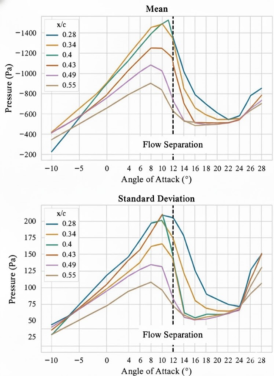
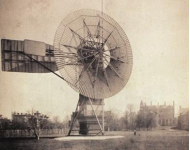
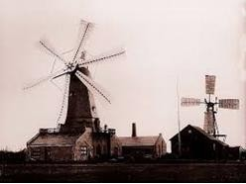
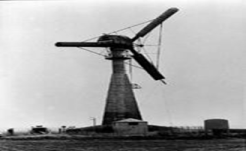
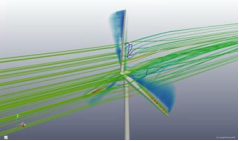
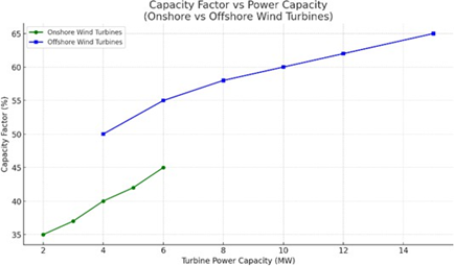

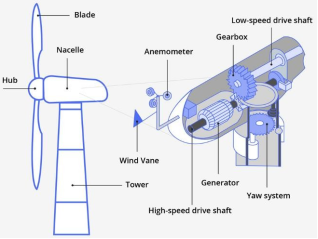
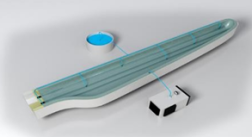
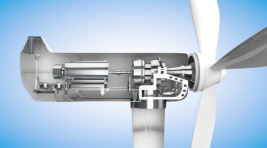
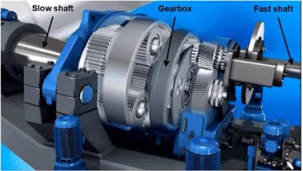

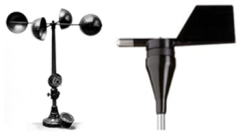
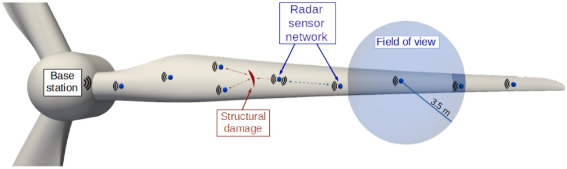

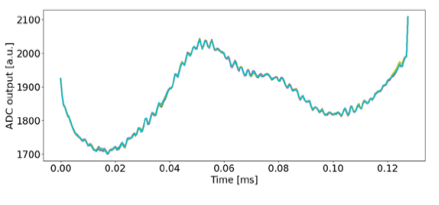
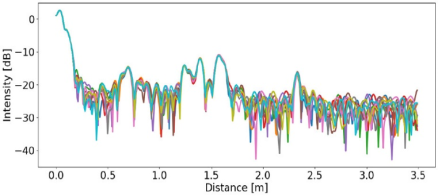
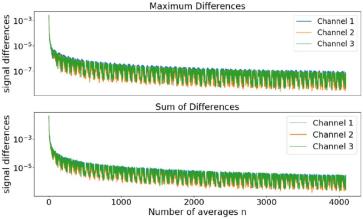
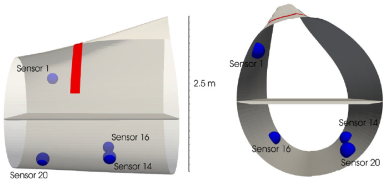



 Share This Article
 Twitter
 Linked In
 Facebook