1. Introduction
Cassava (
Manihot esculenta Crantz) is one of the most important staple and major food crops in Nigeria
| [1] | Borku AW. Cassava (Manihot esculenta Crantz): its nutritional composition—insights for future research and development in Ethiopia. Discov Sustain. 2025; 6: 404.
https://doi.org/10.1007/s43621-025-00996-2 |
| [2] | Wang XJ, Bai JG, Liang YX. Optimization of multienzyme production by two-mixed strains in solid-state fermentation. Appl Microbiol Biotechnol. 2006; 77: 533–540. |
| [3] | Adebayo-Oyetoro O, Oyewole OB, Obadina AO, Omemu MA. Microbiological safety assessment of fermented cassava flour “lafun” available in Ogun and Oyo States of Nigeria. Int J Food Sci. 2013; 2013: 845324. https://doi.org/10.1155/2013/845324 |
| [4] | Otekunrin OA. Cassava (Manihot esculenta Crantz): a global scientific footprint—production, trade, and bibliometric insights. Discov Agric. 2024; 2: 94.
https://doi.org/10.1007/s44279-024-00121-3 |
| [5] | Omodamiro RM, Oti E, Egesi CN, Ukpabi UJ, Etudaiye HA, Chijioke U. Sensory evaluation of fufu produced from high β-carotenoid cassava. In: Proceedings of the 35th Annual Conference and AGM of the Nigerian Institute of Food Science and Technology. Makurdi, Nigeria; 2011. |
[1-5]
. Owing to its high carbohydrate content, cassava is processed into a variety of food products, including
fufu,
garri, flour, and tapioca Nigeria is the world’s largest producer of cassava, with an estimated annual output of about 60 million metric tonnes The country’s cassava transformation programme aimed at transitioning from subsistence to commercialized, high-yield, and diversified production systems, is among the most advanced in Africa Cassava tubers are perishable, and significant post-harvest losses often occur during storage. This is primarily due to the crop’s high moisture content and its susceptibility to physiological deterioration and microbial invasion through harvest-induced bruises, which accelerate spoilage and undesirable biochemical changes
| [6] | Ngozi NO, Ndukwe M. Microbiological analysis and molecular characterization of bacterial and fungal isolates present in exposed and packaged cassava, plantain and yam flour sold in selected markets in Port Harcourt, Rivers State, Nigeria. Am J Microbiol Res. 2019; 7(2): 63–72. |
| [7] | Chijioke U, Madu T, Okoye B, Ogunka AP, Ejechi M, Ofoeze M, et al. Quality attributes of fufu in South-East Nigeria: guide for cassava breeders. Int J Food Sci Technol. 2021 Mar; 56(3): 1247–1257. https://doi.org/10.1111/ijfs.14875 |
[6, 7]
.
Fufu is a fermented cassava product processed through various traditional methods and local practices It is typically made by fermenting peeled or unpeeled cassava tubers to produce a soft, fermented pulp, followed by wet sieving and dewatering to obtain the fufu mash. The mash is then cooked and pounded into dough or dissolved in water and heated until it gelatinizes. Traditionally, fufu is marketed either in its wet form (containing approximately 50% moisture) or as cooked dough. The yield and quality of fufu depend largely on the efficiency of the fermentation process and the dry matter content of the cassava; poor fermentation often results in low mash yield. Fufu, also referred to as fermented baked cassava flour, remains a culturally and nutritionally significant food due to its ease of digestion and satisfaction derived by consumers
| [8] | Williams-Ngegba MSE, Onabanjo OO, Anthony NM, Alamu EO, Maziya-Dixon B, Oguntona EB. Variations in micronutrient concentrations and retentions in fufu made from yellow-fleshed cassava as a function of genotype and processing methods. Front Nutr. 2024; 11: 1295609.
https://doi.org/10.3389/fnut.2024.1295609 |
| [9] | Bamidele OP, Fasogbon MB, Oladiran DA, Akande EO. Nutritional composition of fufu analog flour produced from cassava root (Manihot esculenta) and cocoyam (Colocasia esculenta) tuber. Food Sci Nutr. 2015 Jun; 3(6): 597–603.
https://doi.org/10.1002/fsn3.250 |
[8, 9]
.
Previous studies on fermented cassava products have primarily centered on identifying and characterizing the microorganisms responsible for the fermentation process, particularly lactic acid bacteria, yeasts, and molds that contribute to the texture, flavour, and preservation of cassava-based foods such as fufu, gari, and lafun
| [3] | Adebayo-Oyetoro O, Oyewole OB, Obadina AO, Omemu MA. Microbiological safety assessment of fermented cassava flour “lafun” available in Ogun and Oyo States of Nigeria. Int J Food Sci. 2013; 2013: 845324. https://doi.org/10.1155/2013/845324 |
| [10] | Eyenga EF, Mbassi JEG, Mouafo HT, Zing ZB, Nchuaji TE, Achu MBL, et al. Effect of local fermentation on sensory, nutritional and microbiological quality of “Bobolo” (Manihot esculenta Crantz). Int J Nutr Food Sci. 2024; 13(4): 126–139. |
| [11] | Halake NH, Chinthapalli BR. Fermentation of traditional African cassava-based foods: microorganisms’ role in nutritional and safety value. J Exp Agric Int. 2020; 42(9): 305–587. https://doi.org/10.9734/jeai/2020/v42i930587 |
[3, 10, 11]
. These beneficial microbes, including species of Lactobacillus, Leuconostoc, and Saccharomyces, play an important role in breaking down cyanogenic compounds, lowering the pH, and enhancing product safety during controlled fermentation
| [12] | Anumudu CK, Miri T, Onyeaka H. Multifunctional applications of lactic acid bacteria: enhancing safety, quality, and nutritional value in foods and fermented beverages. Foods. 2024 Nov 21; 13(23): 3714. https://doi.org/10.3390/foods13233714 |
| [13] | Obi CN, Okezie O, Ukaegbu TU. Fermentation reduces cyanide content during the production of cassava flours from sweet and bitter cassava tuber varieties. Asian Food Sci J. 2019; 11(1): 1–10. https://doi.org/10.9734/afsj/2019/v11i130050 |
[12, 13]
. However, growing urbanization and commercialization have altered traditional processing methods, leading to increased risks of contamination from pathogenic microorganisms. Recent investigations have extended beyond fermentation studies to assess the microbial safety of cassava products available in open markets and supermarkets. For instance, Odu et al.
| [14] | Odu NN, Elenwo M, Maduka N. Microbiological quality of packaged and exposed cassava, yam and plantain flour sold in markets and supermarkets in Port Harcourt metropolis, Nigeria. Am J Microbiol Res. 2019; 7(2): 57–62. |
[14]
examined the microbial load of packaged and exposed cassava, yam, and plantain flours sold in Port Harcourt, Nigeria, and reported high counts of
Staphylococcus aureus,
Escherichia coli, and coliforms, indicators of poor hygiene and possible faecal contamination. Similar findings by Ngozi and Ndukwe
| [6] | Ngozi NO, Ndukwe M. Microbiological analysis and molecular characterization of bacterial and fungal isolates present in exposed and packaged cassava, plantain and yam flour sold in selected markets in Port Harcourt, Rivers State, Nigeria. Am J Microbiol Res. 2019; 7(2): 63–72. |
[6]
revealed that exposure during processing and storage promotes the proliferation of pathogenic bacteria and fungi, compromising food safety.
In recent times, the effects of climate change have made cassava fermentation more difficult, prompting some producers to adopt unconventional and potentially unsafe additives to accelerate the fermentation process. These additives include detergents, hypo (bleach), palm ash, bitter leaves, and
Jatropha leaves used to enhance fermentation, whiteness, odor reduction, and product preservation at minimal cost
| [15] | Umeh SO, Odibo FJC. Use of different additives in retting cassava tubers for fufu production. Int J Pharm Sci Invention. 2014; 3(4): 11–17. |
| [16] | Enete AA, Amuta TA, Nwobodo CE. Climate change and cassava processing in Southeast Nigeria. Tropicultura. 2013; 31(4): 272–282. |
[15, 16]
. To maximize profit, some local producers reportedly add powdered detergents (such as Ariel and Omo), kerosene, hypo, and palm ash during fermentation
| [17] | Ogbete EC, Ogbonnaya ME, Ofoeze MA. Effect of fermentation agents on the pH, total titratable acidity and microbial composition of fufu dough. Int J Acad Appl Res. 2024; 8(2): 15–21. |
| [18] | Ogbete EC, Ojinnaka MC, Ofoeze M. Quality assessment of fufu produced with different fermentation aids (detergent, kerosene and palm ash). Niger Agric J. 2022; 53(1): 32–38.
https://doi.org/10.2139/ssrn.5036194 |
[17, 18]
.
Detergents are surfactants or cleaning agents designed to remove grease and dirt from various surfaces
| [19] | Das P, Dey J. Detergents: composition, classification, historical development, and applications in modern cleaning systems [preprint]. 2026 Jan. https://doi.org/10.13140/RG.2.2.14351.04008 |
| [20] | Laitala K, Jensen HM. Cleaning effect of household laundry detergents at low temperatures. Tenside Surfact Det. 2010; 47(6): 413–420. |
| [21] | Iwegbue CM, Emakunu OS, Lari B, Egobueze FE, Tesi GO, Nwajei GE, Martincigh BS. Risk of human exposure to metals in some household hygienic products in Nigeria. Toxicol Rep. 2019; 6: 914–923. |
[19-21]
. They contain toxic substances that, when ingested, can cause severe health complications, including diarrhea, respiratory distress, vomiting, nausea, abdominal bloating, gastric mucosal damage, free radical generation, and blood pH imbalance leading to tissue injury
| [22] | Oghobase GE, Aladesanmi OT, Akomolafe RO, Olukiran OS, Akano PO, Eimunjeze MH. Assessment of the toxicity and biochemical effects of detergent-processed cassava on renal function of Wistar rats. Toxicol Rep. 2020; 7: 475–483.
https://doi.org/10.1016/j.toxrep.2020.08.007 |
| [23] | Bonney AG, Mazor S, Goldman RD. Laundry detergent capsules and pediatric poisoning. Can Fam Physician. 2013 Dec; 59(12): 1295–1296. |
[22, 23]
. Research has shown that consumption of detergent-processed cassava can adversely affect kidney structure and function in animal studies. While these practices may improve yield and appearance, they introduce serious public health risks
| [18] | Ogbete EC, Ojinnaka MC, Ofoeze M. Quality assessment of fufu produced with different fermentation aids (detergent, kerosene and palm ash). Niger Agric J. 2022; 53(1): 32–38.
https://doi.org/10.2139/ssrn.5036194 |
[18]
.
Although cassava fermentation has been widely studied, prior research has largely emphasized fermentative microorganisms and microbial safety, with limited focus on chemical contamination from unconventional processing aids. Empirical data quantifying detergent-derived surfactant residues in fufu remain scarce, and chemical and microbiological risks are rarely examined together. This lack of integrated evidence constrains understanding of potential dietary exposure and public health implications, particularly in informal production settings. Therefore, this study investigated the detergent levels and bacterial composition of fermented baked cassava (fufu) produced in two communities, Okomoko and Umuanyagu, in the Etche Local Government Area (LGA) of Rivers State, Nigeria, and compared the observed values with established international and national permissible limits.
2. Methods
2.1. Study Areas
This study was conducted in Okomoko and Umuanyagu communities, located within the Etche LGA of Rivers State, Nigeria. Etche LGA is predominantly rural and widely recognized for its extensive cassava cultivation and traditional processing of cassava-based foods, particularly fufu. Cassava farming and small-scale fermentation activities constitute major livelihood sources in these communities, making the area highly relevant for investigating food safety issues associated with cassava processing. Okomoko and Umuanyagu were purposively selected due to their high levels of local cassava production, active household- and market-based fufu processing, and reliance on traditional fermentation practices. Informal reports and preliminary observations indicated the possible use of unconventional fermentation aids, including detergents and other additives, within these communities. Additionally, both locations host vibrant local markets where processed fufu is widely traded and consumed, allowing for comparison between laboratory-prepared controls and commercially available products. The selection of two communities within the same LGA enabled assessment of contamination patterns under similar agro-ecological and socio-cultural conditions while capturing variability in processing and handling practices.
2.2. Sample Collection and Preparation
Cassava tubers were purchased from Umuanyagu village market, peeled, washed, and divided into two equal portions. One portion was soaked in borehole water (Control A) and the other in distilled water (Control B), both left to ferment for seven (7) days. After fermentation, the softened cassava was separated from the water and manually mulched for about 30 minutes. The resulting pulp was allowed to settle to form starch, which was then collected and processed into baked cassava flour (fufu). This was done at ambient laboratory temperature (28 ± 2°C) using loosely covered plastic containers. Additionally, already processed baked cassava flour (fufu) samples were obtained from Umuanyagu village (Sample C) and Okomoko village (Sample D) in Etche Local Government Area. All samples (A, B, C, and D) were stored under refrigeration before analysis to prevent spoilage.
4. Antimicrobial Analysis
4.1. Bacterial Enumeration
Sample preparation was carried out following the method described by Olopade et al.
| [25] | Olopade BK, Oranusi S, Ajala R, Olorunsola SJ. Microbiological quality of fermented cassava (gari) sold in Ota, Ogun State, Nigeria. Int J Curr Microbiol Appl Sci. 2014; 3(3): 888–895. |
[25]
, with slight modifications. 10 g of each sample (A, B, C, and D) were accurately weighed using a digital balance and homogenized in 90 mL of normal saline. A ten-fold serial dilution was then performed, and aliquots from appropriate dilutions were inoculated in duplicates and spread-plated on solidified agar media. The media used included Nutrient Agar for total heterotrophic bacterial count, MacConkey Agar for total coliform count, Eosin Methylene Blue (EMB) Agar for total faecal coliform count, Salmonella-Shigella Agar for Salmonella and Shigella counts, Thiosulfate Citrate Bile Salts Sucrose (TCBS) Agar for Vibrio species, and Mannitol Salt Agar for Staphylococcus species. All plates were incubated for 24 hours at 37.2°C, except for faecal coliforms, which were incubated at 44.5°C. Colonies that developed were counted, and results were expressed as CFU/g using the formula described by Obadina et al.
| [26] | Obadina AO, Oyewole OB, Odusami AO. Microbiological safety and quality assessment of some fermented cassava products (lafun, fufu, gari). Sci Res Essays. 2029; 4(5): 432–435. |
[26]
.
CFU/mL =(3)
CFU/g = CFU/mL(4)
All culture media were sterilized using an autoclave at 121°C and 15 psi for 15 minutes. Heat-sensitive materials, such as plastic apparatus, were sterilized with 99.9% ethanol. Normal saline (0.85%) was used as the diluent. Nutrient Agar was employed for the enumeration of total heterotrophic bacteria, MacConkey Agar for total coliforms, Salmonella-Shigella Agar for Salmonella and Shigella species, Mannitol Salt Agar for Staphylococcus aureus, and Eosin Methylene Blue (EMB) Agar for faecal coliforms (Escherichia coli).
4.2. Detergent Contamination Index (DCI)
Detergent contamination in each sample was summarized using a Detergent Contamination Index (DCI), a composite metric combining measured cationic and anionic surfactant concentrations. DCI was calculated for each sample as the arithmetic mean of the cationic and anionic surfactant percentages:
DCI =
4.3. Principal Component Analysis (PCA)
Principal Component Analysis (PCA) was performed to identify the microbial parameters that most strongly contributed to variations among the fufu samples and to determine patterns of similarity or differentiation between control and market-obtained samples. PCA was used to explore relationships among correlated microbial variables and identify the dominant factors driving sample variation. This multivariate approach enabled dimensionality reduction and clearer differentiation. The microbial parameters considered in the PCA included Total Heterotrophic Bacterial Count (THBC), Total Coliform, Faecal Coliform, and Staphylococcus aureus counts. These variables were selected because they represent the key microbial indicators of contamination, hygiene, and fermentation quality in food microbiology. Prior to analysis, microbial count data were standardized using z-scores to eliminate differences in units and magnitude across variables. PCA was conducted using SPSS version 27 and cross-validated in Python (scikit-learn library) to ensure computational accuracy. The analysis extracted principal components based on eigenvalues greater than 1, and varimax rotation was applied to improve interpretability of the factor loadings. The first two principal components (PC1 and PC2) were retained as they explained the highest proportion of variance in the dataset. PC1 represented microbial indicators associated with pathogenic contamination (Staphylococcus aureus and faecal coliforms*), while PC2 represented overall microbial load (driven primarily by THBC). The PCA loadings were used to determine which microbial parameters contributed most to sample separation, while the component scores were plotted in a biplot to visualize clustering patterns among samples (Control A, Control B, Sample C, and Sample D). Interpretation of the PCA biplot was based on the direction and magnitude of loadings along the principal components. Samples positioned closer together on the plot were considered to have similar microbial characteristics, whereas those farther apart indicated distinct contamination profiles. The differentiation along PC1 and PC2 was used to infer whether microbial variation was due to natural fermentation processes (as in control samples) or pathogenic contamination (as in market samples).
6. Results
This presents the findings from the analysis of detergent residues and microbial quality of fermented baked cassava (fufu) samples. The results are organized, detailing the levels of cationic and anionic surfactants as indicators of detergent contamination, followed by the microbial counts of various bacterial groups isolated from the samples. Both the chemical and microbiological parameters were statistically analyzed to determine variations among the control samples (A and B) and the locally processed samples (C and D). The results are summarized in tables and Figures below, highlighting differences in detergent residue concentrations, microbial load, and their compliance with Codex Alimentarius microbiological principles
.
Table 1. Detergent residue percentage.
Sample Code | Cationic Surfactant (%) | Anionic Surfactant (%) |
Control A | 1.2 | 3.2 |
Control B | 1.1 | 3.1 |
Sample C | 2.0 | 4.0 |
Sample D | 2.0 | 4.2 |
Sample A = Fresh cassava soaked with tap water; Sample B = Fresh cassava soaked with distilled water; Sample C = Processed cassava obtained from Umuanyagu village; Sample D = Processed cassava obtained from Okomoko village
Table 1 showed the percentage of detergent residues in the analyzed fufu samples. The cationic surfactant concentrations ranged from 1.1% to 2.0%, while the anionic surfactant concentrations ranged from 3.1% to 4.2%. The lowest levels were recorded in the control samples (A and B), which were laboratory-prepared under hygienic conditions, whereas higher concentrations were observed in the market samples (C and D), particularly in Sample D from Okomoko village. The elevated surfactant levels in market samples suggest possible use of detergents or chemical additives during cassava fermentation and processing, which may pose potential health risks to consumers.
Table 1 presents the final calculated percentage detergent residues (%), while
Table 2 reports the corresponding mean ± standard deviation (SD) values derived from triplicate titration measurements prior to percentage normalization. This dual presentation was adopted to distinguish between the direct analytical outputs and the standardized percentage expressions used for risk assessment.
Table 2. Mean and Standard Deviation of Cationic and Anionic Surfactant Concentrations (mg/L) in Fufu Samples (ANOVA Test).
Sample Code | Cationic Surfactant | Anionic Surfactant |
Control A | 24.6±0.566a | 19.8±0.141ab |
Control B | 21.9±0.141b | 19.65±0.212ba |
Sample C | 44.5±0.000 c | 25.20±0.000 c |
Sample D | 39.55±0.495 d | 26.25±0.354 d |
Values with the same alphabet indicate no significant difference, while values with different alphabets indicate significant differences at P ≤ 0.05 and a 95% confidence interval.
Table 2 showed the mean and standard deviation of cationic and anionic surfactant concentrations in the fufu samples. The results revealed significant variations (P ≤ 0.05) among the samples. Cationic surfactant concentrations were highest in Sample C (44.5 ± 0.000) and Sample D (39.55 ± 0.495), while lower values were recorded in the control samples, particularly Control B (21.9 ± 0.141). Similarly, anionic surfactants were highest in Sample D (26.25 ± 0.354) and lowest in Control B (19.65 ± 0.212). The marked differences between market samples (C and D) and laboratory controls (A and B) indicate the likely introduction of detergent-related chemicals during local processing.
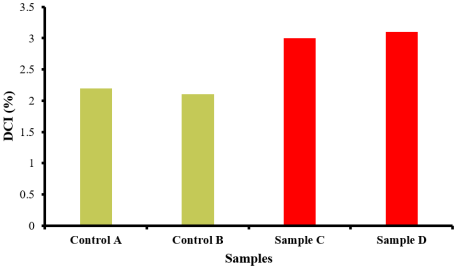
Figure 1. Detergent contamination index (DCI) across fufu samples.
Figure 1 showed the DCI across the analyzed fufu samples. The laboratory-prepared control samples (Controls A and B) recorded the DCI values, ranging from approximately 2.1% to 2.2%, indicating comparatively reduced levels of detergent-derived surfactant residues under controlled fermentation conditions. In contrast, the market-obtained samples (Samples C and D) recorded higher DCI values, ranging from approximately 3.0% to 3.1%. These elevated values suggest greater detergent residue contamination in commercially processed fufu. The observed separation between control and market samples highlights potential differences in processing and handling practices, implying that local production methods may contribute to increased chemical contamination.
Table 3. Mean and Standard Deviation of Microbial Counts (CFU/g) in Fufu Samples.
Sample code | THBC (×10⁹) (CFU/g) | Total Coliform (×10⁷) (CFU/g) | Faecal Coliform (×10⁷) (CFU/g) | Salmonella/Shigella (CFU/g) | Staphylococcus aureus (×10⁷) (CFU/g) | Vibrio Count (CFU/g) |
Sample D | 2.2±1.41 | 5.7±0.70 | 1.1±2.12 | Not detected | 0.4±2.80 | Not detected |
Sample C | 1.4±0.70 | 1.7±0.70 | 3.0±0.70 | Not detected | 1.6±1.41 | Not detected |
Control B | 4.7±1.41 | 8.2±2.12 | 0.8±1.41 | Not detected | 0.2±2.12 | Not detected |
Control A | 9.4±2.12 | 1.1±2.82 | 1.9±1.41 | Not detected | 2.6±1.41 | Not detected |
Codex-based criterion* 27]. | Indicator organism (no fixed limit) | Indicator organism (low counts expected) | Absence required | Low counts expected; absence preferred | Absence in ready-to-eat foods | Absence in ready-to-eat foods |
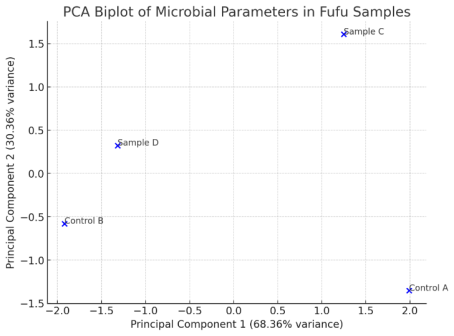
Figure 2. PCA biplot illustrating the distribution of fufu samples based on microbial parameters.
Table 3 presents the microbial counts of the fufu samples compared with Codex-based criterion. Total heterotrophic bacterial counts (THBC) ranged from 1.4 × 10
9 to 9.4 × 10
9 CFU/g, while total coliform and faecal coliform counts ranged from 1.1 × 10
7 to 8.2 × 10
7 CFU/g and 0.8 × 10
7 to 3.0 × 10
7 CFU/g, respectively.
Staphylococcus aureus was present in all samples, whereas Salmonella, Shigella, and Vibrio species were absent. The presence of all bacterial counts showed poor hygienic conditions during fermentation and handling. The high microbial load poses potential public health risks to consumers of fufu in the study area.
PCA revealed the relative contributions of microbial parameters to variability among the fufu samples (
Figure 2). The first principal component (PC1), explaining 68.36% of the total variance, was mainly associated with
Staphylococcus aureus (loading = 0.59) and faecal coliforms (loading = 0.49), indicating that these pathogenic indicators were the primary drivers of sample differentiation. Samples with positive PC1 scores, particularly Sample C, were characterized by higher pathogenic contamination, whereas negative PC1 scores were associated with lower pathogen levels. The second principal component (PC2), accounting for 30.36% of the variance, was strongly influenced by total heterotrophic bacterial count (THBC) (loading = –0.82), reflecting differences in overall microbial load. The principal components (PC1 and PC2) explained 68.36% and 30.36% of the total variance, respectively, accounting for 98.72% of the cumulative dataset variability. Control samples aligned more closely with THBC, suggesting dominance of fermentation-associated microflora, while market samples clustered toward pathogenic indicators. The PCA biplot demonstrated clear separation between control and market-obtained samples, highlighting differences in microbial quality and hygiene status.
Table 4. Comparison of PCA results.
Category | Dominant Microbial Drivers | PCA Component Association | Interpretation | Risk Level |
Control A & B | High THBC, Low Staphylococcus aureus, Low coliforms | High negative on PC2 | Normal fermentation flora; minimal pathogen presence | Moderate (low risk) |
Sample C & D | High Staphylococcus aureus and faecal coliforms | High positive on PC1 | Pathogenic contamination from poor hygiene and handling | High (unsafe) |
The PCA summary comparison in
Table 4 showed clear differences between the control and market-obtained fufu samples. Controls A and B were associated with high total heterotrophic bacterial counts but low levels of
Staphylococcus aureus and coliforms, indicating the presence of normal fermentation flora with minimal pathogenic contamination, thus posing a moderate or low health risk. In contrast, Samples C and D exhibited high
Staphylococcus aureus and faecal coliform levels, loading positively on PC1, which reflects contamination from poor hygiene, unsafe handling, or use of contaminated water during processing.
7. Discussion
The findings of this study provide critical insight into the safety and quality of fermented baked cassava (fufu) produced and consumed in Etche. It revealed varying levels of detergent residues, both cationic and anionic surfactants, in the fufu samples analyzed. As presented in
Table 1, cationic surfactant concentrations ranged from 1.1% to 2.0%, while anionic surfactant concentrations ranged from 3.1% to 4.2%, with the lowest levels observed in the control samples (A and B) and the highest in market samples (C and D). The ANOVA results (
Table 2) further showed significant differences (P ≤ 0.05) among the samples, confirming that detergent contamination levels were not uniform across all fufu samples. The low-to-moderate surfactant values detected in control samples may reflect background environmental contributions or matrix-related interferences rather than intentional detergent addition. Several plausible non-detergent sources of surface-active compounds can be identified from the literature. First, cassava tubers naturally contain phytochemicals including saponins and polar lipid fractions that share structural characteristics with anionic surfactants and are capable of reacting with titrimetric reagents such as hyamine and sodium tetraphenylboron employed in this study
| [1] | Borku AW. Cassava (Manihot esculenta Crantz): its nutritional composition—insights for future research and development in Ethiopia. Discov Sustain. 2025; 6: 404.
https://doi.org/10.1007/s43621-025-00996-2 |
| [9] | Bamidele OP, Fasogbon MB, Oladiran DA, Akande EO. Nutritional composition of fufu analog flour produced from cassava root (Manihot esculenta) and cocoyam (Colocasia esculenta) tuber. Food Sci Nutr. 2015 Jun; 3(6): 597–603.
https://doi.org/10.1002/fsn3.250 |
[1, 9]
. Second, fermentation-associated lactic acid bacteria (LAB), including Lactobacillus and Leuconostoc species that are the dominant microflora of traditionally fermented cassava, are recognised producers of biosurfactants, lipopeptides, and exopolysaccharides during fermentation These biogenic compounds can generate measurable surfactant-equivalent signals in non-specific titrimetric assays and may account for a portion of the surfactant activity recorded in the control samples. Third, and most directly relevant, Hikon et al.
| [28] | Hikon NB, Dewa UA, Jonathan N, Vincent P. Application of detergent as enhancer in cassava flour processing: a threat to life. Afr J Sci Trad Med. 2024; 1(1): 221–231.
https://doi.org/10.58578/ajstm.v1i1.3497 |
[28]
demonstrated through Fourier Transform Infrared Spectroscopy (FTIR) and flame photometric analyses that silicate, azide, and sodium compounds were present in both detergent-treated and untreated cassava flour samples. This finding confirms that certain surface-active chemical species are endogenous to the cassava matrix and are detectable regardless of deliberate detergent addition. Furthermore, procedural blanks consisting of distilled water combined with the full suite of analytical reagents but without any sample were analysed in parallel and yielded no detectable surfactant signal. This confirms that the observed DCI values in the control samples (2.1–2.2%) are attributable to the cassava matrix and fermentation-associated compounds rather than to background reagent contamination. The concentrations in Samples C and D, sourced from Umuanyagu and Okomoko villages, respectively, indicate that detergent-related compounds might have been introduced during cassava fermentation to accelerate the process or improve product appearance. These findings are consistent with the reports of Ibiam et al.
and Hikon et al.
| [28] | Hikon NB, Dewa UA, Jonathan N, Vincent P. Application of detergent as enhancer in cassava flour processing: a threat to life. Afr J Sci Trad Med. 2024; 1(1): 221–231.
https://doi.org/10.58578/ajstm.v1i1.3497 |
[28]
, who observed detergent residues in cassava-based products and linked them to the intentional use of surfactants such as powdered detergents and bleach by local producers. Ibiam et al.
reported similar residue levels, suggesting that these additives are used to shorten fermentation time and enhance the whiteness of cassava products, particularly fufu. Likewise, the results revealed by Hikon et al.
| [28] | Hikon NB, Dewa UA, Jonathan N, Vincent P. Application of detergent as enhancer in cassava flour processing: a threat to life. Afr J Sci Trad Med. 2024; 1(1): 221–231.
https://doi.org/10.58578/ajstm.v1i1.3497 |
[28]
showed that cassava flour samples processed with detergent exhibited varying fermentation times and sensory characteristics depending on the detergent concentration. Specifically, the sample with the lowest detergent concentration (0.05 g/L) fermented within 48 hours without any objectionable odour, while samples containing 0.1 g/L and 0.5 g/L of detergent fermented at 54 hours and 68 hours, respectively. In contrast, the control sample, which had no detergent, fermented only after 72 hours and produced an undesirable odour. Furthermore, Fourier Transform Infrared Spectroscopy (FTIR) and flame photometric analyses revealed the presence of silicate, azide, and sodium (Na) in both detergent-treated and untreated samples These findings indicate that some cassava flour products sold in Nigeria contain high residual concentrations of linear alkylbenzene sulfonate (LABS) and sodium, which are key chemical constituents of commercial detergent formulations, and are substances known to have adverse health effects on humans.
Comparing the present study with earlier work by Adebayo-Oyetoro et al.
| [3] | Adebayo-Oyetoro O, Oyewole OB, Obadina AO, Omemu MA. Microbiological safety assessment of fermented cassava flour “lafun” available in Ogun and Oyo States of Nigeria. Int J Food Sci. 2013; 2013: 845324. https://doi.org/10.1155/2013/845324 |
[3]
and Ngozi and Ndukwe
| [6] | Ngozi NO, Ndukwe M. Microbiological analysis and molecular characterization of bacterial and fungal isolates present in exposed and packaged cassava, plantain and yam flour sold in selected markets in Port Harcourt, Rivers State, Nigeria. Am J Microbiol Res. 2019; 7(2): 63–72. |
[6]
, the results align with the growing concern over poor food hygiene practices in cassava processing. Adebayo-Oyetoro et al.
| [3] | Adebayo-Oyetoro O, Oyewole OB, Obadina AO, Omemu MA. Microbiological safety assessment of fermented cassava flour “lafun” available in Ogun and Oyo States of Nigeria. Int J Food Sci. 2013; 2013: 845324. https://doi.org/10.1155/2013/845324 |
[3]
found that microbial and chemical contamination in cassava products often stemmed from unhygienic fermentation environments and the addition of non-food-grade substances. Similarly, Ogbete et al.
| [17] | Ogbete EC, Ogbonnaya ME, Ofoeze MA. Effect of fermentation agents on the pH, total titratable acidity and microbial composition of fufu dough. Int J Acad Appl Res. 2024; 8(2): 15–21. |
[17]
reported that local processors sometimes use detergents, kerosene, or palm ash to enhance fermentation efficiency, which significantly increases the risk of chemical contamination in cassava-based foods.
The DCI results (
Figure 1) further emphasize this trend. The DCI model, calculated as the mean of cationic and anionic surfactant concentrations, showed the surfactant levels for the different samples. This clearly indicates that locally sold fufu poses a greater contamination risk than laboratory-prepared samples. Additionally, Laitala & Jensen
| [20] | Laitala K, Jensen HM. Cleaning effect of household laundry detergents at low temperatures. Tenside Surfact Det. 2010; 47(6): 413–420. |
[20]
and Oghobase et al.
| [22] | Oghobase GE, Aladesanmi OT, Akomolafe RO, Olukiran OS, Akano PO, Eimunjeze MH. Assessment of the toxicity and biochemical effects of detergent-processed cassava on renal function of Wistar rats. Toxicol Rep. 2020; 7: 475–483.
https://doi.org/10.1016/j.toxrep.2020.08.007 |
[22]
reported that the toxicity of detergent residues depends on concentration, type of surfactant, and frequency of exposure, suggesting that the observed contamination levels in this study could have varying health implications depending on consumer exposure.
The results presented in
Table 3 revealed substantial microbial contamination across all fufu samples analyzed. The total heterotrophic bacterial counts (THBC) ranged from 1.4 × 10
9 to 9.4 × 10
9 CFU/g, while total coliform counts varied between 1.1 × 10
7 and 8.2 × 10
7 CFU/g, and faecal coliform counts ranged from 0.8 × 10
7 to 3.0 × 10
7 CFU/g.
Staphylococcus aureus was detected in all samples, whereas
Salmonella,
Shigella, and
Vibrio species were not detected. Microbial results were interpreted using Codex Alimentarius microbiological principles for ready-to-eat foods, which emphasize the absence of enteric pathogens and low levels of hygiene indicator organisms
; however, the markedly elevated counts of total heterotrophic bacteria, coliforms, faecal coliforms, and
Staphylococcus aureus observed in the market-obtained fufu samples indicate significant deviation from these food safety expectations. The elevated microbial counts indicate that the fufu samples, especially those obtained from local markets, were produced or handled under unhygienic conditions, posing potential public health risks to consumers. The findings from this study are consistent with those reported by Odu et al.
| [14] | Odu NN, Elenwo M, Maduka N. Microbiological quality of packaged and exposed cassava, yam and plantain flour sold in markets and supermarkets in Port Harcourt metropolis, Nigeria. Am J Microbiol Res. 2019; 7(2): 57–62. |
[14]
, who observed high microbial loads, including coliforms and
Staphylococcus aureus, in cassava, yam, and plantain flours sold in Port Harcourt markets. Their study attributed the contamination to poor sanitation, exposure of products during sales, and the use of contaminated water sources during processing. Similarly, Adebayo-Oyetoro et al.
| [3] | Adebayo-Oyetoro O, Oyewole OB, Obadina AO, Omemu MA. Microbiological safety assessment of fermented cassava flour “lafun” available in Ogun and Oyo States of Nigeria. Int J Food Sci. 2013; 2013: 845324. https://doi.org/10.1155/2013/845324 |
[3]
found that fufu samples from Lagos markets contained high bacterial counts, exceeding food safety limits, and linked the contamination to open-air drying and inadequate storage practices. The current study supports these findings, that market-sourced fufu samples are exposed to multiple contamination pathways, including handling by food vendors without proper hygiene and environmental exposure to dust, flies, and unsanitary processing environments.
However, an interesting contrast emerges when comparing the control samples (A and B) with the market samples (C and D). The control samples, which were prepared under laboratory conditions, still exhibited high THBC values but relatively lower coliform and faecal coliform counts. This suggests that while microbial growth occurs naturally during cassava fermentation, it is primarily due to non-pathogenic fermentative bacteria such as
Lactobacillus and
Leuconostoc species, as reported by Odetokun et al.
| [29] | Odetokun IA, Adetona MA, Ade-Yusuf RO, Adewoye AO, Ahmed AN, Ghali-Mohammed I, Al-Mustapha AI, Fetsch A. Staphylococcus aureus contamination of animal-derived foods in Nigeria: a systematic review, 2002–2022. Food Saf Risk. 2023; 10: 6. https://doi.org/10.1186/s42779-023-00066-2 |
[29].
These beneficial bacteria contribute to acid production, lowering the pH of fermenting cassava and inhibiting pathogen growth. Therefore, the high THBC observed in the control samples likely reflects normal fermentation flora rather than contamination. In contrast, the presence of
Staphylococcus aureus and coliforms in market samples suggests secondary contamination after fermentation, often caused by poor handling, use of dirty utensils, and contaminated water during washing or packaging. The detection of
Staphylococcus aureus in all samples is of particular concern.
Staphylococcus aureus is an indicator of human handling contamination and can cause food poisoning through the production of enterotoxins. Odetokun et al.
| [29] | Odetokun IA, Adetona MA, Ade-Yusuf RO, Adewoye AO, Ahmed AN, Ghali-Mohammed I, Al-Mustapha AI, Fetsch A. Staphylococcus aureus contamination of animal-derived foods in Nigeria: a systematic review, 2002–2022. Food Saf Risk. 2023; 10: 6. https://doi.org/10.1186/s42779-023-00066-2 |
[29]
similarly reported
Staphylococcus aureus contamination in market-sold fufu samples, confirming that improper personal hygiene among food handlers is a major source of contamination. The absence of
Salmonella,
Shigella, and
Vibrio species in this study, however, aligns with findings of Oghobase et al.
| [22] | Oghobase GE, Aladesanmi OT, Akomolafe RO, Olukiran OS, Akano PO, Eimunjeze MH. Assessment of the toxicity and biochemical effects of detergent-processed cassava on renal function of Wistar rats. Toxicol Rep. 2020; 7: 475–483.
https://doi.org/10.1016/j.toxrep.2020.08.007 |
[22]
, who noted that these pathogens are often less common in fermented cassava products due to the acidic conditions of fermentation, which inhibit their growth.
The Principal Component Analysis (PCA) results revealed a clear separation pattern between the control and market-obtained fufu samples, reflecting differences in microbial contamination sources and hygiene practices. The first two components (PC1 and PC2) accounted for most of the variability in microbial profiles, highlighting how different bacterial parameters influence contamination patterns. PC1 was mainly driven by
Staphylococcus aureus and faecal coliforms two key indicators of pathogenic contamination, while PC2 was influenced by total heterotrophic bacterial count (THBC), which represents general microbial load linked to fermentation or handling quality. The distinct distribution of the control (A and B) and market (C and D) samples across these axes underscores the difference between natural fermentation-associated microbes and contamination from poor hygiene or unsafe processing conditions. The control samples, prepared under laboratory conditions, were associated with higher THBC but low
Staphylococcus aureus and coliform counts, signifying the presence of normal fermentation flora such as
Lactobacillus and
Leuconostoc species. These bacteria are non-pathogenic and beneficial to the fermentation process, contributing to the texture and characteristic aroma of fufu. This finding aligns with the reports of Adebayo-Oyetoro et al.
| [3] | Adebayo-Oyetoro O, Oyewole OB, Obadina AO, Omemu MA. Microbiological safety assessment of fermented cassava flour “lafun” available in Ogun and Oyo States of Nigeria. Int J Food Sci. 2013; 2013: 845324. https://doi.org/10.1155/2013/845324 |
[3]
, who noted that well-controlled cassava fermentation is dominated by lactic acid bacteria that suppress pathogenic organisms through acid production. Similarly, Olopade et al.
| [25] | Olopade BK, Oranusi S, Ajala R, Olorunsola SJ. Microbiological quality of fermented cassava (gari) sold in Ota, Ogun State, Nigeria. Int J Curr Microbiol Appl Sci. 2014; 3(3): 888–895. |
[25]
observed that hygienically processed cassava flour had low pathogenic contamination, further supporting the interpretation that the microbial load in the control samples reflects safe and desirable fermentation rather than external contamination. The negative loading of THBC on PC2 in the PCA indicates that while total microbial presence was high, the nature of these microbes was largely non-pathogenic.
Conversely, the market samples (C and D), obtained from Umuanyagu and Okomoko villages, displayed high
Staphylococcus aureus and faecal coliform counts, which strongly influenced PC1 and clearly separated them from the controls. This contamination pattern suggests post-fermentation or post-processing contamination, most likely introduced through poor personal hygiene, the use of unclean water, or exposure during open-air storage and sales. This agrees with the findings of Odu et al.
| [14] | Odu NN, Elenwo M, Maduka N. Microbiological quality of packaged and exposed cassava, yam and plantain flour sold in markets and supermarkets in Port Harcourt metropolis, Nigeria. Am J Microbiol Res. 2019; 7(2): 57–62. |
[14]
, who reported elevated coliform and
Staphylococcus aureus levels in packaged cassava, yam, and plantain flours sold in Port Harcourt markets. Similarly, Ogbete et al.
| [18] | Ogbete EC, Ojinnaka MC, Ofoeze M. Quality assessment of fufu produced with different fermentation aids (detergent, kerosene and palm ash). Niger Agric J. 2022; 53(1): 32–38.
https://doi.org/10.2139/ssrn.5036194 |
[18]
documented that fufu producers often rely on unsafe processing practices, including the use of detergents, poor water quality, and unsanitary environments, all of which elevate microbial contamination risks. These observations are further supported by Ngozi and Ndukwe
| [6] | Ngozi NO, Ndukwe M. Microbiological analysis and molecular characterization of bacterial and fungal isolates present in exposed and packaged cassava, plantain and yam flour sold in selected markets in Port Harcourt, Rivers State, Nigeria. Am J Microbiol Res. 2019; 7(2): 63–72. |
[6]
, who linked microbial proliferation in cassava products to poor post-harvest handling and high moisture retention.
The biological implications of these findings are significant. The dominance of
Staphylococcus aureus and faecal coliforms in market samples signifies possible faecal contamination and poor sanitation, representing a public health hazard. These pathogens can cause gastrointestinal illnesses, food poisoning, and other infections when consumed. In contrast, the THBC-driven component in the controls represents natural fermentative microbes that enhance product quality and safety when fermentation is properly managed. Bamidele et al.
| [30] | Bamidele OP. Effects of natural fermentation time on chemical composition, antioxidant activities, and phenolic profile of cassava root flour. Applied Sciences. 2025; 15(15): 8494.
https://doi.org/10.3390/app15158494 |
[30]
emphasized that fermentation under controlled conditions is critical for cassava safety, as it reduces cyanogenic glycosides and pathogenic load simultaneously. Therefore, PCA confirms that the contamination in market samples is extrinsic, arising from unsafe environmental and handling practices, whereas the microbial population in control samples is intrinsic and associated with safe fermentation. The PCA highlights that while all samples contained microbial activity, their nature and origin differ significantly. Laboratory-prepared controls showed microbial profiles consistent with natural fermentation and low public health risk, while market samples were dominated by pathogenic bacteria, reflecting external contamination. This finding corroborates earlier studies on cassava fermentation hygiene and reinforces the need for improved sanitary practices in local cassava processing and sales to minimize contamination risks and protect consumers’ health.
This study is strengthened by its combined chemical and microbiological assessment, which provides a comprehensive evaluation of the safety of fermented baked cassava (fufu). The inclusion of both laboratory-prepared controls and market-obtained samples enabled direct comparison between hygienic processing conditions and real-world practices. The application of multivariate tools (PCA) further enhanced the robustness and interpretability of the findings. However, the study has some limitations. Sampling was limited to two communities, which may affect the generalizability of the results. In addition, the titrimetric methods employed to quantify detergent residues are inherently non-specific: both the methyl orange–sodium tetraphenylboron titration for cationic surfactants and the hyamine titration for anionic surfactants respond to any molecule bearing appropriate ionic or amphiphilic properties, not exclusively to synthetic detergent compounds. The DCI, derived as the arithmetic mean of these two measurements, therefore represents overall surfactant-like activity in the sample matrix rather than a selective measure of exogenous detergent residues. Naturally occurring matrix constituents such as cassava saponins, polar lipids, fermentation-derived organic acids, and biogenic surfactants produced by LAB may contribute to the cationic and anionic surfactant signals, particularly in the control samples. Procedural blank analysis confirmed that analytical reagents introduced no detectable background; however, the non-zero DCI values in control samples are most plausibly explained by these matrix-related interferences. Compound-specific instrumental confirmation such as FTIR or liquid chromatography-mass spectrometry was not performed in this study, and this represents a recognised methodological limitation. Future investigations should incorporate blank-corrected reporting and instrumental validation to improve chemical specificity, and should also assess fungal toxins and a broader range of communities to enhance generalisability.





 Share This Article
 Twitter
 Linked In
 Facebook
 Copy
Copy Download