Research Article | | Peer-Reviewed

Application of Bioaugmentation and Biostimulation in Anaerobic Digestion of Lignocellulose to Increase Biogas Production

Received: 1 April 2026     Accepted: 10 April 2026     Published: 22 July 2026
Views:       Downloads:
Abstract

This research aimed to assess the kinetics of biogas production from a mixture of animal manure that was bioaugmented with cellulase-producing bacteria, along with other treatments. A custom-built bioreactor with a capacity of 20 liters was used in the anaerobic digestion process. Piggery and poultry manure were utilized as feedstock, while treatments included a sodium carbonate solution, Shigella flexneri, Bacillus paramycoides, bovine blood, charcoal water, magnesium sulfate solution, zinc nitrate solution, protein extract, a pH 8 solution, and natural water as the control. After 21 days of batch anaerobic digestion, bioreactors with NaCO3, Shigella sp, Bacillus sp, bovine blood, protein extract, charcoal water, zinc nitrate, natural water, MgSO4 and pH of 8 gave gas production of 80.6g, 95.5g, 100.3g, 232.2g, 63.9g, 58.3g, 7.4g, 90.0g, 139.2g and 100.0g respectivel. Bioreactors containing bovine blood and magnesium sulfate produced the highest gas output due to the nutrient-rich nature of the blood, while the magnesium sulfate, which hardens the water, promotes a diverse range of bacterial growth and helps maintain the pH levels in the reaction environment. Zinc nitrate reacted with water in the slurry, producing nitric acid that created an acidic environment inside the reactor, which is unfavorable for methanogens. The analysis of biogas revealed that there was no hydrogen sulfide present in any of the gas samples, which can be attributed to the type and source of the feedstock used. Additionally, the gas produced from the feedstock, which was enhanced with magnesium sulfate, bovine blood, and charcoal water, demonstrated a substantial increase in methane production. The gas produced from the feedstock mixed with charcoal exhibited the lowest percentage of carbon dioxide, indicating that the charcoal played a key role in adsorbing the carbon dioxide. This research suggests that a specific amount of bovine blood should be utilized to provide nutrients to the indigenous bacteria. The appropriate amount of magnesium sulfate should be used to adjust the pH. Ultimately, charcoal water should be utilized in the preparation of the slurry to adsorb ammonia and carbon dioxide as gas production begins.

Published in American Journal of Bioscience and Bioengineering (Volume 14, Issue 4)
DOI 10.11648/j.bio.20261404.11
Page(s) 48-58
Creative Commons

This is an Open Access article, distributed under the terms of the Creative Commons Attribution 4.0 International License (http://creativecommons.org/licenses/by/4.0/), which permits unrestricted use, distribution and reproduction in any medium or format, provided the original work is properly cited.

Copyright

Copyright © The Author(s), 2026. Published by Science Publishing Group

Keywords

Biodigester, Modelling, Isolation, Fermentation, Slurry

1. Introduction
Biogas is a familiar concept that has become an attractive project for individuals, countries, and organizations eager to invest in it. Due to issues in the energy sector and a global shortage, there is a significant demand for alternatives to the fossil fuels currently in use . Biogas is a renewable and eco-friendly energy source that can substitute for wood and other fuels in various applications. It helps lower the rising costs of oil products and decreases the need to cut down trees for energy .
Bioaugmentation involves the addition of specialized microbial cultures, which are usually cultivated separately under controlled conditions, to carry out a specific remediation task in a particular environment, whether in situ or within a bioreactor . This method has been used in agriculture since the 1800s, such as the incorporation of nitrogen-fixing Rhizobium species. "to legume roots and is now being increasingly utilized to enhance the biodegradation of persistent organic pollutants in groundwater and soils. Two different bioaugmentation approaches have been developed. One approach involves injecting microorganisms that possess the desired catabolic capabilities to either complement or replace the existing population of native microorganisms . Biostimulation, which involves the addition of nutrients and other stimulatory substrates or electron acceptors as needed, is typically used alongside bioaugmentation . This combination enhances the survival of the added cells and optimizes their metabolic capabilities, ultimately leading to more effective long-term biodegradation .
The bio-stimulation process involves adding extra nutrients to a polluted system in order to enhance the growth of indigenous microorganisms . As a result, nutrient supplementation for the degradation of hydrocarbons has typically concentrated on the addition of nitrogen and phosphorus, whether in organic or inorganic forms . In addition to adding nutrients to speed up the breakdown of oil by microorganisms, another important factor that enhances oil biodegradation is increasing the dispersion of oil through the use of either chemical or biological surfactants .
2. Materials and Methods
2.1. Materials/ Equipment Used
The following laboratory materials and equipment were used for the isolation of cellulose- producing bacteria:
Conical flask, Test tubes, Petri dish, Bunsen burner, Wire loop, Anaerobic jar, Gas pack, Pipette Capped test-tube, Test-tube rack, Bijou bottles, electronic weighing balance.
Similarly, laboratory reagent used for the experiment includes the following: NaNO3, MgSO4.7H2O, NaCl, Na2HPO4.2H2O, CaCl2.6H2O, Agar, CMC (carboxyl methyl cellulase) Agar, Nutrient agar, distilled water, Nutrient broth.
2.2. Sample Collection
Fresh pig and poultry manure (feedstock) was collected from Onyewuchi Ejiaku Farms, located in Ubah within the Mbaoma autonomous community of the Owerri North Local Government Area in Imo State. This was accomplished using a clean, washed 20-liter paint bucket and a trowel. The feedstock was additionally crushed by hand to decrease the particle size. In addition to using hands to crush the block-form materials, we also removed non-biodegradable items such as nylon and stones. This is a method of physical pretreatment. The batch-culture anaerobic fermentation method was employed .
The following proximate compositional analysis were conducted on the feed stock: N, P, K, NO3, C, NH3 and COD. Also, fresh cow dungs and compost soil were collected for isolation of cellulose degrading bacteria which will be used to bioaugmented the indigenous bacteria in the feed sample during batch-culture anaerobic fermentation.
These were collected using a clean trowel and transparent sterile nylon bag. The trowel was use used to collect the fresh cow dung from the site at Obinze cattle market and carefully put into the transparent bag. The trowel was later washed and rinsed with clean water and used the second time for compost soil .
2.3. Preparation of CMC Media for Isolation of Cellulase-producing Bacteria
The components of the CMC agar medium were dissolved in 1 liter of distilled water contained in a 2-liter flask. The medium was sterilized by autoclaving at 121°C and 15 psi for 15 minutes. The medium was subsequently utilized to isolate bacteria that produce cellulase. Cellulolytic bacterial isolates were obtained from the soil using serial dilutions and the spread plate technique. The medium designed for isolating cellulolytic bacteria consists of 1.0% peptone, 1.0% carboxymethylcellulose (CMC), 0.2% K2HPO4, 1% agar, 0.03% MgSO4·7H2O, 0.25% (NH4)2SO4, and 0.2% gelatin, adjusted to a pH of 7. The incubation period is set for 5 to 7 days at a temperature of 30˚C. Bacterial colonies were purified through repeated streaking. The purified colonies were stored at 4°C for further identification and screening of cellulase production .
2.4. Sample Processing and Serial Dilution
The cow dung and compost soil were processed following the method outlined by . Specifically, 1 gram of each was dissolved in 9 milliliters of sterile physiological saline solution within a 15-milliliter beaker. They were stirred vigorously for two minutes to separate the organisms from the particles. The mixture was allowed to sit for 20 minutes to ensure proper sedimentation. The supernatant contains the complete bacterial community. A ten-fold serial dilution was performed. A volume of 0.1 ml from the 10-2, 10-3, and 10-4 dilutions was aseptically inoculated onto the CMC agar medium. They were properly labeled and incubated for 5 to 7 days.
2.5. Isolation and Screening of Cellulase-Producing Bacteria
After the incubation period, a pure culture of the isolate was obtained using the streaking method. The pure culture isolate plates were stained with a 1% Congo red solution at room temperature for 15 minutes, followed by de-staining for 20 minutes using 1M NaCl. Cellulose-degrading bacterial isolates were identified by observing the formation of clear zones around colonies using the Congo red overlay method . The colony that demonstrated the highest zone clearing for plates in both the incubator and anaerobic jar was selected. The most cellulolytic bacterial colonies were sub cultured and purified on lysogenic medium. The bacterial strains were preserved on agar slants supplemented with CMC and stored at 4°C.
2.6. Biochemical Identification of the Isolate
The following test were done to identify the isolates.
Gram staining Test (ii) Oxidase test (iii) Catalase test (iv) Indole test (v) MR-VP test (vi) Voges-Proskauer (VP) test:
Molecular Identification of Two Bacterial Isolates.
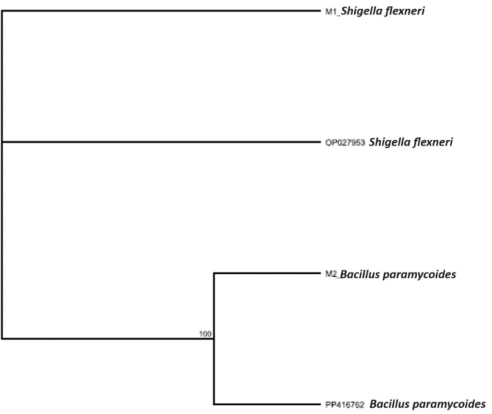
The primary goal of molecular characterization was to identify the two organisms down to the species level. Two isolated instances were selected for their significant zones of clearing and subsequently identified.
Proximate Compositional Analysis of the Feedstock.
The proximate and physicochemical properties of the feed sample were characterized by measuring the pH (using Sensolyt-SE electrode WTW, Germany) and other physical parameters such as nitrogen, total organic carbon (TOC), volatile solids, alkalinity, density, Biochemical oxygen demand (BOD) and Chemical oxygen demand (COD) .
2.7. Inoculum Development
This procedure outlines how to prepare a bacterial isolate in a slant before using it for fermentation. The essence of inoculum development was to reactivate the isolate. This will encourage the isolate, which may be in the lag phase, to transition into the log phase. Selected bacterial isolates were individually preserved in pure cultures on CMC-supplemented minimal agar slants at 4˚C until needed. Selected bacterial isolates were inoculated into a broth medium that contained 0.03% MgSO4, 0.2% K2HPO4, 1% glucose, 0.25% (NH4)2SO4, and 1% peptone, adjusted to a pH of 7, for a fermentation period of 24 hours. After a 24-hour fermentation period, these vegetative cells were utilized as the inoculum source. A sterile 50 mL string was used to transfer the inoculum to the digester.
Anaerobic fermentation in a locally fabricated digester
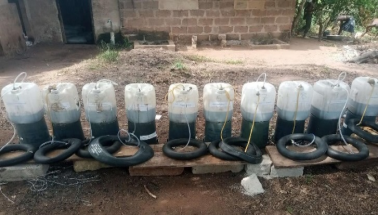
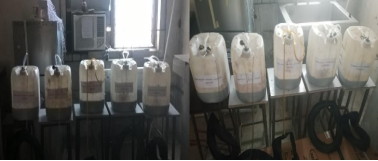
The batch culture anaerobic fermentation was done in locally (customed) fabricated digester as shown in the Figures shown below. A 20-litre container was used to fabricate the digester. Hose was also used to connect the container with the vehicle tube which serve as gas collector. A T-valve was attached which serve to regulate the inflow of gas. This was prepared in duplicate (one inside and one outside).
2.8. Preparation of Slurry from the Feedstock for Anaerobic Fermentation
This was accomplished by measuring 2000 grams of pig manure and 500 grams of poultry manure in a ratio of 4: 1, using a digital weighing scale and an empty 4-liter plastic custard container. These were carried out in ten locations based on the number of treatments to be administered. Each measurement was placed in a separate 20-liter empty paint bucket. Five liters of water were added to each of the ten buckets. A sturdy iron rod was employed to mix the pig and poultry dung with five liters of water.
Different Treatments on the Already Prepared Slurry
Out of the ten (10) buckets used for slurry preparations, the following were used to treat the slurry before feeding them into the already fabricated digester.
1) Slurry one: 200 grams of raw sodium carbonate was added."
2) In Slurry Two, Shigella flexineri was introduced after the inoculum development to disrupt the lignin network, enabling the indigenous methanogen to carry out fermentation.
3) In the third slurry, Bacillus paramycoides was introduced after the inoculum development to disrupt the lignin network, enabling the indigenous methanogens to carry out fermentation.
4) Slurry four: Bovine blood was incorporated.
5) Slurry five: A commercially extracted and dried meat extract weighing 200 grams was added.
6) Slurry six, which consists of charcoal water made by mixing 500 grams of crushed charcoal in 1000 liters of water, was added.
7) Slurry seven: 200 grams of Zinc Nitrate were added.
8) Slurry eight: No additional substances were added, serving as the control."
9) Slurry nine: 200 g of magnesium sulfate per dm³ of water was added.
10) Ten liters of water with a pH of 8 were added to the slurry.
All of the setups mentioned above were replicated outside the laboratory for comparison.
2.9. Biogas Analysis
Biogas analysis involves examining the composition, concentration, and quality of biogas. Four gas samples were analyzed: A, B, C, and D.
Sample A represented gas from feedstock with water that had a pH of 8 added to it. Sample B represented gas from the feedstock with added MgSO4.
Sample C represented gas produced from feedstock, with added charcoal water. Sample D represented gas derived from feedstock with the addition of cow blood. The analysis was conducted using gas chromatography. Biogas was analyzed using a gas chromatography-flame ionization detector, as outlined by AOAC in 1995. The gas chromatograph utilized in this study was an Agilent Technologies 6890 from the USA, which was equipped with a flame ionization detector (FID) and a capillary column measuring 30 m x 0.25 mm x 0.25 μm (Elite-5).
3. Results
The results of the anaerobic fermentation, Kinetic model, biochemical and morphological test on the two bacterial isolates were presented in tables below.
Table 1. Biochemical and morphological characteristics of the test isolates.

Isolate

Gram staining

Catalase test

Motility

Methyl red

Oxidase test

Indole test

Colour

Size

Shape

Cell wall

Flagella

Isolate from Anaerobic jar

-ve

+ve

-ve

+ve

-ve

varied

Cream

2-4µm

Rod

Thick

No

Isolate from incubator

+ve

+ve

+ve

+ve

+ve

+ve

Cream and rough

3-5µm

Rod

thick

Yes

Table 2. Proximate Compositional analysis of the feed stock.

Parameters

Pig dungs

Poultry

Ash (%)

12.17

14.27

Moisture (%)

5.71

2.71

Weight (g)

34.85

42.85

% Weight Lost

12.60

96.10

BOD5 (mg/L)

6.00

6.00

COD (mg/L)

3.20

3.20

Calcium (%)

2.20

2.20

Phosphorous (%)

1.60

1.60

Potassium (%)

0.90

0.90

Magnesium (%)

0.80

0.80

Sulphur (%)

0.30

0.30

Table 3. Batch A (Weight (g) of Tubes and gas in 21 days).

Day

substrate mixed with raw Na2CO3 (g)

substrate mixed with shigella flexneri (g)

substrate mixed with bacillus paramycoides (g)

substrate mixed with bovine blood (g)

substrate mixed with protein or meat extract (g)

substrate mixed with solution of charcoal water (g)

substrate mixed with zinc nitrate (g)

substrate mixed with water only (control) (g)

substrate mixed with MgSO4 (hard water) (g)

substrate mixed with water of pH 8. (g)

0

420.00

420.00

420.00

670.00

420.00

420.00

420.00

420.00

420.00

420.00

1

426.10

430.00

424.20

690.00

423.00

427.10

421.30

424.20

444.00

428.40

2

428.10

434.20

428.10

702.30

429.20

430.30

422.10

429.00

461.10

431.50

3

432.50

438.20

439.20

710.50

431.50

433.40

424.00

432.40

470.50

436.70

4

460.30

447.50

448.10

721.70

447.00

440.10

424.50

452.10

488.00

445.10

5

480.50

455.70

450.10

750.40

450.80

449.10

424.50

461.50

490.80

452.80

6

486.90

478.30

455.50

757.80

455.60

453.80

424.60

472.00

497.20

459.40

7

493.60

480.50

461.70

770.60

470.40

460.20

424.70

481.10

510.10

465.60

8

494.10

487.20

476.30

778.60

473.50

465.30

424.50

487.90

517.00

468.50

9

495.00

495.00

499.00

785.70

478.00

466.00

424.50

489.00

520.70

494.10

10

498.00

498.00

510.00

795.20

479.90

467.10

424.50

495.00

523.40

495.00

11

498.70

499.70

510.70

880.10

480.00

468.00

424.50

496.00

540.10

498.00

12

499.10

499.80

510.90

890.00

480.00

468.40

424.50

497.10

549.00

498.70

13

499.30

500.30

511.30

892.80

481.10

468.90

424.00

498.20

550.00

499.10

14

500.20

503.20

512.20

891.90

483.00

469.00

423.50

499.00

550.40

499.30

15

500.20

510.20

513.20

899.10

484.00

470.00

423.40

500.00

556.90

500.20

16

500.30

515.10

515.10

901.40

484.00

477.20

424.40

500.00

556.90

500.20

17

500.40

515.20

520.20

902.90

483.80

478.00

425.40

500.20

557.00

500.10

18

500.50

515.30

520.40

902.00

483.80

478.20

426.40

500.20

558.10

510.00

19

500.60

515.50

520.50

902.20

483.90

478.30

427.40

510.00

559.20

520.00

20

500.60

515.50

520.50

902.20

483.90

478.30

427.40

510.00

559.20

520.00

Table 4. Calculated weight of gas and cum. gas production in 21 Days.

Day

substrate mixed with raw Na2CO3 (g)

substrate mixed with shigella flexneri (g)

substrate mixed with bacillus paramycoides (g)

substrate mixed with bovine blood (g)

substrate mixed with protein or meat extract (g)

substrate mixed with solution of charcoal water (g)

substrate mixed with zinc nitrate (g)

substrate mixed with water only (control) (g)

substrate mixed with MgSO4 (hard water) (g)

substrate mixed with water of pH 8. (g)

Cum gas production (g)

0

0

0

0

0

0

0

0

0

0

0

0

1

6.1

10

4.2

20

3

7.1

1.3

4.2

24

8.4

88.3

2

8.1

14.2

8.1

32.3

9.2

10.3

2.1

9

41.1

11.5

145.9

3

12.5

18.2

19.2

40.5

11.5

13.4

4

12.4

50.5

16.7

198.9

4

40.3

27.5

28.1

51.7

27

20.1

4.5

32.1

68

25.1

324.4

5

60.5

35.7

30.1

80.4

30.8

29.1

4.5

41.5

70.8

32.8

416.2

6

66.9

58.3

35.5

87.8

35.6

33.8

4.6

52

77.2

39.4

491.1

7

73.6

60.5

41.7

100.6

50.4

40.2

4.7

61.1

90.1

45.6

568.5

8

74.1

67.2

56.3

108.6

53.5

45.3

4.5

67.9

97

48.5

622.9

19

75

75

79

115.7

58

46

4.5

69

100.7

74.1

697

10

78

78

90

125.2

59.9

47.1

4.5

75

103.4

75

736.1

11

78.7

79.7

90.7

210.1

60

48

4.5

76

120.1

78

845.8

12

79.1

79.8

90.9

220

60

48.4

4.5

77.1

129

78.7

867.5

13

79.3

80.3

91.3

222.8

61.1

48.9

4

78.2

130

79.1

875

14

80.2

83.2

92.2

221.9

63

49

3.5

79

130.4

79.3

881.7

15

80.2

90.2

93.2

229.1

64

50

3.4

80

136.9

80.2

907.2

16

80.3

95.1

95.1

231.4

64

57.2

4.4

80

136.9

80.2

924.6

17

80.4

95.2

100.2

232.9

64.8

58

5.4

80.2

137

80.1

934.2

18

80.5

95.3

100.4

232

64.8

58.2

6.4

80.2

138.1

90

945.9

19

80.6

95.5

100.5

232.2

64.9

58.3

7.4

90

139.2

100

968.6

20

80.6

95.5

100.5

232.2

64.9

58.3

7.4

90

139.2

100

968.6

Cum. gas prod.

1295

1334.4

1347.2

3027.4

970.4

826.7

90.1

1234.9

2059.6

1222.7

Figure 1. Anaerobic digestion set-up inside the lab.
Figure 2. Anaerobic digestion set-up outside the lab.
Figure 3. Phylogenetic tree showing the evolutionary relationship between the bacterial isolates.
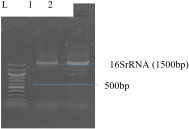
Figure 4. Agarose gel electrophoresis showing the amplified 16srRNA. Lanes 1-2 represent the amplified 16srRNA at 1500bp while lane L represents the 100bp DNA ladder.
Table 5. Sample A [Amended with water of pH 8].

Components

Concentration

% Composition

CO

0.40

2.17

CO2

2.40

13.01

METHANE

10.15

55.22

ACETIC ACID

1.15

6.26

METHANOL

0.18

1.01

ETHYL ACETATE

1.11

6.01

SO2

-

ACETONE

0.70

3.76

ACETONITRILE

0.30

1.60

TOTAL

18.40

Table 6. Sample B [Amended with MgSO4].

Components

Concentration

% Composition

CO

0.30

1.30

CO2

3.10

13.20

METHANE

18.10

77.97

ACETIC ACID

0.51

2.17

METHANOL

9.90

42.66

ETHYL ACETATE

0.09

0.38

SO2

0.42

1.82

ACETONE

0.74

3.18

ACETONITRILE

0.42

1.80

Table 7. Sample C [Amended with Charcoal water].

Components

Concentration

% Composition

CO

0.29

0.13

CO2

0.99

0.45

METHANE

171.76

77.93

ACETIC ACID

5.79

2.63

METHANOL

10.07

4.57

ETHYL ACETATE

17.06

7.74

SO2

2.73

1.24

ACETONE

5.90

2.68

ACETONITRILE

6.10

2.77

TOTAL

220.42

Table 8. Sample D [Amended with Bovine Blood].

Components

Concentration

% Composition

CO

0.80

0.93

CO2

5.09

5.92

METHANE

75.13

87.28

ACETIC ACID

1.97

2.29

METHANOL

2.70

3.14

ETHYL ACETATE

0.20

0.24

SO2

0.72

0.84

ACETONE

0.11

0.12

ACETONITRILE

-

TOTAL

86.08

4. Discussion of Results of the Biogas Analysis
The analysis was done using gas chromatography (GC). The results were represented below.
In the gas derived from feedstock mixed with water at a pH of 8, the total gas concentration was found to be 18.38. In this gas concentration, methane, which is the primary gas sought in biogas production, has a concentration of 10.15. "This concentration corresponds to a percentage composition of 55.23. This indicated that methane was the predominant gas component of the biogas in this sample. This was followed by carbon dioxide, which had a concentration of 2.39, corresponding to a percentage composition of 13.01%.
Molecular Identification of the Bacterial Isolate and Agarose Electrophoresis
The results from this agarose gel were obtained by preparing a weight/volume solution in the 0.5-2% range, which was optimized for the size of the DNA fragments being analyzed. The optimal percentage of agarose gels achieved the best separation and resolution of bands (DNA fragments). The two isolated organisms were identified as Shigella flexneri and Bacillus paramycoides. The 16s rRNA region of the rRNA genes of the isolates were amplified using the 27F: 5' AGAGTTTGATCMTGGCTCAG-3’ and 1492R: 5'-CGGTTACCTTGTTACGACTT-3’ primers on an ABI 9700 Applied Biosystems thermal cycler at a final volume of 50 microliters for 35 cycles. The PCR mix included: the X2 Dream Taq Master mix supplied by Inqaba, South Africa (Taq polymerase, DNTPs, MgCl), the primers at a concentration of 0.4M and the extracted DNA as template. The PCR conditions were as follows: Initial denaturation, 95ºC for 5 minutes; denaturation, 95ºC for 30 seconds; annealing, 52ºC for 30 seconds; extension, 72ºC for 30 seconds for 35 cycles and final extension, 72ºC for 5 minutes. The product was resolved on a 1% agarose gel at 120V for 15 minutes and visualized on a UV transilluminator .
DNA quantification
This was done by measuring the amount of genomic DNA that was extracted by using the Nanodrop 1000 spectrophotometer. You can open the equipment's software by double-clicking on the Nanodrop icon. The team started the equipment by adding 2 microliters of sterile distilled water and then set a baseline using normal saline. Two microlitres of the extracted DNA were placed on the lower pedestal, and then the upper pedestal was lowered to touch the DNA on the lower pedestal. The researchers measured the DNA concentration by clicking the “measure” button.
Batch A Fermentation
"This duration lasted for 21 days." By the end of the 21 days, the digester containing bovine blood produced the highest amount of gas. This was followed by a mixture containing magnesium sulfate, charcoal water, and a pH of 8. The digester containing zinc nitrate produced the least amount of gas. The digester containing the bacterial isolates also demonstrated signs of gas production.
Biogas analysis
The analysis was done using gas chromatography (GC). The tables of the results were represented below in the tables.
Gas from the Feedstock Amended with Water of pH 8
The total gas concentration in the feedstock, which was adjusted with water at a pH of 8, was found to be 18.38. In this gas concentration, methane, which is the primary gas sought in biogas, has a concentration of 10.15. This concentration corresponds to a percentage composition of 55.23. This indicated that methane was the predominant gas component in the biogas from this sample." Next, carbon dioxide was measured at a concentration of 2.39, which corresponded to a percentage composition of 13.01.
Gas from the Feedstock Amended with Magnesium Sulphate
It was found that the total gas concentration in the feedstock amended with magnesium sulfate is 23.19. In this gas concentration, methane, the primary gas sought after in biogas production, has a concentration of 18.08. This concentration corresponds to a percentage composition of 77.97%. "This indicated that methane was the predominant gas component in the biogas from this sample." This was followed by methanol, which had a concentration of 9.89, corresponding to a percentage composition of 42.663%. Carbon dioxide, on the other hand, had a concentration of 3.06 and a percentage composition of 13.20%. Gas from the Feedstock Amended with Charcoal Water.
The analysis of the gas produced from the feedstock treated with charcoal water revealed a total gas concentration of 220.42. In this gas concentration, methane, the primary gas sought after in biogas production, has a concentration of 171.76. This concentration corresponds to a percentage composition of 77.92%. "This indicates that methane was the predominant gas component in the biogas sample." This was succeeded by ethyl acetate, which had a concentration of 17.06 and corresponded to a percentage composition of 7.74. Carbon dioxide and carbon monoxide exhibited the lowest concentrations and percentage compositions. "This indicates that charcoal significantly influences the carbon dioxide content of biogas.".
Gas from the Feedstock Amended with Bovine Blood
The gas derived from the feedstock enriched with bovine blood was found to have a total concentration of 86.08. In this gas concentration, methane—the primary gas sought after in biogas—has a concentration of 75.13%. "This concentration corresponds to a percentage composition of 87.28." This indicated that methane was the predominant gas component in the biogas from this sample. "This was followed by carbon dioxide, which had a concentration of 5.09, corresponding to a percentage composition of 5.92.
5. Conclusion
The findings regarding the effects of the various treatments on anaerobic fermentation were presented as follows.
The digester containing sodium carbonate acts as an alkali. It is highly effective for the chemical pretreatment of the feedstock. It effectively breaks down the lignin in lignocellulose.
In the digester containing Shigella flexneri, this isolate is not classified as a methanogenic bacterium. It performed exceptionally well during the acidogenesis and acetogenesis stages of fermentation. It plays a role in the biological pretreatment process of the feedstock. In addition to biological pretreatment, Shigella flexineri also engages in a process known as bioaugmentation. "This process involves introducing exogenic bacteria into the system to support the indigenous bacteria.
In the digester containing Bacillus paramycodoides, this bacterium performed a role similar to that of Shigella flexneri. It served as a biological pretreatment bacterium and for bioaugmentation. Biological pretreatment offers several advantages, including low energy consumption and the use of mild environmental conditions.
Using protein extract in the digester is another method of biostimulation. The addition of protein extract to the feedstock resulted in an increase in cumulative gas production over a retention period of 21 days.
In this study, we examined the effects of charcoal water, also referred to as biochar water, in the digester. This type of water can have beneficial and positive impacts on biogas production within an anaerobic digestion system. It can enhance the digestion of substrates. This process involves adsorbing impurities while retaining nutrients and microorganisms, which enhances substrate digestion and boosts biogas production. The impact of charcoal water on the anaerobic digestion of the feedstock was evident in the gas analysis.
The gas sample from the digester that was treated with charcoal displayed the lowest percentage of carbon dioxide composition.
1) In the digester containing zinc nitrate, as previously mentioned, ammonia is toxic to the methanogens. The addition of a nitrate compound resulted in the formation of ammonium. The reaction of zinc nitrate with water produced a strong acid. In this reaction, zinc nitrate dissolves in water, resulting in the formation of zinc hydroxide and nitric acid. The hydroxide is insoluble in water, so it will precipitate out of the solution. The nitric acid that is produced will make the slurry acidic. This acidic solution will influence the entire reaction. Additionally, the formation of ammonium is harmful to methanogens. In the digester containing hard water, the presence of hard water contributes several beneficial effects to the fermentation process. Hard water has three significant effects on fermentation:
2) Hard water has a high mineral content, particularly elevated levels of calcium and magnesium ions. These ions can affect the growth and metabolism of microbes. "However, if the level is not measured, it can have negative effects."
3) pH buffering: Hard water can help stabilize pH levels during fermentation, creating a more consistent environment, Support the growth of microbes: it has been demonstrated that hard water can promote the growth of a wide variety of bacteria. Its application in biogas production will stimulate significant bacterial growth through the process of biostimulation. Hard water is water that has high concentrations of minerals, mainly calcium and magnesium. These minerals occur naturally in water sources and can vary based on geographical location. Furthermore, the minerals found in hard water can encourage bacterial growth and reduce the effectiveness of sanitizing agents.
4) In the digester with an alkaline pH of 8, the pH level indicates the degree of acidity or alkalinity of the medium. It can also be described as the concentration of negative hydrogen ions. Methanogenic activity is greatly influenced by pH levels. Consequently, methanogenic activity will decline if the pH in the digester strays from its optimal level. The pH value of an anaerobic digester plays a crucial role in determining the system's performance and stability for methane production. Consequently, adjusting the pH to the right will increase gas production." This is why the digester with water at a pH of 8 produced reasonable gas output.
Although water is not a focus of analysis in this research, it is essential for the optimal growth of microorganisms in the digester. Its presence enhances metabolic activity. Even without any additions or modifications, water will support the indigenous bacteria throughout every stage of the anaerobic process. The quantity of water is a crucial factor in the process of anaerobic digestion. Excess water in the digester will decrease the rate of gas production per unit volume, hindering its optimal use. If the water content is too low, acetic acid will accumulate, inhibiting the fermentation process and resulting in a thick scum forming on the surface.
6. Recommendation
Based on the detailed discussion and conclusions presented above, this study makes the following recommendations:
1) The amount of feedstock should be sufficient to guarantee a higher gas yield. As the amount of feedstock increases, the volume of gas also rises.
2) The volume of blood should not exceed the amount of water used in the slurry formation, as this could hinder proper mixing.
3) The biochar content produced from the fermentation of lignocellulose should be enhanced by using charcoal water during slurry preparation. This will help facilitate the reduction of ammonia and carbon dioxide through adsorption.
4) The measured combination of bovine blood, magnesium sulfate, and charcoal can serve as an additive in biogas production. The metallic nitrate compound should not be used in the production of biogas.
5) Additionally, nitrate compounds should not be added as nutrients to prevent the formation of nitric acid and ammonium.
7. Contribution to Knowledge
At the conclusion of this research, the following findings were made:
1) Bovine blood has been shown to be a more effective treatment for enhancing biogas production. "However, its volume should be proportional to the amount of feedstock to prevent excessive gas production that could damage the gas collector. Hard water has been shown to be the most effective liquid for preparing slurry. This can be accomplished by using magnesium sulfate, which provides permanent hardness, rather than searching for naturally occurring hard water.
2) Additionally, incorporating charcoal water into the slurry preparation will help reduce the levels of carbon dioxide and ammonia through adsorption, ultimately leading to an increase in methane production (biogas). "This was demonstrated through gas analysis. When biostimulating indigenous bacteria, it is important to avoid adding any metallic nitrate compounds. This is because nitrates will react with water to produce nitric acid and ammonium hydroxide, which can inhibit the process of methanogenesis.
Abbreviations

CMC

Carboxymethylcellulose

NANO3

Sodium Nitrate

MGSO4.7H2O

Magnesium Tetra Oxosulphate Vi Hepta Hydrate

NACL

Sodium Chloride

Author Contributions
Osuji Malachy Ikeokwu: Conceptualization, Resources, Investigation
Amai Innocent Ugochukwu: Data curation, Methodology, Investigation, Formal Analysis
Conflicts of Interest
There is no conflict of interest in this research.
References
[1] Babatope G., Ramirez, J. A., Nguyen, J., Ristovski, Z., Brown, R., Lin, C. S. and Rainey, T. J. (2012). Hydrothermal liquefaction of bagasse using ethanol and black liquor as solvents. Biofuels, Bioproducts and Biorefining, 9 (6): 630-638.
[2] Fagerström, A., Seadi, T., Rasi, S. and Briseid, T. (2018). The role of Anaerobic Digestion & Biogas in the Circular Economy. IEA Bioenergy Task 37, Paris, France.
[3] Mignard, I., Muzenda, E. and Mbohwa, C. (2006). Biogas production from anaerobic digestion of fruit and vegetable waste from Johannesburg market. Internationa Conference on Biology, Environment and Chemistry, 98: 100-104.
[4] Osuji M. I., Ogbulie J. N.; Nweke, C. O.; Nwanyanwu C. E., (2024). Optimizing BiogasProduction: Comparative Analysis Of Organic Substrates For Enhanced Gas Yield UJMR, Conference Special Issue Vol. 9 No. 3, 1-14.
[5] Osuji M. I (2024) “Biogas Production: Use of Different Approach Towards Optimization of It’s Yield.” Sis Med J Microbiol 1(2): 11-16.
[6] Osuji M. I, Ogbulie J. N, Nweke C. O and Nwanyanwu C. E (2022) Acid-base pretreatment of lignocellulosic biomass to facilitate recovery of fermentable sugar for anaerobic fermentation.. International Journal of Frontline Research in Science and Technology,, 01(01), 021–027.
[7] Raid-Mammod, F., Fernández‐Cegrí, V., De la Rubia, M., Borja, R., Béline, F., Cavinato, C., Demirer, G., Fernández, B., Fernández‐Polanco, M. and Frigon, J. (2020). Biochemical methane potential 228 (BMP) of solid organic substrates: evaluation of anaerobic biodegradability using data from an international interlaboratory study. Journal of Chemical Technology and Biotechnology, 86 (8): 1088-1098.
[8] Saini JK, Saini R, Tewari L. (2015) Lignocellulosic agriculture wastes as biomass feed stocks forsecond-generation bioethanol production: concepts and recent developments. Biotech.; 5: 337-353.
[9] Shinde VS, Agrawal T, Kotasthane AS. Molecular Characterization of Cellulolytic Bacteria Derived From Termite Gut and Optimization of Cellulase Production, International Journal of Current Microbiology and Applied Sciences. 2017; 6(10): 2474-2492.
[10] Tawoma, N. (2015). Valorisation of biowaste via production of biogas and Biofertilizer. MUniversity of Kwazulu-Natal, Durban, South Africa. Master of Science in Engineering thesis.
[11] Aluy,. (2023) Isolation and Identification of Cellulose Degrading Bacteria from Soil Sample; Bioresource Technology, 99, 43–46.
[12] Branco., (2019). A review of the chemistryof anaerobic digestion: Methods of accelerating and optimizing process efficiency. Processes, 7(8), 504.
[13] Hat., (2022). Second generationbioethanol production: A critical review. Renewable and Sustainable Energy Reviews, 66: 631-653.
[14] Kumar, S., Smith, S. R., Fowler, G., Velis, C., Kumar, S. J., Arya, S., Rena, Kumar, R. (2019) Royal Society open science, 4(3), 160764.
[15] Ahmadian-Moghadam, H., Elegado, F. B., Nayve R. (2013). Prediction of ethanol concentrationin biofuel production using artificial neural networks. Am J Model Optim., 1(3), 31–35.
[16] Ali, B. (2012). Optimization studies of anaerobic processing of municipal organic wastes to biogas using integrated bioreactor system (unpublished doctoral thesis). Federal University of Technology Owerri, Nigeria.
Cite This Article
  • APA Style

    Ikeokwu, O. M., Ugochukwu, A. I. (2026). Application of Bioaugmentation and Biostimulation in Anaerobic Digestion of Lignocellulose to Increase Biogas Production. American Journal of Bioscience and Bioengineering, 14(4), 48-58. https://doi.org/10.11648/j.bio.20261404.11

    Copy | Download

    ACS Style

    Ikeokwu, O. M.; Ugochukwu, A. I. Application of Bioaugmentation and Biostimulation in Anaerobic Digestion of Lignocellulose to Increase Biogas Production. Am. J. BioSci. Bioeng. 2026, 14(4), 48-58. doi: 10.11648/j.bio.20261404.11

    Copy | Download

    AMA Style

    Ikeokwu OM, Ugochukwu AI. Application of Bioaugmentation and Biostimulation in Anaerobic Digestion of Lignocellulose to Increase Biogas Production. Am J BioSci Bioeng. 2026;14(4):48-58. doi: 10.11648/j.bio.20261404.11

    Copy | Download

  • @article{10.11648/j.bio.20261404.11,
      author = {Osuji Malachy Ikeokwu and Amai Innocent Ugochukwu},
      title = {Application of Bioaugmentation and Biostimulation in Anaerobic Digestion of Lignocellulose to Increase Biogas Production},
      journal = {American Journal of Bioscience and Bioengineering},
      volume = {14},
      number = {4},
      pages = {48-58},
      doi = {10.11648/j.bio.20261404.11},
      url = {https://doi.org/10.11648/j.bio.20261404.11},
      eprint = {https://article.sciencepublishinggroup.com/pdf/10.11648.j.bio.20261404.11},
      abstract = {This research aimed to assess the kinetics of biogas production from a mixture of animal manure that was bioaugmented with cellulase-producing bacteria, along with other treatments. A custom-built bioreactor with a capacity of 20 liters was used in the anaerobic digestion process. Piggery and poultry manure were utilized as feedstock, while treatments included a sodium carbonate solution, Shigella flexneri, Bacillus paramycoides, bovine blood, charcoal water, magnesium sulfate solution, zinc nitrate solution, protein extract, a pH 8 solution, and natural water as the control. After 21 days of batch anaerobic digestion, bioreactors with NaCO3, Shigella sp, Bacillus sp, bovine blood, protein extract, charcoal water, zinc nitrate, natural water, MgSO4 and pH of 8 gave gas production of 80.6g, 95.5g, 100.3g, 232.2g, 63.9g, 58.3g, 7.4g, 90.0g, 139.2g and 100.0g respectivel. Bioreactors containing bovine blood and magnesium sulfate produced the highest gas output due to the nutrient-rich nature of the blood, while the magnesium sulfate, which hardens the water, promotes a diverse range of bacterial growth and helps maintain the pH levels in the reaction environment. Zinc nitrate reacted with water in the slurry, producing nitric acid that created an acidic environment inside the reactor, which is unfavorable for methanogens. The analysis of biogas revealed that there was no hydrogen sulfide present in any of the gas samples, which can be attributed to the type and source of the feedstock used. Additionally, the gas produced from the feedstock, which was enhanced with magnesium sulfate, bovine blood, and charcoal water, demonstrated a substantial increase in methane production. The gas produced from the feedstock mixed with charcoal exhibited the lowest percentage of carbon dioxide, indicating that the charcoal played a key role in adsorbing the carbon dioxide. This research suggests that a specific amount of bovine blood should be utilized to provide nutrients to the indigenous bacteria. The appropriate amount of magnesium sulfate should be used to adjust the pH. Ultimately, charcoal water should be utilized in the preparation of the slurry to adsorb ammonia and carbon dioxide as gas production begins.},
     year = {2026}
    }
    

    Copy | Download

  • TY  - JOUR
    T1  - Application of Bioaugmentation and Biostimulation in Anaerobic Digestion of Lignocellulose to Increase Biogas Production
    AU  - Osuji Malachy Ikeokwu
    AU  - Amai Innocent Ugochukwu
    Y1  - 2026/07/22
    PY  - 2026
    N1  - https://doi.org/10.11648/j.bio.20261404.11
    DO  - 10.11648/j.bio.20261404.11
    T2  - American Journal of Bioscience and Bioengineering
    JF  - American Journal of Bioscience and Bioengineering
    JO  - American Journal of Bioscience and Bioengineering
    SP  - 48
    EP  - 58
    PB  - Science Publishing Group
    SN  - 2328-5893
    UR  - https://doi.org/10.11648/j.bio.20261404.11
    AB  - This research aimed to assess the kinetics of biogas production from a mixture of animal manure that was bioaugmented with cellulase-producing bacteria, along with other treatments. A custom-built bioreactor with a capacity of 20 liters was used in the anaerobic digestion process. Piggery and poultry manure were utilized as feedstock, while treatments included a sodium carbonate solution, Shigella flexneri, Bacillus paramycoides, bovine blood, charcoal water, magnesium sulfate solution, zinc nitrate solution, protein extract, a pH 8 solution, and natural water as the control. After 21 days of batch anaerobic digestion, bioreactors with NaCO3, Shigella sp, Bacillus sp, bovine blood, protein extract, charcoal water, zinc nitrate, natural water, MgSO4 and pH of 8 gave gas production of 80.6g, 95.5g, 100.3g, 232.2g, 63.9g, 58.3g, 7.4g, 90.0g, 139.2g and 100.0g respectivel. Bioreactors containing bovine blood and magnesium sulfate produced the highest gas output due to the nutrient-rich nature of the blood, while the magnesium sulfate, which hardens the water, promotes a diverse range of bacterial growth and helps maintain the pH levels in the reaction environment. Zinc nitrate reacted with water in the slurry, producing nitric acid that created an acidic environment inside the reactor, which is unfavorable for methanogens. The analysis of biogas revealed that there was no hydrogen sulfide present in any of the gas samples, which can be attributed to the type and source of the feedstock used. Additionally, the gas produced from the feedstock, which was enhanced with magnesium sulfate, bovine blood, and charcoal water, demonstrated a substantial increase in methane production. The gas produced from the feedstock mixed with charcoal exhibited the lowest percentage of carbon dioxide, indicating that the charcoal played a key role in adsorbing the carbon dioxide. This research suggests that a specific amount of bovine blood should be utilized to provide nutrients to the indigenous bacteria. The appropriate amount of magnesium sulfate should be used to adjust the pH. Ultimately, charcoal water should be utilized in the preparation of the slurry to adsorb ammonia and carbon dioxide as gas production begins.
    VL  - 14
    IS  - 4
    ER  - 

    Copy | Download

Author Information
  • Microbiology Department, Spiritan University, Nneochi Abia State, Nigeria
  • Microbiology Department, Spiritan University, Nneochi Abia State, Nigeria

  • Abstract
  • Keywords
  • Document Sections

    1. 1. Introduction
    2. 2. Materials and Methods
    3. 3. Results
    4. 4. Discussion of Results of the Biogas Analysis
    5. 5. Conclusion
    6. 6. Recommendation
    7. 7. Contribution to Knowledge
    Show Full Outline
  • Abbreviations
  • Author Contributions
  • Conflicts of Interest
  • References
  • Cite This Article
  • Author Information